Baroque lanes, a KGB prison and a self-declared republic of artists. Why Vilnius suits a long weekend from the UK, with flights, rough costs and where to spend your time.
Reviewed, edited and approved by Editor-in-chief Daniel Sköld · Updated 25 October 2026
Contents
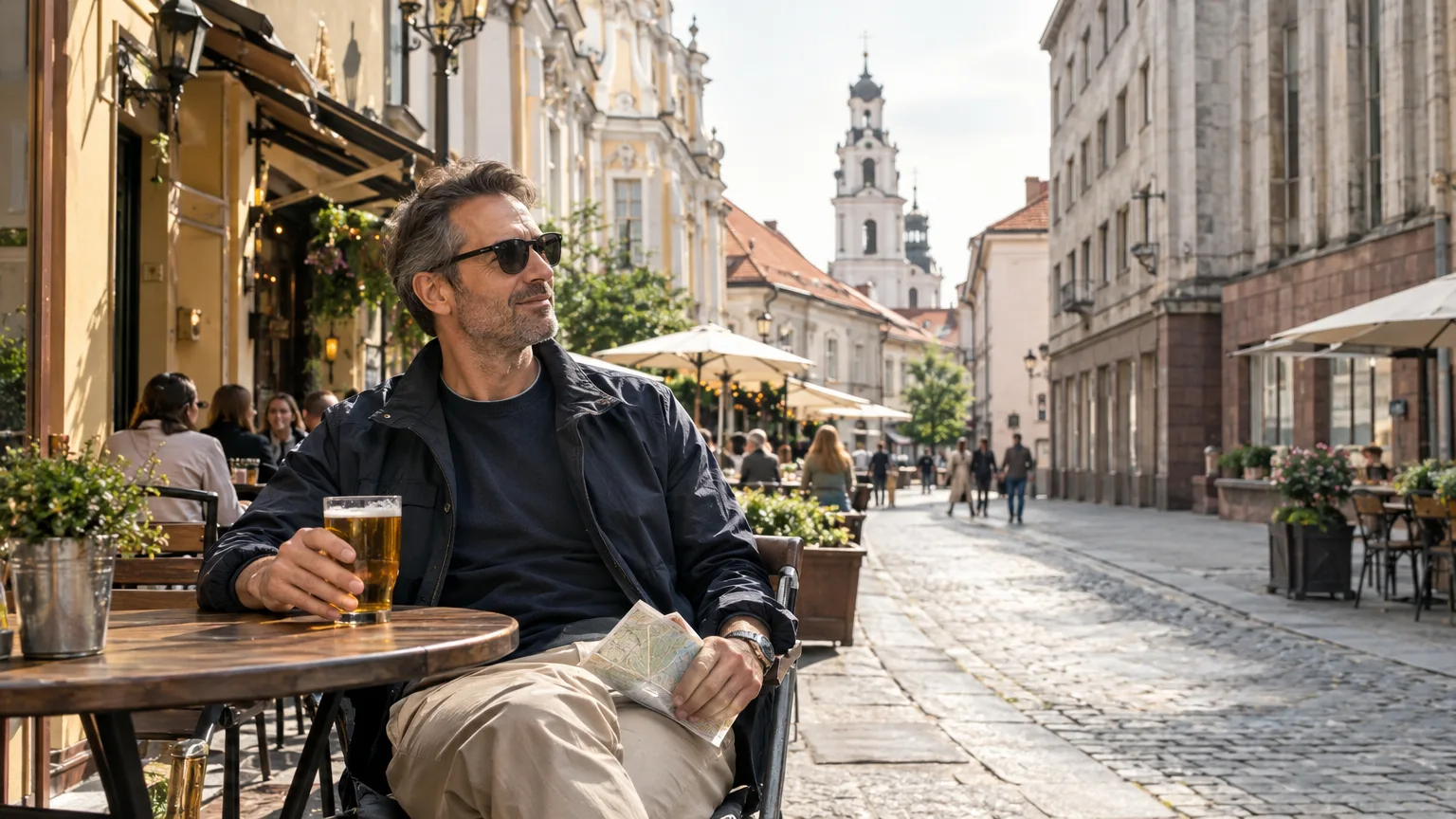
Most European capitals tell you their history. Vilnius makes you walk through it, and it changes every few streets. In one morning you can go from a candlelit chapel above a city gate, past baroque church fronts that could pass for Rome, to a basement where the KGB kept its prisoners. By the afternoon you can be having a beer in a neighbourhood that declared itself an independent republic on April Fool’s Day.
The Lithuanian capital is compact, uses the euro and is a short flight from Britain. It’s also still oddly under-visited by Britons, who tend to head for Kraków or Riga. That’s a pity, because a long weekend here feels much longer than it is.
AD
How do you get to Vilnius from the UK?
Vilnius is mostly served by the low-cost airlines. Ryanair and Wizz Air have long flown there from London airports, chiefly Stansted and Luton, and regional routes from elsewhere in the UK come and go with the seasons. Check the airline timetables before you settle on a departure airport. The flight takes a little under three hours. Lithuania is two hours ahead of the UK, so an early Friday departure still gets you to the Old Town in time for a late lunch.
The airport is close to the centre: the train or bus takes about a quarter of an hour, and a ride-hailing car isn’t much longer. Once you’re in, walk. Almost everything worth seeing on a first visit is within half an hour of Cathedral Square on foot. Do watch your ankles on the cobbles.
Before you book, check the latest FCDO travel advice and entry requirements for Lithuania, and make sure your passport meets the validity rules. Take your GHIC for state healthcare and buy proper travel insurance, because the GHIC doesn’t cover everything.
Baroque without the elbows
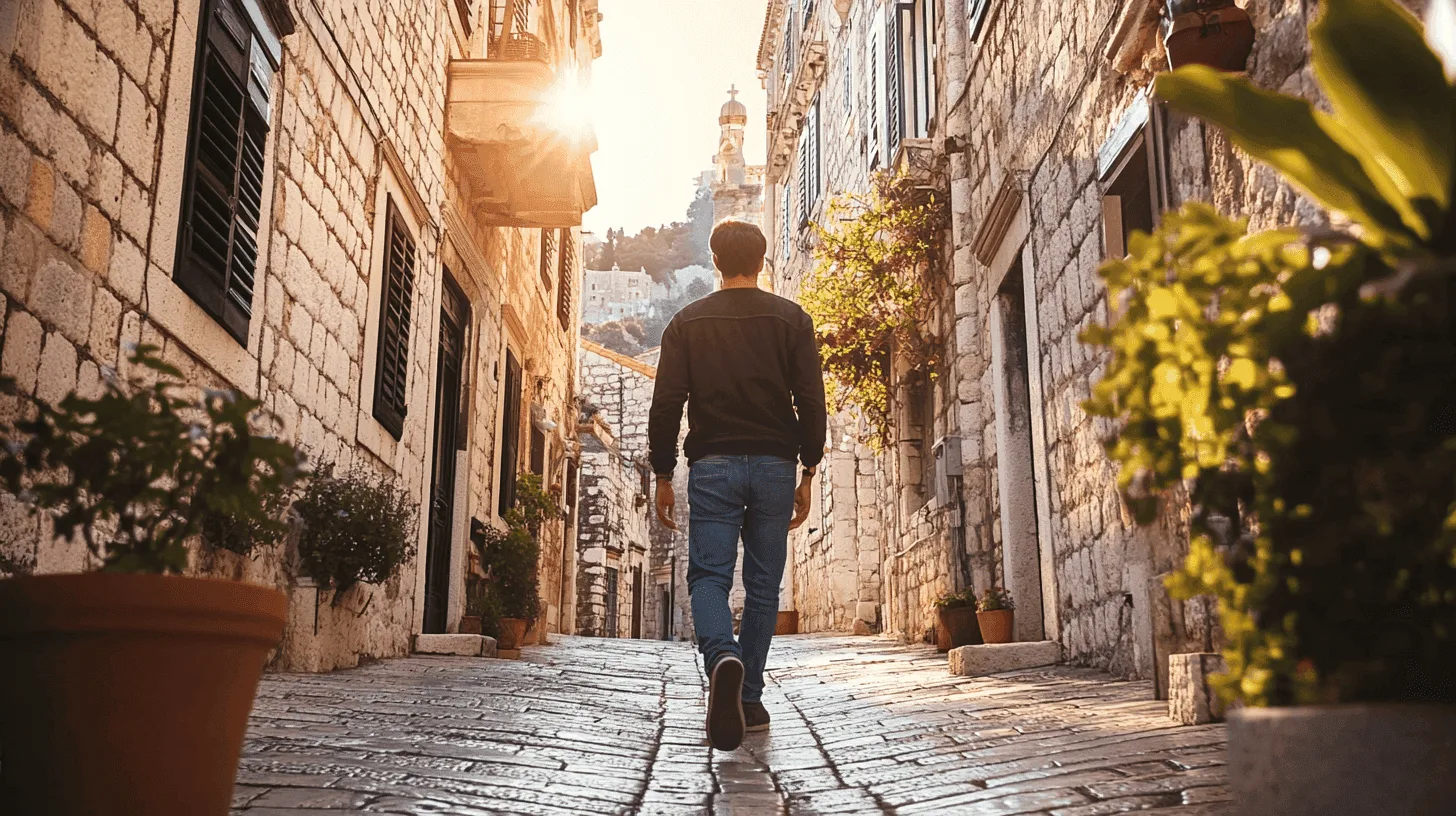
The Old Town is one of the largest surviving medieval and baroque old towns in this part of Europe, and it’s on UNESCO’s World Heritage List. What strikes you first is the space. You get courtyards behind courtyards, church towers at every turn and, compared with Prague, far fewer selfie sticks.
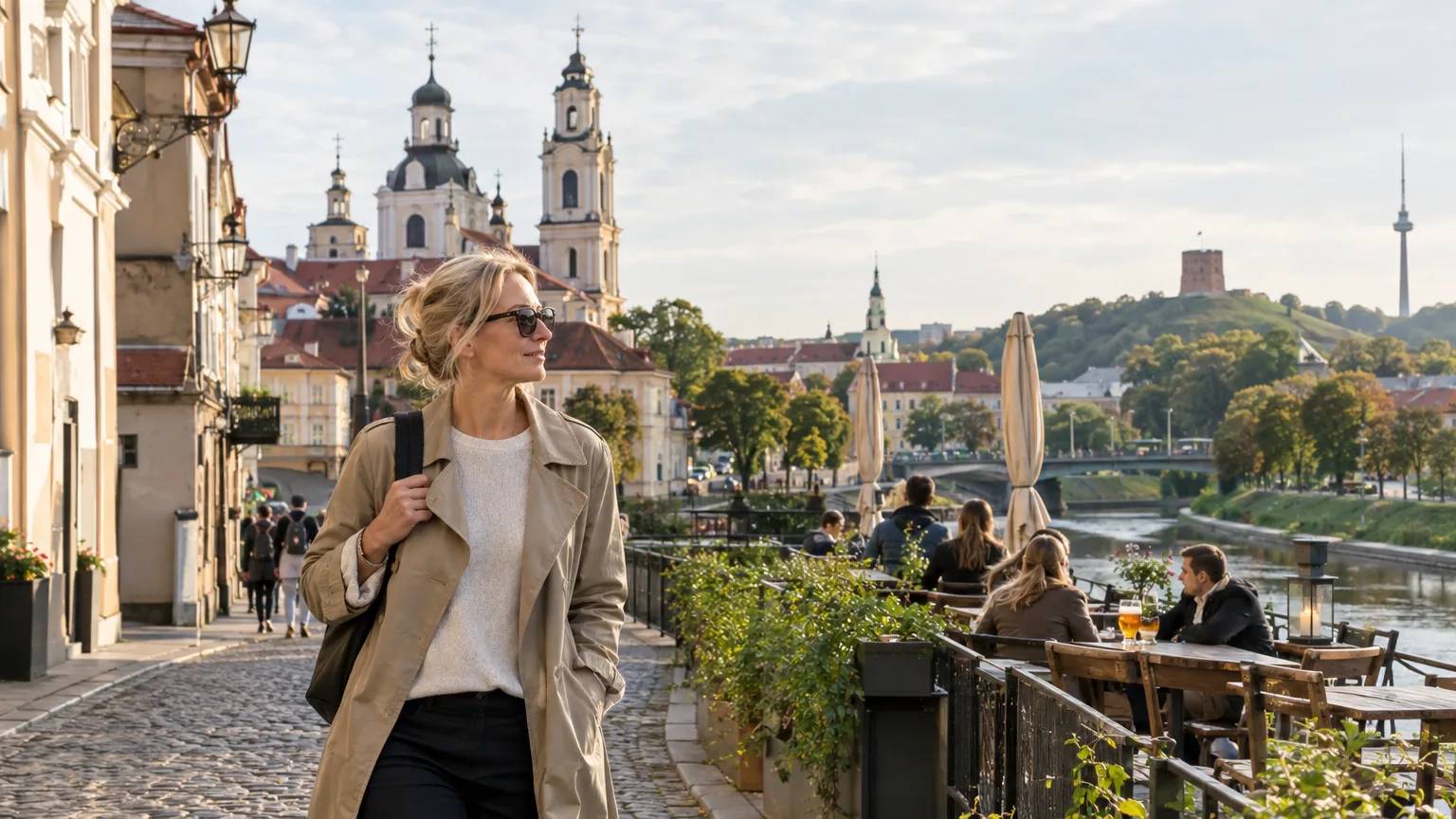
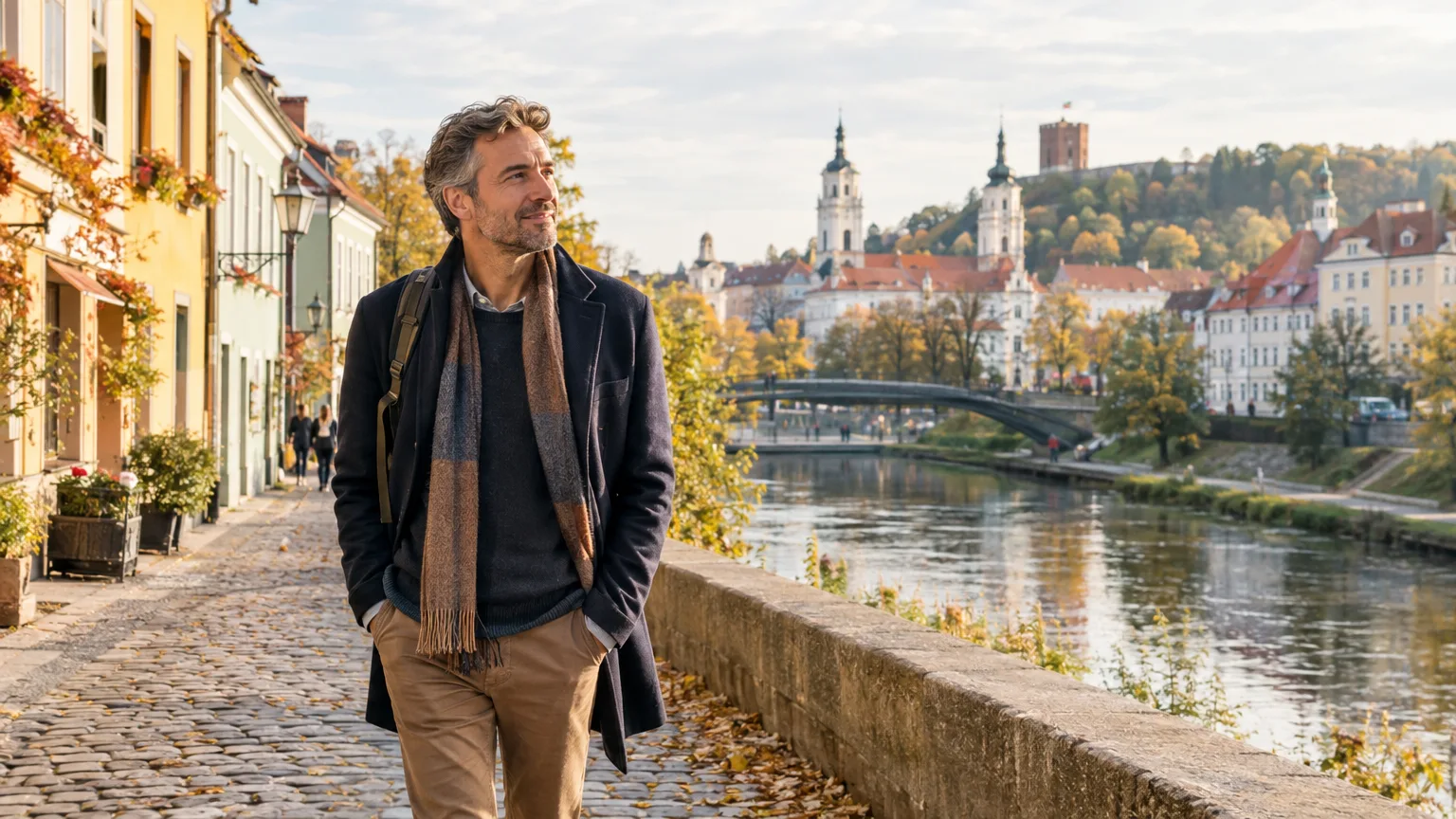
Start at the Gate of Dawn, the last surviving gate of the old city walls. The chapel above it houses a revered icon of the Virgin Mary, and pilgrims still come to pray in front of it. From there, walk down Pilies and Didžioji streets to Cathedral Square. Climb Gediminas Hill for a view of red roofs and green domes, or take the funicular if you’re feeling your age. Have a look at Literatų Street too, where the walls are covered in small plaques and artworks honouring writers connected with Lithuania. It’s a lovely piece of civic eccentricity.
It’s worth knowing that Vilnius was once called the Jerusalem of the North, one of Europe’s great centres of Jewish learning. Very little of that world survived the Second World War. Look out for the memorial plaques in the former ghetto streets around Žydų Street. They give the pretty lanes a weight you shouldn’t skip.
Is the KGB museum in Vilnius worth visiting?
Yes. If you only do one serious thing all weekend, make it this one. The Museum of Occupations and Freedom Fights is in the former KGB headquarters on Aukų Street, opposite Lukiškės Square. Upstairs, the museum tells the story of Soviet occupation, deportations to Siberia and the partisans who fought on in the forests long after 1945. Downstairs are the original prison cells, the padded isolation room and the chamber where prisoners were executed. Allow at least two hours, and don’t plan a long lunch straight afterwards.
British visitors have a useful comparison here. At home, our Cold War sites are bunkers for a war that never came: Kelvedon Hatch in Essex, Scotland’s Secret Bunker in Fife, the York Cold War Bunker. They show government by blast door and ration tin, eerie but in the end hypothetical. The Vilnius basement is the other side of that Iron Curtain. It shows what occupation actually looked like, run on paperwork.
Britain built bunkers for a Cold War that never arrived; Lithuania has a basement for the one that did.
The story has a modern chapter too. On 13 January 1991, Soviet troops stormed the Vilnius TV Tower and fourteen civilians were killed defending it. A memorial stands at the foot of the tower, a tram-and-bus ride from the centre, and it’s a sobering place to stand. If you have a car and a spare day, Grūtas Park near Druskininkai, about two hours south, has a forest full of toppled Lenin and Stalin statues. It’s part open-air museum and part ideological scrapyard.
AD
What is the Republic of Užupis?
Cross the little bridge over the River Vilnelė and you’ve left Vilnius, at least officially. Užupis, once a run-down quarter of artists and squatters, declared itself a republic on 1 April 1997. It has its own president, flag and anthem, plus a constitution displayed on a wall on Paupio Street. That constitution has now been translated into more than 50 languages. Its articles range from sweet to deadpan: everyone has the right to be happy, and also the right to be unhappy. A cat is not obliged to love its owner. Find the English version and read it properly. It’s more thoughtful than most manifestos.
These days Užupis is more gentrified than bohemian, but it’s still the best place in town to slow down. Wander up to the Angel of Užupis statue, then have a look at the riverside studios and the overgrown Bernardine Cemetery on the hill. Finish with a beer at one of the bars beside the river. Lithuania takes its brewing seriously, with a lot of farmhouse-style beers you won’t find at home, so ask for something local rather than a lager you could get in Luton.
Eating, drinking and what it costs
Lithuanian food is hearty, which suits a city where winter means business. The national dish is cepelinai, large potato dumplings filled with meat and served with soured cream and bacon bits. One is lunch, two is a mistake. In summer, try šaltibarščiai, a cold beetroot soup in startling pink that tastes far better than it looks. Halės Market, near the Gate of Dawn, is good for smoked meats, cheeses and a snack. If you make the easy day trip to Trakai and its island castle, about half an hour by train, eat kibinai there. These are pastries brought by the Karaim community, who have lived in Trakai for centuries.
Vilnius is noticeably cheaper than most western European capitals, though less so than it was. These are rough prices at about €1 to 85p:
Half-litre of local beer: around €4–5 (£3.40–£4.25), a bit less away from the Old Town’s main streets.
Dinner for one, with a main course and a drink at a decent restaurant: roughly €25–35 (£21–£30).
Short taxi ride of about 5 km, using ride-hailing apps that are widely used here: about €6–9 (£5–£8).
A comfortable central hotel double: often about €80–130 (£70–£110) a night, though prices are higher in summer and around big events.
The best time to go is May to September, when the cafés spill onto the squares and it stays light until late. December is cold but atmospheric, with a Christmas market and a towering tree on Cathedral Square. January and February are for people who like being reminded they’re alive.
In short
Vilnius is one of Europe’s most rewarding long-weekend capitals: a short, usually inexpensive flight from London airports, a compact UNESCO-listed baroque Old Town and prices well below western Europe. For context, spend half a day at the Museum of Occupations and Freedom Fights in the former KGB building. Then spend an evening in Užupis, reading its constitution with a local beer in hand. Go between May and September, check the FCDO advice before you fly, and pack shoes that can cope with cobbles.
Archie Inglis writes about travel for men 45 and over: city breaks, winter sun, road trips, rail journeys, walking holidays and the longer trips you've been putting off. Where's worth going, how to get there without the hassle, and how to make the money go further.
One of Midcent's writers. Spotted something? Write to archie@midcent.uk.
Grave robbers, Gothic spires, very good whisky and a festival that takes over the whole city in August. How to do Edinburgh well, whether you come for the Fringe or avoid it.
Spring is the season for Dubrovnik. Walk the walls, hunt down the Game of Thrones locations and see the old Ragusa beneath the fan tourism, all before the summer crowds arrive.
Fjords, Bach, dark skies, Flemish masterpieces, Lyon’s bouchons and Valletta’s knights: six European breaks you can reach by Eurostar or a short flight, with honest costs in pounds.