Venice in winter: fog, fewer crowds and no day-tripper fee
Venice in winter has fog, quiet canals, cheaper hotels and no day-tripper fee. Here’s when to go, what to pack, and how high water and new border checks affect British visitors.
Reviewed, edited and approved by Editor-in-chief Daniel Sköld · Updated 25 October 2026
Contents
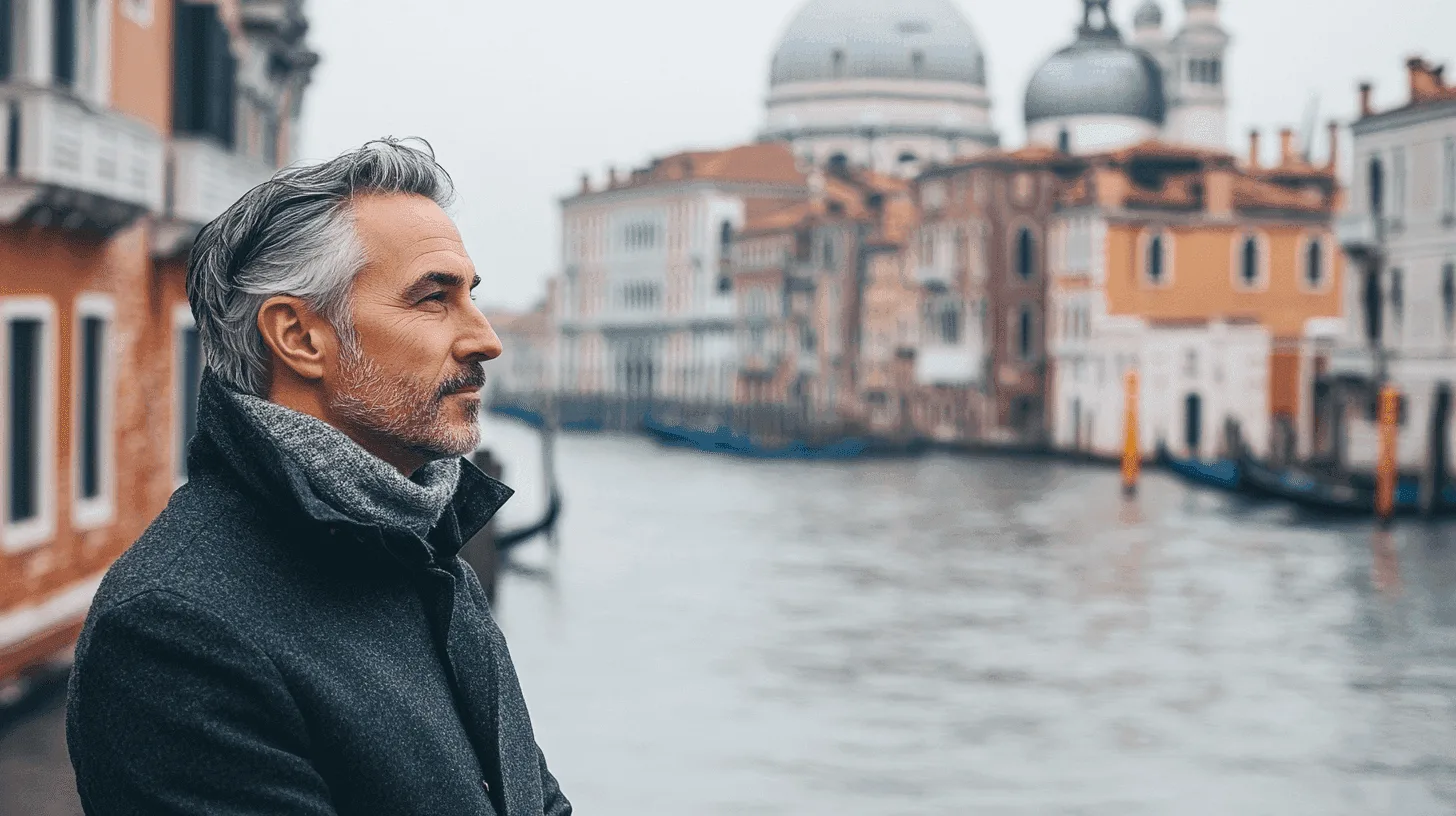
Most people’s first look at Venice comes with somebody else’s selfie stick in the corner. In July, the Rialto Bridge is a turnstile and St Mark’s Square is a queue that happens to have a basilica at one end. Come back in late November, though, on a damp Tuesday morning with the fog off the lagoon, and the city looks the way Canaletto painted it before the cruise ships turned up. Grey, quiet and a little sinister, and all the better for it.
Winter is when Venice goes back to the Venetians, or what’s left of them. It’s also the season with no day-tripper fee, cheaper hotel rooms and table space in the wine bars. Going needs a few compromises and a decent pair of boots, but for anyone who has done the summer version and sworn never again, it’s the trip worth making.
AD
Is Venice worth visiting in winter?
Yes, and for anyone over the age of about 25 it may be the only sensible time to go. From November to early February, apart from Christmas, New Year and Carnival, the crowds thin to the point where you can stand on the Accademia Bridge and hear the water. The big sights stay open all year: the Doge’s Palace, the Basilica di San Marco, the Gallerie dell’Accademia and the Peggy Guggenheim Collection. You’ll spend your time looking at the Tintorettos, not at the back of a tour group.
The light is the other draw. Low winter sun on pink marble does things the August glare never manages, and when the fog rolls in, the lanes of Cannaregio and Castello turn into a film set for something Daphne du Maurier would recognise. Days are short and some evenings are raw, so plan for the cold. The trade-off is a city that feels lived in again, not one being consumed.
One date worth knowing about is 21 November, the Festa della Salute. Venetians cross a temporary pontoon bridge over the Grand Canal to the Basilica di Santa Maria della Salute to give thanks for the end of the plague of 1630. It’s a proper local occasion, not a performance for visitors, and tradition says you mark it with castradina, a slow-cooked mutton and cabbage stew that’s an acquired taste, though not a hard one to acquire.
The fee, the floods and the forms
The Venice access fee, the charge on day-trippers to the historic centre, applies only on set days in spring and summer, mostly weekends and holidays from around April to July. It costs €5 if you book well ahead and €10 if you leave it late. It doesn’t apply on winter dates, and visitors staying overnight in the city pay the hotel tourist tax instead. The calendar changes every year, so check the city’s official access fee portal before you travel, especially if your trip runs into spring.
Then there’s acqua alta, the high tides that flood the lowest parts of the city, St Mark’s Square first. They’re most common between October and January. Since 2020, the MOSE flood barriers at the lagoon inlets have been raised when a serious tide is forecast, and the city now floods much less often than it once did. Moderate tides can still leave the square ankle-deep for an hour or two. Sirens give warning, raised walkways go up on the main routes, and street stalls sell disposable plastic overboots for a few euros. Or just pack wellies and look smug.
The paperwork has changed too. The EU’s Entry/Exit System began in October 2025, so British passport holders now register fingerprints and a facial photo at the border on their first visit, replacing passport stamps. Allow extra time at the airport. Before booking, check the latest FCDO travel advice and entry requirements for Italy, make sure your passport meets the EU validity rules, take your GHIC for state healthcare and buy proper travel insurance.
In summer, Venice is a theme park that happens to be real. In winter, it remembers it’s a city.
AD
How do you get to Venice from the UK in winter?
It’s a flight of about two hours from most of the UK. British Airways and easyJet fly to Venice Marco Polo from London and several regional airports, and Ryanair uses Treviso, roughly 40km inland. Winter schedules are thinner than summer ones, so check routes before you set your heart on flying from your local airport. From Marco Polo, the Alilaguna water bus takes you across the lagoon into the city, and a land bus to Piazzale Roma is quicker and cheaper. A private water taxi is the James Bond arrival, at a price only he could put on expenses.
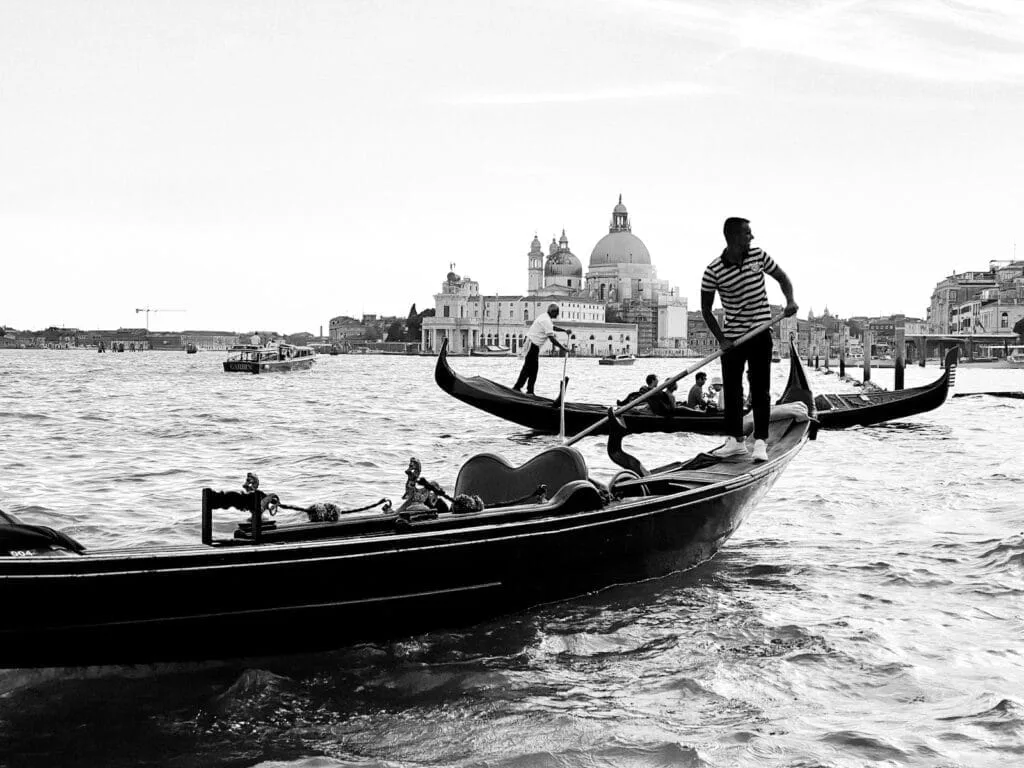
If you’d rather go by rail, Eurostar to Paris and onward connections through Milan will get you to Venezia Santa Lucia in a long day. Stepping out of the station onto the Grand Canal is the best arrival in Europe. Once you’re there, you get about on foot or by vaporetto, the public water bus. A single 75-minute ticket costs around €9.50, so if you plan more than a couple of rides a day, buy a multi-day travel card.
Where to eat when the wind comes off the lagoon
Winter is the season for bacari, the small wine bars where Venetians stand at the counter with an ombra (a small glass of local wine) and a few cicchetti, the city’s answer to tapas. Think baccalà mantecato (whipped salt cod) on grilled polenta, sarde in saor (sweet-and-sour sardines) and folpetti (baby octopus). The streets around the Rialto market and the Fondamenta della Misericordia in Cannaregio are the places to start. Get to the market itself early in the morning, when it’s full of locals arguing over the lagoon catch.
The tourist trap is easy to spot. Any restaurant near St Mark’s with a laminated menu in six languages and a man outside steering you in will charge double for half the cooking. Cross into Castello or over to the Giudecca and prices come down while the cooking gets better. Leave room for frittelle, the custard-filled doughnuts that turn up in bakeries before Carnival.
What it costs
A spritz or a glass of wine at a neighbourhood bacaro costs roughly €3 to €5 (about £2.50 to £4.30), and a medium beer of around 0.4 litres, the nearest thing to a pint, about €6 (£5). Expect to pay €35 to €50 a head (£30 to £43) for dinner with wine at a decent trattoria away from the main sights. Venice has no road taxis. The local equivalent of a short cab ride is the vaporetto at around €9.50 (£8), and a water taxi from the airport into the city runs well past €100 (£85). Hotel rates in November, January and early February can be a fraction of the summer price, but they rise sharply over Christmas, New Year and Carnival.
In short
Winter is the best time to visit Venice if you care more about atmosphere than sunshine: the crowds have gone, hotels are cheaper and the day-tripper fee doesn’t apply. Aim for November, January or early February, avoiding the Carnival peak, and pack waterproof boots in case of acqua alta. Allow extra time at the border for the EU’s new biometric checks, and check the FCDO advice before you fly.
Archie Inglis writes about travel for men 45 and over: city breaks, winter sun, road trips, rail journeys, walking holidays and the longer trips you've been putting off. Where's worth going, how to get there without the hassle, and how to make the money go further.
One of Midcent's writers. Spotted something? Write to archie@midcent.uk.
Fjords, Bach, dark skies, Flemish masterpieces, Lyon’s bouchons and Valletta’s knights: six European breaks you can reach by Eurostar or a short flight, with honest costs in pounds.
Hot springs in Bath, Riesling in Colmar or Silvaner on a Würzburg bridge: three small cities that look their best in autumn, and how to reach each by train from London.