Grave robbers, Gothic spires, very good whisky and a festival that takes over the whole city in August. How to do Edinburgh well, whether you come for the Fringe or avoid it.
Reviewed, edited and approved by Editor-in-chief Daniel Sköld · Updated 23 October 2026
Contents
Some capitals are built to impress you. Edinburgh was built to make you slightly uneasy, and it does that very well. Its medieval Old Town is stacked on a volcanic ridge, cut through by dark closes and full of stories about body snatchers, plague and a respectable town councillor who burgled houses at night. Then every August the city hosts the world’s biggest arts festival, and the place that gave us Jekyll and Hyde spends a month laughing at itself.
Most of us have been at least once, perhaps on a stag do, a school trip or a hurried business visit. The city is worth a proper second look, and it rewards people who know when to join the crowds and when to go down a side alley and find a quiet pub.
AD
Is the Edinburgh Fringe worth it if you’re over 45?
Yes, as long as you treat it as a grazing menu and not a sit-down meal. The Fringe runs for most of August and is open-access, so anyone with a venue and some nerve can put on a show. As a result, the programme runs to thousands of shows and ranges from the brilliant to the baffling, sometimes in the same room on the same night. Alongside it run the more formal Edinburgh International Festival, founded in 1947 and the reason the Fringe exists at all, plus the Book Festival and the Tattoo on the Castle Esplanade.
The trick is to mix it up. Book one or two big names in advance, then leave room for luck. Plenty of shows run on a free, pay-what-you-like basis, often in pub back rooms. Hit-and-miss is part of the deal, and an hour of earnest physical theatre about grief in a basement smelling of last night’s lager is a rite of passage. If something gets good word of mouth in a queue, follow it. The official Fringe app and the box office’s half-price ticket offers are worth checking each morning.
One warning: August is when the city is most expensive and most crowded. Hotel prices can double or more, the Royal Mile turns into a scrum of flyerers, and finding a table for dinner takes planning. Book accommodation months ahead, or stay out in Leith, Portobello or across the Forth in Fife and take the train in.
Where to find the Gothic, beyond the Royal Mile
The Old Town and the Georgian New Town together form a UNESCO World Heritage Site, and the contrast is the point: the cramped, vertical medieval city on one side and neat Enlightenment terraces on the other. You’ll find the best of the Old Town off the main drag. Duck into the closes and wynds, the narrow passages that drop steeply off the Royal Mile, especially early in the morning before the tour groups arrive.
Greyfriars Kirkyard is the obvious stop, with Greyfriars Bobby the faithful terrier by the gate. Look more closely and you’ll see the mortsafes, iron cages put over graves to keep out resurrection men, the body snatchers who supplied the city’s anatomy schools. Burke and Hare skipped the digging and went straight to murder. The Real Mary King’s Close takes you into streets that were built over and buried beneath the City Chambers. It’s touristy, but well done. Deacon Brodie, the cabinetmaker and councillor who led a double life as a burglar, helped inspire Robert Louis Stevenson’s Jekyll and Hyde. You can toast him at the pub named after him on the Lawnmarket.
For the most theatrical Gothic of all, climb the Scott Monument on Princes Street. It’s a blackened Victorian spire built for Sir Walter Scott, with a steep, narrow spiral staircase that isn’t for anyone with claustrophobia or dodgy knees. The view from the top makes it worth the effort.
Edinburgh is the only city where the stories of grave robbers seem less unlikely than the price of a hotel room in August.
AD
Where to drink whisky in Edinburgh without getting fleeced
The Scotch Whisky Experience by the Castle is a decent primer if you’re new to the subject, and the Johnnie Walker visitor centre on Princes Street is slick, with a good rooftop bar. Readers who already know their Speyside from their Islay will get more from the city’s own distilleries. Holyrood Distillery is in a Victorian railway building near the foot of Arthur’s Seat, and the Port of Leith Distillery is an unusual vertical distillery on the waterfront, with a bar on top that’s well worth the trip down to Leith.
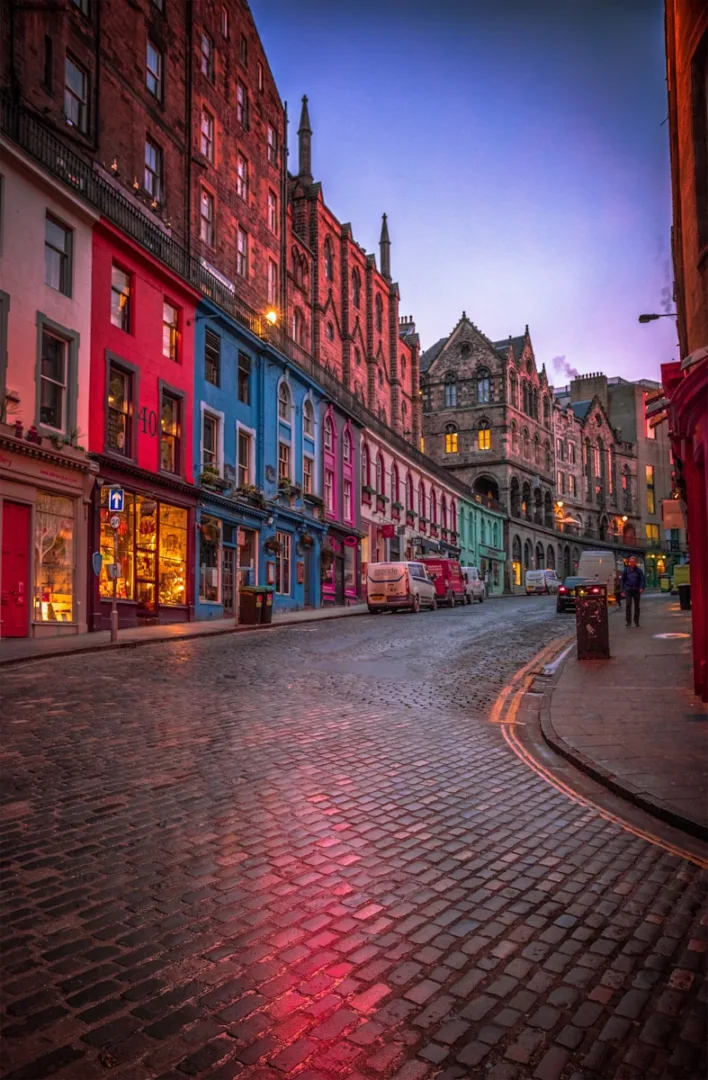
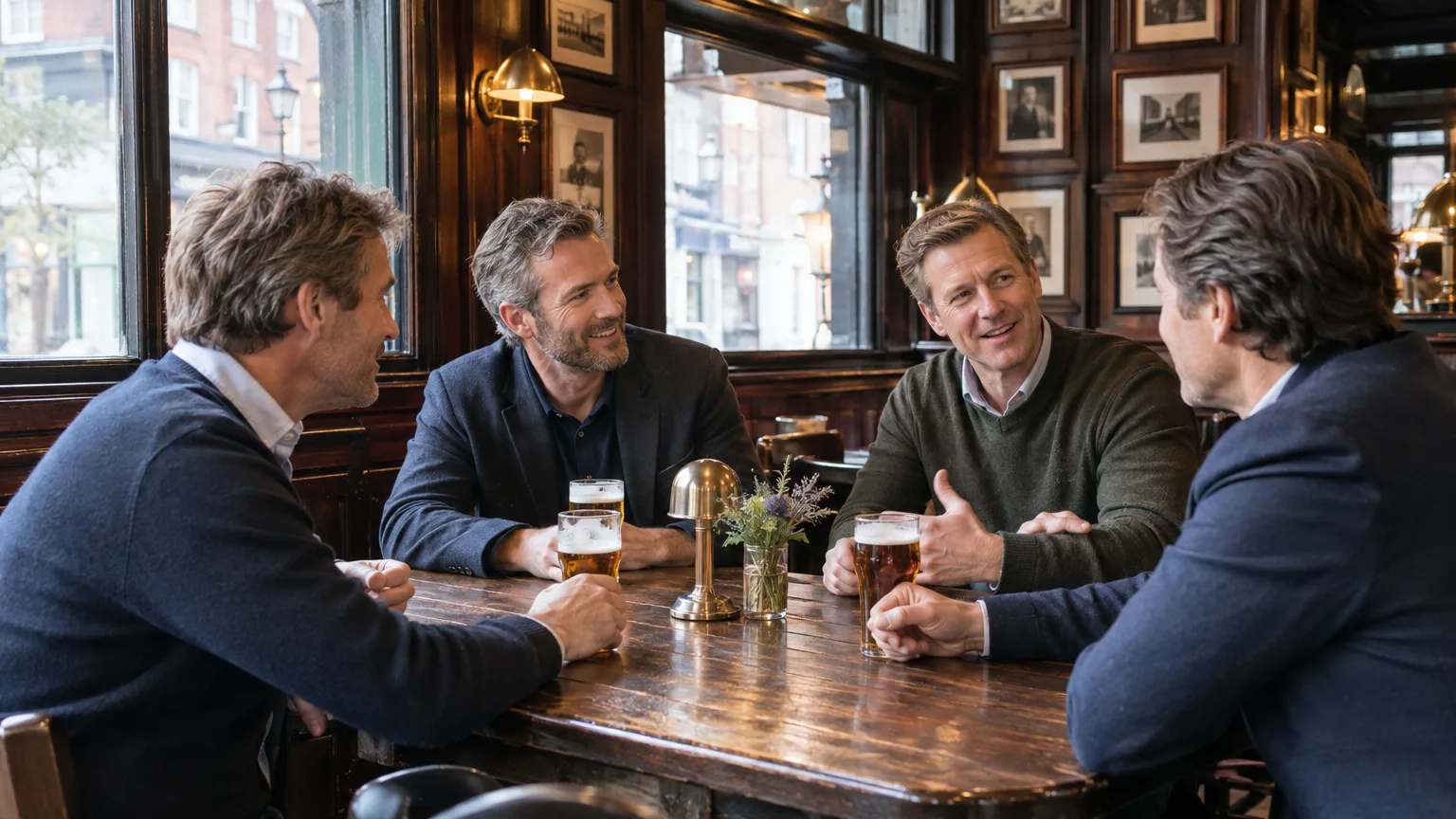
For the real thing, though, go to a proper bar. The Bow Bar on Victoria Street has a serious whisky list and staff who’ll talk you through it without being snobbish. Sandy Bell’s on Forrest Road is the place for folk sessions and a dram. Bennets at Tollcross and the Café Royal behind Princes Street are both worth a visit for their Victorian interiors alone. Ian Rankin fans already know the Oxford Bar, Rebus’s local, which is plain and all the better for it. A word of advice: ask for a recommendation within your budget. Most good bars are happy to steer you towards a fine dram at a fair price, and it isn’t always the oldest bottle on the shelf.
When to go, and how to get there from the rest of the UK
If you want the festival atmosphere, go in August. If you want the city itself, go in May, June or September, when the days are long, the light is lovely and prices are more reasonable. Late autumn and winter have their own appeal, with short days, wood fires and an Old Town that suits a bit of murk. Hogmanay is another big event, and you’ll need to book well ahead.
The train is the civilised way to get there. LNER runs from London King’s Cross to Edinburgh Waverley along the East Coast, and the fastest services take around four and a half hours, with the stretch along the Northumberland coast as a bonus. Lumo runs a lower-cost service on the same route. Avanti West Coast runs from Euston, and the Caledonian Sleeper lets you go to bed in London and wake up in Scotland. Book early for the best fares, particularly in August. Edinburgh Airport is linked to the centre by tram and the Airlink bus.
Bear in mind that Edinburgh has introduced Scotland’s first visitor levy, a 5 per cent charge on overnight accommodation, which applies to stays from 24 July 2026 and is capped at the first five consecutive nights. Check the City of Edinburgh Council’s website for current details before you book.
What does a weekend in Edinburgh cost?
Edinburgh isn’t cheap, but it doesn’t have to cost a fortune outside August. Rough guide prices:
A pint in a city-centre pub: around £6–£7, often more in tourist hotspots and festival bars. A typical restaurant dinner with a drink: about £35–£45 a head at a good mid-range place. A short taxi ride of around 5 km: roughly £12–£16, depending on the time of day.
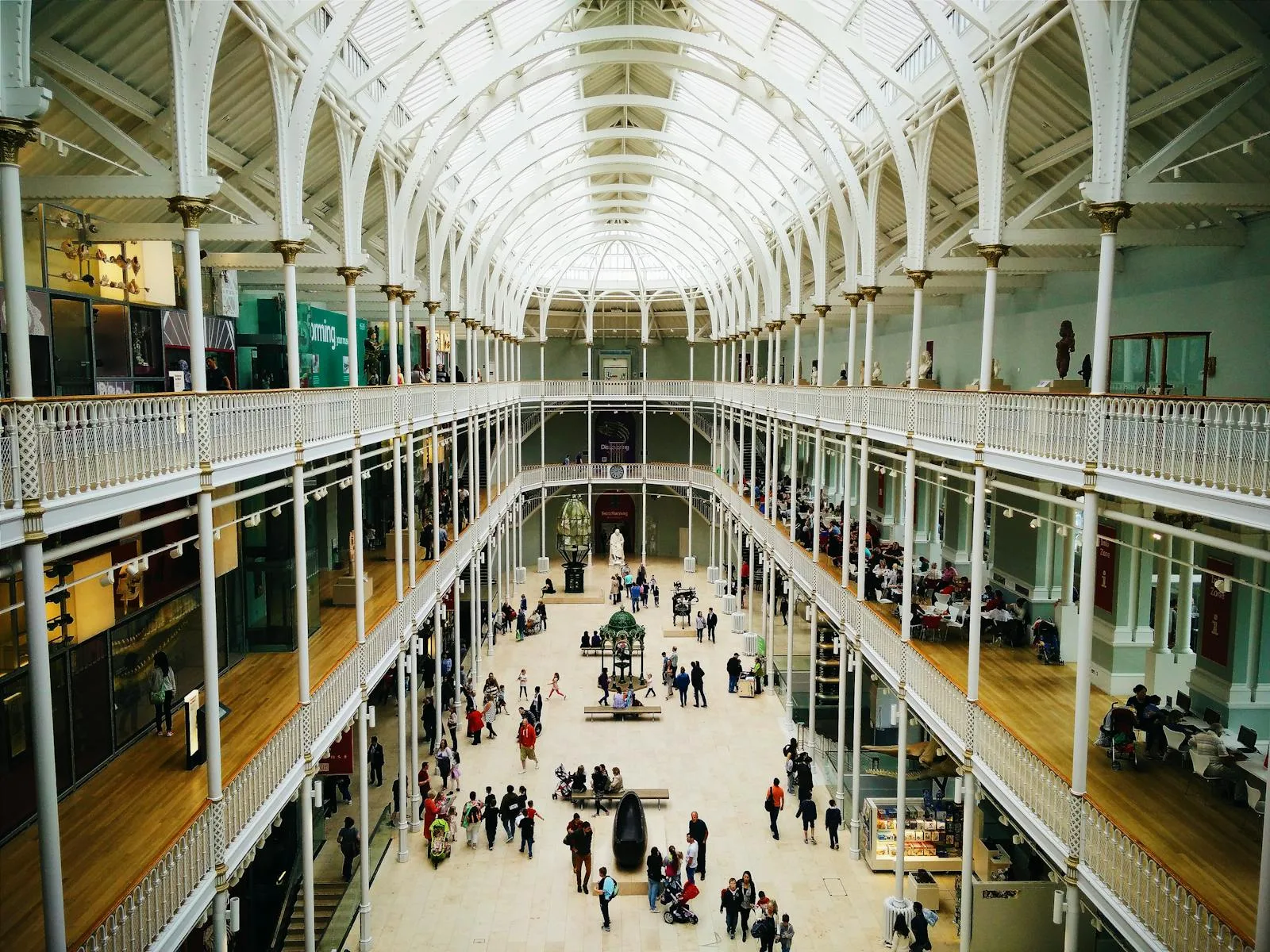
The best things are free: the climb up Arthur’s Seat, the view from Calton Hill, a walk along the Water of Leith through Dean Village to Stockbridge, and the National Museum of Scotland, which is excellent and doesn’t charge for entry. Dinner on the Shore in Leith is usually better value than anything within sight of the Castle. And if a Royal Mile shop is trying to sell you a tartan you’ve never heard of, keep walking.
In short
Edinburgh is worth a return visit because it combines a properly dark history, excellent whisky bars and, in August, the world’s largest arts festival. Do the Fringe as a mix of booked shows and free gambles, but book accommodation early or stay in Leith. For the city at its best, go in late spring or September, take the train up the East Coast and stay off the Royal Mile in the evenings.
Archie Inglis writes about travel for men 45 and over: city breaks, winter sun, road trips, rail journeys, walking holidays and the longer trips you've been putting off. Where's worth going, how to get there without the hassle, and how to make the money go further.
One of Midcent's writers. Spotted something? Write to archie@midcent.uk.
Baroque lanes, a KGB prison and a self-declared republic of artists. Why Vilnius suits a long weekend from the UK, with flights, rough costs and where to spend your time.
Spring is the season for Dubrovnik. Walk the walls, hunt down the Game of Thrones locations and see the old Ragusa beneath the fan tourism, all before the summer crowds arrive.
Fjords, Bach, dark skies, Flemish masterpieces, Lyon’s bouchons and Valletta’s knights: six European breaks you can reach by Eurostar or a short flight, with honest costs in pounds.