Riga beyond the stag do: zeppelins, sprats and stucco
A long weekend in Riga that starts in a food market built from zeppelin hangars, wanders through Europe’s finest Art Nouveau streets and ends with beer by the river.
Reviewed, edited and approved by Editor-in-chief Daniel Sköld · Updated 25 October 2026
Contents
Riga still has a reputation in Britain, and it comes mostly from photos of men in matching T-shirts. That’s a pity, because the Latvian capital is one of the most rewarding cities in Europe for a long weekend. You can buy smoked eel inside a hangar built for German airships, then spend the afternoon looking up at façades so ornate they’d make a Glasgow tenement blush.
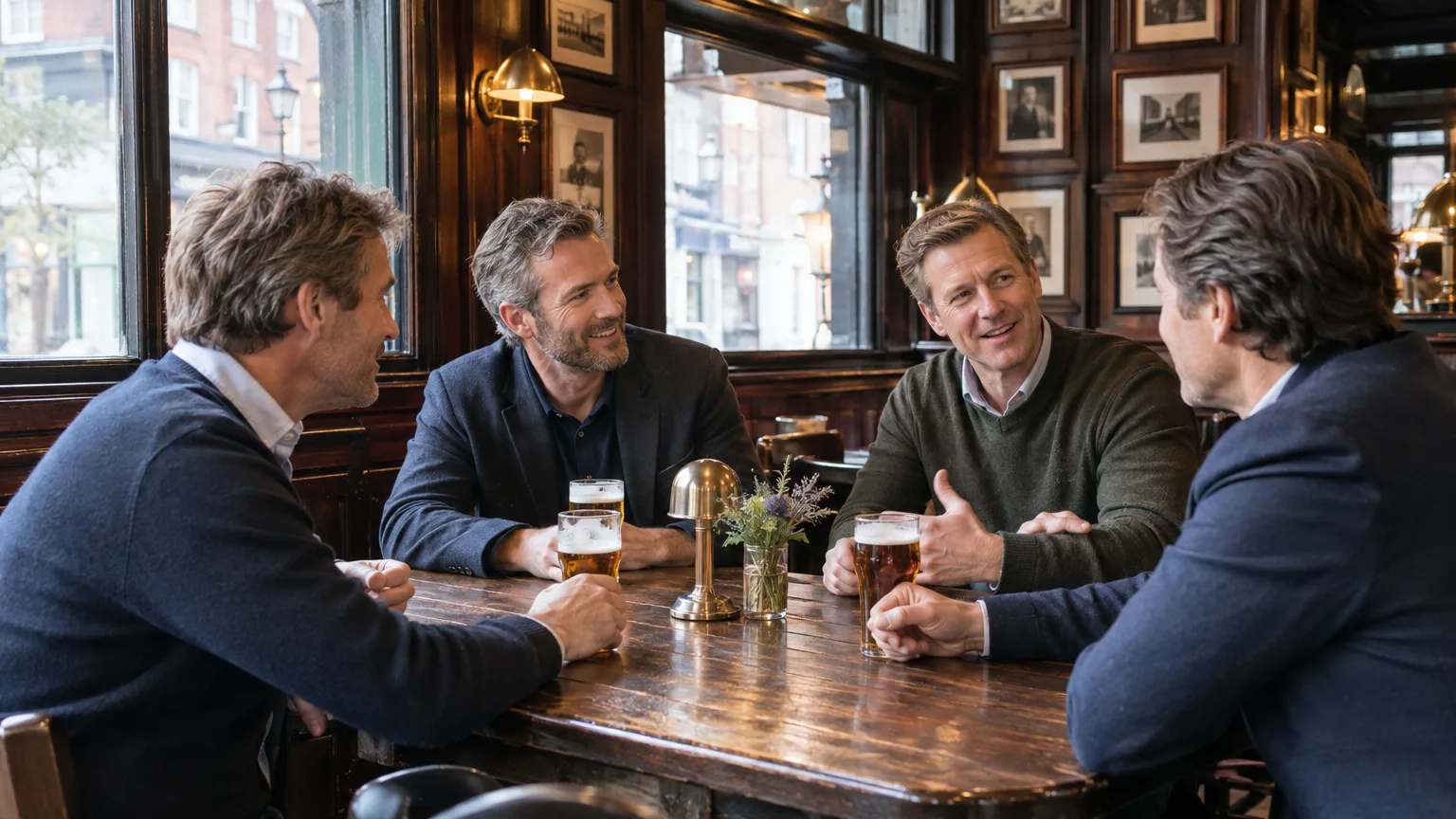
The beer is good, by the way. But it’s the reward at the end of the day, not the reason for going.
AD
How do you get to Riga from the UK?
Riga is about two and a half to three hours from most UK airports, which makes it ideal for a long weekend. Ryanair has run routes from Stansted, Manchester and Edinburgh, and Latvia’s national airline, airBaltic, flies from Gatwick. Schedules change from season to season, so check the airlines’ own sites before you settle on dates. If you book a few weeks ahead outside school holidays, a return fare can come in under £100. Add hand luggage and a Friday evening departure and it climbs fast.
Latvia is two hours ahead of the UK and uses the euro. The airport is only about 10km from the centre. A public bus takes you into town for a couple of euros, or a ride-hailing app such as Bolt gets you to your hotel in about 20 minutes. Good central hotels are often noticeably cheaper than in Edinburgh or Bristol on the same weekend.
Before you book, check the FCDO’s Latvia travel advice and entry requirements on GOV.UK, and make sure your passport meets the EU validity rules. Take your GHIC for state healthcare and buy proper travel insurance, because the GHIC doesn’t replace it.
Saturday morning in the zeppelin hangars
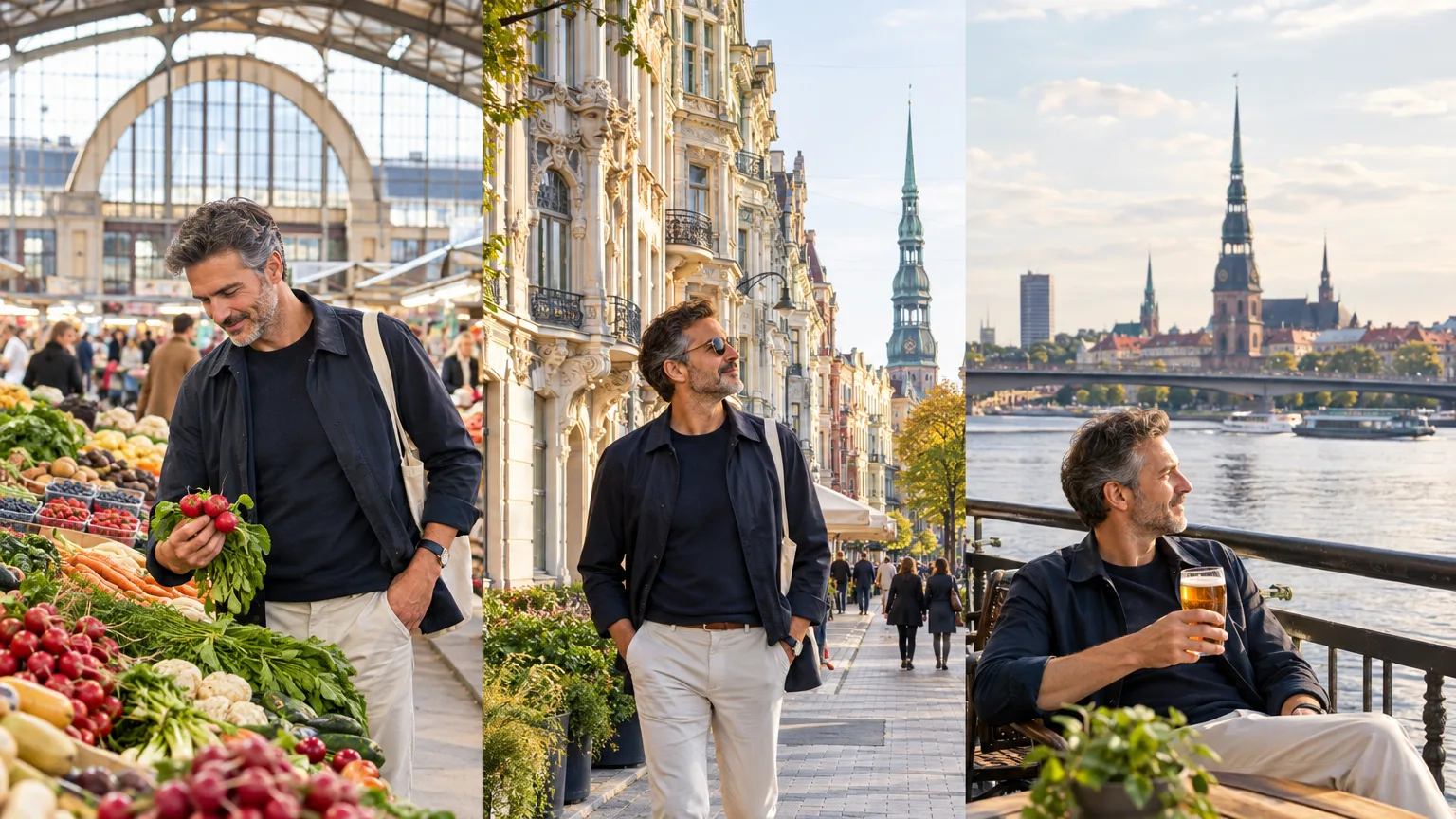
Start at the Central Market, just south of the Old Town by the railway station. It opened in 1930 in five huge pavilions built using the steel frames of German First World War zeppelin hangars. It’s part of Riga’s UNESCO-listed historic centre and is one of the biggest markets in Europe. If you know Leeds Kirkgate Market, picture that with more pickled cabbage, more dill and less polite queuing.
Each pavilion roughly sticks to one trade: meat, dairy, fish, vegetables and general goods. The fish hall is the one to see. You’ll find golden smoked sprats, whole smoked eels, salted herring and tubs of something you’ll want to ask about before eating. In the dairy hall, look for biezpiens, a curd cheese, and dark, slightly sweet Latvian rye bread. That makes a cheap breakfast if you’re happy to eat it standing up.
Behind the market is Spīķeri, an area of old red-brick warehouses converted into cafés, galleries and small venues. It’s a good place for a coffee once your carrier bag smells of fish. Keep your phone and wallet close in the busier halls. It’s no more dangerous than any big market, but it’s no less either.
Where is the best Art Nouveau in Riga?
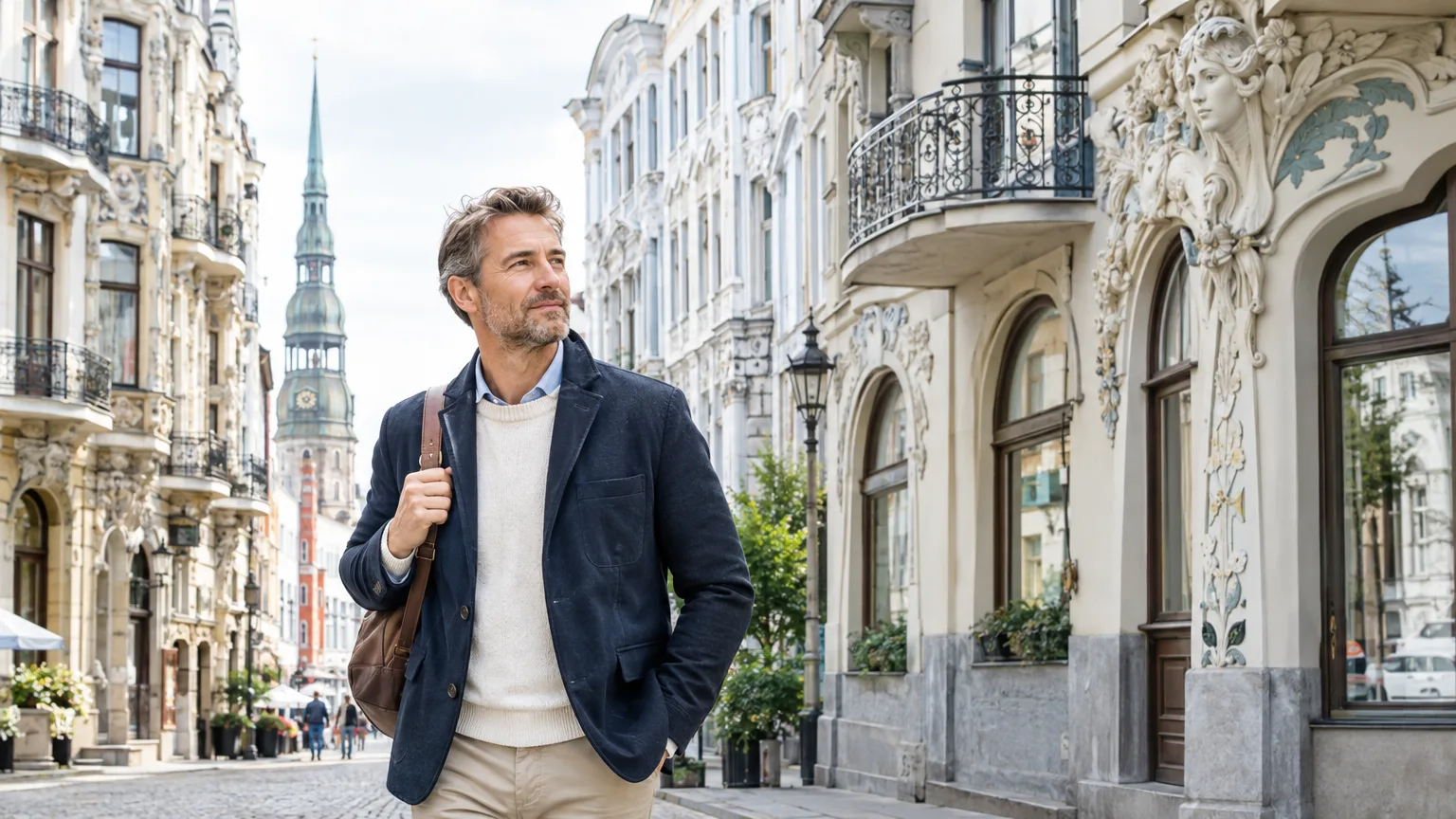
Riga has one of the largest collections of Art Nouveau buildings in the world. About a third of the buildings in the city centre were built in the style, most of them during a building boom around 1900. Glasgow has Mackintosh and some fine Victorian merchant streets. Riga has whole streets that look as if their architects were paid by the gargoyle.
Head for Alberta iela, a short street that packs in more screaming faces, peacocks, sphinxes and stucco maidens than seems reasonable. Many of the most extravagant façades are by Mikhail Eisenstein, a civil engineer and the father of the film director Sergei Eisenstein. Elizabetes iela, around the corner, carries on the theme. Bring a neck brace, or at least a tolerance for walking into lampposts.
In Riga the best views are straight up, and the second best are in the fish hall.
To see what was behind those façades, visit the Riga Art Nouveau Museum at Alberta iela 12. It occupies the former flat of the architect Konstantīns Pēkšēns and has been restored to how a well-off family lived there in the early 1900s. The spiral staircase alone is worth the visit. Check the museum’s current opening hours before you go, because they vary.
AD
The Old Town, and how to avoid its traps
Riga’s medieval core is compact, cobbled and very photogenic. The House of the Blackheads, rebuilt in the 1990s after wartime destruction, is the obvious selfie stop. The narrow streets around St Peter’s Church and the Dome Cathedral are best seen early in the morning, before the tour groups arrive.
The traps are the ones you’d expect. Restaurants with picture menus and staff touting on the pavement around the main squares, especially those offering a “medieval feast”, charge more for less. Some bars that target stag groups have earned a reputation for creative billing. Walk ten minutes in any direction and prices drop while the cooking improves. Anywhere with a short, seasonal menu written in Latvian first is a promising sign.
For a different view of the city, cross the Daugava river to Pārdaugava. Its quiet streets of old wooden houses feel a long way from the Old Town. On Saturdays the Kalnciema Quarter holds a market with local food and crafts, and the restored Āgenskalns Market nearby is a smaller, more local version of the Central Market.
Is Riga still good value for a weekend?
Riga isn’t as cheap as it was 15 years ago, but it’s still good value compared with most western European capitals. Eating well is the main reason. Modern Latvian cooking makes the most of rye, smoked fish, mushrooms, berries and game, and the mid-range restaurants punch well above their prices. At lunchtime, look for business-lunch set menus. They’re often the best deal in town.
Rough prices to plan with, at about 85p to the euro:
A beer: a half-litre of local draught costs roughly €4–6 (about £3.50–£5) in a normal bar, and more on the main Old Town squares.
Dinner: a main course and a drink in a good mid-range restaurant costs roughly €25–35 per person (about £21–£30).
A taxi: a ride of about 5km across the centre booked through an app typically costs €6–10 (about £5–£8.50).
As for that beer by the river, Latvia has a lively craft scene alongside its traditional pale lagers, and Riga has plenty of small taprooms. Try a local beer in the long evening light by the Daugava, then a small glass of Riga Black Balsam, the city’s famously bitter herbal liqueur, if you’re brave. One is a cultural experience. Three is a decision you’ll explain to your GP.
The best time to go is May to September, when the evenings are long and the café terraces are open. Midsummer, around 23–24 June, is Latvia’s biggest celebration. Many locals leave for the countryside, so the city can feel oddly quiet. In December there are Christmas markets and mulled wine, and it gets properly cold.
In short
A long weekend in Riga is easy from Stansted, Manchester, Edinburgh or Gatwick: the flight takes about three hours, and fares are often under £100 return if you book ahead. Spend your mornings at the Central Market in its old zeppelin hangars and your afternoons among the Art Nouveau façades of Alberta iela. Save the beer for the evening, by the Daugava, well away from the Old Town tourist traps.
Archie Inglis writes about travel for men 45 and over: city breaks, winter sun, road trips, rail journeys, walking holidays and the longer trips you've been putting off. Where's worth going, how to get there without the hassle, and how to make the money go further.
One of Midcent's writers. Spotted something? Write to archie@midcent.uk.
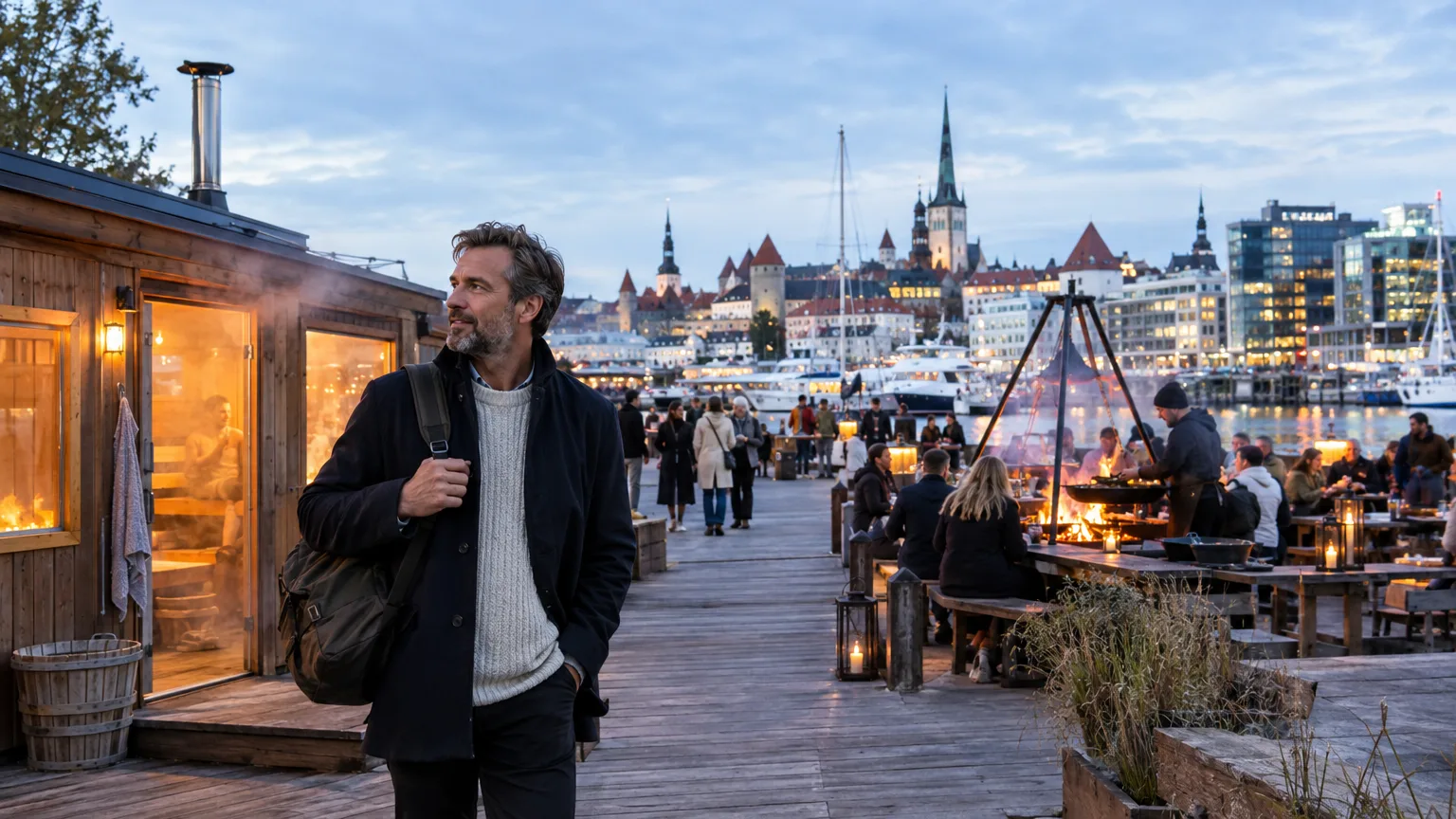
Tallinn’s medieval Old Town gets the postcards, but a long weekend there is better spent in the harbour quarters, the 1928 public sauna and the craft breweries.
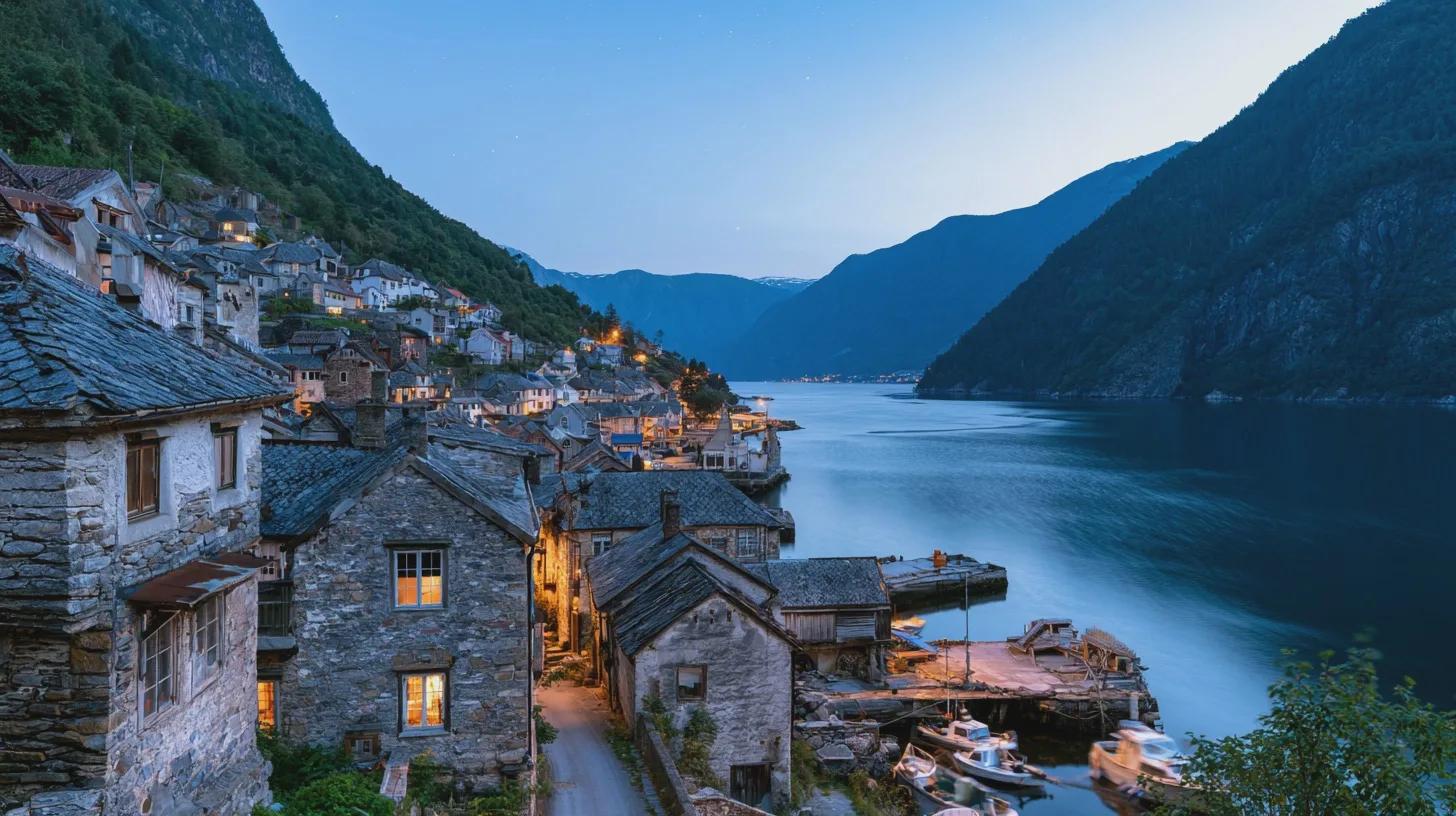
Fjords, Bach, dark skies, Flemish masterpieces, Lyon’s bouchons and Valletta’s knights: six European breaks you can reach by Eurostar or a short flight, with honest costs in pounds.