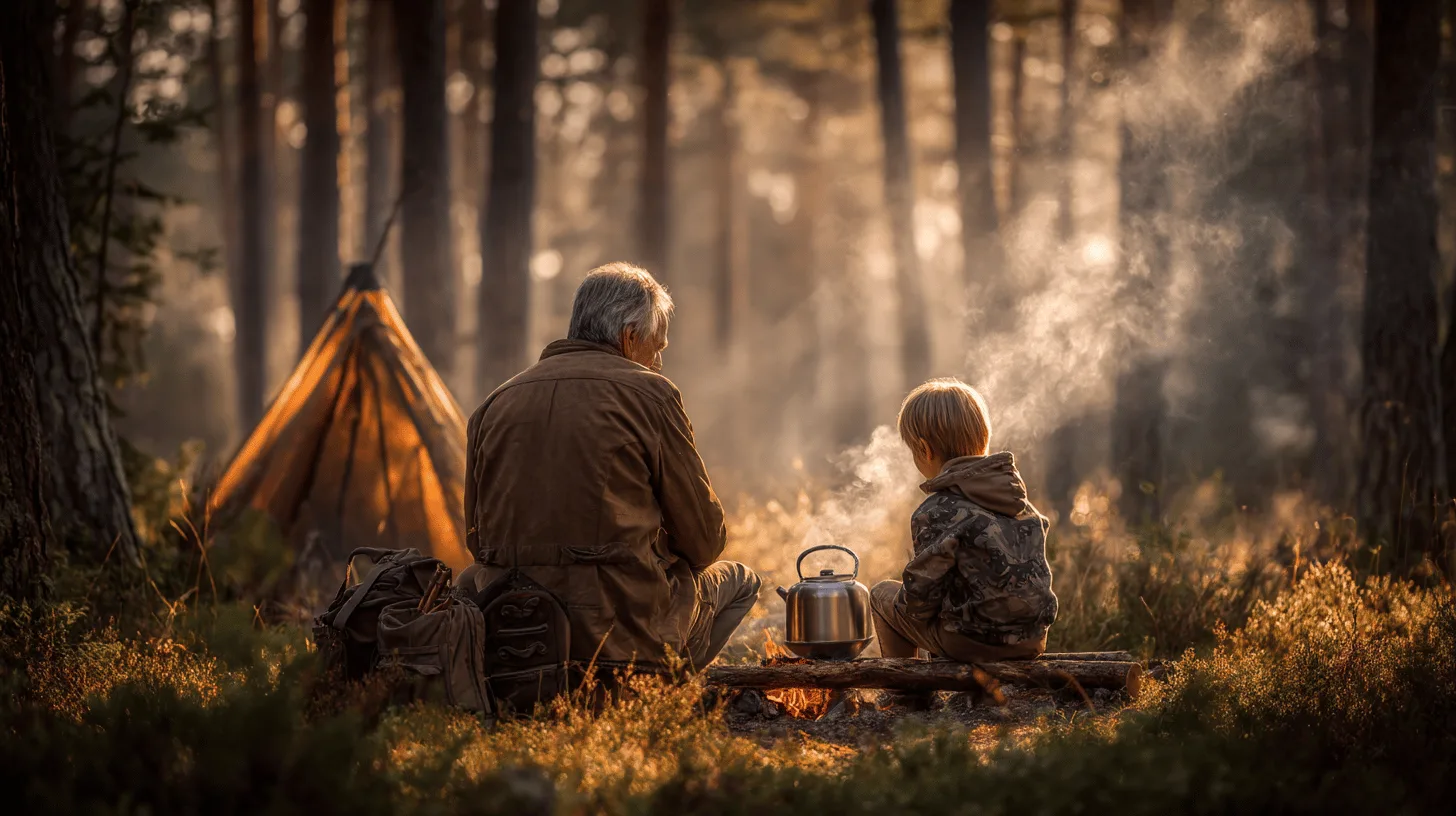
Taking a grandchild camping sounds simple until you remember that you are responsible for the tent, the supper and the child who suddenly needs the loo in the dark. None of that rules it out. It just makes a little planning more useful than a heroic attitude.
For a first trip, forget the remote wilderness. One night on a well-chosen campsite gives you the good bits — torchlight, breakfast outdoors, uninterrupted conversation — with a shower block and a route home if the weather turns vindictive.
Where should you camp with grandchildren?
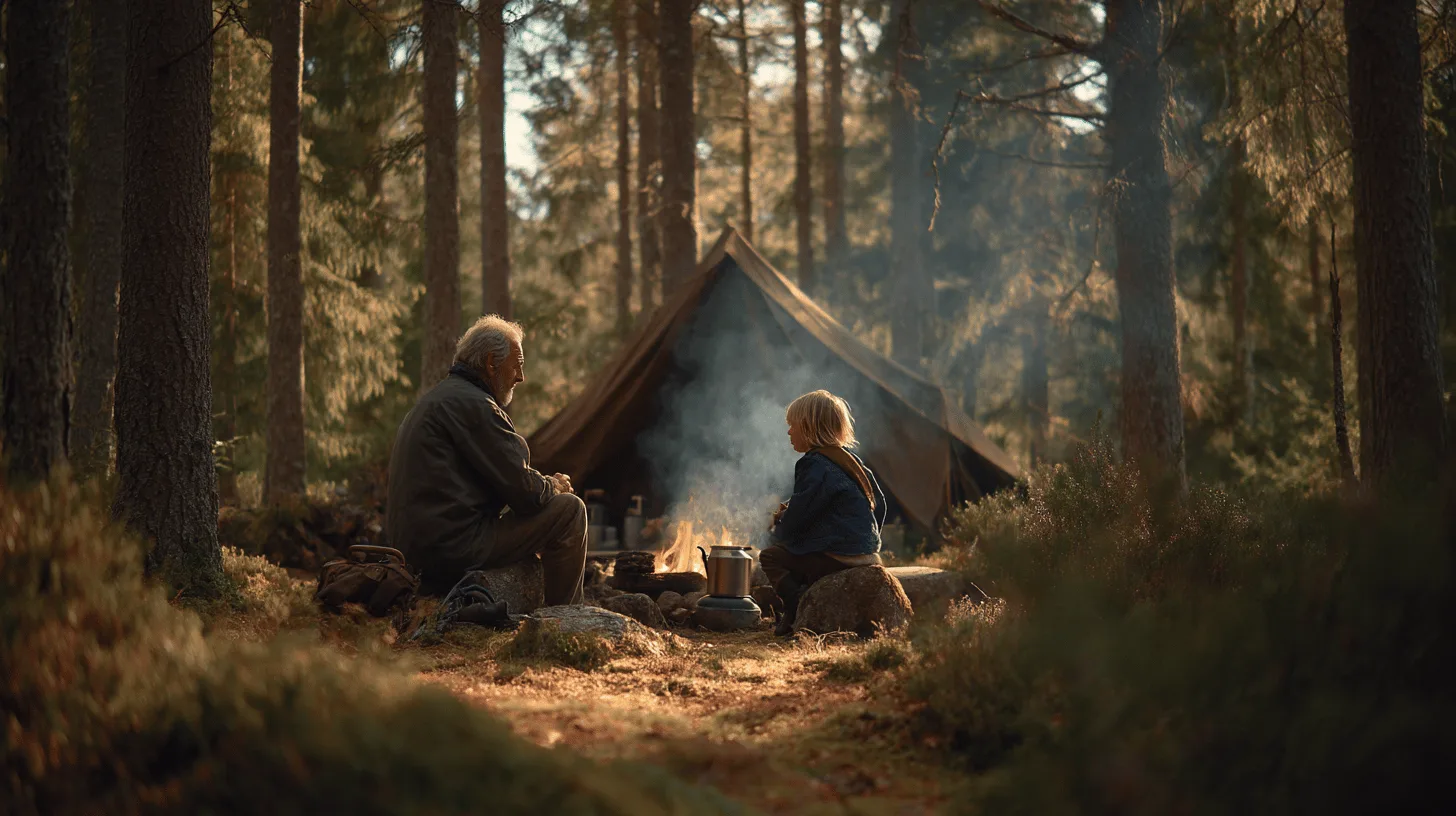
Start close enough to home that leaving early would be disappointing, not a logistical crisis. Choose a site with toilets and drinking water, then check the details that matter to your grandchild: a family shower room for a younger child, level ground for small legs, or a playground for someone who will not be impressed by your opinions on tent pegs.
The Camping and Caravanning Club’s Club Sites are a sensible place to look, but facilities vary. Sandringham, for example, lists tent pitches, family shower facilities and play areas. Check the individual site page rather than assuming every Club Site has the same set-up. Check the minimum stay, too: a site that requires several nights on your chosen pitch is no use for a one-night experiment.
Price the whole trip before joining anything. The Club says its pitch charges vary with site, season, pitch type, membership and party size, so a headline ‘from’ price is not your weekend bill. As listed in October 2026, annual membership started at £56.95; compare that with the non-member booking price if you expect to make only one trip. The Club says children aged five and under stay free on its Club Sites, but enter everyone’s age when you get a quote.
One wrinkle for grandparents: Club membership includes children living in the member’s household. Don’t assume a grandchild living elsewhere is covered by that provision; check the booking arrangements with the Club. And do not confuse its staffed Club Sites with its smaller, member-only Certificated Sites, where toilets and showers are not guaranteed.
If you are tempted by wild camping instead, know which country you are in. In England and Wales, camping may require the landowner’s permission; a right to walk somewhere is not automatically a right to pitch. In Northern Ireland, most countryside land is private, and camping outside designated areas in public forests needs Forest Service permission. Scotland’s access rights generally allow responsible, lightweight camping in small numbers for two or three nights, subject to the Scottish Outdoor Access Code and local restrictions. For a first night with a child, a booked pitch still wins on practicality.
What should you pack for a night in a tent?
Borrow a tent if you can, and pitch it at home before departure. You want to discover a missing pole in your garden, not beside a disappointed eight-year-old at dusk. Allow enough room for sleeping mats and bags without piling damp coats on top of them. A mat matters as much as a sleeping bag: the ground has a remarkable talent for stealing warmth.
Pack a sleeping bag or suitable bedding for each of you, insulating mats, warm nightwear, spare socks, waterproof coats and a complete dry change of clothes for the child. Put bedding and clothes in separate waterproof bags. Bring head torches or torches with working batteries, a first-aid kit, any prescribed medicines, sun cream, water bottles and a bag for wet kit. A familiar pillow or toy earns its space if it helps someone settle.
For one night, make food almost insultingly easy. Sandwiches or a packed supper on arrival, fruit and snacks, then a breakfast you can assemble without negotiating with a stove. If you do cook, practise using the kit first and keep hot food and drinks in adult hands. Ask the child’s parent about allergies, medication and routines before you go; have their contact number and permission to seek help if needed. Agree whether you will send an evening update. You are taking their child away, not disappearing on a covert expedition.
The best camping kit is whatever gets everyone warm, dry and willing to go again.
How do you keep children safe on a campsite?
Before unpacking, show your grandchild the tent, toilets and site reception. Agree a simple rule about where they may go and that they must tell you before leaving the pitch. The Camping and Caravanning Club requires children on its Club Sites to be supervised and accompanied by an adult; its play areas are not supervised. A playground is a useful feature, not childcare with a swing set.
Choose a pitch away from water, busy site roads and obvious trip hazards where possible. Point out guy ropes before dark. Keep a torch beside the sleeping place and footwear where you can find it for the inevitable night-time toilet visit. If your child is young enough to need help in the facilities block, plan for that before both of you are half asleep.
Check the Met Office forecast and warnings before setting off and again during the stay. Pitch away from overhanging or damaged branches and ground where water will collect. A tent is not safe shelter in a thunderstorm: seek a substantial building or car instead. There is no prize for sitting out dangerous weather to prove that Grandad was once in the Scouts.
Cook outdoors, on stable ground, well away from the tent and children. Never bring a stove, barbecue or heater inside a tent, even with the door open: fire and carbon monoxide are serious risks. The Club prohibits campfires on its Club Sites; check current site rules before bringing any barbecue. Keep children close around rivers, lakes and the sea, and make waterside activities a deliberate choice rather than something that happens while you are looking for biscuits.
Let the small things do the work
You do not need a packed itinerary. Give the child a job when you arrive: hold the pole sections, count the pegs or choose where the shoes go. Let them pick between two manageable activities, perhaps a short signed walk or a visit to a nearby village. Choice makes the trip theirs; limiting the options stops the afternoon becoming a committee meeting.
Follow the Countryside Code in England and Wales and the local code in Northern Ireland; in Scotland, follow the Scottish Outdoor Access Code. Leave gates as you find them, give livestock space and take litter away. Look at wildlife without feeding or disturbing it. If you bring a dog, check site rules and keep it under control around animals and other people.
Leave time to do very little. A torch-lit game of cards, listening to rain on the flysheet or spotting the first light outside the tent may be what your grandchild talks about later. Ask what they enjoyed rather than delivering a lecture about fresh air. If they are cold, frightened or miserable, go home. Ending one trip early is better than making it their last.
In short
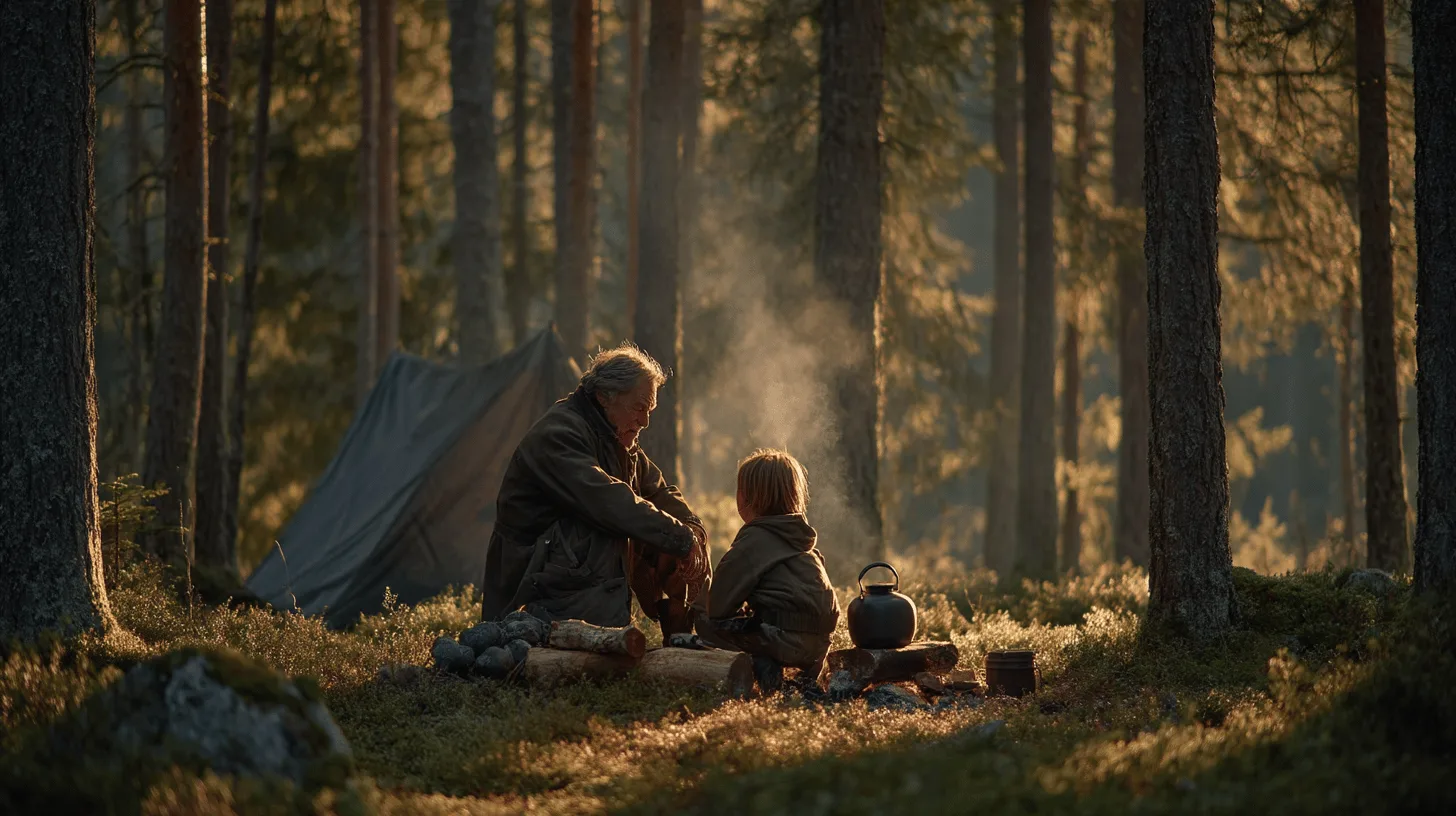
Yes, you can take a grandchild camping without turning it into an endurance test. Book a well-equipped site near home, check the full price and minimum stay, practise with the tent, and prioritise warmth, supervision and a weather escape plan. Keep the first trip short and let the child enjoy the small adventure in front of them.
Sources

Midcent Home & Leisure
Alistair Ives writes about the home and the weekend for men 45 and over: DIY, renovation, the garden, the outdoors and the hobbies worth the time. What a job really costs, what you can do yourself, and when it's worth paying someone who knows.
One of Midcent's writers. Spotted something? Write to alistair@midcent.uk.