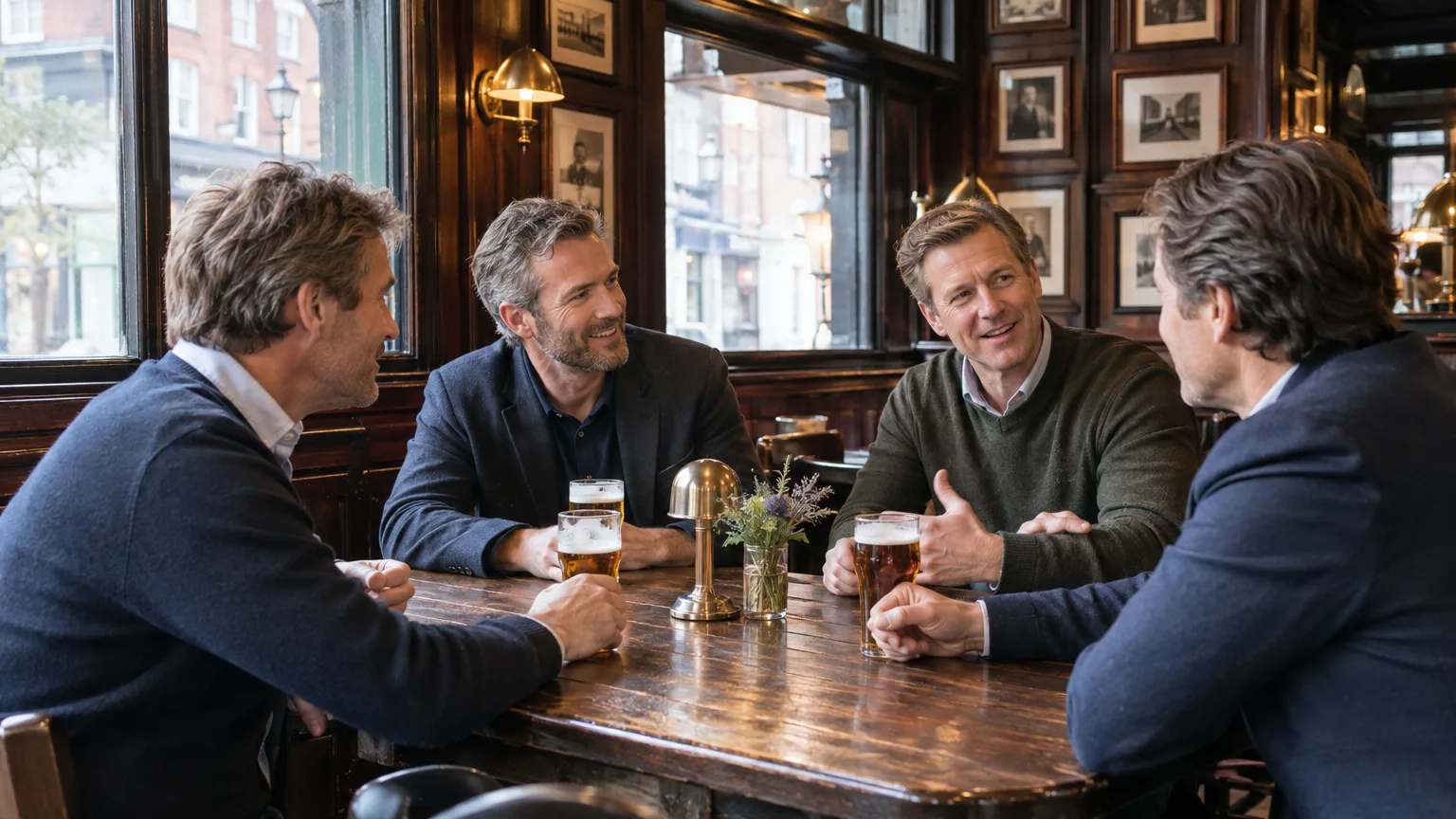
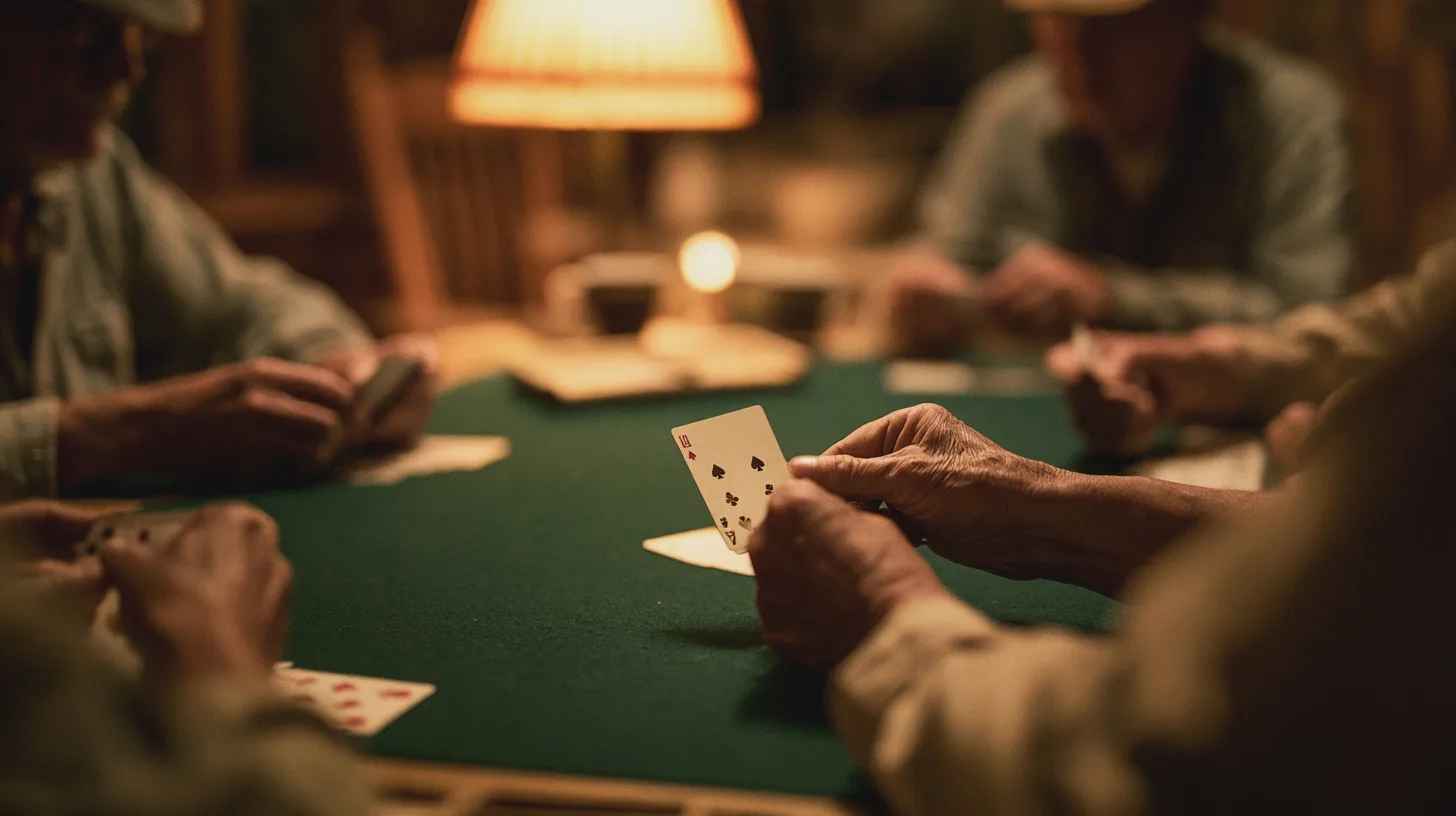
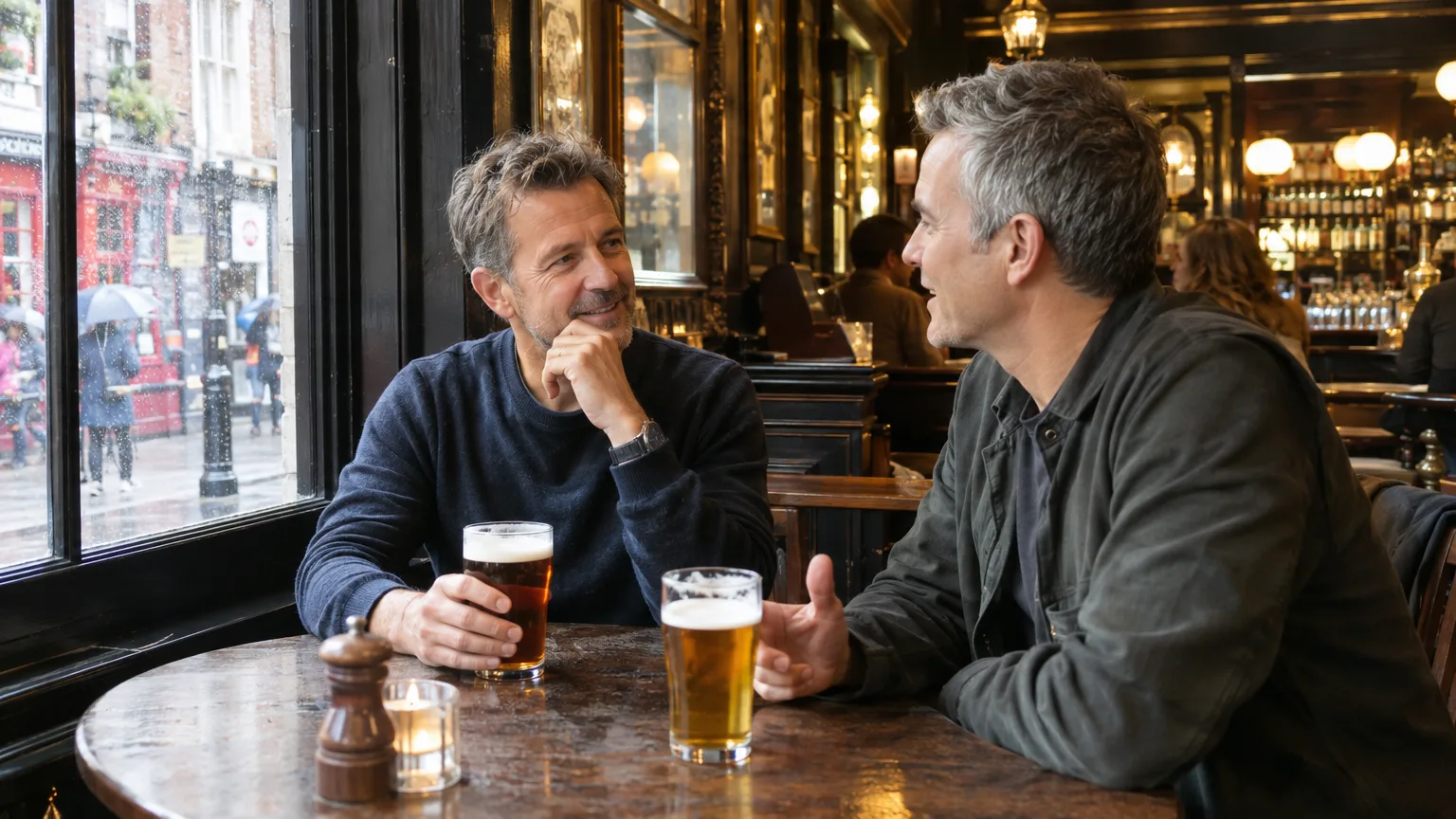
There’s a particular look a man gives when he walks into a pub he last drank in thirty years ago. He checks the bar is where he left it, then the gents, then the faces at the corner table. The faces are where it goes wrong, because the bloke waving at him from that table has gone grey, and it takes a second or two to work out that it’s Dave.
Soho is very good for this kind of meeting. Its best pubs have survived redevelopment, Crossrail, the pandemic and several changes of owner, and they still look roughly as you remember them. That makes them a decent yardstick. Buy the first round, look around and you’ll soon see that the pub has kept itself up rather better than the rest of you have.
Which Soho pubs still feel like old Soho?
Start at the French House on Dean Street. It opened as the Wine House and was later called the York Minster, and the walls are still covered in photographs of the people who made Soho’s reputation for creative misbehaviour. This is the pub where Dylan Thomas is said to have left the manuscript of Under Milk Wood behind, and where the Free French gathered during the war. Beer comes in half pints only. Some say that dates back to sailors breaking pint glasses over each other’s heads in the 1920s. Others say it’s simply to keep people chatting rather than slogging through a pint in silence. Once a year, on 1 April, it pours pints for charity, and Soho turns up for the occasion.
The house rules are still the attraction: no music, no television, and a firm line on mobile phones. Your first instinct will be to check the football score. Resist it, and you’ll find yourself having a proper conversation, which is the whole point of the evening.
A short walk away on Greek Street is the Coach and Horses. For decades it was run by Norman Balon, known as London’s rudest landlord. Jeffrey Bernard drank there and wrote about drinking there, Keith Waterhouse set a play there, and Private Eye held its lunches upstairs. In 2019 the brewery that owns the pub took it back from the tenant who had followed Balon. Regulars campaigned and the papers wrote it up as the end of an era. The building, the bar and the general air of mild disapproval are all still there. Whether the soul survived is something old regulars will happily argue about over a second drink.
What does a pint cost in a central London pub now?
Brace yourself. If you last drank here when a round for four left change from a tenner, the first one is going to sting. In central London a pint now regularly costs well over £6, and £7 or more is common in the West End, especially for craft beer and imported lager. Halves at the French House soften the blow a little, even if the maths doesn’t really work out in your favour.
Rounds are still how it works. A round for four can easily cost £25 to £30 now. That’s one reason the reunion pub crawl has slowed to a reunion pub stroll: two or three pubs, a proper dinner, and nobody pretending they’ll be up for a club afterwards.
The pub is the one at the reunion that hasn’t put on weight, lost its hair or taken up padel.
The conversation changes, even if the carpet doesn’t
The first half hour usually goes the same way. You compete over who remembers most. Who was banned from where. Whose girlfriend threw a drink at whom. Which of the pubs you knew have turned into a Pret, a boutique hotel or a phone shop. Soho has plenty of material for this. The Colony Room Club, the members’ drinking den upstairs on Dean Street, closed in 2008, and most of the strip clubs and late-night dives went long before that.
After the second drink the talk tends to move on. It turns to children who’ve left home, or haven’t. To parents who need looking after. To the job you’re winding down, or the one you’d quite like to start. A pub that has stayed the same is a good place for talking about change, because the room isn’t going anywhere. The old landmarks give you something to steer by, and over a couple of hours the reminiscing turns into a proper catch-up.
Is Clerkenwell a better bet than Soho for a quiet pint?
If Soho on a Friday is more crowd than you can face, head east to Clerkenwell. It has a fair claim to the best pubs in central London for anyone who likes to hear what their friends are saying. The Jerusalem Tavern on Britton Street is the one to know. It’s tiny, dimly lit and full of character, and it’s the London outpost of Suffolk’s St Peter’s Brewery. It keeps quieter hours than the West End, so check opening times before you plan a weekend visit around it.
The area is also a reminder that “changed” doesn’t have to mean “ruined”. Clerkenwell used to be all printers, watchmakers and Smithfield porters. These days it’s architects and designers, and the pubs have adapted without giving up their snugs and their wood panelling.
Making the reunion work: timing, getting there and the bill
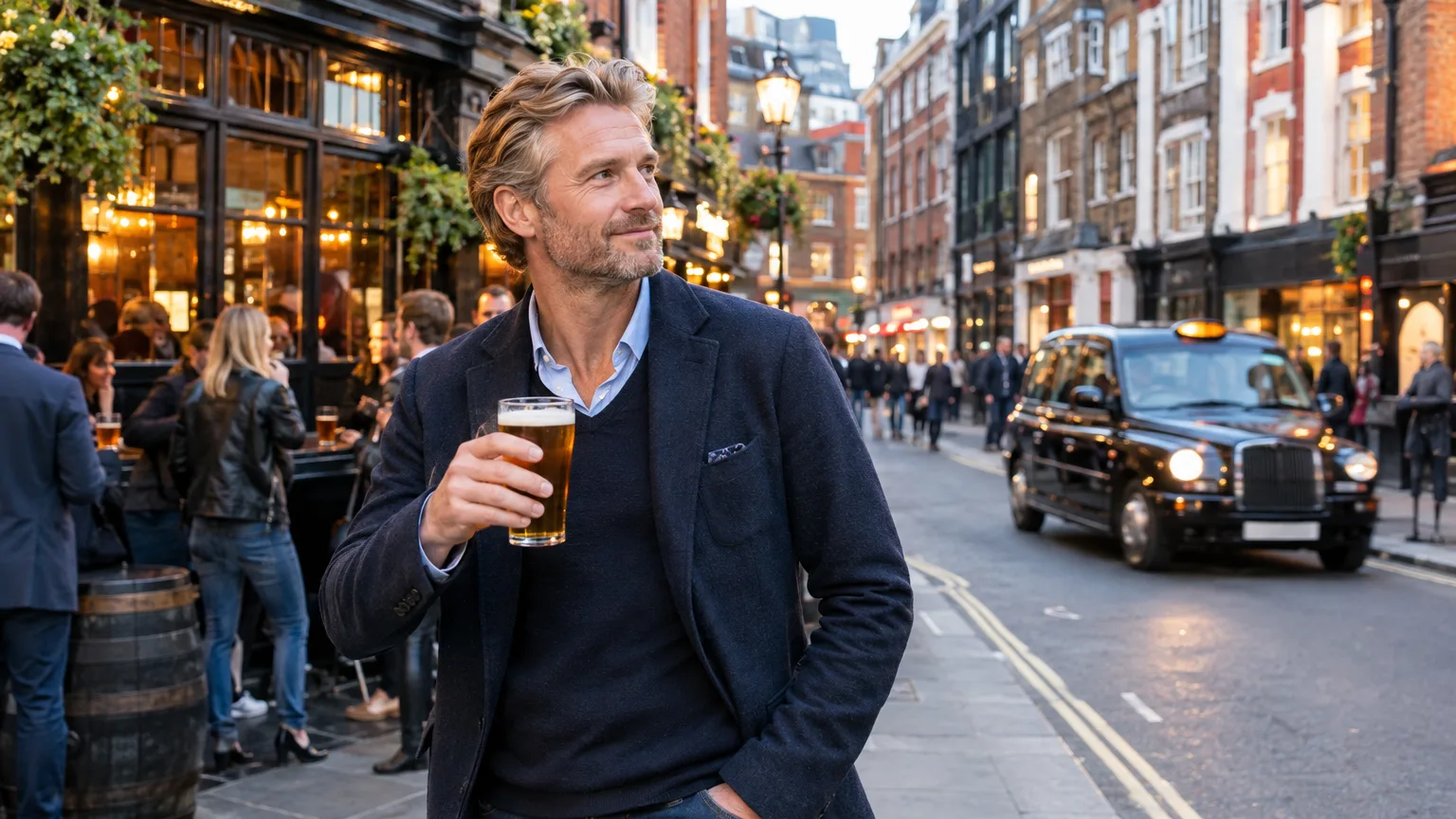
Go on a weekday afternoon if you can. Soho pubs are at their best between about 3pm and 6pm. The lunchtime crowd has gone back to work, the after-work crowd hasn’t arrived yet, and you can actually get a seat. By 7pm on a Thursday or Friday the French House crowd is out on Dean Street, which is a fine place to drink but not the place for a heart-to-heart.
From outside London, it’s worth buying an advance off-peak rail ticket into a London terminal. For Soho, Tottenham Court Road on the Elizabeth line and Northern line is the handiest station. Leicester Square and Piccadilly Circus work too. For Clerkenwell, Farringdon puts you within a few minutes’ walk of most of the good pubs. If anyone is coming from abroad to join you, they should check the latest FCDO advice and entry requirements before travelling.
For eating, Soho’s strength is still small, independent places rather than big chains. Book a table rather than drifting from pub to pub hoping to find one. Drifting worked at 25. At 55 it means eating a kebab on the night bus.
What it costs, roughly: a pint in central London about £6.50 to £7.50, with halves at the French House at about half that. Dinner with a drink in a decent independent Soho restaurant, around £40 to £60 per person. A black cab for a short hop of about 5km, roughly £20 depending on the time of day and the traffic.
In short
For a reunion pint, pick a London pub that has stayed true to itself. The French House or the Coach and Horses in Soho will do it, or the Jerusalem Tavern in Clerkenwell if you’d like to hear yourselves talk. Go on a weekday afternoon, budget £7 or so a pint and book somewhere for dinner. You’ll come for the old stories and stay for the new ones, and you’ll leave with a pretty clear idea of how much has changed, mostly on your side of the bar.
Sources

Midcent Travel
Archie Inglis writes about travel for men 45 and over: city breaks, winter sun, road trips, rail journeys, walking holidays and the longer trips you've been putting off. Where's worth going, how to get there without the hassle, and how to make the money go further.
One of Midcent's writers. Spotted something? Write to archie@midcent.uk.