Reviewed, edited and approved by Editor-in-chief Daniel Sköld · Updated 28 October 2026
Contents
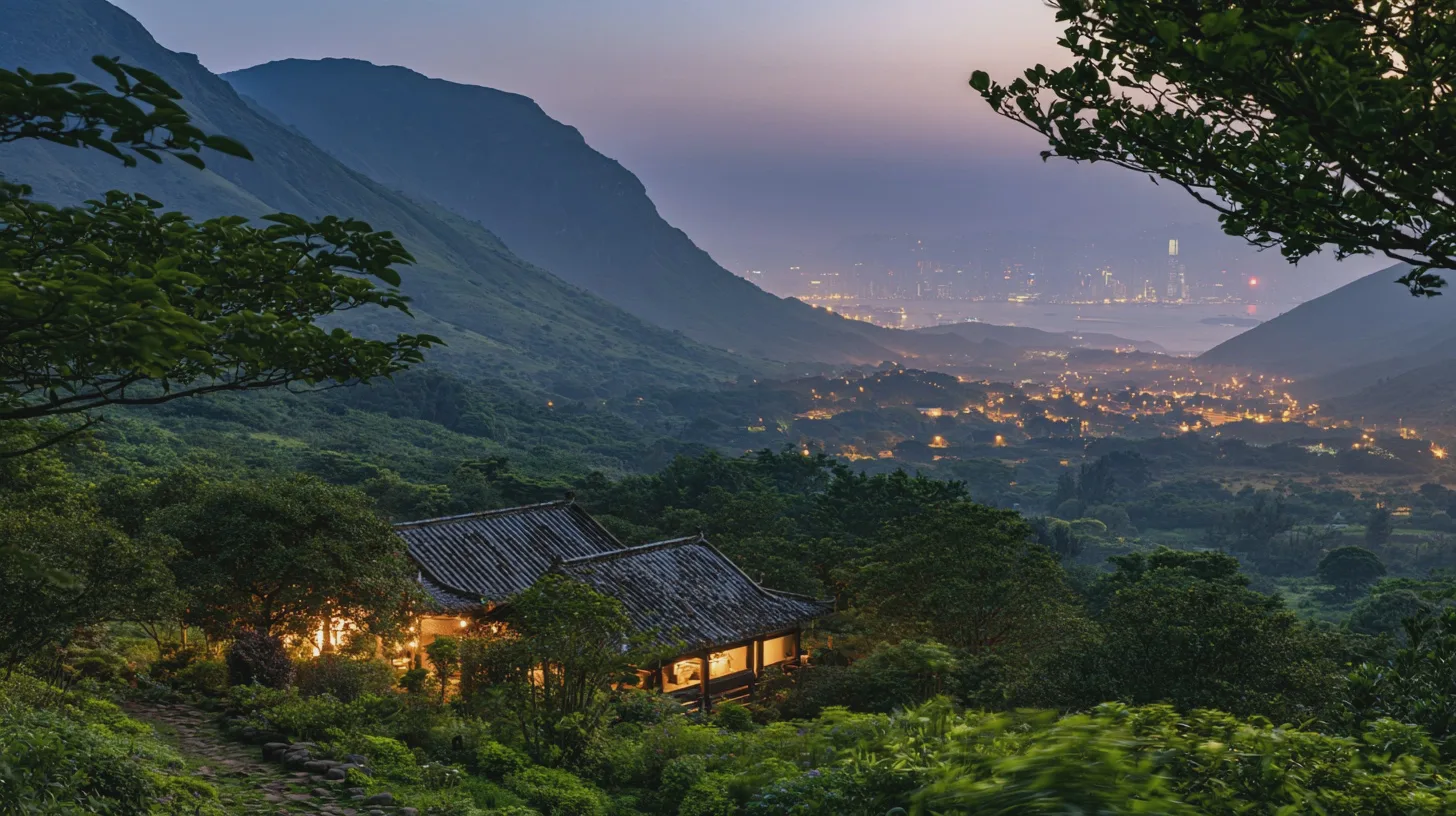
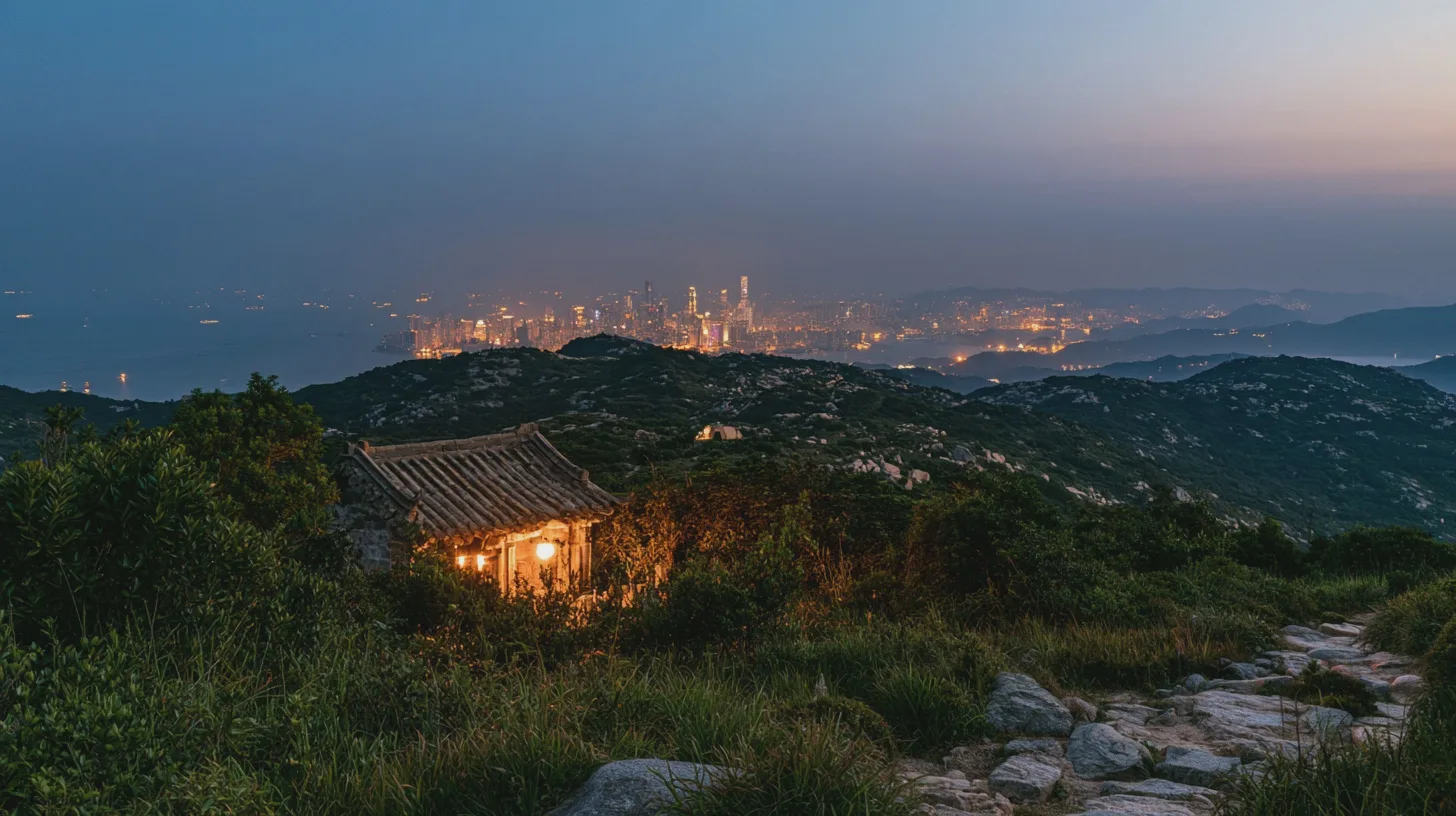
Most people picture Hong Kong as a wall of glass towers, neon and taxis. It’s the sort of place you plan to see from a hotel bar 60 floors up. That picture leaves out the bigger part of the place. Most of the territory is country parks, steep green hills, empty beaches and outlying islands, and much of it is less than an hour from the financial district by public transport.
So the trick to Hong Kong, especially if you’ve already done the rooftop-cocktail version, is to treat the skyscrapers as the starting point. Take a ten-minute ferry, a tram up a cliff and a ridge walk above the South China Sea. Spend the evenings eating dim sum and wandering the night markets. Then the city starts to make sense.
AD
Is the Star Ferry still worth doing?
Yes, and it’s the best bargain in Asia. The Star Ferry has crossed Victoria Harbour between Tsim Sha Tsui on Kowloon and Central on Hong Kong Island since the late 19th century. The green-and-white boats still have the reversible wooden seat backs, so nobody has to ride backwards. The crossing takes about ten minutes and costs a few Hong Kong dollars, well under £1. That makes it cheaper than a bus fare in most British towns, and the view is better.
Go twice. The first time, go in daylight, when you can see the sampans, barges and the odd junk among the container traffic. The second time, go after dark, when the island’s skyline is lit up from one end to the other. If you take the ferry, you can skip the harbour cruises sold along the Tsim Sha Tsui promenade. You’ll see the same skyline at a fraction of the price, and the bar won’t be an extra.
How do you beat the queues for the Victoria Peak tram?
The Peak Tram has been hauling people up the side of Hong Kong Island since 1888. The current trams arrived after a major upgrade in 2022. The gradient is steep enough that the tower blocks out of the window look as though they’re leaning over. A return ticket costs roughly HK$90 (about £9). On weekends and clear evenings, though, the queue at the Garden Road terminus can take longer than the ride.
Go early in the morning, ideally on a weekday. Or go up by tram and come down by bus or taxi, or the other way round. At the top, ignore the shopping mall and the paid viewing terrace. Walk the Lugard Road loop instead. It’s a flat circuit of about an hour, partly on a path built out from the cliff on supports, and it gives you the classic view over the harbour towards Kowloon for nothing. If your knees are up to it, walk all the way down the steep Old Peak Road. You’ll finish in Central needing a beer.
The best view of Hong Kong’s skyline isn’t from a rooftop bar. It’s from a hill you’ve had to sweat your way up.
What is the Dragon’s Back hike really like?
Dragon’s Back is the walk everyone recommends, and for once that’s deserved. The route is part of the long-distance Hong Kong Trail. It follows a rippling ridge in the south-east of Hong Kong Island, with the sea on both sides, Shek O village and its beach below, and paragliders drifting past if the wind is right. It’s moderate rather than heroic. Allow three to four hours to reach Big Wave Bay at a steady pace, with stops for photos and water. There’s one sharpish climb near the start, then a long, gently undulating ridge, followed by a descent through woodland.
Getting there is easy. Take the MTR to Shau Kei Wan, then the number 9 bus towards Shek O, and get off at the trailhead on Shek O Road. Tell the driver if you’re unsure where to stop. The ridge has almost no shade, so take more water than you think you need, a hat and sun cream. Avoid the middle of the day in summer, when heat and humidity make it a slog. Finish at Big Wave Bay for a swim, or take a taxi to Shek O for seafood and a cold bottle of Tsingtao on a plastic stool.
Once you’ve got a taste for it, there’s more. The 100km MacLehose Trail crosses the New Territories, Lion Rock overlooks Kowloon, and the Sai Kung peninsula has beaches that don’t look like anywhere a city of seven million people would be.
AD
Temples, islands and the night shift
For the old city among the new, start at Man Mo Temple on Hollywood Road. Coils of incense hang from the ceiling and smoke away slowly, and the antiques dealers along the street are fun to browse even if you don’t buy anything. Further out, a ferry from Central takes you to Lamma Island. There are no cars, and you can walk between the two ferry villages, Yung Shue Wan and Sok Kwu Wan, in about an hour and a half. Seafood restaurants line the waterfront at the end. On Lantau, the Big Buddha at Ngong Ping is the famous sight. The stilt-house fishing village of Tai O is the quieter, better-smelling pay-off.
Hong Kong’s food is the other reason to come. Have dim sum at breakfast or lunch, in a busy, noisy teahouse rather than a hotel restaurant, and take the trolleys or the tick-box menu in your stride. In the evening, the Temple Street Night Market in Yau Ma Tei is more about the clay-pot rice and street seafood stalls than the fake watches. The Ladies’ Market in Mong Kok is for people-watching, not bargains. Lan Kwai Fong in Central is loud, young and expensive. A cha chaan teng café, with milk tea and a pineapple bun, is the more interesting choice.
When to go, how to get there and what it costs
October to December is the sweet spot, with clear skies, low humidity and good walking weather. Spring is often murky and damp, and summer, roughly June to September, is hot, sticky and typhoon season. Cathay Pacific and British Airways both fly non-stop from Heathrow, and the flight takes roughly 13 hours. From Manchester and other regional airports, you’ll usually connect at Heathrow or go one-stop through a Gulf hub. The Airport Express gets you into Central in under half an hour. An Octopus card covers the MTR, buses, trams, ferries and even 7-Eleven. Before you go, check the latest FCDO travel advice and entry requirements for Hong Kong, and make sure your passport has enough validity left. Your GHIC isn’t valid outside the EU, so proper travel insurance is essential.
Rough costs, at around HK$10 to £1: a pint in a Central bar is HK$70–90 (£7–9), less during happy hour and far less from a convenience store. Dinner at a decent mid-range restaurant is about HK$250–400 (£25–40) per person, though you can eat brilliantly at a noodle shop for HK$60 (£6). A 5km ride in a red urban taxi costs around HK$60–70 (£6–7). Hotels are the expensive part, so it’s worth spending less on the room and more on the dumplings.
In short
Hong Kong is at its best when you use the skyline as a backdrop instead of the destination. Ride the Star Ferry by day and night, go up to Victoria Peak early and walk the Lugard Road loop, and give a cool autumn morning to the Dragon’s Back ridge before a swim at Big Wave Bay. Add dim sum, a temple, an island ferry and a night market, and you’ll have seen a city most rooftop-bar visitors miss.
Archie Inglis writes about travel for men 45 and over: city breaks, winter sun, road trips, rail journeys, walking holidays and the longer trips you've been putting off. Where's worth going, how to get there without the hassle, and how to make the money go further.
One of Midcent's writers. Spotted something? Write to archie@midcent.uk.
Fjords, Bach, dark skies, Flemish masterpieces, Lyon’s bouchons and Valletta’s knights: six European breaks you can reach by Eurostar or a short flight, with honest costs in pounds.
Hot springs in Bath, Riesling in Colmar or Silvaner on a Würzburg bridge: three small cities that look their best in autumn, and how to reach each by train from London.
A long weekend in Riga that starts in a food market built from zeppelin hangars, wanders through Europe’s finest Art Nouveau streets and ends with beer by the river.