Dubrovnik in spring: King’s Landing without the queue
Spring is the season for Dubrovnik. Walk the walls, hunt down the Game of Thrones locations and see the old Ragusa beneath the fan tourism, all before the summer crowds arrive.
Reviewed, edited and approved by Editor-in-chief Daniel Sköld · Updated 23 October 2026
Contents
Dubrovnik is a city that has been besieged, shaken by earthquakes, shelled, and then, worst of all, discovered by television. Between 2011 and 2019 its Old Town stood in for King’s Landing, the scheming capital of Game of Thrones. The fans still come to climb the steps where Cersei did her walk of shame, and they mostly come in July, when the limestone streets get hot enough to grill a sardine on.
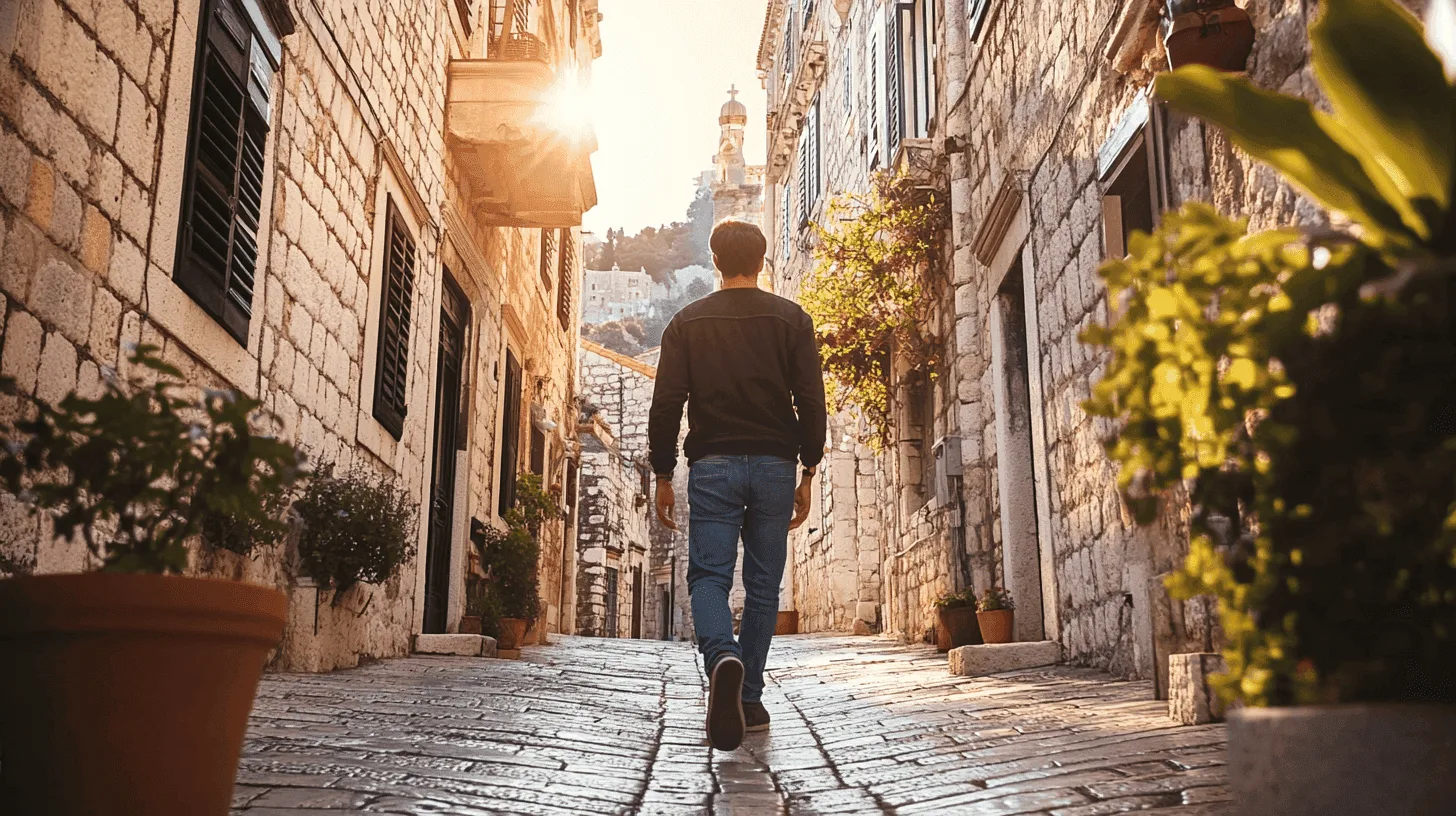
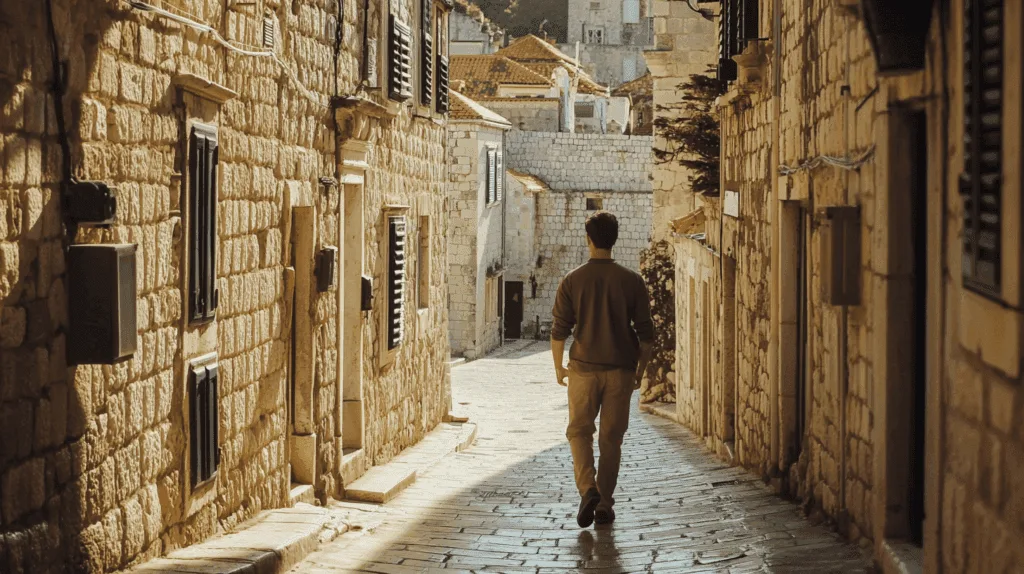
Go in April or May instead. The sea is still a bit cold for a swim but fine for looking at. The walls are walkable without a heatstroke plan, and you can stand on the Jesuit Stairs and work out which way the camera was pointing without somebody’s selfie stick going up your nose.
AD
Is Dubrovnik worth visiting in spring?
Yes, and I’d argue it’s the best time to go. The main season for the city walls starts in March, so everything is open, but the long-haul tour groups and the full summer flight schedules haven’t yet piled in. Daytime temperatures are usually mild enough to walk the full circuit of the walls in comfort. Doing that in August, at midday, is mostly an exercise in sweating.
Crowds don’t disappear completely. Cruise ships call in spring too, and the city has spent years trying to manage how many passengers arrive at once. The pattern hasn’t changed. Day-trippers flood the Stradun, the polished main street, from mid-morning to late afternoon and then vanish. So do your sightseeing early and late, and keep the middle of the day for a long lunch away from the Old Town or a boat out to Lokrum.
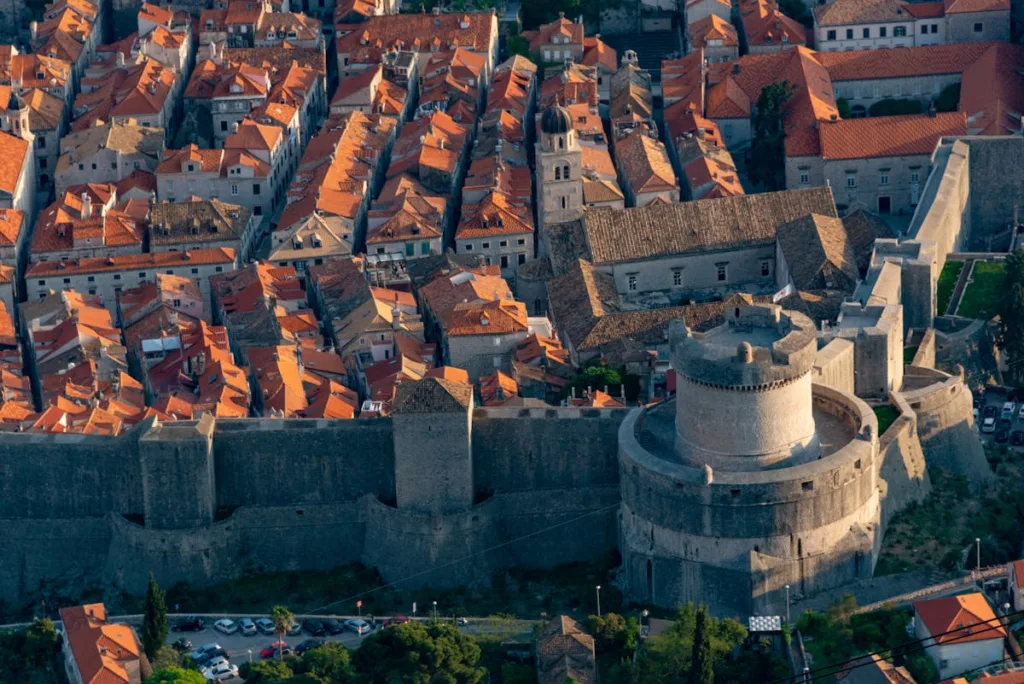
The walls are the one thing you shouldn’t skip. The circuit is just under 2km and takes about an hour and a half to two hours with photo stops. Along the way you look down into back gardens, washing lines and the odd basketball court squeezed in between medieval houses. An adult ticket costs €40 (about £34) in the main season, and it also gets you into Fort Lovrijenac. Buy it at the entrances or from the official ticket shop, because third-party sellers add a commission. Go when the gates open and you’ll have long stretches to yourself.
Where was Game of Thrones filmed in Dubrovnik?
Dubrovnik played King’s Landing from the second series to the last, and the good news for fans is that almost every location is within a 20-minute walk. Start at the Pile Gate, the main western entrance. This is where Jaime Lannister and Brienne of Tarth return to the city after his unfortunate business with the hand. Just outside it, on its own rock above the sea, is Fort Lovrijenac. You’ll know it as the exterior of the Red Keep, and since it’s included in your walls ticket, it’s the best-value bit of fan tourism in town.
From there, walk down to the West Harbour and the pier below the walls, which played Blackwater Bay. Gradac Park, a scruffy, pleasant patch of pines just outside the walls, was where they filmed the Purple Wedding, the feast at which King Joffrey finally got what was coming to him. The big one is the Baroque Jesuit Staircase climbing up from Gundulić Square, scene of Cersei’s walk of shame. People do stand at the top shouting the line. Brace yourself.
The Jesuit Stairs were built for the faithful, made famous by a fictional queen, and now mostly carry men of a certain age trying to remember which series it was.
Then take the short ferry from the Old Port to Lokrum. The wooded island was used for Qarth in the second series, and a replica of the Iron Throne sits in the old Benedictine monastery. The real reason to go, though, is the island itself. Peacocks wander about, there’s a botanical garden, rocky swimming spots, and you can’t stay overnight, so the evenings belong to the birds. Guided Game of Thrones walking tours are everywhere. If you’ve watched the series properly, a map and a free morning will do just as well.
AD
The city that was famous before the dragons
The irony is that Dubrovnik needed no help from HBO. For centuries it was the Republic of Ragusa, a small, rich, very diplomatic maritime state that survived between Venice and the Ottomans by trading cleverly and paying tribute when it had to. You can see the results in the Rector’s Palace and in the Franciscan monastery, home to a pharmacy that has been running since the 14th century. It’s one of the oldest in Europe.
The recent history is harder going and worth facing. During the siege of 1991–92 the Old Town was shelled, and the new roof tiles you can see from the walls show where the damage fell. War Photo Limited, a gallery just off the Stradun, puts the photojournalism of conflict on the walls and isn’t easy viewing. Up on Mount Srđ, the Imperial Fortress houses a museum about the Homeland War. You can reach it by cable car in about four minutes for around €27–30 return (£23–26), or walk up the zigzag path, which is steep but worth it on a cool spring morning. The view of the Old Town from the top is the one on every postcard, and seeing it in the flesh still lands.
If you have a car or a spare half-day, Trsteno Arboretum up the coast also features in the series. It’s a Renaissance garden that’s worth visiting for itself, whether or not you can name a single Lannister.
How do you get to Dubrovnik from the UK?
Direct flights take roughly two and a half to three hours. Several UK airports have seasonal routes with carriers including British Airways, easyJet and Jet2, and schedules usually build up from spring, so check what’s flying from your local airport before you set your dates. Dubrovnik airport is at Čilipi, about 20km south of the city. Buses timed to meet flights run into town, and a taxi takes around half an hour.
Croatia uses the euro and is in the Schengen area. Before you book, read the FCDO travel advice for Croatia on GOV.UK for the current entry requirements and the EU’s new digital border checks, and make sure your passport meets the issue-date and validity rules. Take a GHIC for state healthcare and buy proper travel insurance, because the GHIC isn’t a substitute for it.
Where to eat: the restaurants on the Stradun and the squares around it charge for the view and don’t always deliver on the plate. Head for the side streets climbing away from the main drag, or out to Gruž, where the morning market and the port feel like a working town. The Buža cliff bars, reached through holes in the sea wall, are a tourist cliché, but they still earn a drink at sunset.
What it costs: Dubrovnik is one of the dearest cities on the Adriatic. Roughly, expect €6–8 (£5–7) for a half-litre of beer in the Old Town, around €35–50 (£30–43) a head for dinner with a glass of wine, and about €15–20 (£13–17) for a 5km taxi ride. If you plan to see a lot, the Dubrovnik Pass bundles the walls, museums and local buses.
In short
Spring, especially April and May, is the best time to visit Dubrovnik: everything is open, the weather suits walking and the summer crowds haven’t arrived. Walk the walls when they open, then follow the Game of Thrones trail from the Pile Gate and Fort Lovrijenac to the Jesuit Stairs and Lokrum. Make time for the Ragusan and 1990s history too. Seasonal direct flights leave from several UK airports, but check the FCDO’s Croatia advice on GOV.UK before you go.
Archie Inglis writes about travel for men 45 and over: city breaks, winter sun, road trips, rail journeys, walking holidays and the longer trips you've been putting off. Where's worth going, how to get there without the hassle, and how to make the money go further.
One of Midcent's writers. Spotted something? Write to archie@midcent.uk.
March is Amsterdam’s quiet spell: Eurostar runs direct from St Pancras, the canals are calm and Keukenhof opens late in the month. Here’s how to time it.
Prague in April and May means orchards in blossom, castle gardens reopening, a world-class music festival and beer gardens with views. Here is how to do it properly.
Why April and May are the best time to visit Istanbul: tulips, Judas trees, spring artichokes and the cheapest intercontinental commute in the world, all about four hours from the UK.
Croatia’s islands look made for a yacht, but you needn’t own one. Here’s when a flotilla earns its price, what the extras cost, and when to take the ferry.