At some point in the last few years, the humble supermarket sandwich became a moral issue. Ultra-processed food, or UPF, is now blamed for everything from the nation’s waistline to the state of your gut. Some people go further and treat a packet of crumpets like it’s radioactive.
So here’s the calm version. What counts as ultra-processed, what the science can and can’t tell you yet, and what a man in his late 40s or 50s can sensibly do about it, preferably without spending his weekends making sourdough.
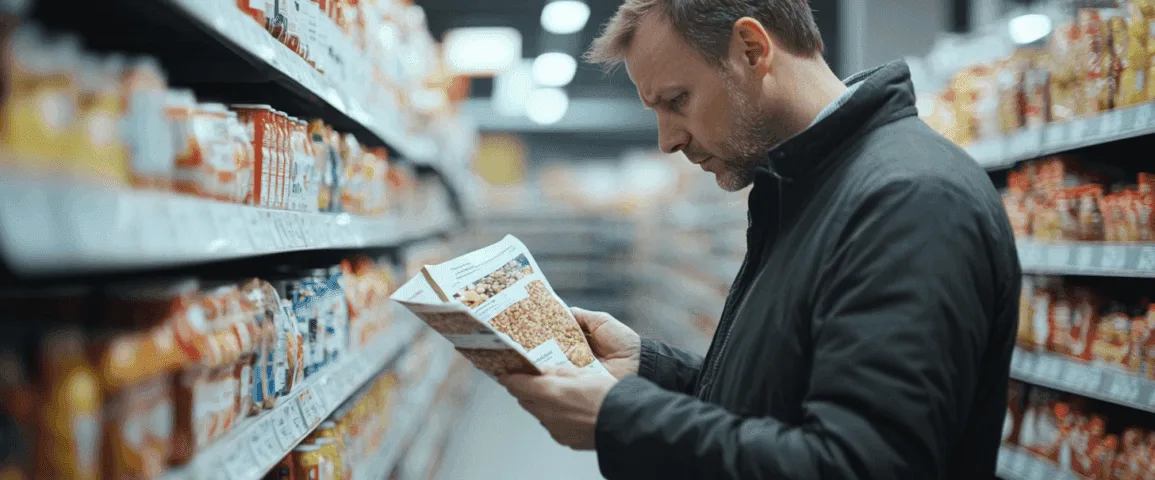
What actually counts as ultra-processed food?
Most researchers use the NOVA system, which sorts food into four groups by how much it has been processed. At one end you have unprocessed or minimally processed food: fresh meat, fish, eggs, vegetables, fruit, milk, oats. Next come culinary ingredients such as butter, oil and salt. Then there are processed foods, like cheese, tinned fish or a proper loaf from the baker.
Ultra-processed foods are the fourth group. They’re industrial formulations, usually made from refined ingredients plus things you wouldn’t keep in your kitchen: emulsifiers, flavourings, sweeteners, modified starches. Think fizzy drinks, packaged biscuits, most breakfast cereals, reconstituted meat products, ready meals, crisps and factory-made sliced bread.
A handy rule of thumb: if the label lists ingredients your grandmother wouldn’t recognise, it’s probably UPF.
The catch is that the category is broad. It puts a sugary energy drink and a wholemeal supermarket loaf in the same box. That’s one reason the debate gets so heated.
How much of the British diet is ultra-processed?
A lot. An analysis of the UK National Diet and Nutrition Survey for 2008 to 2014 found that ultra-processed foods made up 56.8% of the calories adults ate. Only around 30% came from unprocessed or minimally processed food.
The same research found that as the UPF share went up, so did free sugars, saturated fat and salt, while protein, fibre and potassium went down. In plain English: diets heavy in UPF tend to be heavy in the things the NHS keeps asking you to eat less of, and light on the things it wants you to eat more of.
Teenagers eat even more of it. A study funded by the National Institute for Health and Care Research found UK adolescents got around two-thirds of their calories from UPF. So if your fridge is stocked to keep a 16-year-old fed, your own diet may be paying the price.
Is ultra-processed food actually bad for you?
This is where you need to be honest about the evidence. Big observational studies keep linking diets high in UPF to worse health. One analysis of nearly 6,200 British adults found that people who ate the most UPF had 90% higher odds of obesity than those who ate the least. They also had bigger waists, by about 3.5cm on average. A separate study using UK Biobank data found people in the top quarter for UPF were more likely to develop obesity, including abdominal obesity, over the follow-up period.
That matters for you in particular, because fat stored around the middle is the kind most closely tied to type 2 diabetes and heart disease.
But observational studies show links, not proof. People who live on ready meals and fizzy drinks may also sleep less, drink more, move less and earn less, and researchers can only partly adjust for all that. The UK’s Scientific Advisory Committee on Nutrition (SACN), which advises the government, reviewed the evidence in 2023 and again in 2025. It called the links between UPF and poor health concerning. It stopped short of saying processing itself is the cause, citing problems with how UPF is defined and with the quality of the studies.
The best experimental clue comes from a small but influential US trial. Volunteers were given either ultra-processed or minimally processed diets, matched for sugar, fat, fibre and salt, and told to eat as much as they liked. On the UPF diet they ate roughly 500 calories a day more, and put on weight. It was only two weeks and only 20 people, but it does suggest these foods make it very easy to overeat.
You don’t need to fear the factory. You need to notice how much of your day it is quietly feeding you.
Whether additives such as emulsifiers do harm in their own right is still an open question. It’s an active area of research, but the evidence is not yet strong enough to say so for certain. Treat confident claims either way with suspicion.
How to eat less ultra-processed food without losing your mind
You don’t need to cut out UPF completely, and trying to will probably make you miserable and more likely to give up. Aim to shift the balance. Start with the foods that do the most damage and offer the least in return.
Drinks first. Fizzy drinks, energy drinks and many shop-bought smoothies are among the easiest UPFs to drop, and you won’t miss the nutrition, because there isn’t any. Water, tea, coffee and the occasional fizzy water with a slice of lemon will do the job.
Then breakfast. Many cereals are ultra-processed, sweetened and gone from your stomach by 10am. Porridge oats, eggs or plain yoghurt with fruit and a handful of nuts will keep you going for longer and cost less.
Look at snacks next. Crisps, biscuits and cereal bars are made to be eaten by the handful. Swap in fruit, nuts, cheese and oatcakes, or carrots and hummus. None of it is exciting, but all of it does a better job of filling you up.
For dinner, batch cooking is the middle-aged man’s secret weapon. A big pot of chilli, curry or stew on Sunday covers three or four weeknights, and it beats a ready meal on both price and salt. Frozen vegetables, tinned tomatoes, tinned beans and tinned fish all count as minimally processed or processed rather than ultra-processed, so don’t feel guilty about them.
Be pragmatic about bread. If a proper bakery loaf isn’t practical, a wholemeal supermarket loaf still gives you fibre. Not all UPF is equal, and SACN’s advice is still to follow existing healthy eating guidance on fibre, sugar, salt and saturated fat.
And read the label. A short ingredients list made of recognisable foods is a good sign. The traffic-light labels on the front of the pack are also worth a glance for fat, sugar and salt.
When to get your health checked
If your belt has crept out a notch or two, your diet is just one thing worth looking at. In England, adults aged 40 to 74 without certain existing conditions are invited for a free NHS Health Check every five years. It covers blood pressure, cholesterol and your risk of heart disease, stroke, type 2 diabetes and kidney disease. Health checks work differently in Scotland, Wales and Northern Ireland, so ask your GP practice what’s available where you live.
If you have a long-term condition such as diabetes or kidney disease, talk to your GP or a dietitian before making big changes to your diet. And don’t stop or change any prescribed medicine because you’re eating differently. That’s a conversation for your GP or pharmacist.
In short
Ultra-processed food makes up more than half the calories in the average British adult’s diet, and eating a lot of it is consistently linked to obesity, especially round the middle. The UK government’s nutrition advisers call the evidence concerning but have not proven that processing itself is the cause, partly because UPF diets also tend to be high in sugar, salt and fat and low in fibre. The sensible move is to cut back steadily, starting with sugary drinks, sweet cereals and packaged snacks, and to cook simple meals from basic ingredients more often.
Sources

Midcent Health
Adrian Irving writes about health for men 45 and over who would rather do something than worry. Training, weight loss, sleep, cholesterol and blood tests, heart health, testosterone, the prostate, mental health and your sex life – what the evidence says, what's worth trying, and when it's time to see your GP.
One of Midcent's writers. Spotted something? Write to adrian@midcent.uk.