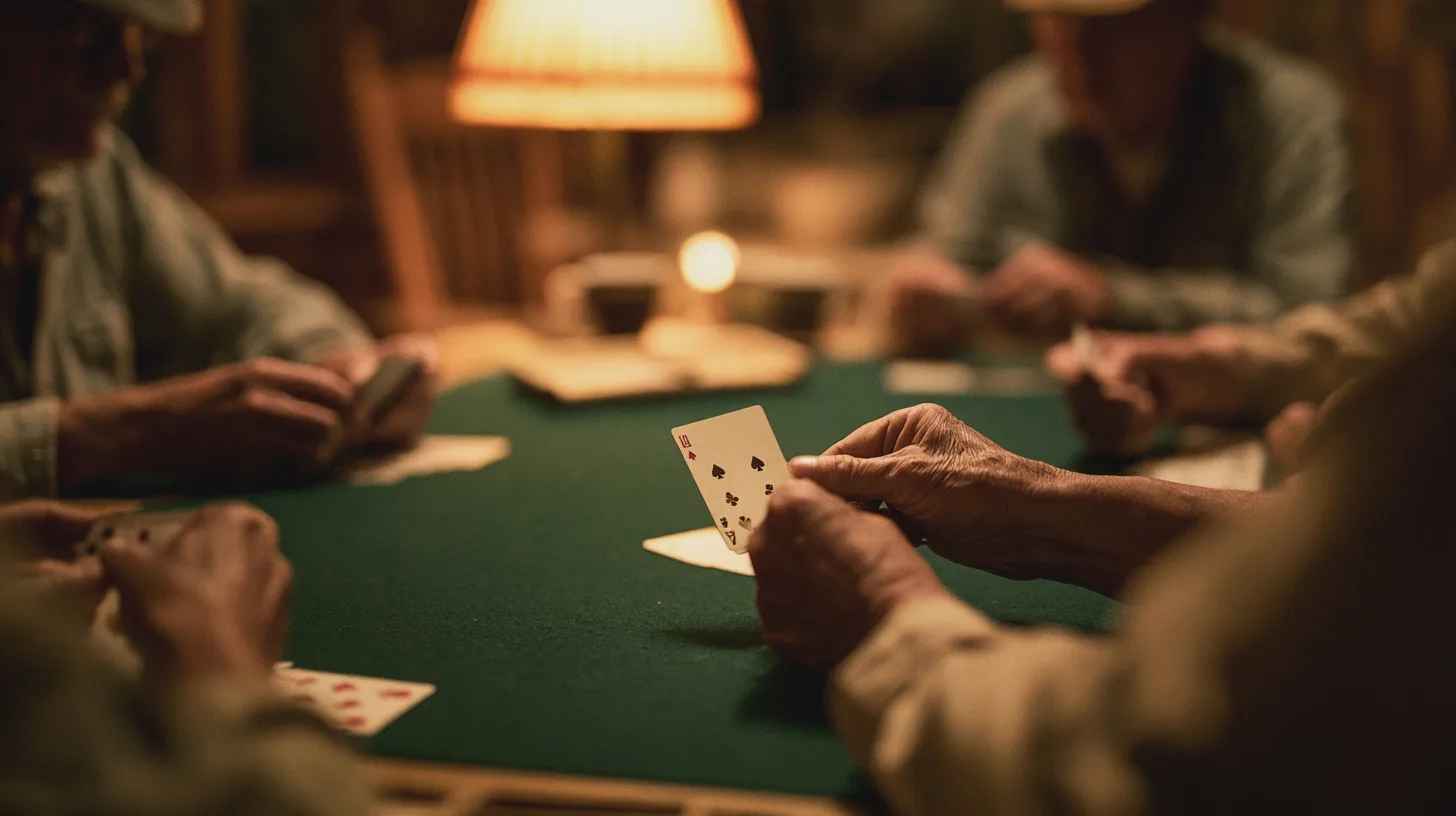
The grown man’s case for drinking beer in a Munich tent
Oktoberfest has a reputation for stag dos and spilt lager, but done properly it’s a brilliant slice of Bavarian life. Here’s when to go, how to book and what it costs.
Reviewed, edited and approved by Editor-in-chief Daniel Sköld · Updated 23 October 2026
Contents
Oktoberfest started out as a wedding party. In 1810 Crown Prince Ludwig of Bavaria married Princess Therese, Munich threw a horse race in a meadow to celebrate, and the city has been coming back every autumn since. The meadow still carries her name, the Theresienwiese, though the horses have long since been replaced by roughly six million visitors and a lot of very heavy glassware.
Plenty of British men of a certain age have quietly ruled it out as a festival of stag dos, plastic lederhosen and people falling off benches. That bit exists. But it’s a small corner of something much bigger, older and frankly more civilised than its reputation, and if you go at the right time, with the right expectations, it’s one of the great European days out.
AD
What actually happens on the Wiesn
Locals call it the Wiesn, and the first surprise is that getting in costs nothing. There are no tickets, no gates to queue at and no wristbands, apart from a small charge for the historic Oide Wiesn section at the southern end. You just walk in among the roller coasters, gingerbread hearts and roasting almonds.
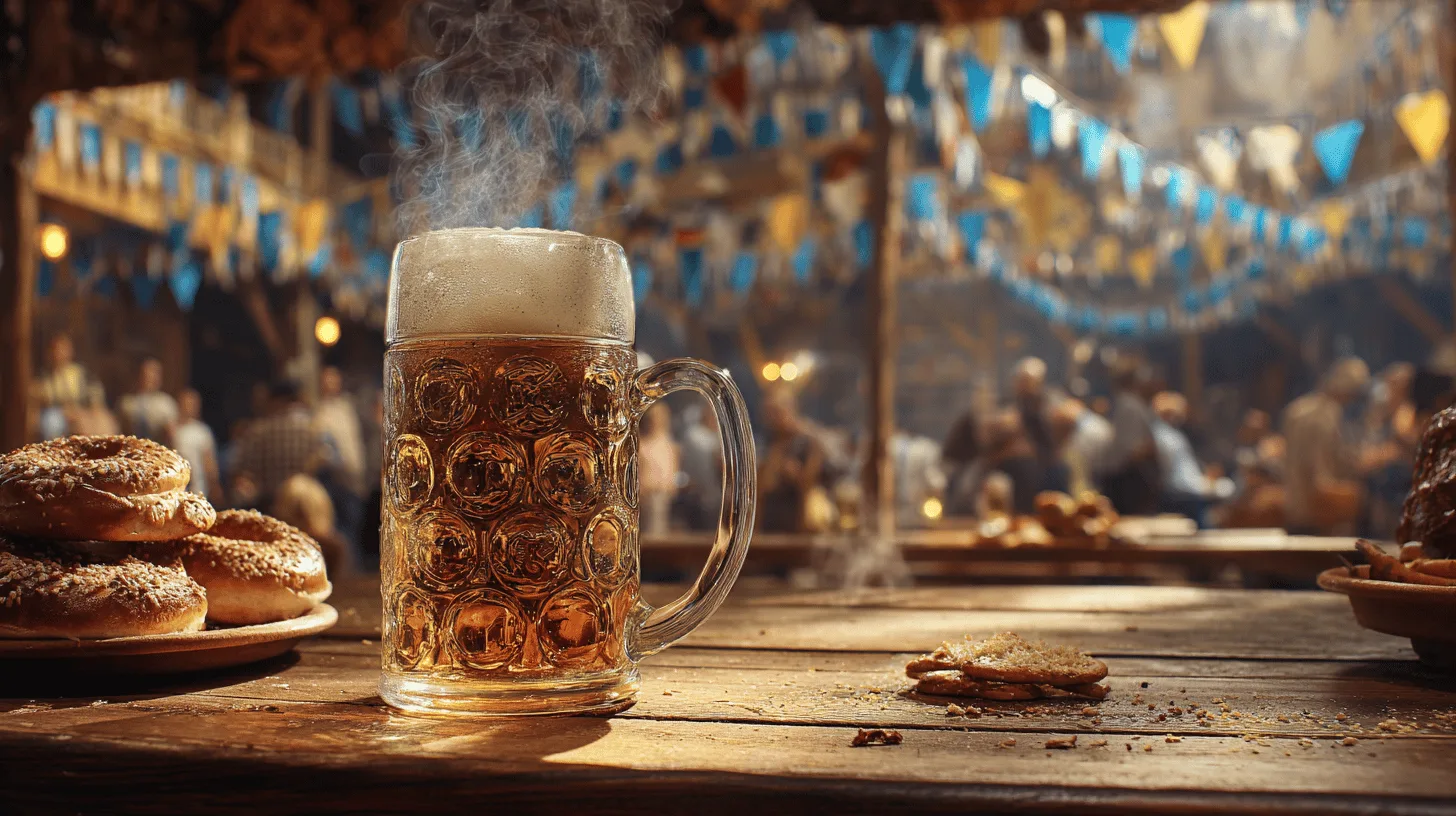
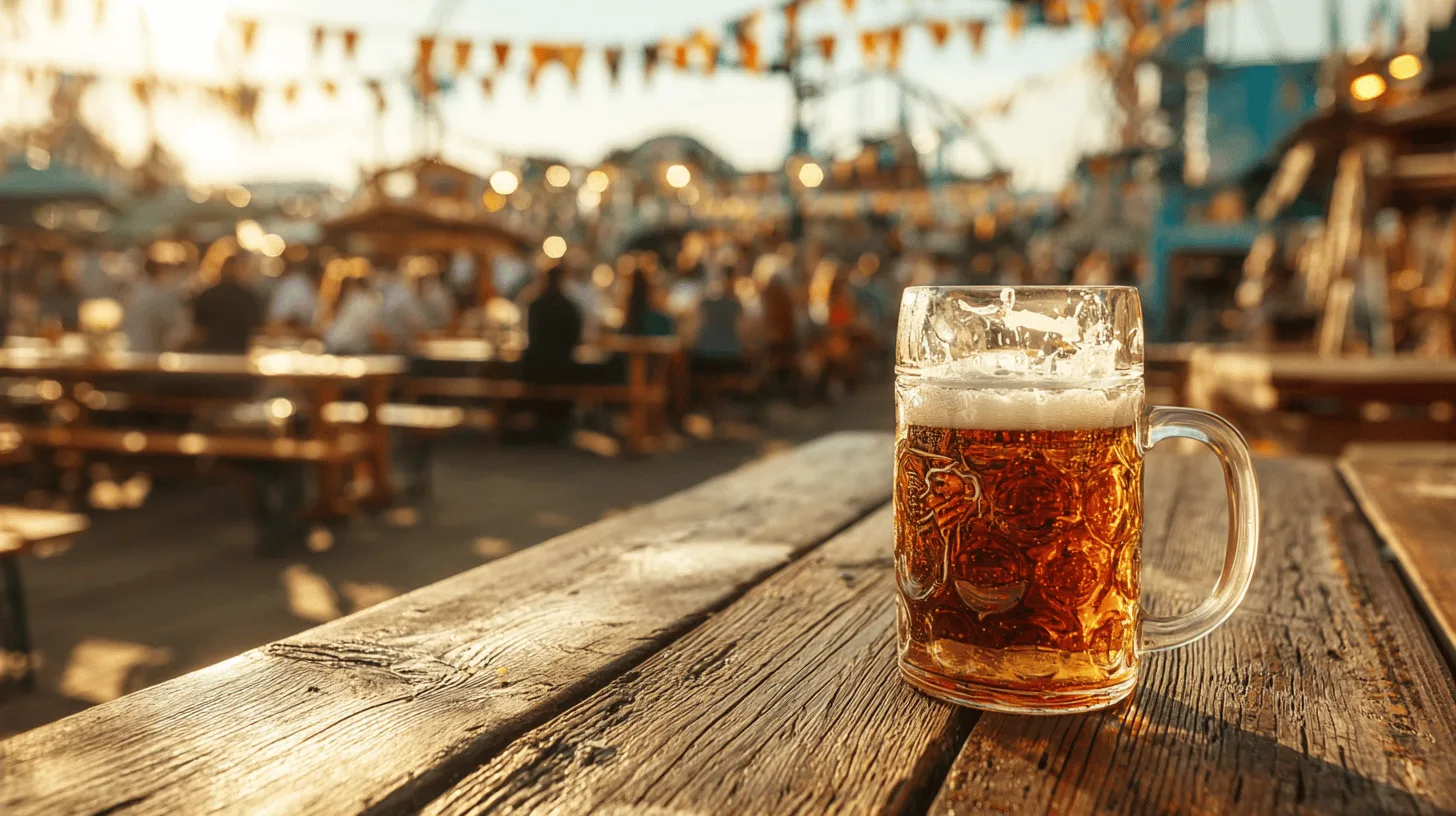
The beer tents are the main event. Calling them tents undersells them: the big ones are timber halls that take several thousand people, each with a brass band, a balcony and a carefully kept brewery identity. Only Munich’s own breweries are allowed to pour, so you’re choosing between Augustiner, Hacker-Pschorr, Hofbräu, Löwenbräu, Paulaner and Spaten. The festival beer comes in a one-litre glass mug called a Mass, it is noticeably stronger than an ordinary lager, and it goes down with alarming ease.
The atmosphere changes over the day. Late morning feels like a very large village pub lunch, with families, pensioners in proper Tracht and office groups tucking into half a roast chicken. By evening the bands have switched from oompah to Europop and everyone is standing on the benches. Stay off the tables, though. That’s the line where good cheer turns into a visit from security.
Oktoberfest is a beer festival in the way Wimbledon is a strawberry festival. The beer is the excuse; the real draw is Bavaria showing off.
When is Oktoberfest and when should you go?
The name is a bit of a fib. The festival opens on a Saturday in the second half of September and runs for a little over a fortnight, finishing on the first Sunday in October, or on 3 October (German Unity Day) if that falls later. It starts at noon on the opening Saturday, when the mayor taps the first barrel in the Schottenhamel tent and shouts “O’zapft is!” (“It’s tapped!”). Check the official site for each year’s dates before you book anything.
For a grown-up visit, go on a weekday, ideally Monday to Thursday, and get there by mid-morning. You’ll find a seat without a booking and actually hear the band. Weekends, especially the middle one, get rammed, and tents can be closed to new arrivals by lunchtime. The exception worth getting up early for is the first Sunday, when a huge traditional costume and riflemen’s parade winds through the city centre: thousands of people in regional dress, marching bands and decorated brewery drays. It’s the best free show of the festival.
Do you need to book a table at Oktoberfest?
No, but it helps if you’re in a group on a busy evening. The tents keep a share of their seats free for walk-ins, and a couple of you can usually squeeze in during the day. Reservations work differently from anything you’ll know at home. There’s no central booking system. Each tent takes its own bookings, usually online, and tables seat eight to ten people, so you can’t book for two. The booking itself is free, but you pay up front for food and drink vouchers, usually worth about two litres of beer and a chicken per person. You also only get the table for a set time slot, not the whole day.
According to the city and the official festival site, most tents open bookings for the next festival in spring, by April or May at the latest, and phoning straight after the previous one gets you nowhere. Book only through the tent itself or the official resale portal that many tents now use. Third-party “Oktoberfest tickets” are at best overpriced and at worst don’t exist.
AD
Getting there and staying sane
Munich is an easy short flight from the UK, with British Airways and Lufthansa from Heathrow and other services from a good spread of regional airports. Flight prices and especially hotel rates jump around the festival, and central rooms for the weekends are often gone months ahead, so book as soon as you know your dates. If you’d rather go by train, take the Eurostar to Paris and change for the direct high-speed service to Munich. It makes a full day of it, but a very civilised one. From the airport, the S-Bahn gets you into the city in about 40 minutes.
If central Munich is full or silly money, look at Augsburg, a handsome old city an easy regional train ride away, and come in for the day. Leave big bags at the hotel: security limits what you can take on to the grounds, and anything larger than a small daypack will be turned away. Bring cash, since not every stall takes cards, and wear shoes you don’t mind getting beer on.
As for fancy dress: you don’t need it, and nobody will mind if you turn up in a jacket and chinos. If you want to join in, skip the shiny polyester costume-shop version. A proper pair of leather lederhosen is a serious buy that costs hundreds of euros. Munich has decent second-hand Tracht shops, and the locals will notice you’ve made the effort.
How much does Oktoberfest cost?
The beer is the headline cost and it goes up every year. A Mass broke the €15 mark in most tents in 2025, so budget at least €15–16 (about £13–14) a litre, plus a tip. Remember you’re drinking roughly two pints at a time, which makes it slightly less outrageous. A half chicken in the tents costs not far off the price of a Mass. Out in the city, a decent dinner in a traditional beer hall or Wirtshaus costs around €30–40 (£26–35) a head with a drink, and a 5 km taxi ride is roughly €15–20 (£13–17), though during the festival queues and traffic around the Theresienwiese make the U-Bahn the smarter option.
Before you go, check the latest FCDO travel advice and entry requirements for Germany, including passport validity and the EU’s newer border registration procedures. Take your GHIC for state healthcare and get proper travel insurance. A litre mug hitting a toe is a more common injury than you’d think.
If the crowds still don’t appeal, there are two lower-key options: Munich’s spring festival on the same meadow in April and May, or Stuttgart’s Cannstatter Volksfest, which runs at around the same time as Oktoberfest. Both are smaller and more local, and the beer is easier to get.
In short
Yes, Oktoberfest is worth doing at least once. Go on a weekday, arrive by mid-morning and treat it as a celebration of Bavarian culture rather than a drinking contest. Getting into the grounds is free, a litre of beer now costs £13 or more, and if you want a table for a group, book directly with a tent in spring. Book flights and hotels as early as you can, and you’ll come home wondering why you put it off for so long.
Archie Inglis writes about travel for men 45 and over: city breaks, winter sun, road trips, rail journeys, walking holidays and the longer trips you've been putting off. Where's worth going, how to get there without the hassle, and how to make the money go further.
One of Midcent's writers. Spotted something? Write to archie@midcent.uk.
Prague in April and May means orchards in blossom, castle gardens reopening, a world-class music festival and beer gardens with views. Here is how to do it properly.
Fjords, Bach, dark skies, Flemish masterpieces, Lyon’s bouchons and Valletta’s knights: six European breaks you can reach by Eurostar or a short flight, with honest costs in pounds.