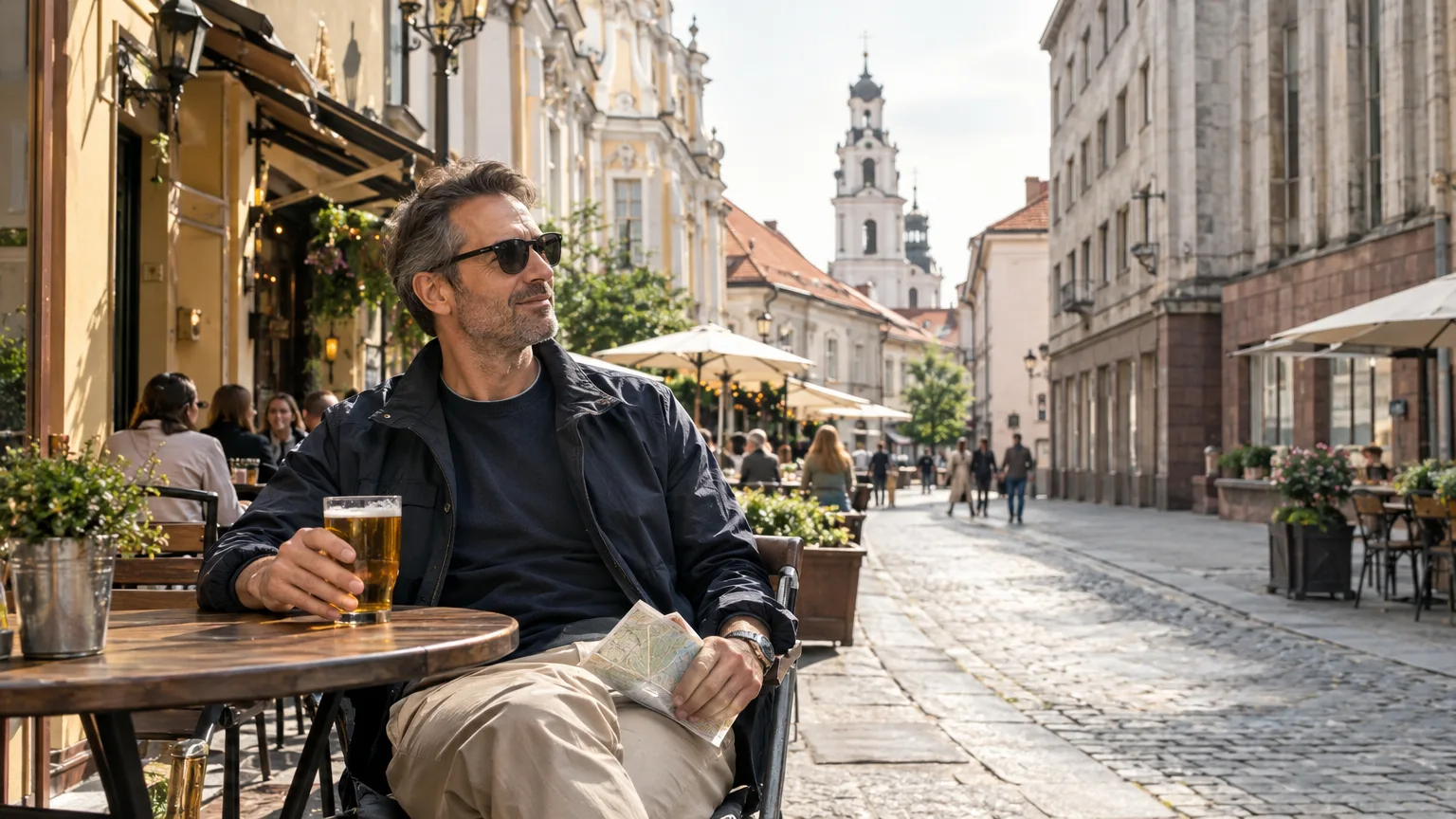
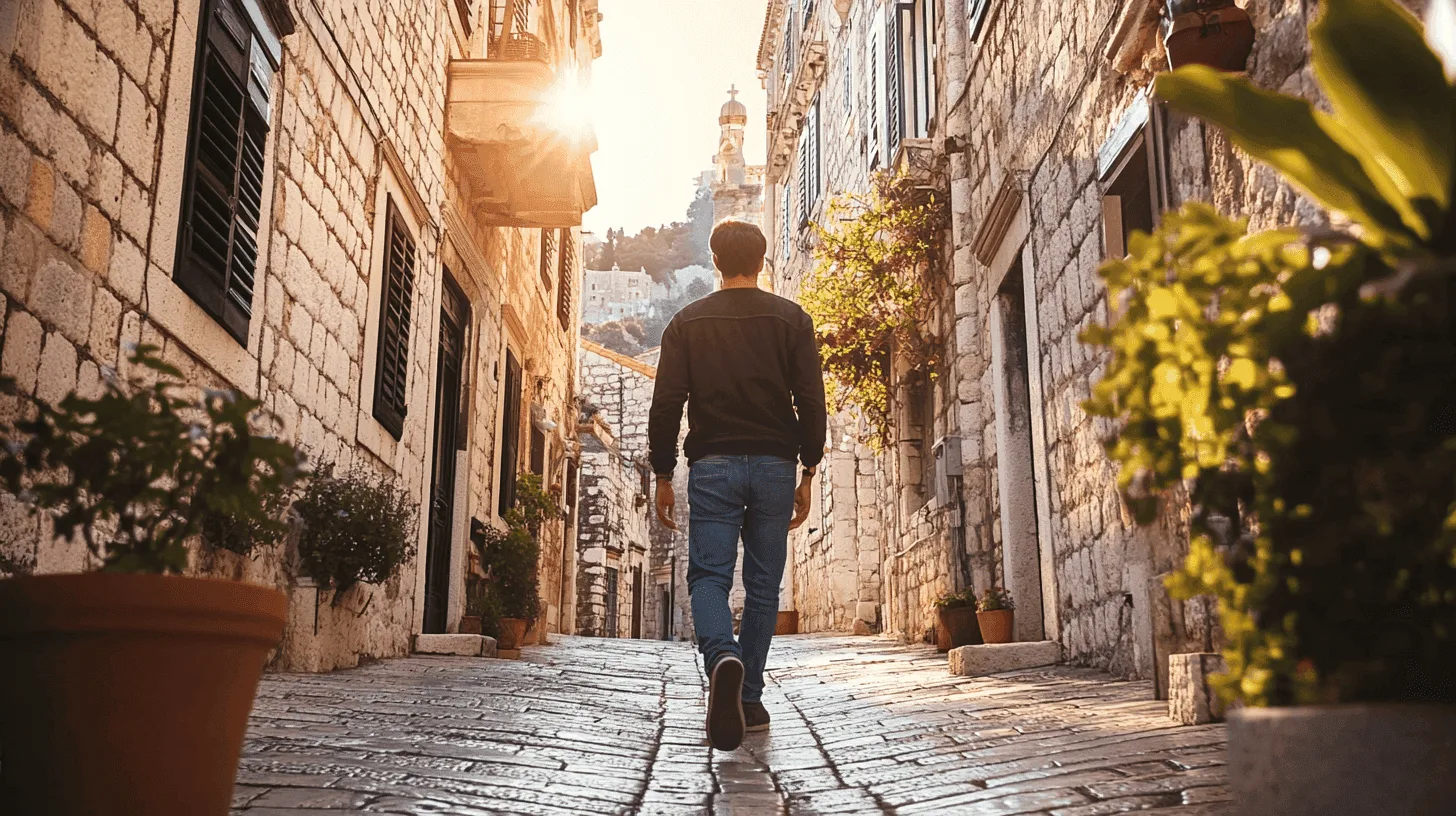
Ask most Britons to picture Tuscany and they’ll describe the same postcard: a cypress-lined drive, a stone farmhouse, a glass of Chianti and a heated row about whose turn it is to drive back from the enoteca. Fair enough. It’s lovely. But head south towards the coast, past Grosseto, and you’ll find a Tuscany that smells of horse and wild rosemary, with cattle whose horns would struggle through a farm gate.
This is the Maremma, home of the butteri, Italy’s working cowboys. They have been herding cattle on horseback here for centuries, and they’re still doing it. Better still, if you can stay in a saddle, they’ll let you come along.

Who are the butteri of the Maremma?
The butteri are the mounted herdsmen of the Maremma, the coastal plain and hills of southern Tuscany that were malarial marsh until the land was drained. For generations they managed half-wild herds of Maremmana cattle, a grey breed with huge lyre-shaped horns. They rode Maremmano horses, a tough local breed, used a deep, military-style saddle called the scafarda, and carried a long hooked stick, the uncino, for sorting cattle and opening gates without dismounting.
They also have a founding myth that any Texan would appreciate. When Buffalo Bill’s Wild West show toured Italy in 1890, local legend says a group of butteri challenged the American cowboys to a contest in taming wild horses and won. Historians argue about what actually happened. Nobody in the Maremma lets that get in the way of a good story, and nor should you.
Tractors and quad bikes have taken over most of the work in the area, but the tradition survives. Its spiritual home is the Tenuta di Alberese, a large publicly owned estate a few miles inland from the coast. Its butteri still work cattle and horses across the land on the edge of the Parco Regionale della Maremma.
Can you actually ride with the butteri?
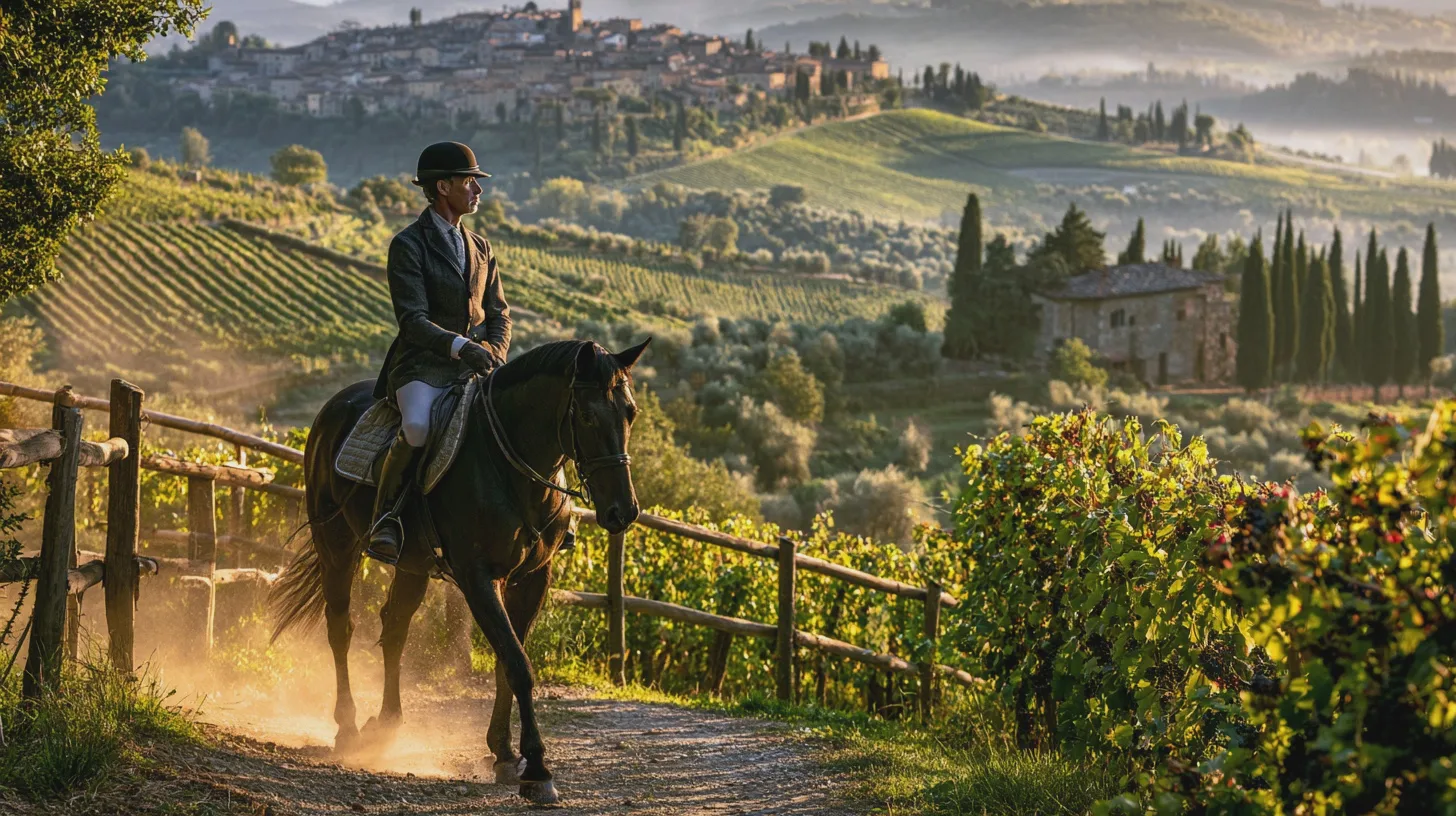
Yes, and you don’t have to be John Wayne to do it. The Tenuta di Alberese runs visitor experiences where you can watch the butteri at work. Confident riders can sometimes join them in the morning as they move or check the herds. Local riding stables and farm stays nearby offer longer rides on Maremmano horses through the regional park, from the pine woods down towards the empty beach at Marina di Alberese.
A few honest warnings. Joining working butteri is not a pony trek. You’ll need to be a capable rider who can manage a trot and canter across open ground, and the scafarda saddle feels very different from an English saddle. If your last ride was a donkey at Weston-super-Mare, book a gentler guided hack instead. Prices, levels and timings change by season, so check directly with the estate or stable before you go, and tell them truthfully how much you’ve ridden. They will find out within about four minutes anyway.
Even if you’d rather keep both feet on the ground, Alberese is worth the visit. Watching a handful of riders move a herd of long-horned cattle across a misty field is one of those sights that makes you feel the twenty-first century has briefly gone out for a coffee.
Chianti is Tuscany dressed for dinner; the Maremma is Tuscany in its work boots, and rather more interesting company.
What else is there to do in the Maremma?
Plenty, and most of it comes with fewer coach parties than Siena. The Parco Regionale della Maremma, around the Monti dell’Uccellina, is ideal for walking, with trails through scrub and holm oak to ruined watchtowers and long beaches with no parasols in sight. Look out for wild boar, which are as common on the menu as in the woods.
Inland, the tufa towns are the real surprise. Pitigliano sits on a cliff of volcanic rock as if it grew there, and its old Jewish quarter earned it the nickname of Little Jerusalem. Nearby Sovana and Sorano are smaller, quieter and equally photogenic. Further north, Massa Marittima has one of the finest medieval squares in Tuscany and gets a fraction of the attention.
Then there’s Saturnia, where warm sulphurous water tumbles over white limestone terraces at the Cascate del Mulino. Bathing at the falls is free. Go early in the morning or out of season, and be prepared for the smell of eggs.
Wine, wild boar and a bowl of acquacotta
You don’t have to forget the wine entirely. The local red is Morellino di Scansano, a Sangiovese that is generally juicier and cheaper than its famous cousins up north, and winery visits around Scansano are relaxed and rarely rushed. Food is hearty country cooking: acquacotta, a peasant soup of vegetables, bread and egg; tortelli maremmani filled with ricotta and spinach; and cinghiale (wild boar) stewed until it surrenders. Trattorie in the hill villages will often feed you better than anything with a sea view on the coast.
How to get to the Maremma from the UK, and when to go
The nearest major airports are Pisa and Florence, both with flights from several UK airports. Rome Fiumicino is a sensible alternative for the southern Maremma, including Pitigliano and Saturnia. The coastal railway connects Pisa and Rome with Grosseto, but buses into the hills are sparse, so a hire car makes life much easier. Driving all the way from Britain via the Channel Tunnel is a serious two-day trip, but it would make for a fine road trip if you have the time.
Spring and autumn are the best seasons. The countryside is green, the cattle are active and the temperature suits riding. Midsummer can be very hot, and the horseflies are wonderfully persistent. The butteri traditionally hold their branding festival, the Merca, at Alberese in spring. Check dates with the estate if you want to go.
Before you go, check the latest FCDO travel advice and entry requirements for Italy, and make sure your passport meets the validity rules. Bring your GHIC for state healthcare. Make sure your travel insurance explicitly covers horse riding, because many standard policies do not.
What it costs in the Maremma
These are rough prices and vary by place and season. A medium beer (about 0.4 litres, close to a pint) costs around €5–6 (£4.30–5.20). A typical trattoria dinner with a glass of wine costs about €30–40 (£26–35) per person. A short taxi ride of around 5 km is roughly €15–20 (£13–17), assuming you can find a taxi in the countryside, which is an adventure in itself.
In short
If you’ve done Florence, Siena and the Chianti, head south to the Maremma. Here the butteri still herd cattle on horseback around the Tenuta di Alberese, and experienced riders can join them. Add the tufa towns of Pitigliano and Sovana, the free hot springs at Saturnia and a bottle of Morellino di Scansano, and it’s the most characterful corner of Tuscany. Go in spring or autumn and hire a car, and check that your travel insurance covers riding.
Sources

Midcent Travel
Archie Inglis writes about travel for men 45 and over: city breaks, winter sun, road trips, rail journeys, walking holidays and the longer trips you've been putting off. Where's worth going, how to get there without the hassle, and how to make the money go further.
One of Midcent's writers. Spotted something? Write to archie@midcent.uk.