Chess after 50: does it really sharpen your brain?
Chess is often sold as a workout for the brain that might hold off dementia. Here is what the evidence actually shows, and why joining a club could still be the smart move.
Reviewed, edited and approved by Editor-in-chief Daniel Sköld · Updated 25 October 2026
Contents
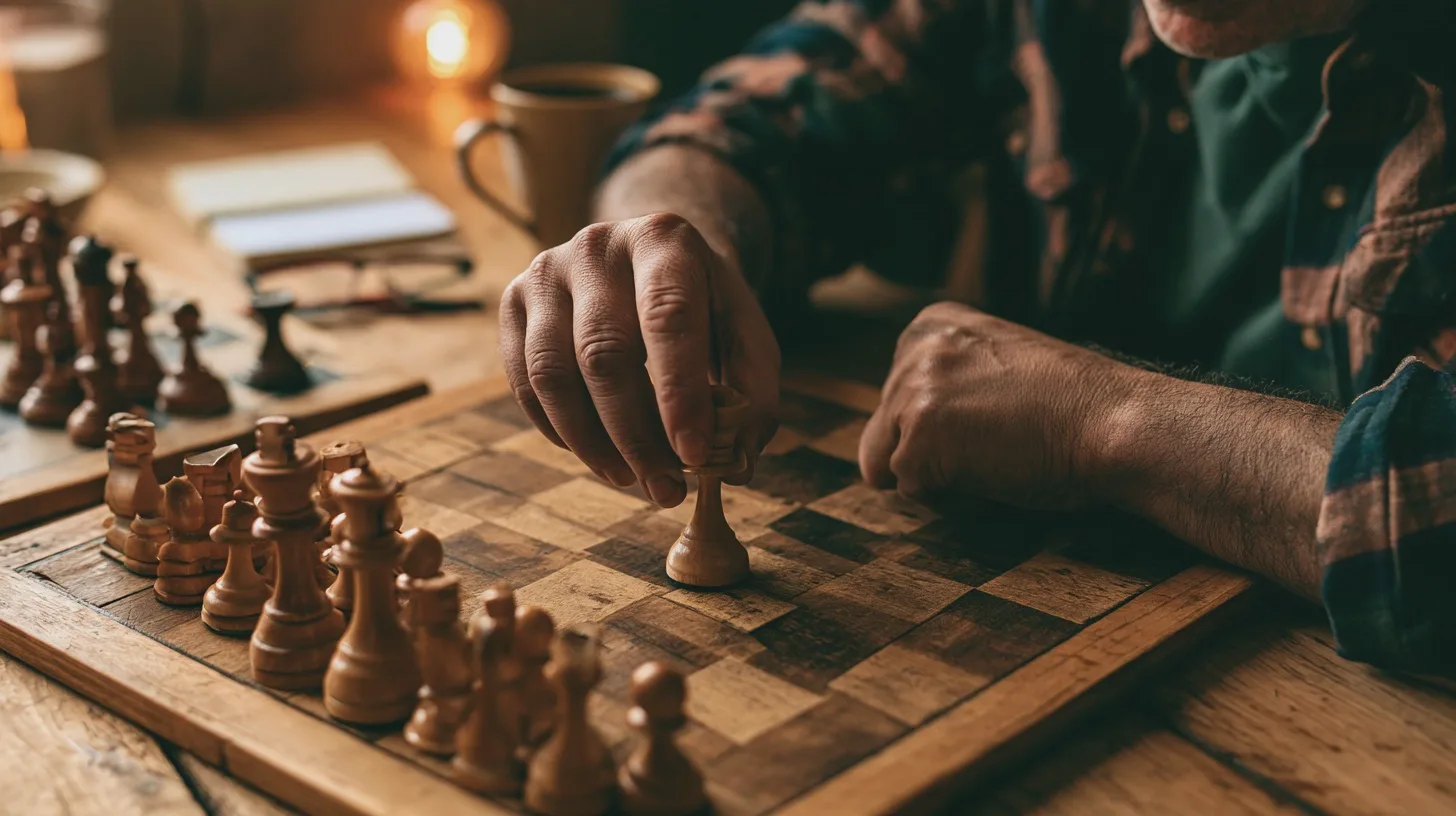
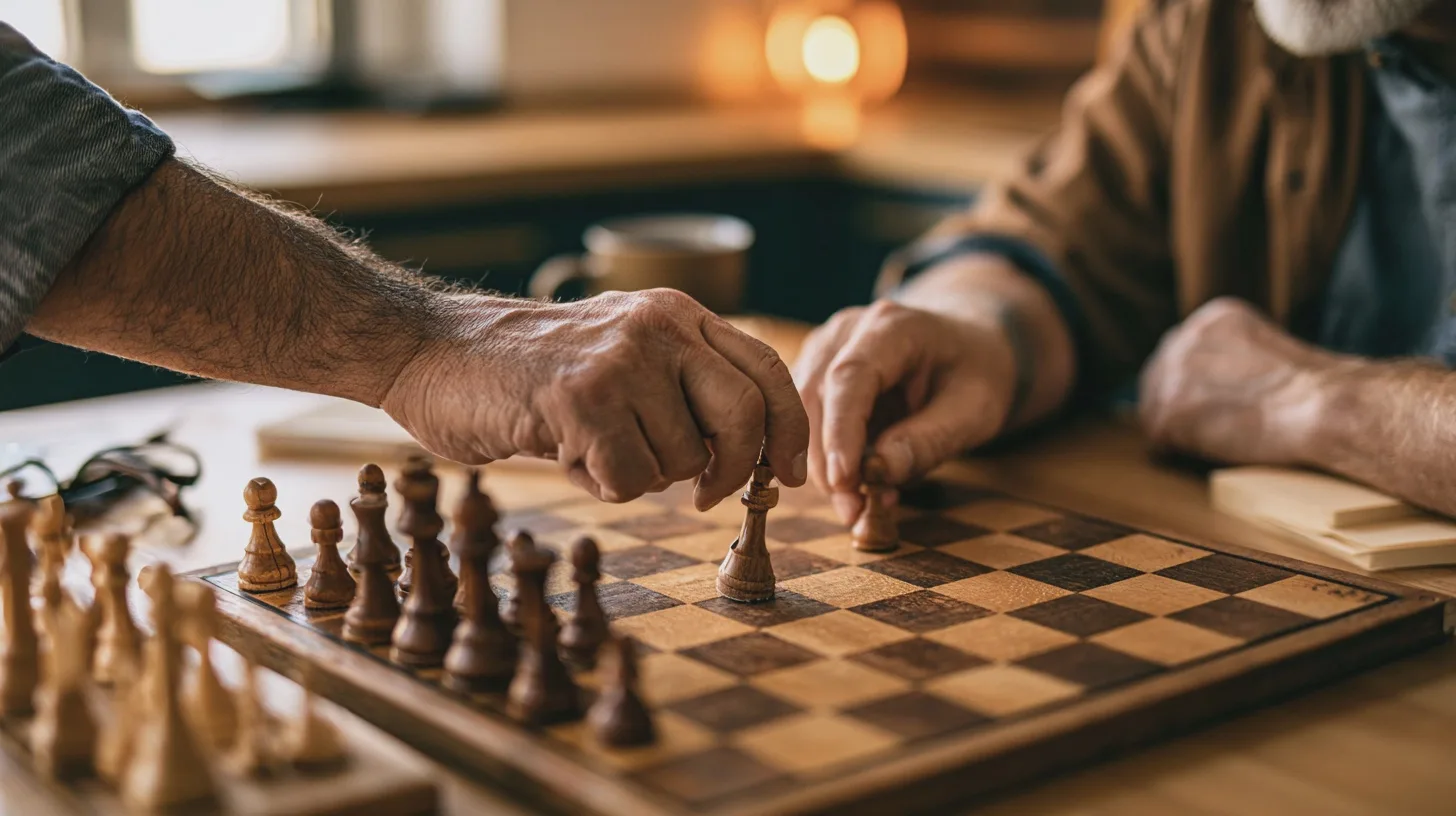
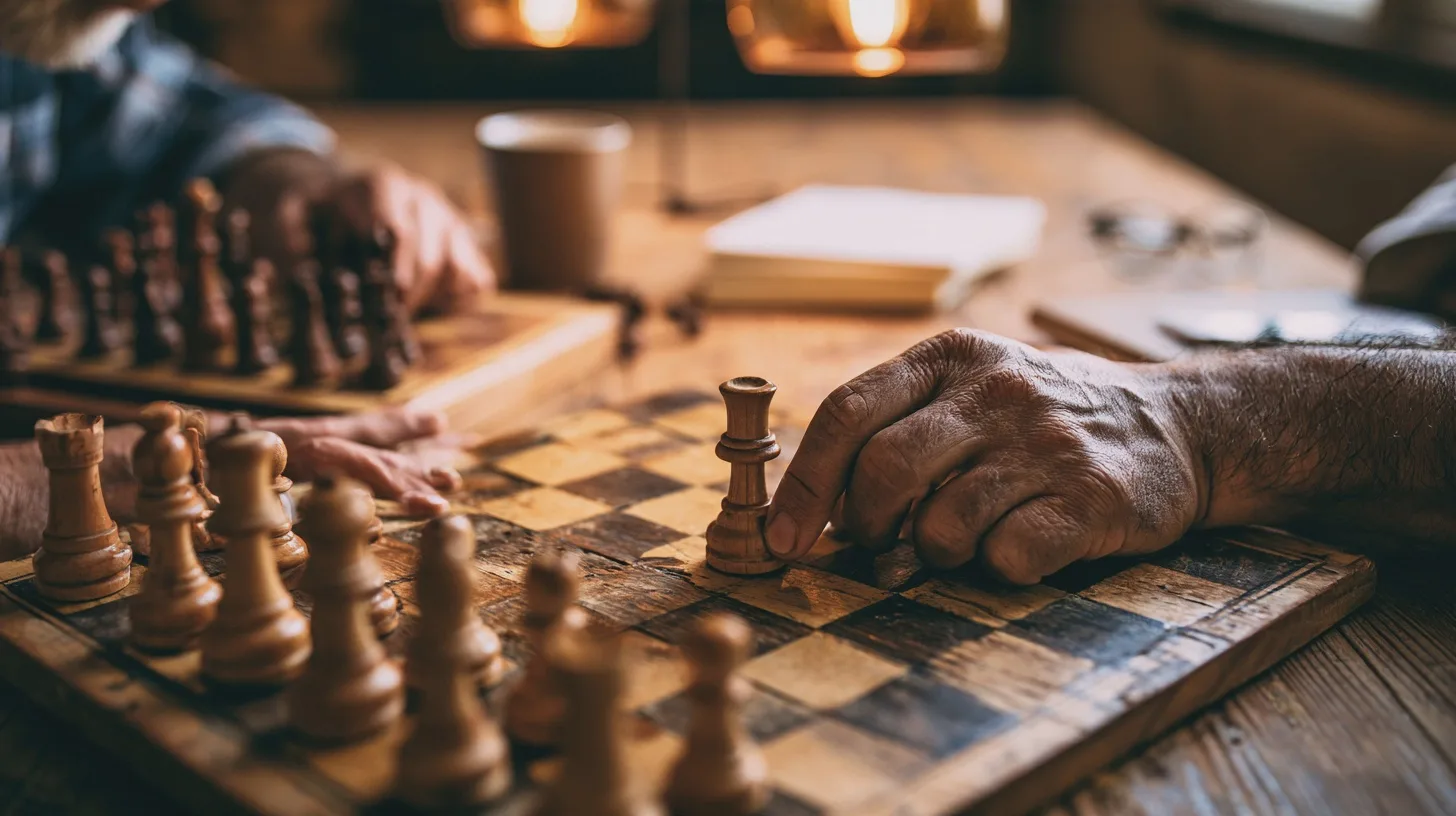
There is a particular silence that falls over a chessboard. You have spotted what looks like a brilliant move, and you’re checking it three times because the last brilliant move lost you your queen. It certainly feels like your brain is doing something useful.
Chess has a reputation as the thinking person’s insurance policy against dementia, and plenty of men in their fifties are digging out the old wooden set on the strength of it. So is that reputation earned, or are you mostly just getting better at chess? The honest answer is somewhere in between, and it’s still a good reason to play.
AD
Does playing chess reduce the risk of dementia?
The short answer is maybe, a bit, but nobody can promise it. The best-known evidence comes from observational studies. These follow large groups of older people for years and compare those who do mentally demanding hobbies with those who don’t.
One of the most quoted is the Bronx Aging Study, published in the New England Journal of Medicine in 2003. It found that older adults who regularly played board games, read, played musical instruments or danced were less likely to develop dementia over the follow-up period. More recent work in older Australians found a similar link between regular games, cards, chess and puzzles and a lower risk of dementia.
That sounds promising. The catch is in the word observational. These studies show a link, not cause and effect.
The chicken, the egg and the knight
The big problem is something researchers call reverse causation. Dementia starts changing the brain years, sometimes decades, before anyone gets a diagnosis. People in those early stages often drop hobbies that start to feel harder, and chess is very good at feeling harder.
So when the study shows that chess players get dementia less often, part of the reason may be that people whose brains were already changing stopped playing. In that case the chess isn’t protecting anyone. It’s simply getting abandoned first.
There are other muddying factors too. People who play chess in later life tend to have more years of education, more social contact and often more money. All of those are linked with lower dementia risk in their own right, and statisticians can only partly untangle them.
Then there’s the question of transfer. Psychologists Giovanni Sala and Fernand Gobet have spent years reviewing studies of chess and other brain training. Their conclusion is not encouraging for anyone hoping for a general brain upgrade: practice makes you better at the task you practise, with little sign that it carries over to memory or reasoning in everyday life. Play endless endgames and you’ll get very good at endgames. Your ability to remember where you left the car keys is another matter.
Chess won’t vaccinate you against dementia, but a hobby that gets you out of the house, among people and thinking hard every week is about as good a bet as you’ll find.
So what does help your brain in midlife?
This is where it gets more useful. The 2024 report of the Lancet Commission on dementia prevention, intervention and care identified 14 risk factors that can be changed. Together, it estimated, they account for nearly half of dementia cases worldwide.
Several are relevant to men in their forties, fifties and sixties: high blood pressure, high LDL cholesterol, untreated hearing loss, physical inactivity, smoking, too much alcohol, diabetes, depression and social isolation. Education and a mentally active life also feature, which is where chess comes back in.
The point is that chess on its own is a small piece of the puzzle. Your blood pressure, your hearing and how much you move are bigger levers. If you’re over 40 in England, the free NHS Health Check (offered every five years to people aged 40 to 74 without certain existing conditions) is a sensible place to start. And if a new hobby is going to replace your walk or your cycle ride, it’s the wrong swap.
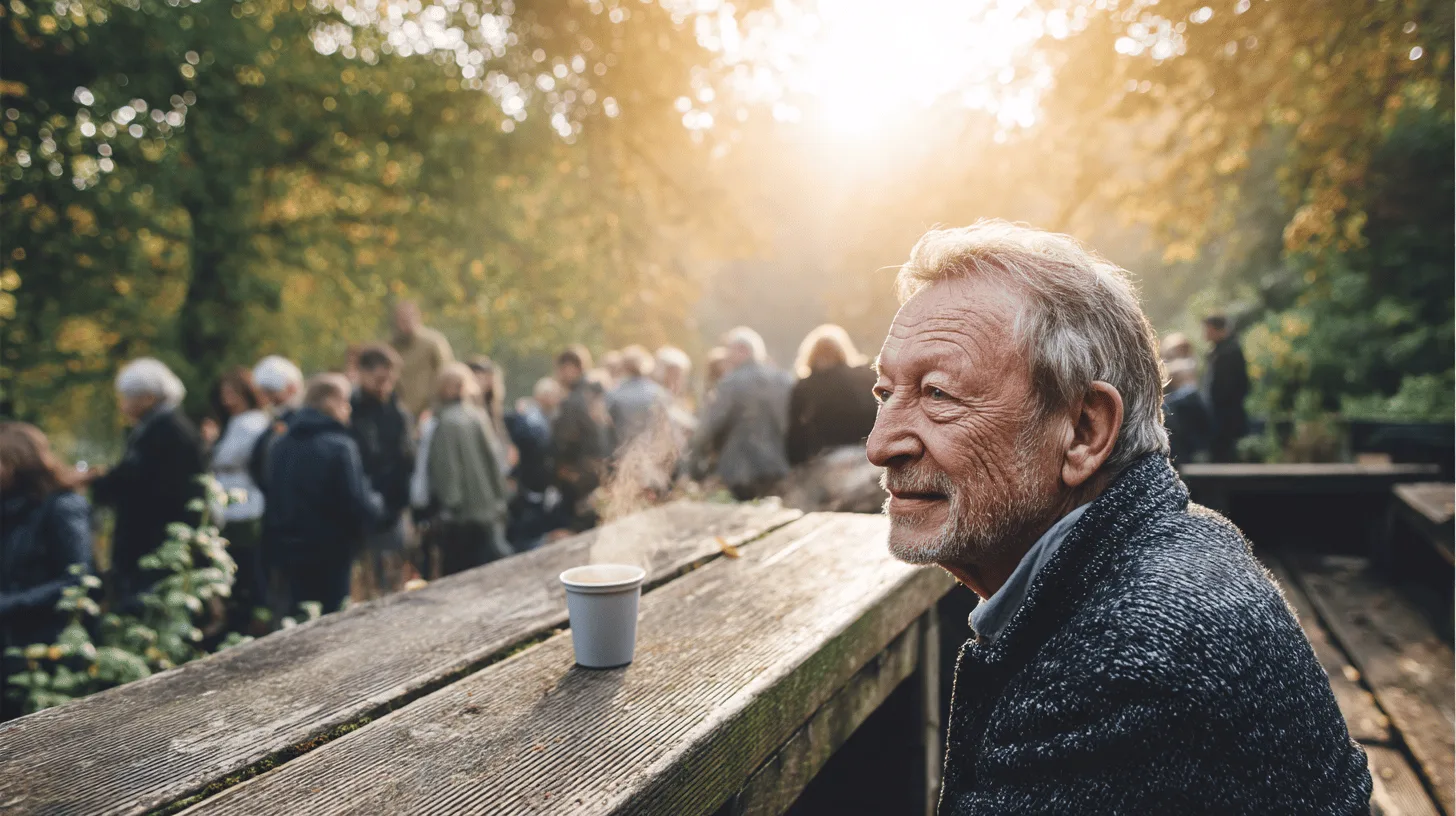
Where chess does score is social isolation. Played alone against an app at midnight, it does nothing about that. Played at a club on a Tuesday evening, it does a great deal.
AD
How do I join a chess club as an adult beginner?
Most towns of any size have a chess club, often meeting one evening a week in a church hall, community centre, library or the back room of a pub. Many play in local leagues during the season, roughly September to May, but nearly all welcome casual players and beginners too. Annual subs are usually modest, often less than a month’s gym membership.
In England, the English Chess Federation is the governing body. It runs the national rating system, so once you start playing rated games, over the board or online, you’ll get an official grade that’s updated monthly. You can join online, and membership also covers rated events and some partner benefits. You don’t need to join just to turn up at a club, though, and most beginners don’t bother at first.
The other home nations have their own bodies: Chess Scotland, the Welsh Chess Union and the Ulster Chess Union in Northern Ireland. Each can point you to clubs and congresses near you. A congress is a weekend tournament, usually with sections split by grade, so you’ll be playing people at roughly your own level rather than being crushed by a 14-year-old prodigy. Mostly.
A few things are worth knowing before your first visit. Clubs normally provide sets and clocks. League games are played with a clock and can run to three hours or more, so ask about casual or quickplay nights if you’d rather ease in. Learn to write the moves down in algebraic notation, because league games expect it. And don’t be put off if the first few weeks are humbling. Everyone at that club has lost to a move they didn’t see coming.
Is online chess as good as playing at a club?
For learning, online is brilliant. Lichess is completely free, with no adverts, and has puzzles, lessons and opponents at every level, any time of day. Chess.com has a free tier and paid memberships with more coaching tools. Both will analyse your games and show you where you went wrong, which saves you working it out yourself.
There are pitfalls, though. Fast online games, bullet and blitz, are addictive in the way fruit machines are, and you can lose an evening without learning much. If you’re playing for your brain, slower games and puzzles that make you think are better than frantic three-minute games played on autopilot.
The other thing online chess can’t give you is a person across the table, a cup of tea at half time and a post-mortem with your opponent afterwards. The research suggests that’s the part to hang on to.
If you’re starting from scratch, the outlay is small. A tournament-size plastic set and a roll-up vinyl board are cheap, sturdy and what clubs use. Add a digital clock if you get serious. Books are optional, and there’s more good free teaching online than you’ll ever get through. You’ll spend more on petrol getting to away matches.
In short
There is no good evidence that chess on its own prevents dementia. The studies linking board games to lower risk can’t rule out that people in the early stages of decline simply stop playing, and brain training mostly makes you better at the thing you train. Still, chess is cheap, absorbing and, played at a club, a good answer to social isolation, which is a recognised risk factor. Play it because you enjoy it, and look after your blood pressure, hearing and fitness as well.
Alistair Ives writes about the home and the weekend for men 45 and over: DIY, renovation, the garden, the outdoors and the hobbies worth the time. What a job really costs, what you can do yourself, and when it's worth paying someone who knows.
Loft, walls and floors: how much insulation you really need, which jobs you can do yourself, how to avoid damp and mould, and where to look for grants.
Pickleball is easy to start, sociable and cheaper to try than you might expect. Here’s how the game works, what a session costs and how to play safely.
Garden saunas are having a moment in Britain. Before you order a barrel and a stove, here’s how planning, Building Regulations and smoke control rules affect your build.