It’s usually the shopping that gets you. You’re in the supermarket on autopilot, reaching for the four-pint milk and the family-size cereal, and then you remember there’s nobody at home to drink it or to leave the empty box back in the cupboard. A week ago you were moaning about wet towels on the landing. Now you’d quite like a wet towel, if it came with the teenager who dropped it.
The empty nest gets sold either as a tragedy or as a gap year for the over-fifties. For most of us it’s both, sometimes before lunch. Here is what actually changes when the children go: inside your head, in your relationship and in your bank account.

Why does the empty nest hit dads harder than expected?
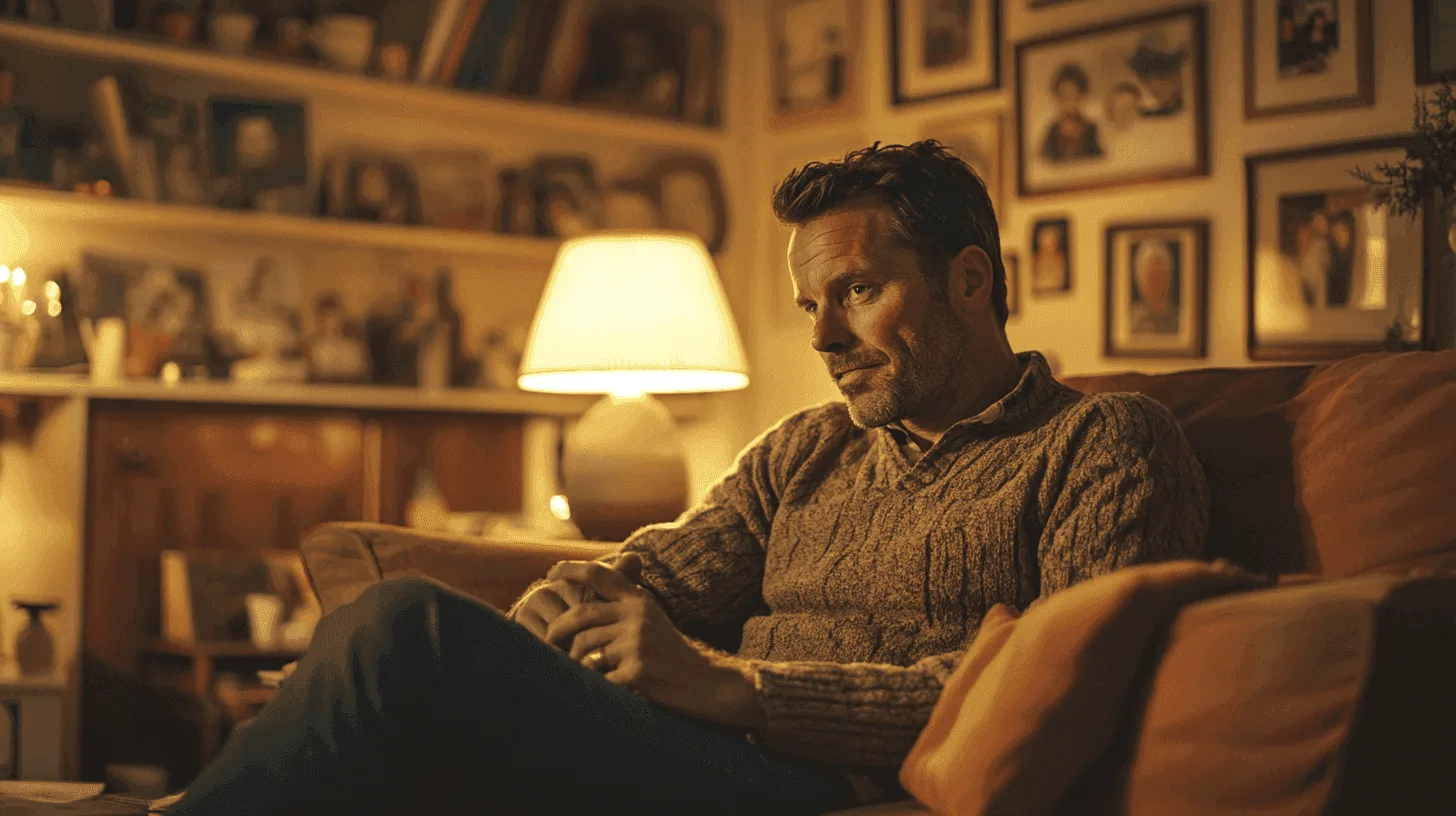
The cliché is a mother crying in the doorway of a bedroom with nobody in it. Fathers are meant to load the car, assemble a flat-pack desk in the university halls, make a joke about the shared kitchen and drive home. Quite a lot of us then sit in a lay-by on the M6 for longer than we’d admit.
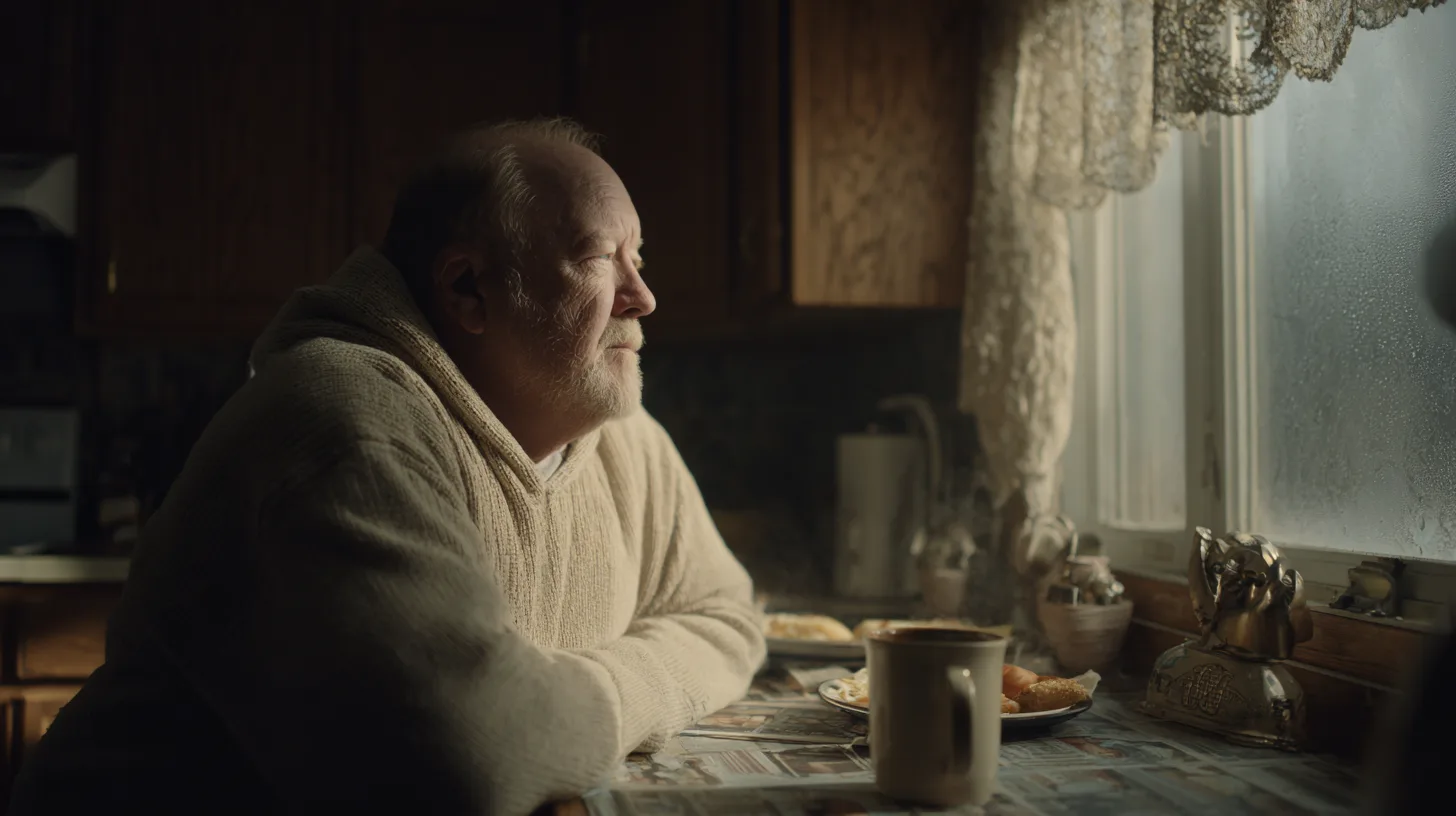
Part of it is about roles. For eighteen years or more, being useful had a shape: lifts, homework arguments, the 1am phone call from a party that had gone wrong. When that stops, your sense of purpose goes with it, and men in particular don’t have much of a vocabulary for that. We don’t say we’re grieving. We say we’re a bit tired, then reorganise the garage.
It helps to call it what it is. You’re not losing a child. You’re losing a job you were good at and never applied for, and it’s normal to feel flat for a while. If the flatness hasn’t lifted after a few months, or it’s turning into something darker, speak to your GP. That isn’t overreacting, it’s maintenance.
What happens to a marriage when the children leave?
For two decades, the children were the agenda. Couples who once talked about films, politics and each other ended up running a small logistics firm: who’s collecting whom, did anyone pay the school trip, why is there a phone charger in the fridge. Take away the logistics and you’re left with the two original founders across the kitchen table, wondering what they used to talk about.
For some couples that’s a relief. For others it’s a shock. The kids may have been covering up a gap that has been growing for years, and with them gone it’s suddenly obvious. That’s partly why the late-middle-age split, the so-called grey divorce, gets so much attention.
The children leaving doesn’t break a marriage. It just turns the lights on.
The practical answer is less romantic than a weekend in Bruges, though Bruges won’t hurt. Have the conversation on purpose. What do you each want the next ten years to look like? Where do you want to live, how much do you want to work, which friends have you neglected? You’ll probably find you’ve been heading in slightly different directions and assuming the other one was following. Better to find that out over a bottle of wine now than over a solicitor’s letter later.
What should you do with the spare room?
There’s a strong temptation to keep the bedroom exactly as it was, posters and all. Don’t. The child will be back at Christmas and over the summer, and very possibly for longer: plenty of graduates come home while they try to afford a deposit. They need a bed, not a museum.
A guest room that doubles as a study, a hobby room or (whisper it) somewhere to sleep when one of you snores is a perfectly reasonable compromise. Agree it with the child first, so they don’t feel written out of the family, and put their things in decent storage rather than a bin bag in the loft.
If the room really is empty for most of the year, a lodger is worth thinking about. Under HMRC’s Rent a Room scheme you can earn up to £7,500 a year tax-free from letting a furnished room in your own home. Check your mortgage lender and home insurer are happy first, and be honest with yourselves about whether you want a stranger in your house just as you’ve finally got it to yourselves.
The bigger version of the spare-room question is downsizing. A four-bedroom house for two people can feel like heating a cathedral. But stamp duty in England and Northern Ireland, Land and Buildings Transaction Tax in Scotland and Land Transaction Tax in Wales, plus agents’ and solicitors’ fees, eat into the gain. And see above: the kids may not be gone for good. Give it a year before you call an estate agent.
How do household bills change when the kids move out?
The good news first: the food bill drops, sharply in some houses. So do the energy bills, once nobody is taking a 25-minute shower or running a gaming PC like a small data centre. Car insurance may come down if a young named driver goes off the policy. Go through your phone, streaming and broadband contracts too. You may still be paying for a family plan that only you and your spouse use.
Now the less good news. Child Benefit doesn’t last as long as people think. It stops on 31 August after a child’s 16th birthday unless you tell HMRC they’re staying in approved education or training, such as A levels or Scottish Highers. It can then carry on until they turn 20, but university doesn’t count as approved education, so for most families it stops when the child leaves school or college. The rules are the same across the UK. If you were paying the High Income Child Benefit Charge, which has applied from £60,000 of income since April 2024, that tax charge goes away at the same time.
Then there’s student finance. The maintenance loan for students from England, Wales and Northern Ireland is means-tested on household income, and the system quietly assumes that parents above the lower thresholds will make up the shortfall. Nobody sends you a bill for it, but plenty of parents end up paying a monthly allowance that looks a lot like a second council tax. Scotland works differently: Scottish students at Scottish universities don’t pay tuition fees, and support comes through SAAS.
Single parents should check one thing in particular. In England, Scotland and Wales, council tax is cut by 25% if only one adult counts as living in the home. Full-time students are disregarded, so a child away at university, or living at home while studying full-time, shouldn’t stop you getting the discount. And if a working adult child moves out for good, you may now qualify. Councils do check, so tell them promptly when your household changes either way. Northern Ireland uses domestic rates rather than council tax, and its rules are different.
Whatever you save, give it a job. If it disappears into the current account, it’ll be spent on nothing in particular. The years between the children leaving and you retiring are often your best chance to top up a pension or an ISA, and money paid into a pension gets tax relief.
In short
When the children leave home you lose a role as well as a housemate, and it’s normal for fathers as well as mothers to feel it. The marriage you’re left with needs a deliberate conversation about what comes next, not just a quieter kitchen. On the money side, check when Child Benefit stops, what you’ll actually contribute to student life, whether council tax or lodger income changes anything for you, and put the savings somewhere useful. The real question is what the two of you want this freedom to be for.
Sources

Midcent Society
Andy Irwin writes about the way we live now for men 45 and over: work, relationships, mental health, getting older, and the trends and debates that land on men in the middle of life. With the facts, a dry sense of humour, and no lectures.
One of Midcent's writers. Spotted something? Write to andy@midcent.uk.