Islands worth the crossing, even when it gets choppy
Scilly, Lundy, Arran, Orkney, Anglesey and the Isle of Wight, plus a few European rivals: the islands where the landscape, history and pubs beat lying on a towel.
Reviewed, edited and approved by Editor-in-chief Daniel Sköld · Updated 28 October 2026
Contents
An island holiday sounds like an excuse to lie very still on a towel. The best British islands won’t let you. They have Neolithic villages older than the pyramids, puffins that ignore you completely, and crossings rough enough that you remember them over dinner. On these islands the beach is just one option among several.
These are the ones worth the ferry fare, and a few European islands to measure them against. Some take more planning than you’d expect. That’s half the reason they’re still worth it.
AD
Which British island is best for a proper escape?
If you want to feel you’ve properly left the mainland, start with the Isles of Scilly, 28 miles off Land’s End. Five islands are inhabited: St Mary’s, Tresco, St Martin’s, St Agnes and Bryher. Each has its own character, and little boats run between them in a daily rota that soon becomes the shape of your holiday. Tresco Abbey Garden grows subtropical plants that would die anywhere else in Britain. The beaches have white sand and water so clear you’d think someone had the picture wrong.
Getting there is part of the story. The Scillonian III sails from Penzance in the main season. The crossing takes around two and three-quarter hours, and the ship is known for rolling a lot. Skybus flies all year from Land’s End and other airports in the South West, in small planes with strict baggage limits. In summer, book either one well ahead.
Lundy, in the Bristol Channel, is even further off the grid. It belongs to the National Trust and is run by the Landmark Trust. There are no cars, one pub (the Marisco Tavern) and a population you could seat in a minibus. Its name is thought to come from the Norse word for puffin, and the puffins have come back in good numbers. The waters around it became England’s first Marine Conservation Zone. In season the MS Oldenburg sails from Bideford or Ilfracombe and gives day-trippers a few hours ashore. In winter a helicopter flies from Hartland Point. If you stay over in one of the Landmark cottages, the day-trippers leave and you get the island to yourself.
The best island is the one where the last boat leaves and you are still on it.
Scotland in miniature, and older than Stonehenge
Arran gets called Scotland in miniature, and for once the tourist slogan is fair. The Highland Boundary Fault runs across the island, so you get granite peaks in the north and gentler farmland in the south. On a clear day, the climb up Goatfell (874m) shows you the whole Firth of Clyde. The quieter pleasures are on Machrie Moor, where standing stones lean over the peat, and at the two distilleries in Lochranza and Lagg. CalMac runs the crossing to Brodick, which takes under an hour, and trains from Glasgow Central connect with the ferry. In summer a smaller boat runs from Claonaig on Kintyre to Lochranza, which is handy for a west-coast road trip.
Orkney is wilder. The Heart of Neolithic Orkney is a UNESCO World Heritage Site that includes Skara Brae, the Ring of Brodgar, the Stones of Stenness and the chambered tomb of Maeshowe. Skara Brae is a stone village where the dressers and box beds are still in place, and it’s older than Stonehenge. Visits inside Maeshowe are by guided tour, so book before you go. Then there’s the Italian Chapel, built by prisoners of war from a pair of Nissen huts, and a whisky tradition that does the islands credit. NorthLink sails from Scrabster to Stromness in about 90 minutes, passing the Old Man of Hoy. It also runs overnight sailings from Aberdeen to Kirkwall. Pentland Ferries crosses from Gills Bay to St Margaret’s Hope.
AD
Is the Isle of Wight worth visiting?
Yes, if you’ve written it off as a place for school trips and caravans. Osborne House, Queen Victoria’s seaside escape, still feels like a family home. The Needles are as striking as the postcards suggest. The south-west coast is one of the best places in Europe to find dinosaur fossils, and Compton Bay is good for spotting footprints at low tide. The whole island is now a UNESCO Biosphere Reserve. Wightlink sails from Portsmouth and Lymington, Red Funnel from Southampton, and Hovertravel’s hovercraft from Southsea to Ryde is a ride worth taking for its own sake.
Anglesey is the cheat on this list, because you drive there over Thomas Telford’s Menai Suspension Bridge and pay no ferry fare. Beaumaris Castle is part of a World Heritage Site. The Anglesey Coast Path goes all the way round the island, about 130 miles. South Stack lighthouse sits below cliffs full of seabirds, and at Llanddwyn Island the views across to Snowdonia are hard to beat. You can also spend an afternoon getting your mouth round Llanfairpwllgwyngyll.
How do you book island ferries without paying over the odds?
Book early, especially if you’re taking a car. CalMac car spaces to Arran fill up in summer, and fares on the Solent routes go up and down with demand, so a midweek crossing or an early sailing can save real money. Foot passengers pay far less, and Arran, the Isle of Wight and Orkney’s main sights are all doable by bus, bike or taxi. Check the weather the day before: sailings to Scilly, Lundy and the Northern Isles do get cancelled, so keep a day spare at the end of a trip.
What it costs once you’re there, roughly: a pint of local ale usually comes to £5–£6.50. A decent two-course dinner is around £25–£40 a head, and more in the smarter Scilly hotels. A short taxi ride of about 5km costs roughly £10–£15, if you can find a taxi, so on the smaller islands book it in advance.
The European competition
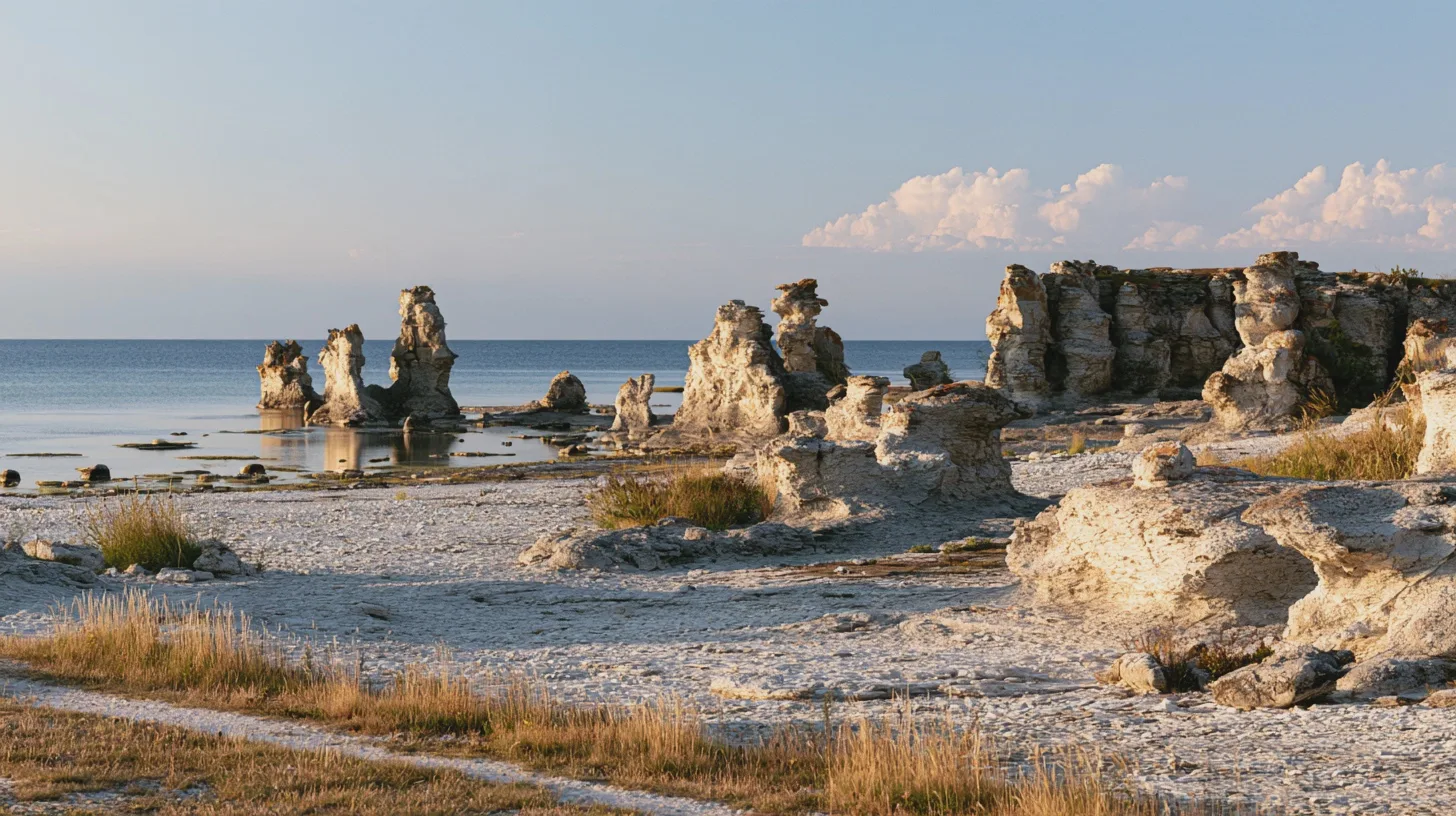
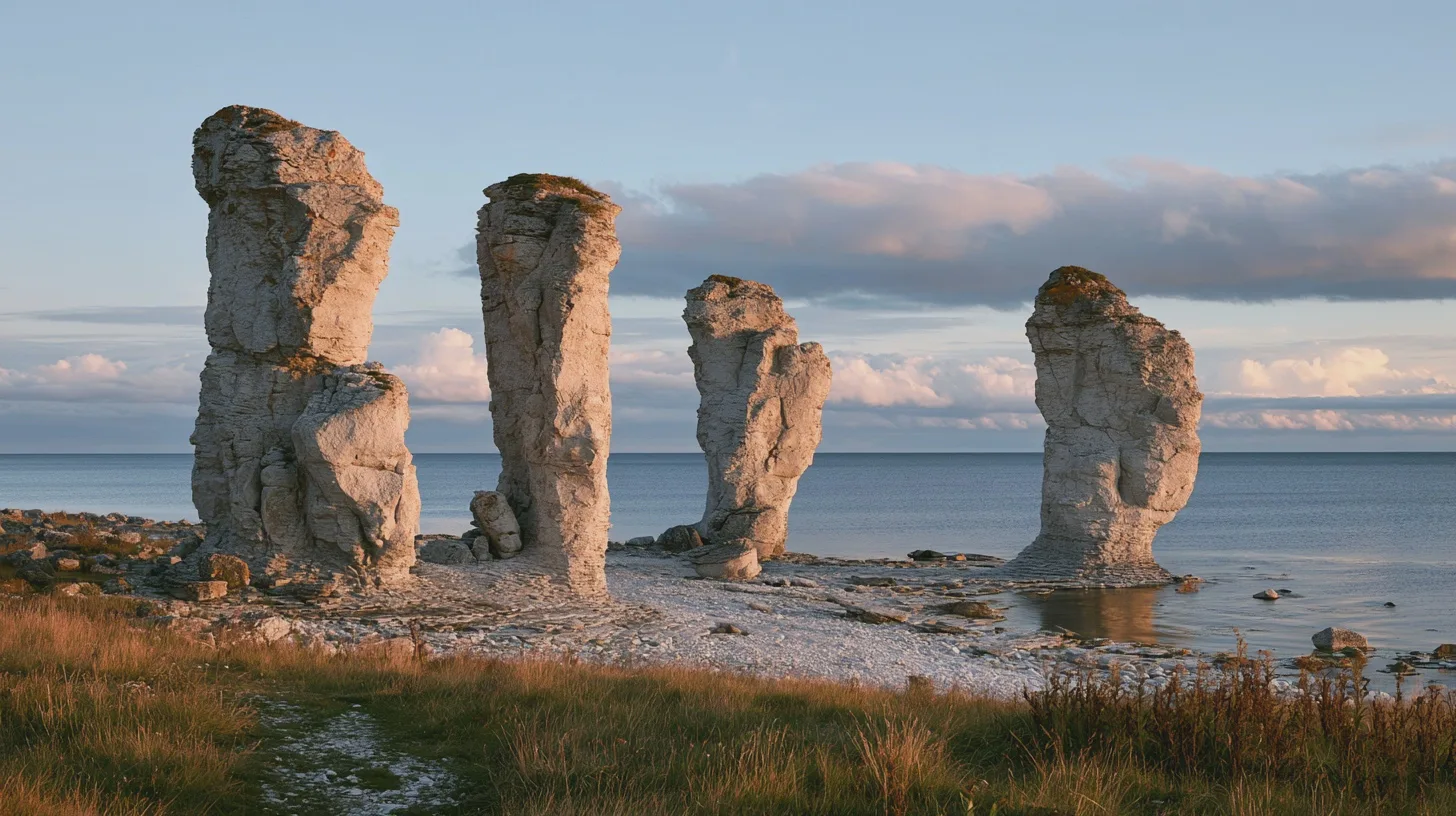
For comparison, Sweden’s Gotland has raukar, limestone sea stacks shaped by wind and waves. Estonia’s Saaremaa has the Kaali meteorite craters and windmills to go with them. On Ireland’s Inis Mór, the largest of the Aran Islands, you can stand at Dún Aonghasa, a stone fort on the edge of a sheer Atlantic cliff, after a ferry from Rossaveal. For trips abroad, check the latest FCDO travel advice and entry requirements, make sure your passport is valid for long enough, carry your GHIC for healthcare in the EU, and buy proper travel insurance. Ireland is in the Common Travel Area, but insurance is still a good idea.
In short
For history, Orkney and Arran beat most of Europe. For getting away from it all, Scilly and Lundy are hard to top. Anglesey and the Isle of Wight have more going on than most people give them credit for. Book ferries early, travel midweek or as a foot passenger where you can, and leave a spare day in case the weather has its say.
Archie Inglis writes about travel for men 45 and over: city breaks, winter sun, road trips, rail journeys, walking holidays and the longer trips you've been putting off. Where's worth going, how to get there without the hassle, and how to make the money go further.
One of Midcent's writers. Spotted something? Write to archie@midcent.uk.
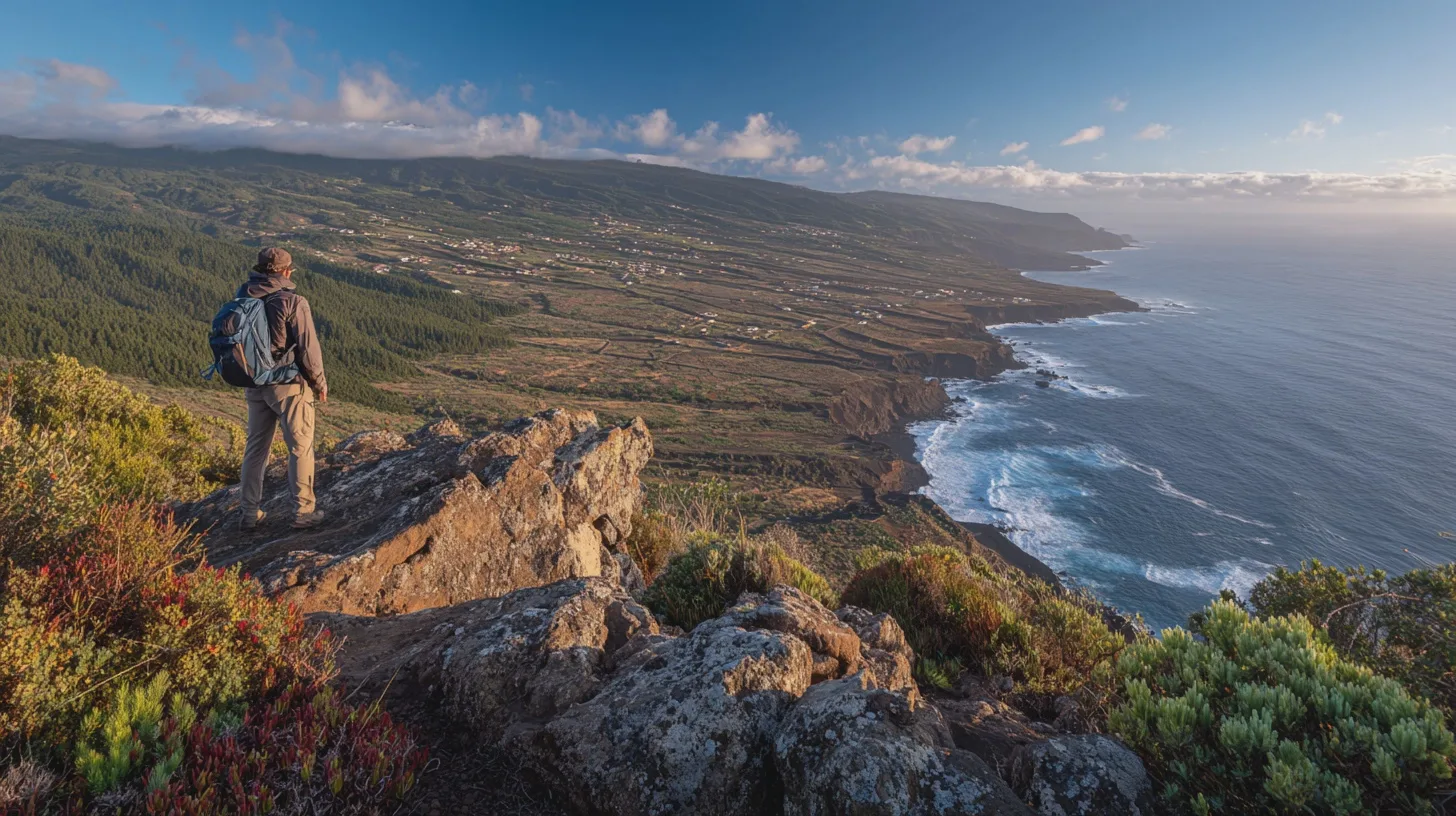
El Hierro is the smallest, most westerly Canary Island. It has no big resorts and no direct UK flights, and that is exactly why it’s worth the extra effort.
From Kintyre to the Julian Alps, these five drives reward getting out of the car. Here’s where to start from Britain, and which famous routes to reconsider.