The ski villages where the bakery matters more than the bar
Smaller Alpine ski villages within easy reach of Geneva, Turin and Innsbruck, with quieter pistes, real village life, cheaper lift passes and the paperwork British skiers need.
Reviewed, edited and approved by Editor-in-chief Daniel Sköld · Updated 24 October 2026
Contents
Most big ski resorts have the same problem. Somebody built a fine mountain, then put up a car park full of apartment blocks at the bottom and called it a village. You get 600km of linked pistes, a queue at every lift and a beer that costs about the same as a small car.
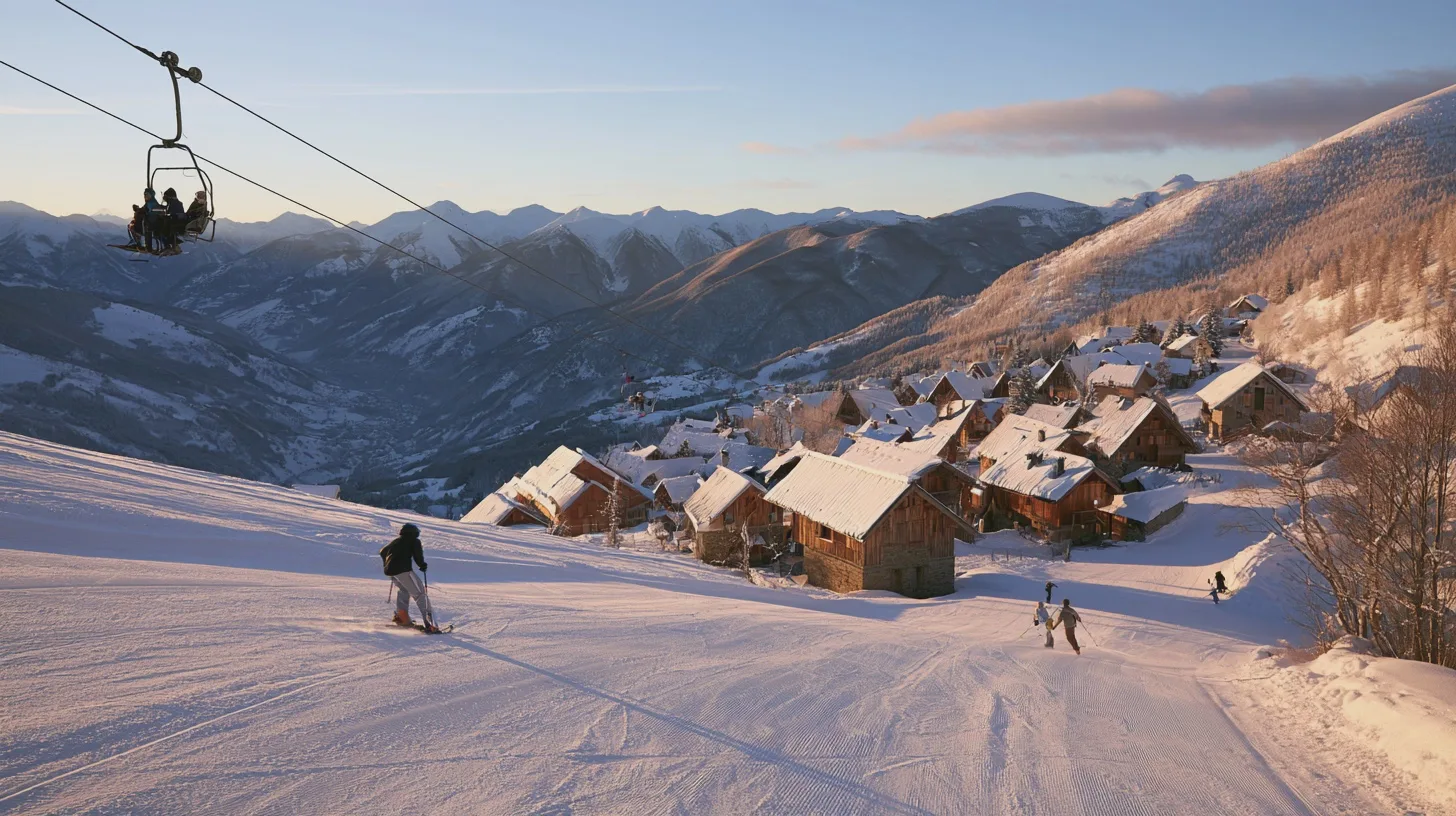
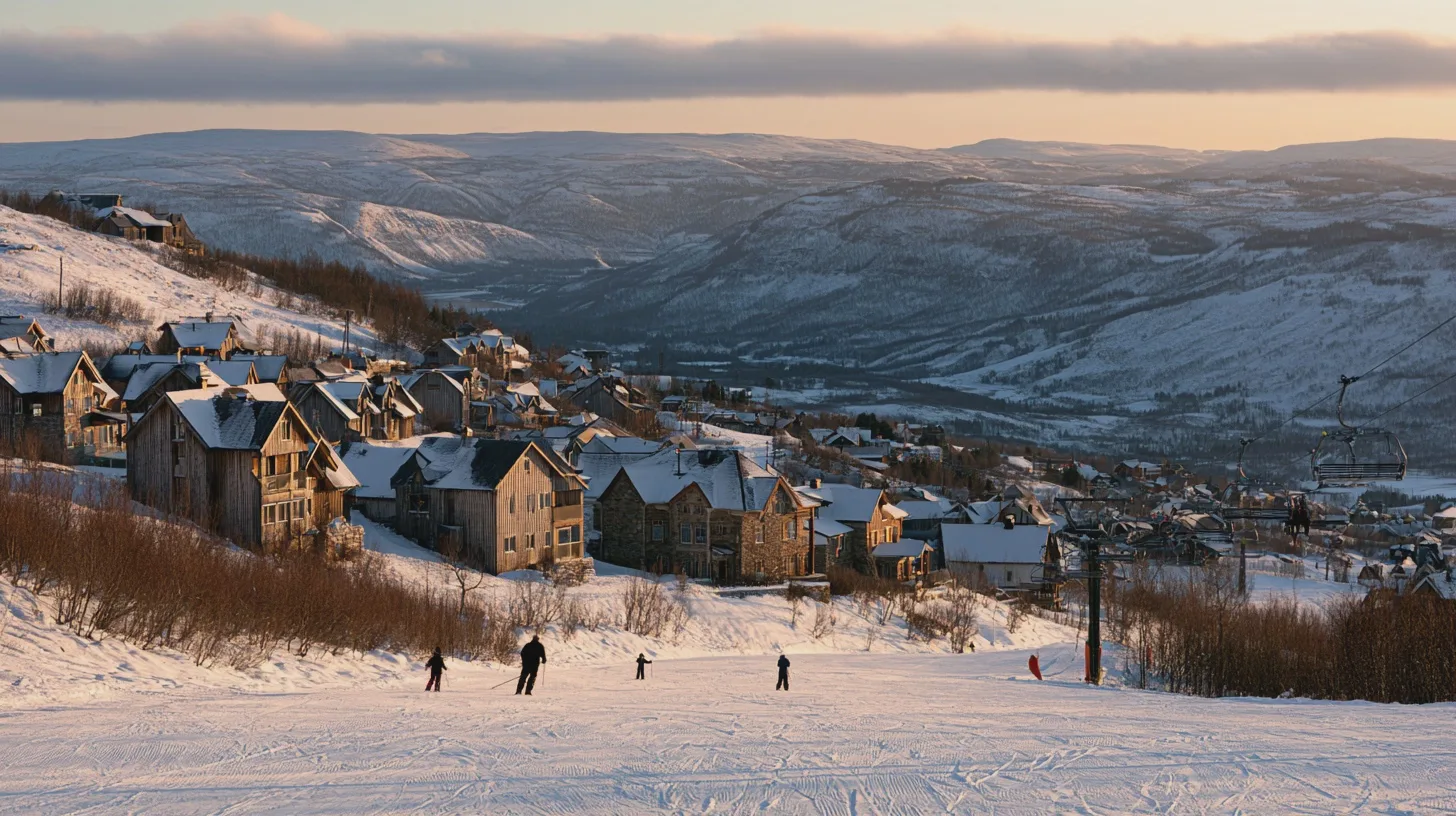
The alternative is a real village where the skiing came later. People live there all year, the baker opens at seven whether or not you’ve turned up, and on a Tuesday in February the red runs are pretty much yours. You get fewer kilometres of piste and a much better week.
AD
Why choose a small ski resort over a big one?
There are three reasons, and every one of them comes back to money or patience. Lift passes in modest ski areas usually cost noticeably less than in the big-name domains. The restaurants serve locals as well as visitors, so prices tend to stay on the ground. And the slopes are quieter, which matters more with every passing year. If your knees have reached the stage where three long, unhurried runs beat ten crowded ones, you won’t miss the extra 300km.
You do give something up. Small resorts often sit lower, so snow can be less reliable early and late in the season. The après-ski is more glass of wine by the fire than dancing on tables in ski boots. Most readers will count that as a plus.
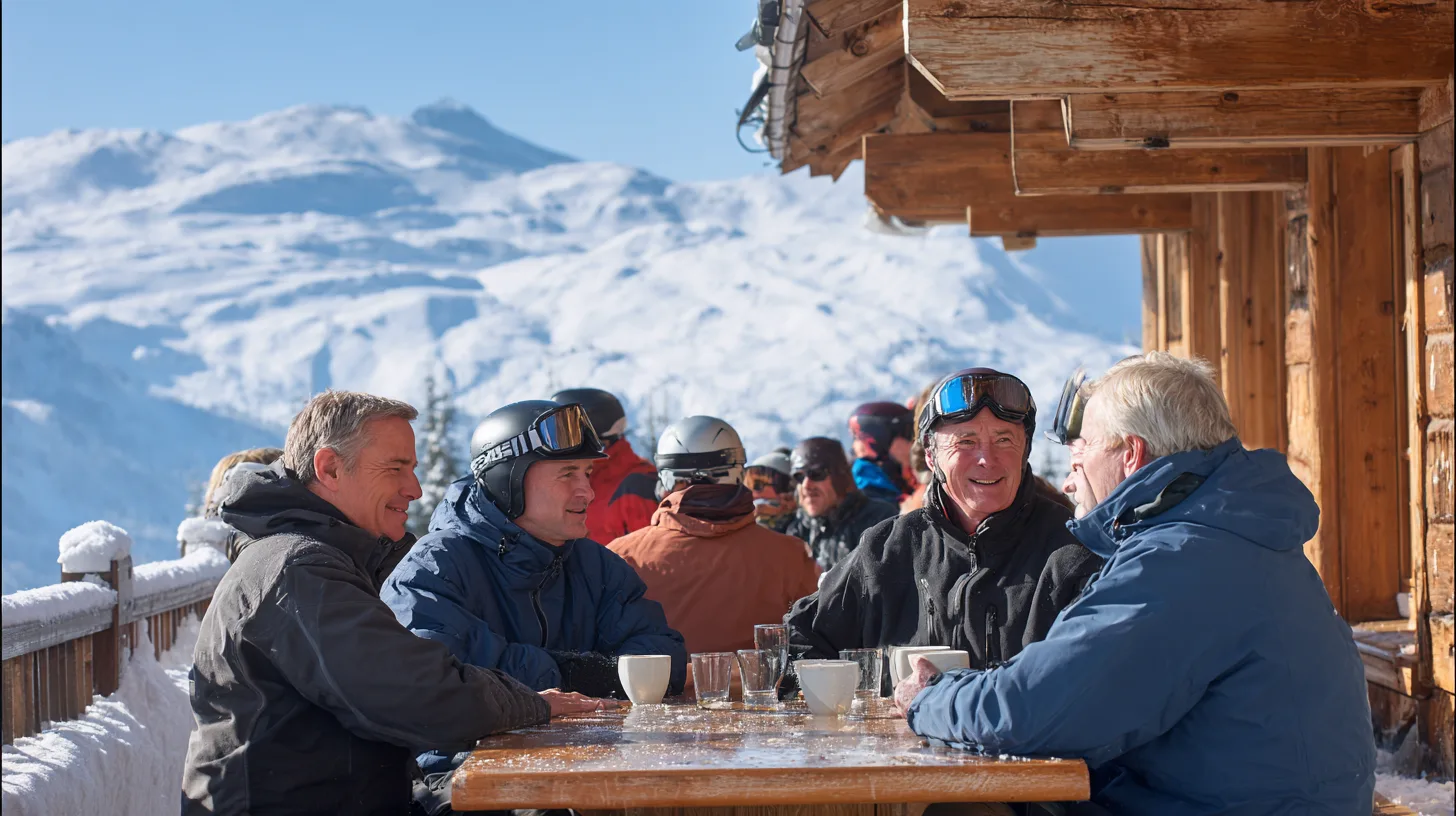
Past a certain age the size of the ski area stops mattering. What counts is how short the lift queue is and how good the soup is at lunch.
Which ski villages are easy to reach from Geneva?
Geneva is the most useful ski airport for British travellers. There are flights from most UK regional airports, and the French Alps start barely an hour from the arrivals hall. Samoëns is the pick of the bunch. It’s a handsome old stonemasons’ village with a proper market square and a gondola up into the Grand Massif, so you get a big ski area without having to sleep in a concrete block. Les Contamines-Montjoie, at the far end of a valley beyond Saint-Gervais, has long, tree-lined runs and an unhurried, family feel. It also has the useful habit of holding on to its snow better than its altitude would suggest.
La Clusaz, in the Aravis, is a working farming village that happens to have four mountains around it. Go for the skiing, and stay for the Reblochon, which is made in the surrounding valleys and served in quantities a cardiologist would have views on.
Is Italy cheaper for skiing than France?
Often, yes, and Turin is the overlooked way in. Bardonecchia is the stand-out for anyone who would rather not hire a car. It sits on the main rail line from Turin to France, so you can get there from the city by regional train. It’s a real town with real shops, and its pistes are wide, sunny and quiet midweek.
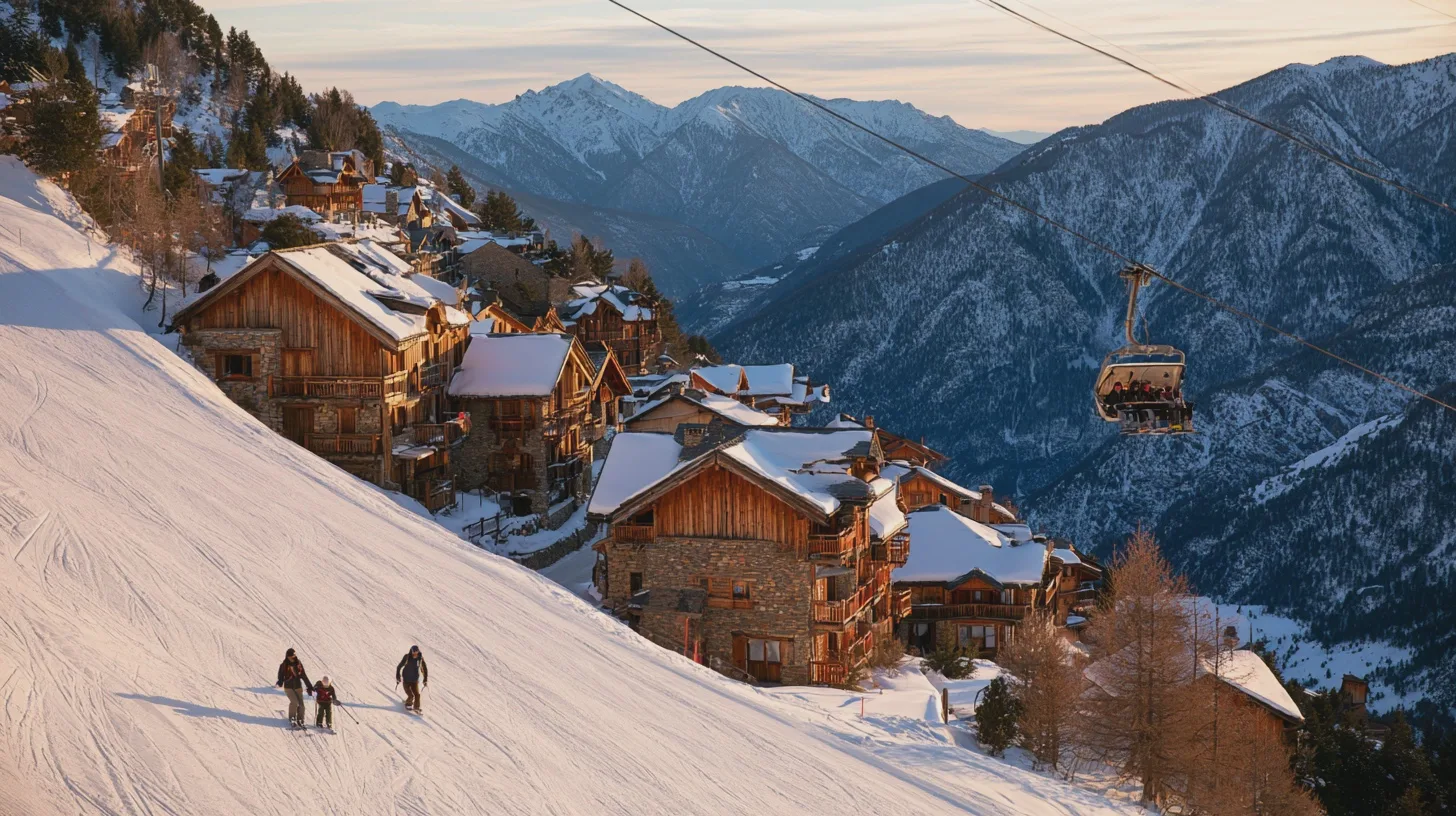
Further north, in the Aosta Valley, Champoluc gives you access to the Monterosa ski area. The village is wood-and-stone and feels far more Alpine than Italian-glitzy. La Thuile links with La Rosière across the French border, so you can have your espresso in one country and your vin chaud in the other. Pila is an oddity worth knowing about. A cable car climbs to it from the town of Aosta, which means you can stay in a Roman city with proper restaurants and still be on the slopes by mid-morning.
AD
The Tyrolean option from Innsbruck
Innsbruck has one of the shortest airport transfers in skiing, and the villages around it are the Alpine postcard you had in mind. Alpbach, roughly an hour away, is regularly called one of Austria’s prettiest villages. Its dark timber chalets and flower-box balconies are protected by strict building rules, and it gives access to the Ski Juwel area. Seefeld, on a sunny plateau above the city, is reached by train from Innsbruck in well under an hour. It’s excellent for cross-country skiing and gentle downhill, which makes it a good choice for mixed-ability couples. Kühtai is a high, compact hamlet with a good snow record and almost nothing to do except ski, eat and sleep, and that is the point of going.
The Austrian weakness is school holidays. Avoid February half-term if you can, because every British family has had the same idea. Mid-January and mid-March are the sweet spots for quiet pistes and lower prices.
What does a week in a small ski resort cost?
Prices move every season, so treat these as rough guides. A package week in a smaller French, Italian or Austrian resort, with flights, transfers and half-board or self-catering, can come in at well under the price of the big-name resorts in the same week. Expect to budget roughly £900–£1,400 per person outside school holidays, and more in February. Then add a six-day lift pass, typically about €250–€350 (around £215–£300) in smaller areas, plus ski hire. The Post Office’s annual ski resort report, produced with Crystal Ski, compares lift passes, hire, lessons and food across dozens of European resorts. It’s worth checking before you book, because Italian and Austrian resorts often come out better value than the French heavyweights.
On the ground, approximate prices look like this. A half-litre of beer is about €5–€7 (roughly £4.30–£6), at the higher end in French resorts. A two-course dinner with a glass of wine costs around €30–€45 per person (£26–£39). A 5km taxi ride runs to about €15–€25 (£13–£22), although in a proper village you’ll rarely need one.
Passports, healthcare and insurance after Brexit
For the EU and Schengen countries, your passport must have been issued less than ten years before the day you arrive. It must also be valid for at least three months after the day you plan to leave. Older passports catch people out every winter, so check the issue date as well as the expiry date. Before you go, read the latest FCDO travel advice and entry requirements for each country you’ll pass through, including any new border registration checks.
A UK GHIC, or an EHIC that is still in date, gives you state-provided medical treatment in the EU on the same terms as local residents. It’s free from the NHS website, so ignore the sites that charge for it. It is not a substitute for travel insurance. It won’t pay for mountain rescue, helicopter evacuation, private clinics in the resort or getting you home. So buy a policy with proper winter sports cover, and read the small print on off-piste skiing, helmets and age limits.
In short
Small Alpine ski villages such as Samoëns, Bardonecchia, Champoluc and Alpbach give British skiers quieter pistes, real village life and lower costs than the famous mega-resorts. You can reach all of them easily from Geneva, Turin or Innsbruck. Go outside February half-term and check that your passport meets the ten-year and three-month rules. Take a GHIC, but don’t travel without winter sports insurance.
Archie Inglis writes about travel for men 45 and over: city breaks, winter sun, road trips, rail journeys, walking holidays and the longer trips you've been putting off. Where's worth going, how to get there without the hassle, and how to make the money go further.
One of Midcent's writers. Spotted something? Write to archie@midcent.uk.
Norway’s Lofoten islands are at their most honest when the weather turns. A guide to the stockfish, the fishing villages, getting there from the UK and visiting without spoiling it.
Tallinn’s medieval Old Town gets the postcards, but a long weekend there is better spent in the harbour quarters, the 1928 public sauna and the craft breweries.
Vietnam’s southern coast is dry when Britain is at its gloomiest, the soup is better than anything in the Canaries, and Britons can stay 45 days without a visa.