Reviewed, edited and approved by Editor-in-chief Daniel Sköld · Updated 23 October 2026
Contents
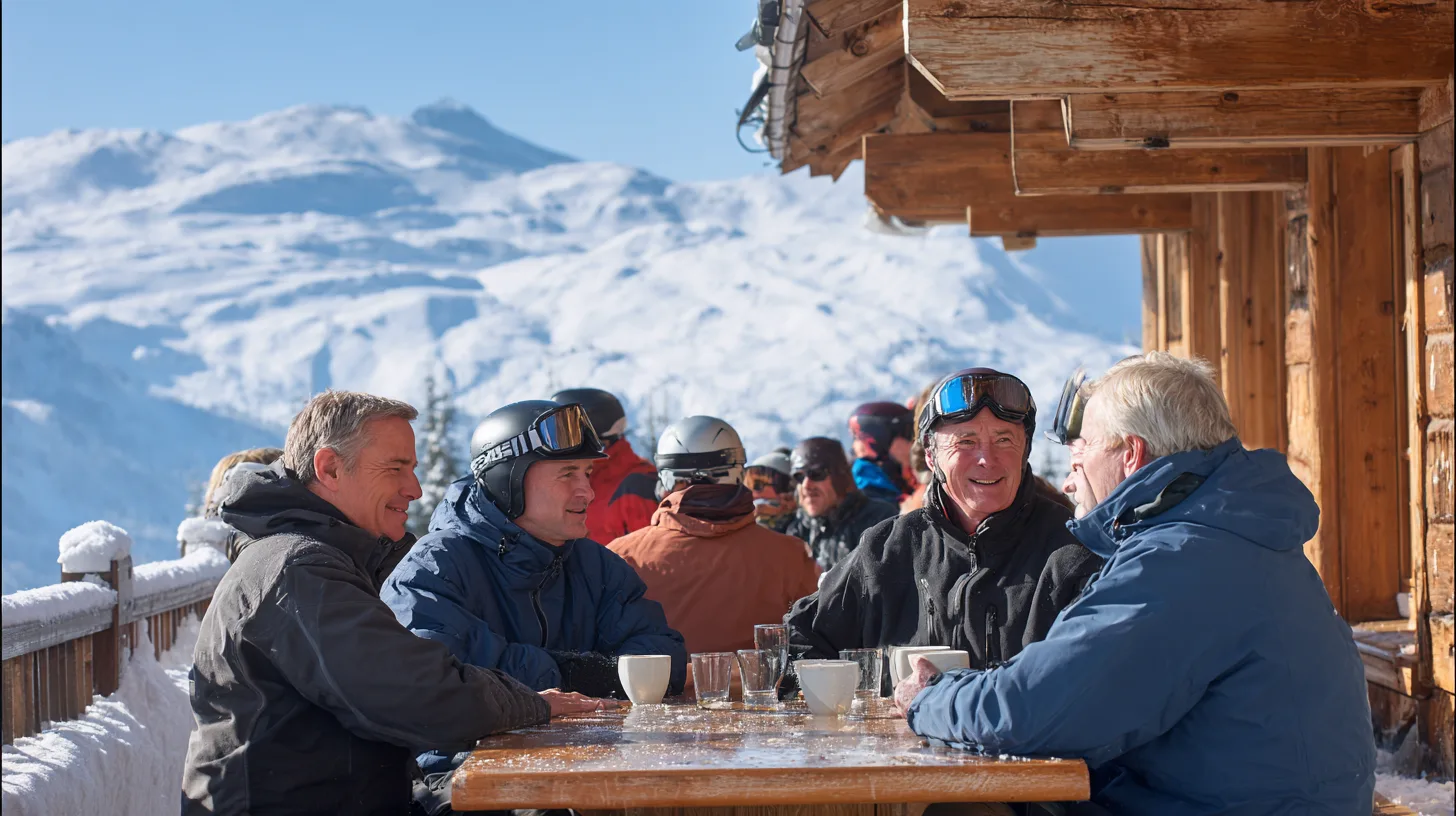
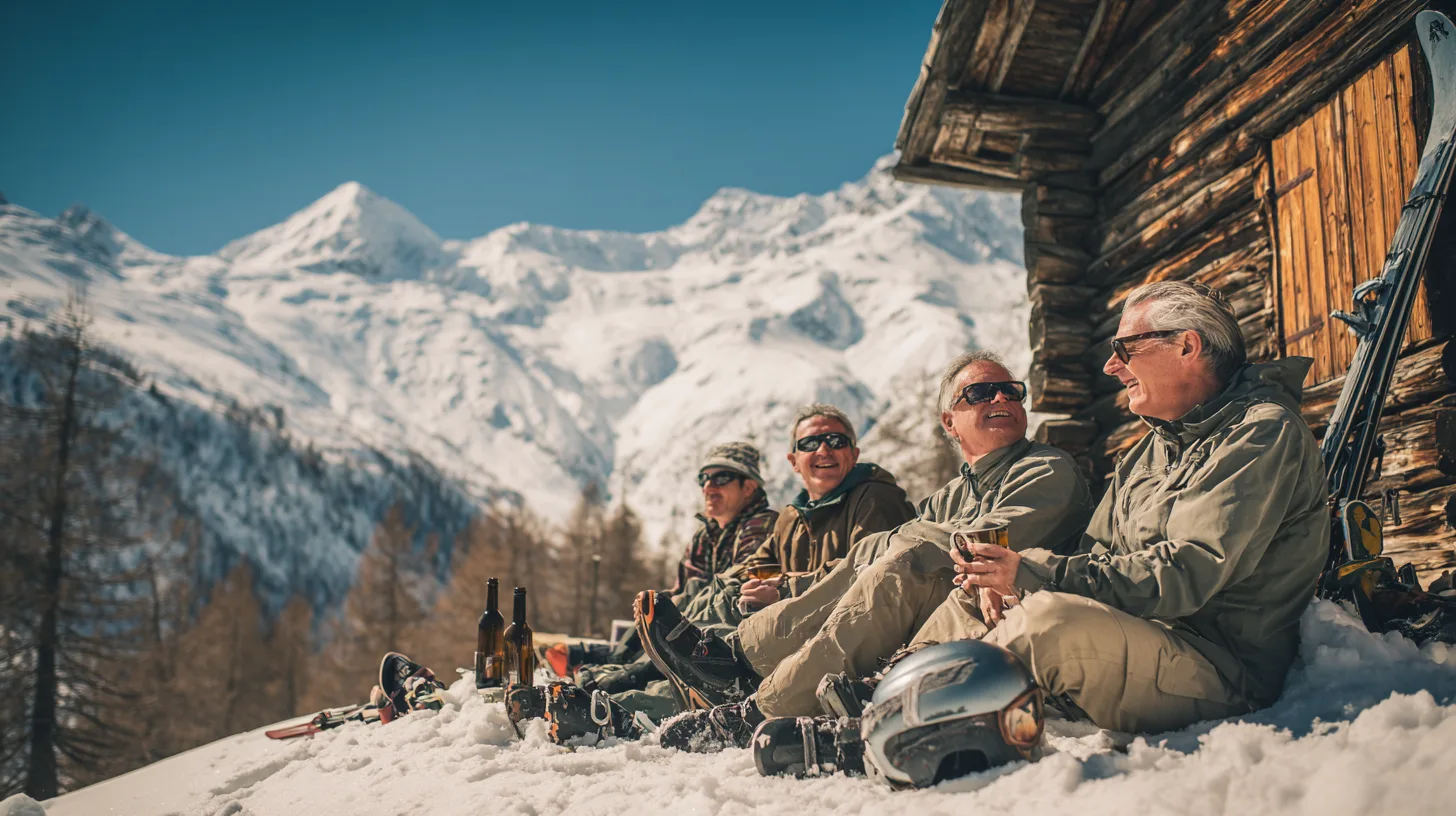
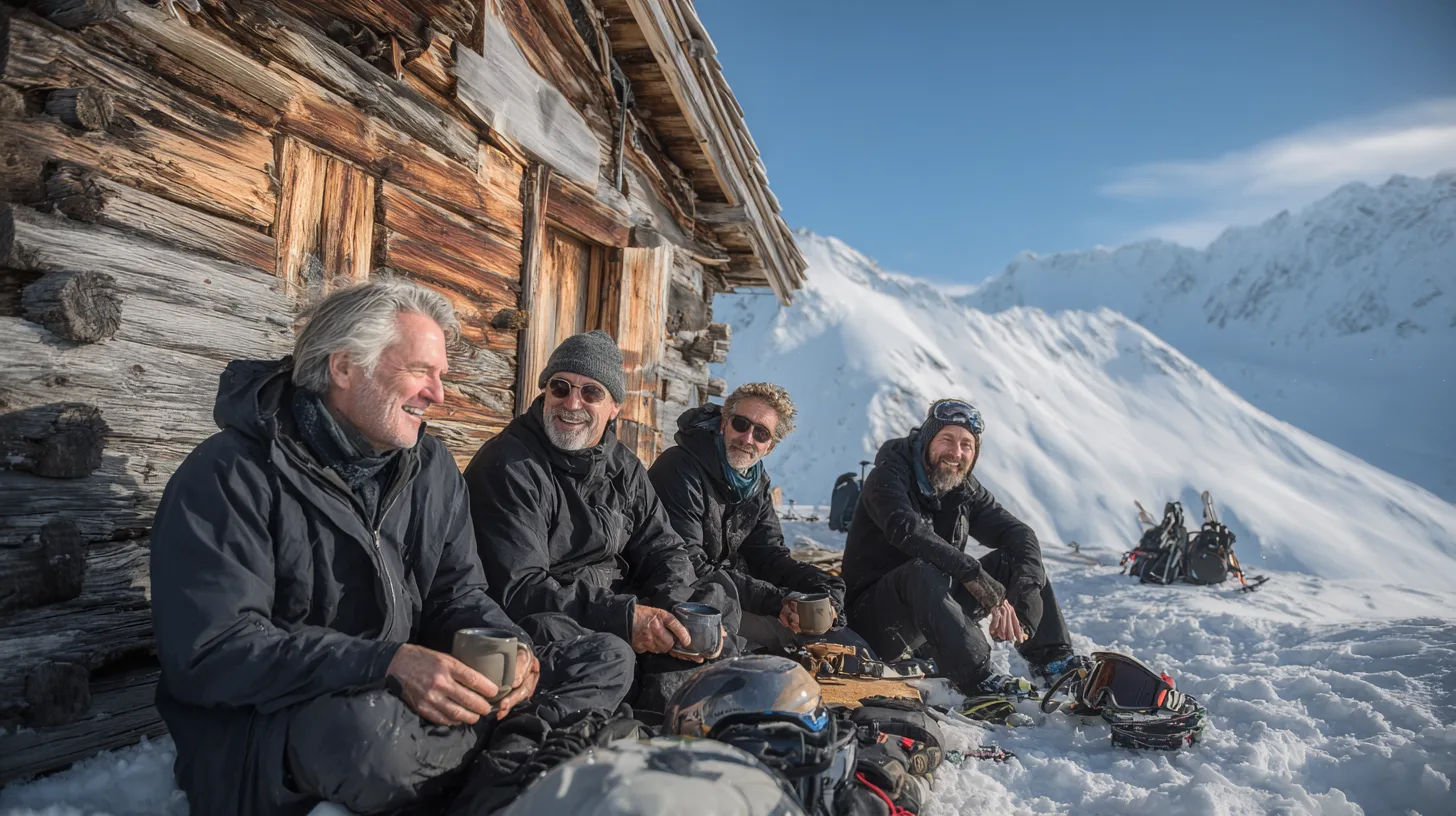
The best part of a spring ski holiday might be the hour when nobody is skiing. Boots are unclipped, somebody has ordered another coffee, and the group is conducting a needlessly detailed inquiry into who took the wrong lift. Nobody has to rush back to work.
There is still proper skiing to be had. The trick is to choose altitude over a pretty but low-lying village, ski when the snow is at its best, and accept that a long lunch is not evidence of declining standards. It may be the point of the trip.
AD
When is the best time to ski in the Alps in spring?
For a group booking a trip rather than chasing a forecast, late March and early April are the sensible starting points. Look for a high resort with a substantial ski area, not merely a famous name. Later in April can work brilliantly, but check the closing dates for the particular lifts and linked areas you intend to use. A resort can still be open when the cross-valley tour you fancied is not.
Spring changes the rhythm of a ski day. Start reasonably early: pistes may be firm first thing, then soften as the sun reaches them. If the lower runs become heavy in the afternoon, head higher or stop. You needn’t turn a good morning into an exhausting final descent simply because the lift pass technically lasts until closing time.
Pack for two seasons on the same day: layers, a waterproof shell, decent gloves and sun protection. Check the resort’s live lift and piste reports each morning. A published closing date is a plan, not a promise that every run will be open regardless of weather or snow.
The finest spring-ski achievement is knowing when to stop skiing.
Which Alpine resorts are worth a spring trip?
Val Thorens, France, for dependable altitude and easy group logistics. The resort sits at 2,300 metres and puts a lot of skiing close to your door. Its purpose-built buildings will not win a contest against a centuries-old Alpine village, but proximity to the lifts is attractive when six adults are trying to leave at the same time. For the 2026–27 season, Val Thorens–Orelle is scheduled to remain open until 2 May 2027; the wider Three Valleys area is scheduled to close on 18 April. Book a late trip for Val Thorens itself, not on the assumption that all three valleys will still be linked.
Tignes, France, for the group that wants room to roam. The Grande Motte glacier gives the resort a high-altitude backbone, while its different bases let you choose your preferred balance of convenience and noise. Val Claret makes sense if getting onto the slopes matters most. Tignes le Lac offers another central base; quieter Les Brévières sits lower, so think carefully before choosing it for a late-season trip. The linked Tignes–Val d’Isère area is scheduled to close on 2 May 2027. As ever, check what is actually operating before buying a pass.
Sölden, Austria, for a different kind of final flourish. Its Rettenbach and Tiefenbach glaciers keep skiing going into spring, with easier terrain on Tiefenbach and more demanding options on Rettenbach. Sölden’s published spring-glacier ticket period for 2027 runs from 19 April to 2 May. That distinction matters: a glacier-only pass is not the same thing as having the whole winter ski area at your disposal. Choose it for a few satisfying days on high snow, not for an ambitious tour of every corner of the valley.
None of these places guarantees sunshine or perfect snow. They offer something more useful when friends must agree dates months ahead: high terrain and a clearly stated late-season plan. Decide whether the group values maximum mileage, a relaxed base or a shorter trip before anybody opens a booking spreadsheet.
AD
How do you get there from the UK without losing a day?
For Val Thorens, compare flights into Geneva and Lyon, then price a pre-booked shared coach or transfer as well as the airfare. By rail, travel through Paris towards Moûtiers and continue by bus to the resort. Check the connection carefully: Val Thorens says its London Eurostar Snow service for 2026–27 runs in winter, not through the late-spring dates discussed here. Tignes also needs an onward mountain transfer, so a cheap flight is only the beginning of the calculation.
For Sölden, compare flights to Innsbruck with the total cost of the onward journey. The resort recommends travelling by train to Ötztal-Bahnhof and taking a bus into the valley; check the bus connection and your arrival time before committing to a late flight. Salzburg sounds temptingly Alpine on a flight-search screen, but it is a much longer transfer to Sölden. Book the journey to the resort, not just to a mountain-adjacent airport.
Agree the unglamorous arrangements before taking deposits from your mates: who wants lessons, whether anyone plans to ski off-piste, how many days you actually need a pass, and whether everyone can walk to the same lift. A central apartment may cost more than beds scattered across town, but it can save a surprising amount of time waiting for the last person to locate his gloves.
What will a spring ski trip actually cost?
There is no honest single price for a week: accommodation, flights, equipment hire and transfers change substantially by date and booking. There are useful benchmarks, though. For 2026–27, a six-day adult Val Thorens–Orelle lift pass during the spring period is listed at €367.50, approximately £308 at the European Central Bank’s 21 October 2026 reference rate. Check whether you need a wider-area pass before paying extra. Later-season skiing does not automatically mean a discounted lift ticket.
Everyday costs in Val Thorens: a 50cl draught beer — a little less than a pint — is €10 (about £8) on one restaurant’s published menu. A typical sit-down main course there is around €30–€38 (about £25–£32) per person, before drinks or dessert. As a rough guide, a metered taxi journey of about 5 km might be around €15–€21 (about £13–£18), depending on time and charges; ask for an estimate before booking. These are planning figures, not a promise about every bar, restaurant or cab in the resort.
Good value is less about finding a mythical cheap Alpine pint than avoiding costs nobody wanted: an airport transfer for four booked at the last minute, a pass covering closed terrain, or a taxi because the apartment is inconveniently far from the lifts. Eat well one evening, cook or keep things simple the next, and give yourselves permission to spend the afternoon on a terrace rather than squeezing out one more run.
Before travelling, check the latest FCDO advice and entry requirements for every country on your route, including passport validity. Take a UK GHIC if eligible, but do not mistake it for ski insurance: the NHS says it does not cover mountain rescue or medical repatriation. Check that your travel policy covers winter sports, the activities you plan to do and any rescue costs. Off-piste plans deserve a separate conversation with your insurer and, on the mountain, proper local advice.
In short
For a spring ski trip with friends, choose a high resort, aim first at late March or early April, and verify which lifts remain open before booking. Val Thorens and Tignes offer substantial French ski areas; Sölden is a strong option for late glacier skiing. Ski the good hours, budget for the transfer as well as the flight, and never let the pursuit of one last run spoil a perfectly good lunch.
Archie Inglis writes about travel for men 45 and over: city breaks, winter sun, road trips, rail journeys, walking holidays and the longer trips you've been putting off. Where's worth going, how to get there without the hassle, and how to make the money go further.
One of Midcent's writers. Spotted something? Write to archie@midcent.uk.
Smaller Alpine ski villages within easy reach of Geneva, Turin and Innsbruck, with quieter pistes, real village life, cheaper lift passes and the paperwork British skiers need.
Forget the beach-club Algarve. In winter, southern Portugal offers long walks, working towns and room to breathe — provided you pack for the weather you’ll actually get.
Venice in winter has fog, quiet canals, cheaper hotels and no day-tripper fee. Here’s when to go, what to pack, and how high water and new border checks affect British visitors.
Forget the expensive spa itinerary. Reykjavík’s winter-bathing ritual is cheaper, more sociable and occasionally much colder: here’s where to try it, and when to stay warm.