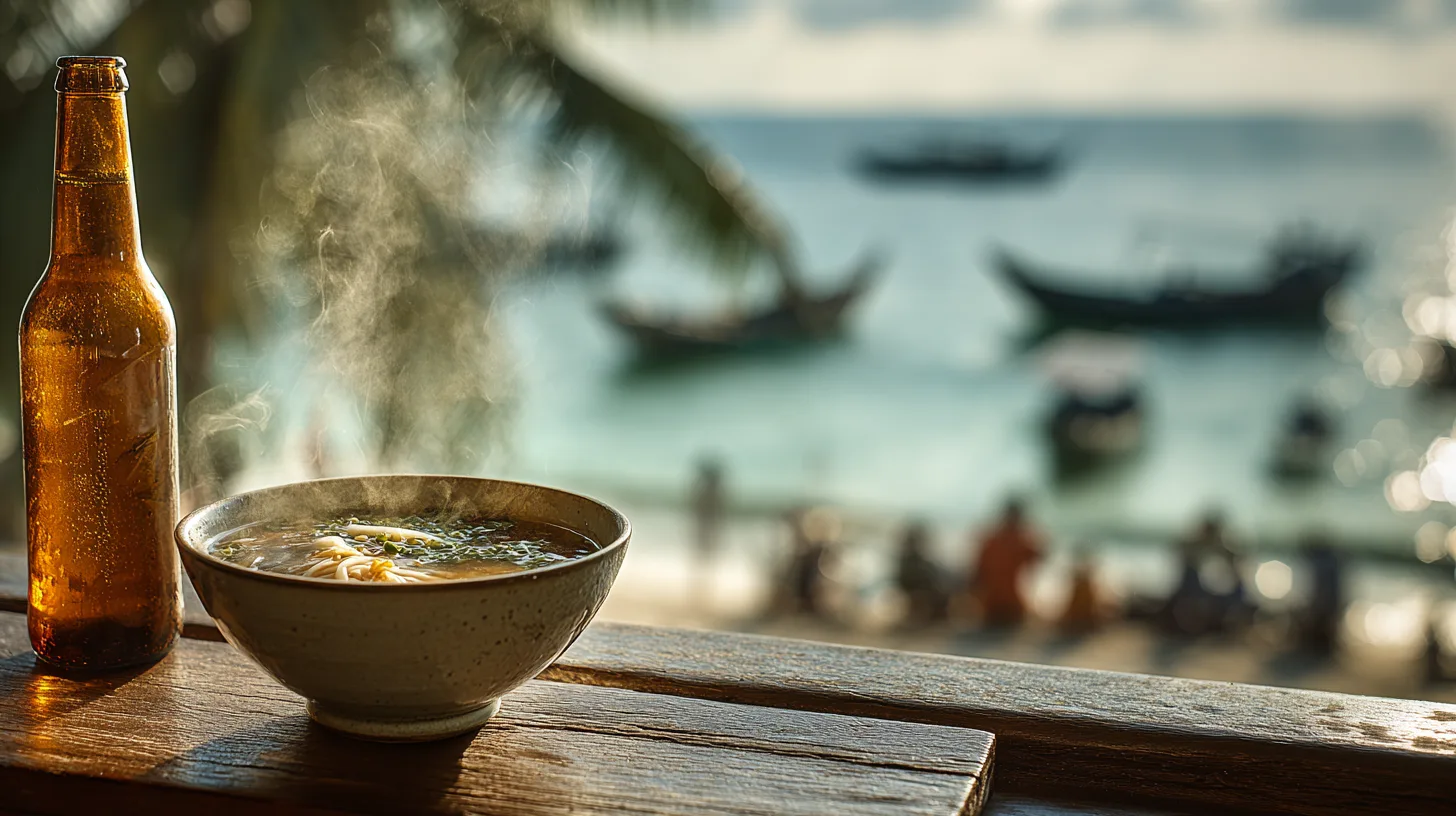
Here’s something the glossy brochures rarely say: half of Vietnam’s coast is a washout at Christmas. The country stretches roughly 3,000 km from top to bottom, and its weather splits accordingly. While the central coast around Hoi An and Da Nang is having its wettest months, the far south is drying out, warming up and getting ready for exactly the sort of person who has had enough of British drizzle by mid-November.
Get the geography right and Vietnam is about the best winter-sun deal going for anyone tired of the Canaries. Flights are long, but on the ground the sea is warm, the seafood is cheap, and a cold beer costs less than a first-class stamp. Get it wrong and you’ll spend a fortnight watching rain hammer a hotel pool in Hoi An.
Where in Vietnam is warm and dry in winter?
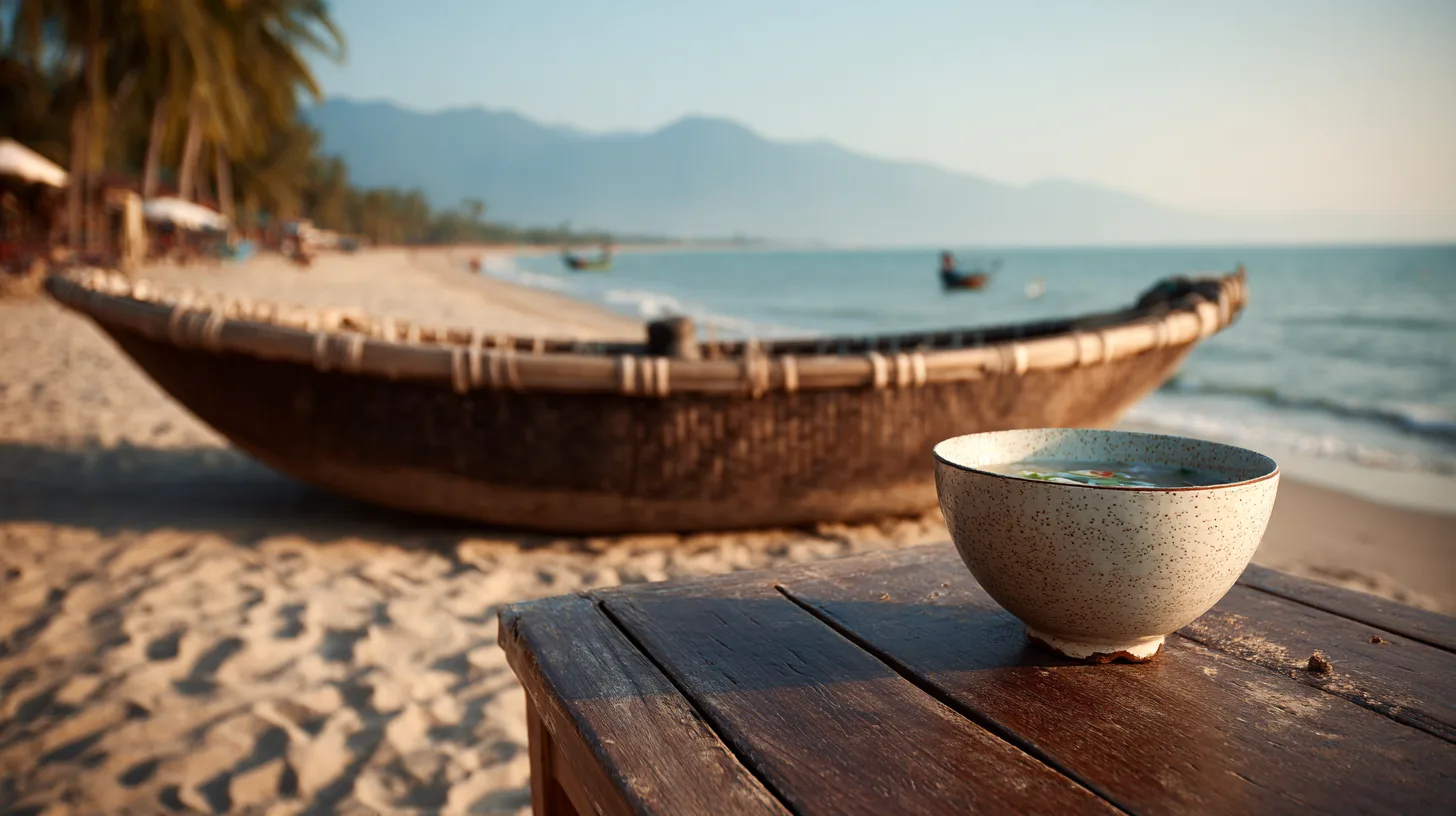
Go south. From roughly November or December to April, the southern provinces have their dry season: blue skies, temperatures around 30°C and sea you can wade into without gasping. The north is the opposite. Hanoi and Ha Long Bay are cool and often grey in December and January, so they’re lovely for wandering about in a jacket and no good for sunbathing. The central coast, home to Hoi An, Da Nang, Nha Trang and Quy Nhon, usually takes its heaviest rain and occasional floods between September and December. It comes into its own from about February to August.
So for a Christmas or New Year escape, look at the islands of Phu Quoc and Con Dao and the coast east of Ho Chi Minh City. For a February or March trip you can add the central beaches, and that’s when a combined beach-and-culture holiday makes most sense.
One date to watch is Tet, the Lunar New Year, which falls in late January or February. It’s the country’s biggest holiday. Domestic flights and trains fill up, prices rise and plenty of family-run restaurants shut for several days. The atmosphere is great, but book early or pick different dates.
Phu Quoc, the easy option
Phu Quoc is Vietnam’s largest island, sitting in the Gulf of Thailand about an hour’s flight from Ho Chi Minh City. It’s the obvious choice for winter sun, and these days a fairly developed one. Big resorts, a theme park and a long cable car to the southern islands have arrived in the last decade or so, and parts of the island feel like they’ve been built in a hurry.
The trick is to use the island rather than stay inside your resort. Long Beach on the west coast is where the sunsets are, and they are the reason most people come. Sao Beach in the south-east has the pale sand from the postcards. Inland are pepper farms, and the island’s fish sauce makers are worth a visit if your nose can take it. In the evening the night market in Duong Dong town sells grilled squid, sea urchin and scallops by the plateful. For something more local, have bun quay, a noodle soup you season yourself at the table, or the raw herring salad wrapped in rice paper and herbs.
Vietnam rewards the traveller who checks a weather map before a hotel website.
Con Dao, for those who want quiet and some history
If Phu Quoc sounds a bit busy, Con Dao is the antidote. It’s a small archipelago off the south-east coast, reached by short flights from Ho Chi Minh City, and much of it is national park. The beaches are empty and the roads are almost free of traffic. The diving and snorkelling are the best in southern Vietnam.
There’s a darker side that makes it more than a beach stop. For more than a century, under the French and then the South Vietnamese government, the islands were a notorious prison colony. The old prisons, including the infamous tiger cages, are open to visitors, and the Hang Duong cemetery is a place of pilgrimage for Vietnamese visitors, especially at night. It’s sobering, well presented and very much worth an afternoon. Accommodation is limited and not especially cheap, so book ahead. Sea conditions are usually calmest towards spring.
Do British citizens need a visa for Vietnam?
For a normal holiday, no. Since August 2023, British citizens have been able to stay in Vietnam for up to 45 days without a visa. That’s plenty for even the most leisurely winter escape. If you want to stay longer, Vietnam now offers an e-visa to all nationalities, valid for up to 90 days with multiple entries, so you could winter there properly. Apply only through the government’s official e-visa portal. A crowd of lookalike agency sites will happily charge you several times the real fee for doing the same form. Rules can change, so before you book, check the latest FCDO travel advice and entry requirements for Vietnam, including how long your passport needs to be valid. Your GHIC won’t help outside the EU, so proper travel insurance with medical cover is essential.
Getting there is simpler than many people expect. Vietnam Airlines flies direct from London Heathrow to both Hanoi and Ho Chi Minh City. The flight takes around 12 to 14 hours, and there are plenty of one-stop options through the Gulf or South-east Asian hubs. From Ho Chi Minh City, domestic flights to Phu Quoc and Con Dao are short and usually reasonably priced. In winter Vietnam is seven hours ahead of the UK, so allow a day for the jet lag.
How much does a beach holiday in Vietnam cost?
Less than you’d think once you’ve landed, and that’s the point. Out of the main resort complexes, eating out is so cheap that you’ll stop doing sums. The best food is often at plastic stools and steel tables, not in hotel restaurants charging European prices for a sad club sandwich.
Rough prices to expect, at around 33,000 Vietnamese dong to the pound (check the current rate before you go):
A local beer in a bar or restaurant: 25,000–40,000 dong (about 75p–£1.20). Fresh draught bia hoi on the street can be even less.
Dinner for one at a decent local restaurant, with a drink: 200,000–400,000 dong (about £6–£12). Seafood by weight and resort restaurants cost more.
A taxi ride of about 5 km: 60,000–100,000 dong (about £1.80–£3). Use a ride-hailing app or a reputable metered firm rather than whoever shouts loudest at the airport.
Cash is still useful at markets and small cafés, though cards are widely accepted in hotels and larger restaurants. The main tourist trap is the beachfront restaurant with an English menu and no prices on the seafood tank. Ask the price per kilo before anything is weighed, or walk a couple of streets inland, where the locals eat.
In short
Vietnam is an excellent winter-sun alternative as long as you head south. Phu Quoc and Con Dao are dry and hot from around December to April, while the central coast is better from February onwards. Britons can stay up to 45 days without a visa, or longer on the official 90-day e-visa, and once there a beer costs about a pound and a good dinner about a tenner. Check the FCDO advice, buy proper insurance and avoid Tet unless you’ve booked early.
Sources

Midcent Travel
Archie Inglis writes about travel for men 45 and over: city breaks, winter sun, road trips, rail journeys, walking holidays and the longer trips you've been putting off. Where's worth going, how to get there without the hassle, and how to make the money go further.
One of Midcent's writers. Spotted something? Write to archie@midcent.uk.