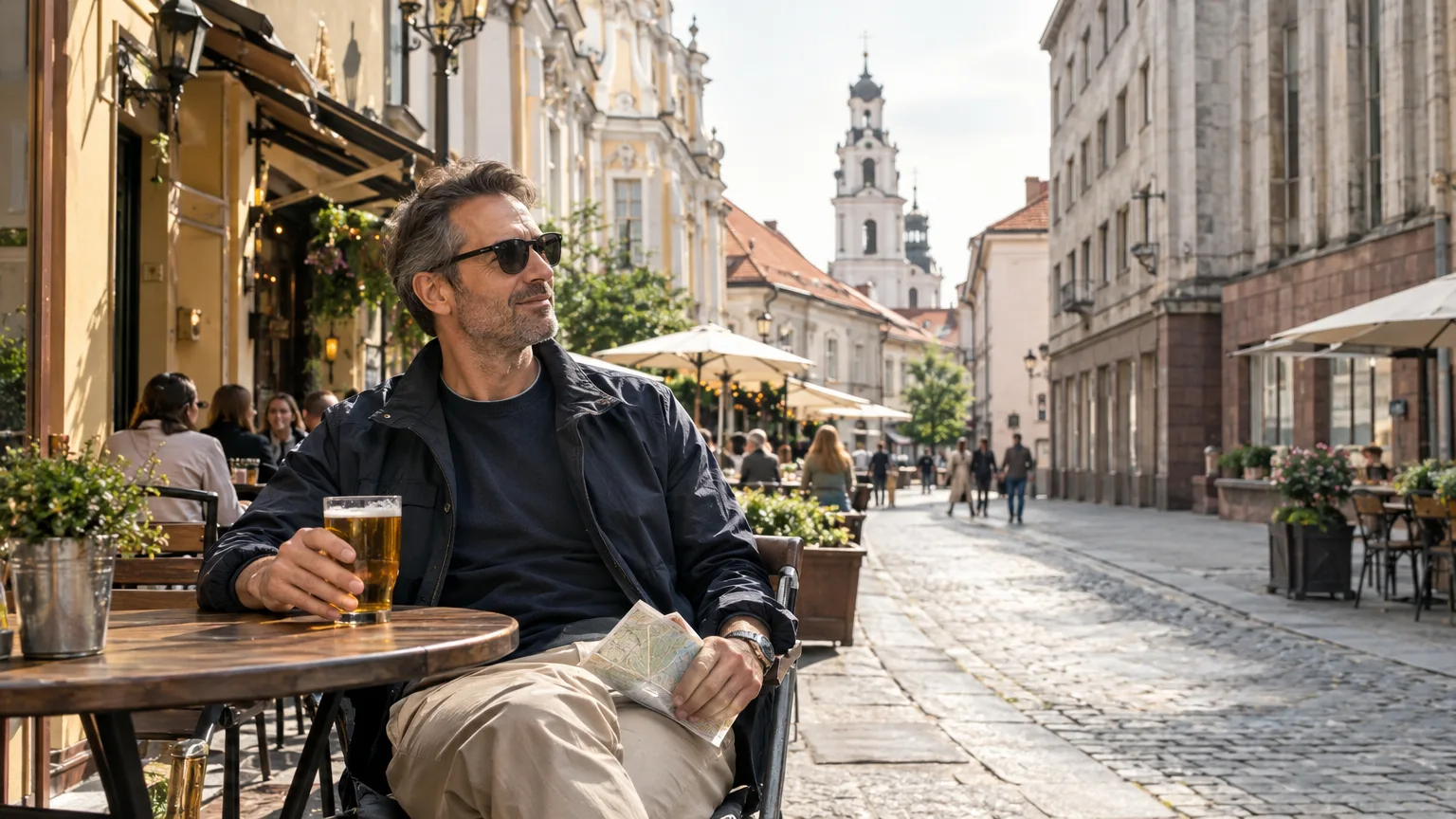
A 7–10 day fly-drive from Riga to Vilnius, planned around rye bread, smoked fish, Karaim pasties and cepelinai, with realistic prices in pounds and the back roads worth taking.
Reviewed, edited and approved by Editor-in-chief Daniel Sköld · Updated 23 October 2026
Contents
Most British visitors to the Baltics see Riga’s art nouveau, Vilnius’s baroque and the inside of a stag party’s bar bill, then fly home thinking they’ve done it. They’ve missed the best bit. Between the two capitals are hundreds of miles of pine forest, empty beaches and small towns that still bake rye bread the hard way. A hire car gets you to all of them.
So here’s a simple idea for a week or so. Fly into Riga, fly home from Vilnius, and plan each day around where you’re having lunch. The sights will come along anyway. The meals are the reason to go.
AD
How do you get to Latvia and Lithuania from the UK?
Direct flights are easy to find and often cheap. airBaltic, Latvia’s national airline, flies from Gatwick to Riga. Ryanair and Wizz Air both fly from London airports to Riga and Vilnius. Regional routes from elsewhere in the UK come and go with the seasons, so check before you assume your nearest airport has one. The flight takes about two and a half to three hours.
Fly in to one city and home from the other, so you never have to drive back the way you came. The one catch is the one-way, cross-border hire. Most big rental firms will let you drop a Latvian car in Lithuania, but they charge for it, sometimes a lot, so compare the all-in price before you book. Both countries use the euro, drive on the right and want dipped headlights on all day. Drink-drive limits are lower than in England and Wales. The simple rule is not to drink at all if you’re driving. Winter tyres are compulsory in the colder months, which is another reason to go between May and September.
Before you go, read the latest FCDO travel advice for Latvia and Lithuania on GOV.UK. Check your passport has enough validity left for Schengen travel and the EU’s new entry rules for UK visitors. Pack your GHIC and buy proper travel insurance that covers driving abroad.
Days one to four: Riga, rye and the road west
Spend your first morning at Riga Central Market. It’s housed in five vast hangars originally built for Zeppelins, which is not the sort of thing you see at your local Waitrose. Look out for rupjmaize, the dense, dark rye bread Latvians take seriously, plus smoked fish, sauerkraut by the bucket and honey from forest beekeepers. For a cheap introduction to Latvian home cooking, the Lido canteen-restaurants serve grey peas with bacon and potato pancakes at prices that will make you suspicious. They’re fine. Grey peas look like a punishment and taste like a pub snack.
Then head west into Kurzeme, known to English speakers as Courland. Kuldīga is about two hours’ drive from Riga. It’s a handsome old town of wooden houses beside the Venta Rapid, which is often called the widest waterfall in Europe, though it’s only about knee high. This is the place to try sklandrausis, a small open rye pie filled with potato and carrot, sweetened and spiced. It’s protected in the EU as a traditional speciality. Carrot in a pudding sounds like a 1940s rationing tip until you eat one.
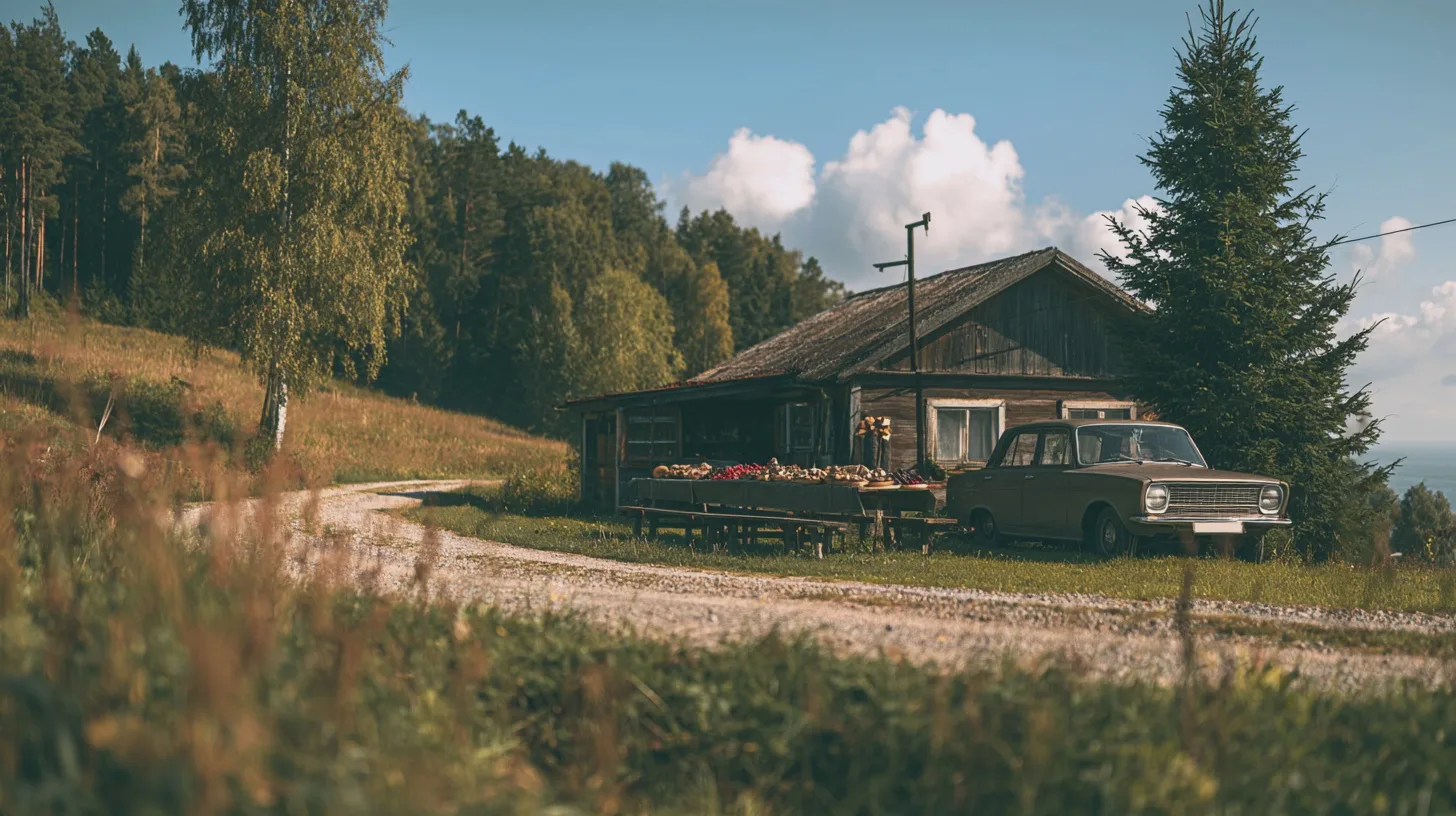
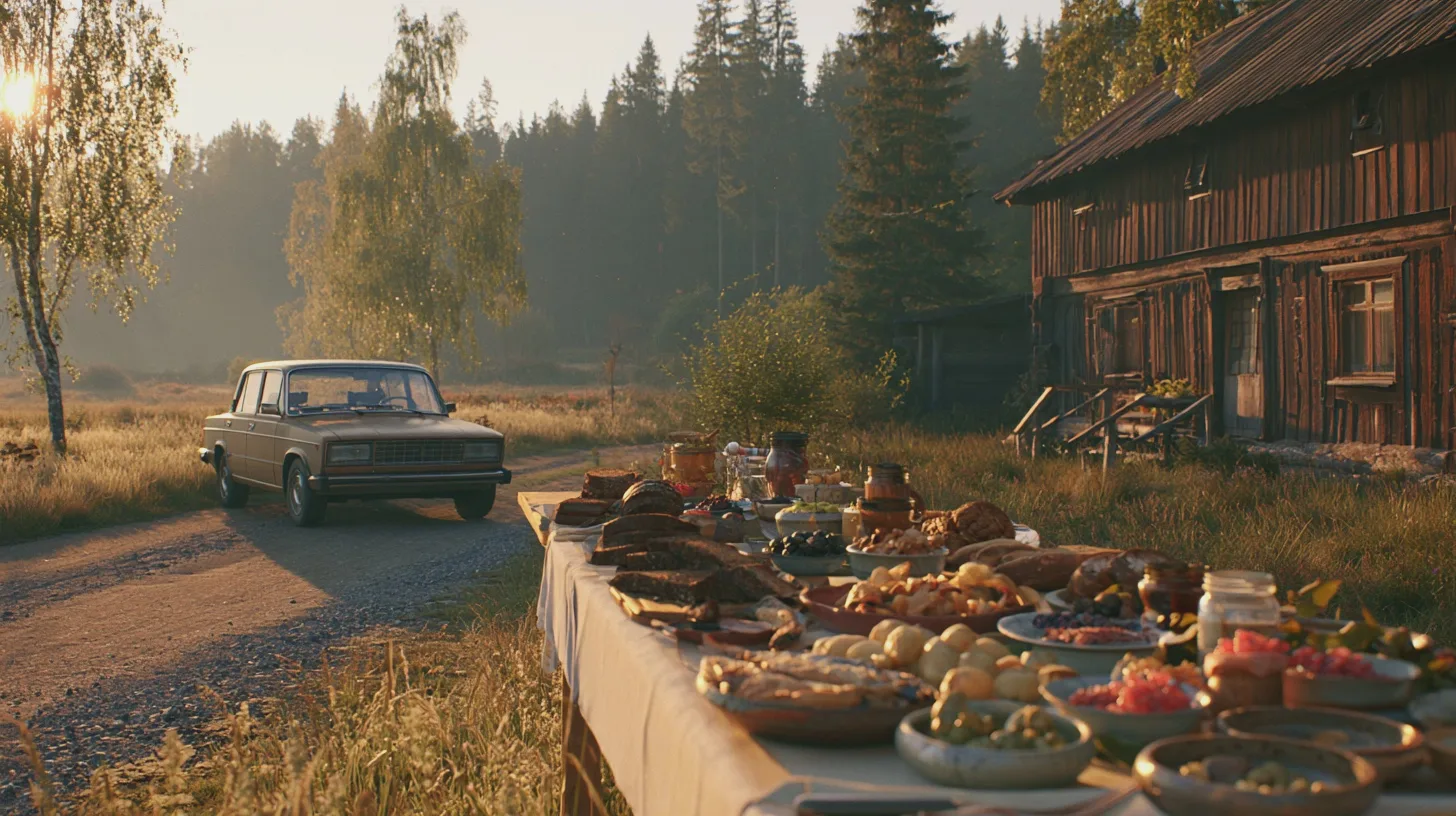
From Kuldīga, carry on to the Baltic coast at Liepāja. On the way, look for hand-painted signs advertising smoked fish (kūpināta zivs) outside farmhouses and small smokehouses. Buy what’s just come out of the smoker, find a dune and eat it with your fingers.
In the Baltic countryside the signposts that matter aren’t for towns. They’re the hand-painted ones that just say smoked fish.
AD
Days five to seven: across the border to the Curonian Spit
The border with Lithuania is about an hour south of Liepāja, and you’ll barely notice it. Head on to Klaipėda and take the short car ferry across to the Curonian Spit. This narrow strip of dunes and pine forest is on the UNESCO list and runs south towards Nida, near the Russian border. Smoked fish is the local religion here too. Juodkrantė and Nida both have places selling it fresh from the smoker, alongside cold beer and views that have barely changed in a century. Book accommodation in Nida well ahead in July and August.
On the way back inland, take a day in Žemaitija (Samogitia), the forested north-west, around Plateliai lake and Žemaitija National Park. Lithuanians will tell you, with some pride, that Samogitians are stubborn and their food is honest. Try kastinys, a whipped sour-cream butter served with potatoes. If you’d rather take the northern route between the countries, the Hill of Crosses near Šiauliai is a strange and moving stop. Hundreds of thousands of crosses stand on one small mound, and nobody quite knows when they’ll stop counting.
What should you eat in Lithuania?
Potato, in more forms than you thought possible. Cepelinai are large potato dumplings stuffed with meat or curd and served with sour cream and crisp bacon. They’re named after the airships, so between them and Riga’s market hangars this trip has an unexpected Zeppelin theme. Kugelis is a baked potato pudding. Šaltibarščiai is a cold beetroot soup in a shade of pink that no grown man should feel comfortable photographing. It’s still the best thing to eat on a hot July afternoon. Skilandis is the smoked, cured meat to take home, and šakotis is a spiky spit-roasted cake that looks like a small Christmas tree.
Kaunas is worth a night for its interwar modernist architecture and lively food scene. In the south-east, the Dzūkija forests around Varėna and the spa town of Druskininkai are mushroom and berry country. In late summer, roadside sellers set up with buckets of chanterelles and ceps.
Is Trakai worth the detour from Vilnius?
Yes, though more for lunch than for the castle. Trakai is about half an hour from Vilnius. Its red-brick island castle is lovely but busy with coach parties. The real reason to go is the Karaim community, Turkic-speaking people brought here in the Middle Ages, whose half-moon pasties called kibinai are now a national favourite. Kybynlar and Senoji Kibininė are both long-standing places to try them. Order the classic lamb or mutton and ask what else is on the menu. Then drop the car in Vilnius, walk the old town and Užupis, and finish with cepelinai in one of the old-town taverns before your flight home.
What it costs
Prices are lower than in the UK but not as low as they used to be, especially in the capitals. Roughly:
A half-litre of local beer costs about €4–6 (£3.50–£5) in a city bar and less in the countryside. A typical restaurant dinner is around €20–30 (£17–£26) a head in Riga or Vilnius, and a hearty country lunch often comes in under €15 (£13). A 5 km ride with a ride-hailing app such as Bolt is about €5–8 (£4–£7). Petrol has been running at roughly £1.30–£1.45 a litre in euro terms, but it varies, so check a price app before you fill up. A 7–10 day route covering everything above is about 1,000 km, which keeps fuel costs modest.
In short
For a 7–10 day food road trip, fly into Riga and home from Vilnius with airBaltic, Ryanair or Wizz Air, and hire a car that can be dropped across the border. Drive west through Kurzeme for rye pies and smoked fish, cross into Lithuania to the Curonian Spit, then head inland through Samogitia and Kaunas to Trakai’s Karaim pasties. Go between May and September and expect around £17–£26 for dinner and £1.30–£1.45 a litre for petrol. Don’t forget to check FCDO advice, your passport and your GHIC before you go.
Archie Inglis writes about travel for men 45 and over: city breaks, winter sun, road trips, rail journeys, walking holidays and the longer trips you've been putting off. Where's worth going, how to get there without the hassle, and how to make the money go further.
One of Midcent's writers. Spotted something? Write to archie@midcent.uk.
Forget the neon nostalgia. Drive from Oregon’s working harbours to California’s redwoods for a US road trip built around good seafood, short walks and worthwhile detours.
From Kintyre to the Julian Alps, these five drives reward getting out of the car. Here’s where to start from Britain, and which famous routes to reconsider.
Why spring suits the North Coast 500 best: quieter single-track roads, long light evenings, distilleries in every other town, fairytale castles and hardly a midge in sight.
Baroque lanes, a KGB prison and a self-declared republic of artists. Why Vilnius suits a long weekend from the UK, with flights, rough costs and where to spend your time.