Lyon, the French city that eats Paris for breakfast
Lyon has France’s best food city credentials, two rivers, Beaujolais and the Rhône on its doorstep and none of the Parisian swagger. Here’s how to do it properly from the UK.
Reviewed, edited and approved by Editor-in-chief Daniel Sköld · Updated 23 October 2026
Contents
Ask a Parisian where to eat well in France and, once they have finished recommending their own arrondissement, a surprising number will admit the answer is two hours south. Lyon has been calling itself the gastronomic capital of France for about a century, and it is one of the few places where that kind of civic boast holds up under scrutiny, ideally with a napkin tucked into your collar.
It is also France’s third city and is mostly ignored by British weekenders, who fly straight past it to the Alps or the Med. That is their loss. Lyon offers Roman ruins, a Renaissance old town, a hilltop basilica and two rivers. It is also cheaper than Paris and much less pleased with itself.
AD
Why go to Lyon instead of Paris?
The short answer is that Lyon does most of what Paris does at a slower pace, at a lower price and with better lunches. It is a working city first and a tourist city second. People are here for the silk, the banks, the pharmaceutical industry and the football, so you don’t get the feeling that the whole place is putting on a show for you.
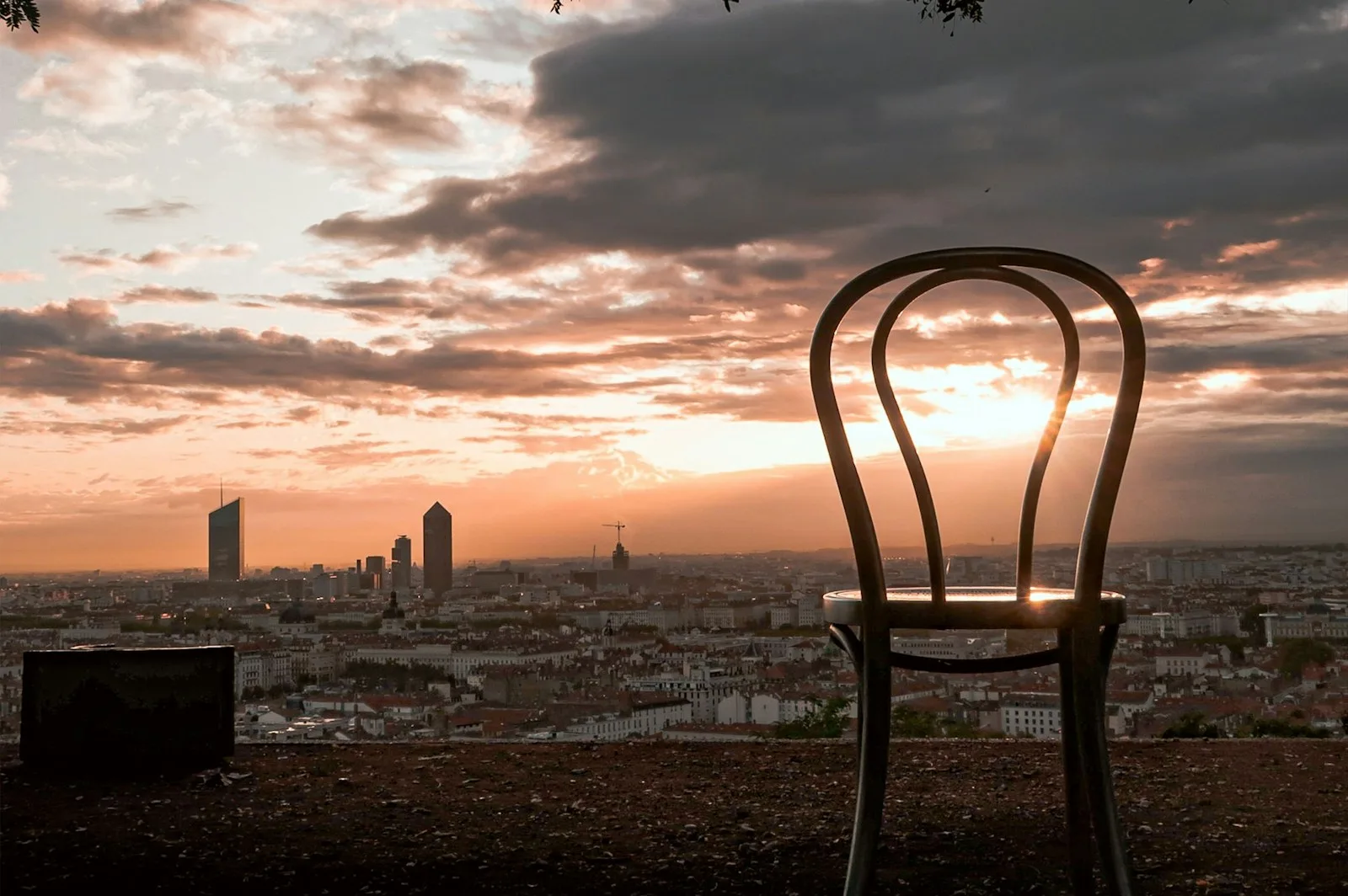
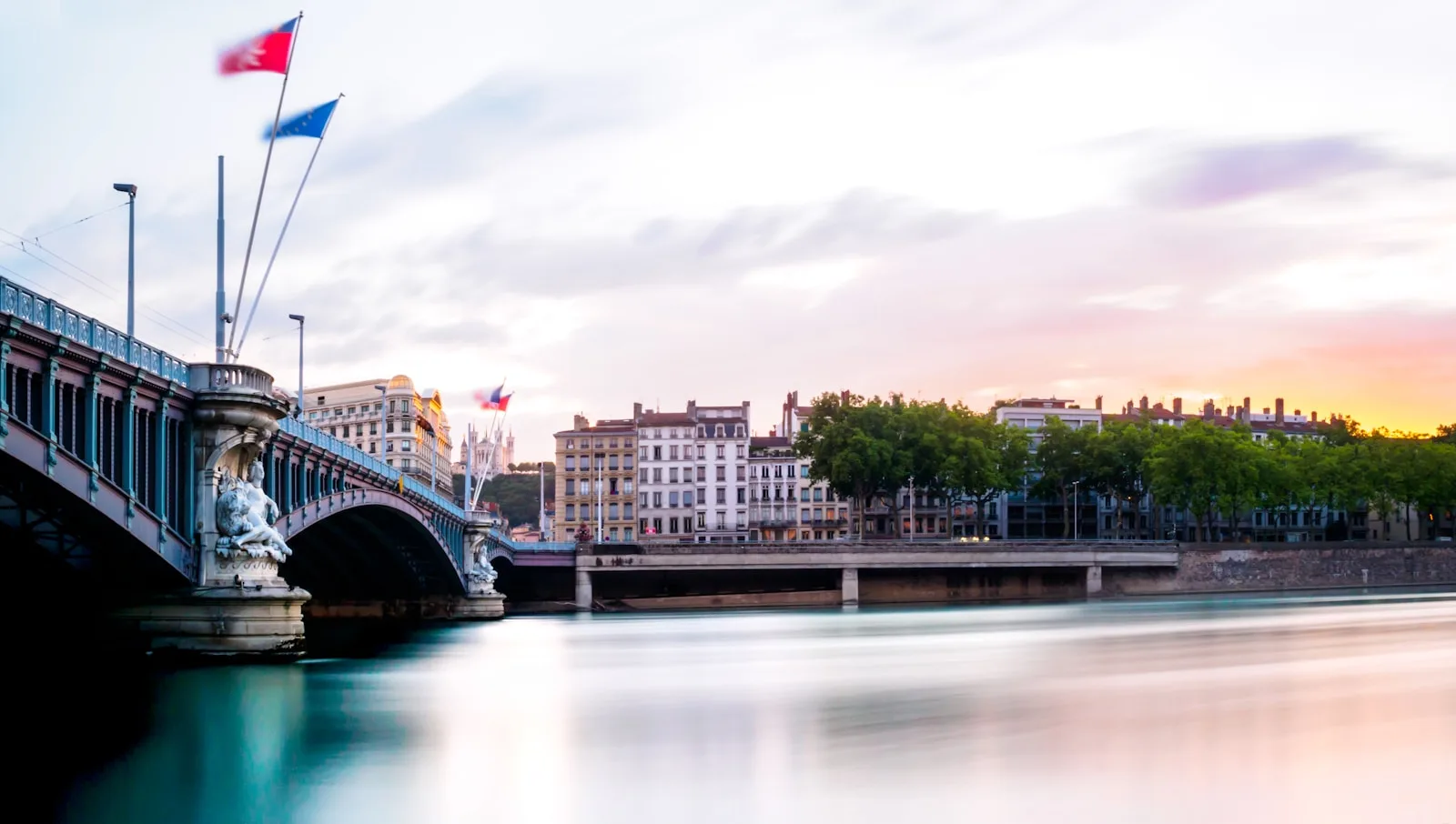
The city is built where two rivers meet. The Saône is the gentle one, lined with pastel façades and the narrow streets of Vieux Lyon. The Rhône is broad and fast, with long riverside walkways where locals jog, cycle and drink beer on converted barges. Between them sits the Presqu’île peninsula, with its grand squares and shopping streets, which ends in the Confluence district and the striking Musée des Confluences, a science and anthropology museum that looks like a crashed spaceship.
Vieux Lyon is one of Europe’s largest Renaissance quarters and the centrepiece of the city’s Unesco World Heritage listing. Its best secret isn’t really a secret: the traboules, covered passageways that cut through buildings and courtyards from one street to the next. Silk workers once used them to carry fabric without getting it wet. Some are open to the public, so push the door gently and remember that people live there.
What should you eat in a Lyon bouchon?
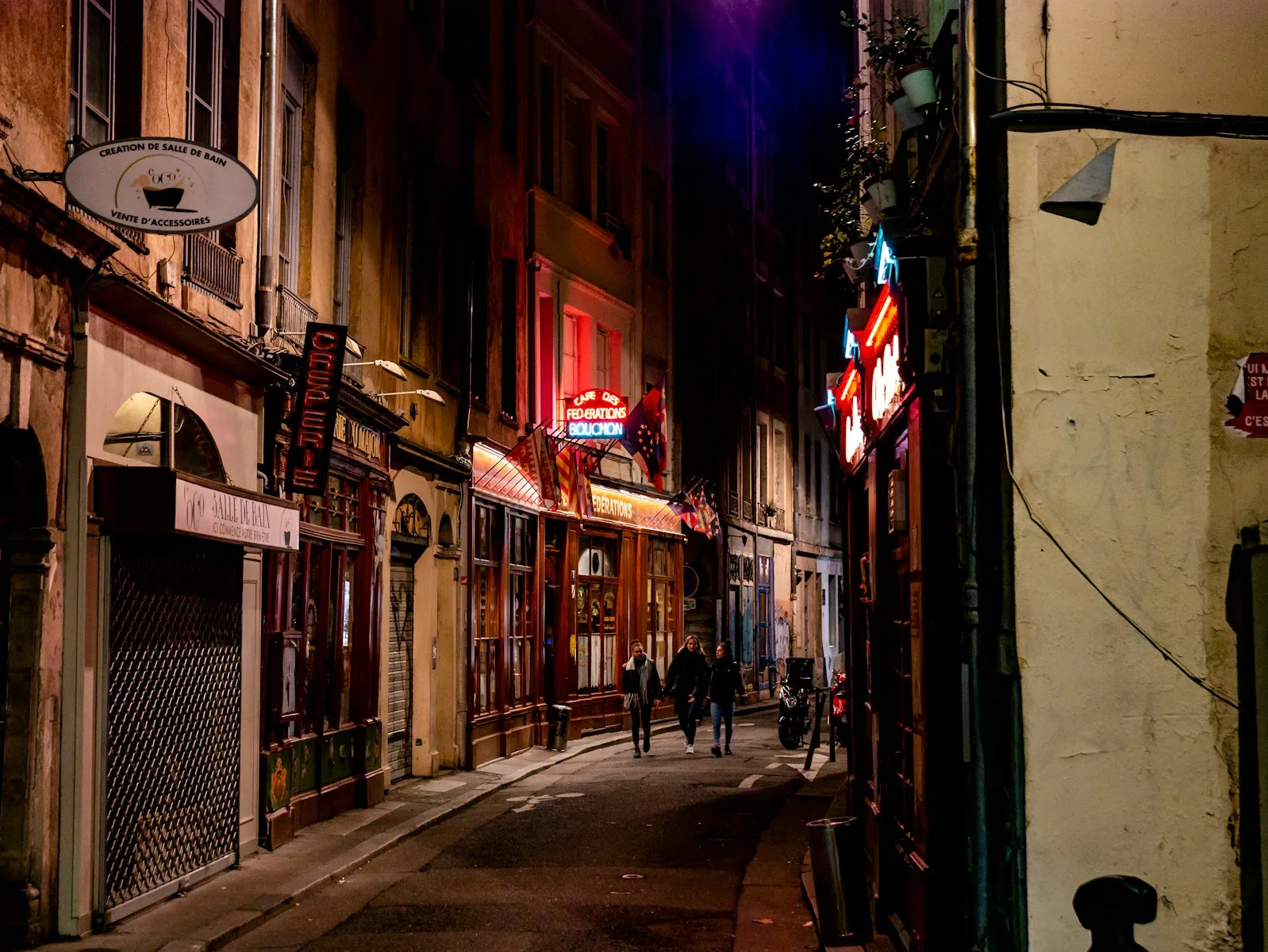
The bouchon is Lyon’s great institution: a small, cramped, cheerfully unfashionable restaurant serving the kind of food the city’s working women cooks, the famous mères, made for silk workers and later for the bourgeoisie. Expect checked tablecloths, elbow-to-elbow seating and a menu that pays no attention to your cholesterol.
The classics are worth knowing before you sit down. Quenelle de brochet is a pike dumpling baked in a crayfish sauce and tastes much better than that sounds. Saucisson brioché is a sausage baked in brioche. Salade lyonnaise comes with lardons, croutons and a poached egg, which makes it a salad in name only. Cervelle de canut, literally silk-worker’s brain, is a herby fromage blanc dip and contains no brains whatsoever. Andouillette, a tripe sausage, divides opinion firmly, so order it once for the story. Finish with the lurid pink tarte aux pralines.
Wine arrives in a pot lyonnais, a heavy-bottomed 46cl bottle that is the local unit of conviviality. Be warned that plenty of places with tablecloths and a picture of a pig in the window are bouchons in costume only. The tourist traps cluster along Rue Saint-Jean in Vieux Lyon. Look for short handwritten menus, locals at lunchtime and a set menu that changes, and book ahead for Friday and Saturday nights.
In Lyon, lunch isn’t a break from the day. It is the day, and the afternoon is just how you recover from it.
For a gentler introduction, go to Les Halles de Lyon Paul Bocuse, the covered market named after the city’s most famous chef. It’s at its best late on a weekend morning, when Lyonnais stand at the oyster counters with a glass of white and no intention of going anywhere soon. Buy cheese, saucisson and a bottle for a picnic by the Saône.
AD
Two rivers, two hills and a lot of stairs
Lyon has two hills, and each has its own personality. Fourvière is the hill that prays. It’s topped by the ornate basilica of Notre-Dame de Fourvière, with the remains of the Roman city of Lugdunum just below it, including two ancient theatres that are still used for summer performances. Take the funicular up from Vieux Lyon and walk back down through the gardens. Your knees will tell you whether you made the right choice.
Croix-Rousse is the hill that works. This was the silk weavers’ district, and its tall buildings with huge windows were built to fit Jacquard looms. Today it feels like a village, with a big morning market on the boulevard, small bars and the long, steep Montée de la Grande Côte for views over the rooftops.
The wine country starts close by. Beaujolais is just north of the city and much more than the November nouveau, with the ten cru villages such as Morgon and Fleurie making serious, affordable reds. To the south, the northern Rhône has Côte-Rôtie and Condrieu clinging to steep terraces. Both make easy day trips by car or on an organised tour.
How do you get to Lyon from the UK?
Flying is quickest. Direct flights from London take about an hour and three-quarters. easyJet flies from Gatwick and Luton, British Airways from Heathrow and Wizz Air also flies the route. Some regional airports have seasonal flights, so check with the airlines for the current schedule. From Lyon-Saint Exupéry airport, the Rhônexpress tram reaches Part-Dieu station in under half an hour. A single costs €16.30 (about £14), which is a lot less than a taxi.
The train is the civilised option. Take the Eurostar to Paris Gare du Nord, cross the city to Gare de Lyon by RER or metro and catch a TGV to Lyon Part-Dieu. The fastest trains take a little under two hours, and booked early, fares on this leg can be very low. Allow at least an hour for the change in Paris, more if you’re carrying luggage.
Spring and early autumn are the best times to go, with warm terraces and the vendanges in the surrounding vineyards. July and August can be stiflingly hot, and some family-run restaurants close for part of the summer. The Fête des Lumières in early December, built around 8 December, fills the city with light installations, along with enormous crowds and high hotel prices. Book months in advance or come another week.
Before you go, check the latest FCDO travel advice and entry requirements for France on GOV.UK. Make sure your passport meets the validity rules, carry your GHIC for state healthcare and take out proper travel insurance.
What does it cost?
These are rough guides for central Lyon. Expect to pay €7–8 (about £6–7) for a pint of beer in a bar, less during happy hour. Dinner in a decent bouchon costs around €35–50 (£30–43) per person with wine. Set lunch menus are often much cheaper and the best value in town. A short taxi ride of about 5km should cost roughly €15–20 (£13–17), but the metro, trams and funiculars cover most of the city for a fraction of that.
In short
Lyon is the best French city for food lovers who want culture without Parisian prices or crowds. It has bouchons, a superb covered market, Roman and Renaissance history, and Beaujolais and the northern Rhône close by. It’s under two hours by direct flight from London, or an easy day’s travel by Eurostar and TGV via Paris. Go in spring or early autumn, book your bouchon and leave the afternoon free.
Archie Inglis writes about travel for men 45 and over: city breaks, winter sun, road trips, rail journeys, walking holidays and the longer trips you've been putting off. Where's worth going, how to get there without the hassle, and how to make the money go further.
One of Midcent's writers. Spotted something? Write to archie@midcent.uk.
Fjords, Bach, dark skies, Flemish masterpieces, Lyon’s bouchons and Valletta’s knights: six European breaks you can reach by Eurostar or a short flight, with honest costs in pounds.