Lisbon or Porto? One city shows off, the other pours
Lisbon has the sunshine, the trams and the swagger, while Porto has the river, the port lodges and the better manners. Here’s how to pick the right one for your next city break.
Reviewed, edited and approved by Editor-in-chief Daniel Sköld · Updated 31 October 2026
Contents
Portugal’s two great cities have a rivalry that goes back centuries, and you can sum it up in an old saying the Portuguese still repeat with a smirk: Porto works, Braga prays, Coimbra studies and Lisbon shows off. Like most regional insults it’s unfair, and like most regional insults it’s partly true.
For a British city-breaker the choice is a real one. Both are a short flight away, both are hilly enough to make your calves file a complaint, and both will feed you better than most European capitals for less money. They just do it in very different moods. Here’s how to decide which one suits you, or whether you should stop deciding and go to both.
AD
Is Lisbon or Porto better for a first city break?
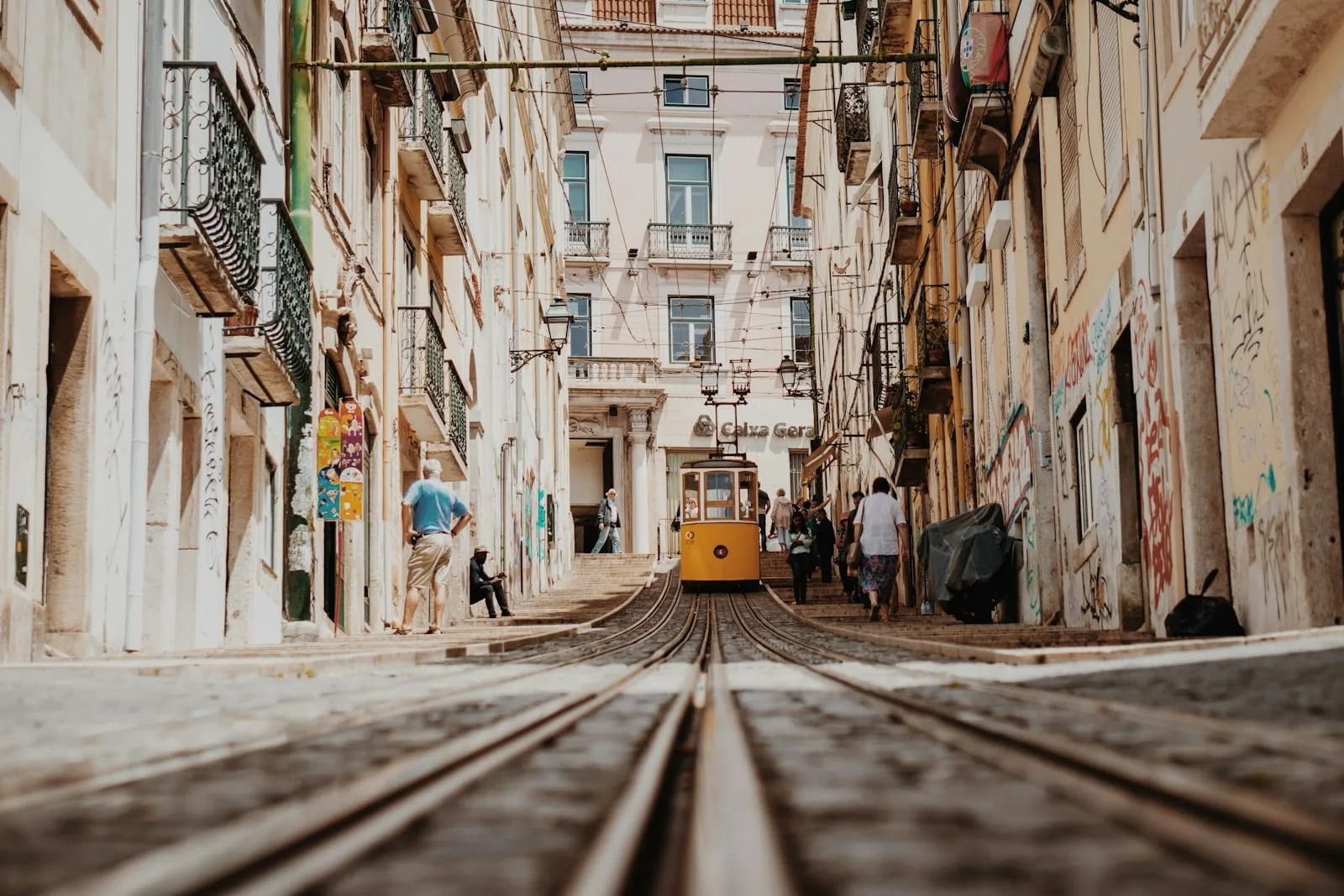
Lisbon is the bigger production. It’s a capital that spreads across its hills above the wide Tagus estuary, and it has the full set of landmarks to go with it. In Belém you’ll find the Jerónimos Monastery and the Belém Tower, monuments to the age when Portuguese ships went round the world and came back rich. Alfama, the old Moorish quarter, is a knot of steep lanes, washing lines and little bars where fado, the city’s mournful song, still drifts out after dark. Add the yellow trams, the miradouros (viewpoints) and easy train trips to Sintra’s fairytale palaces or the seaside at Cascais, and you’ve got more than enough for a long weekend.
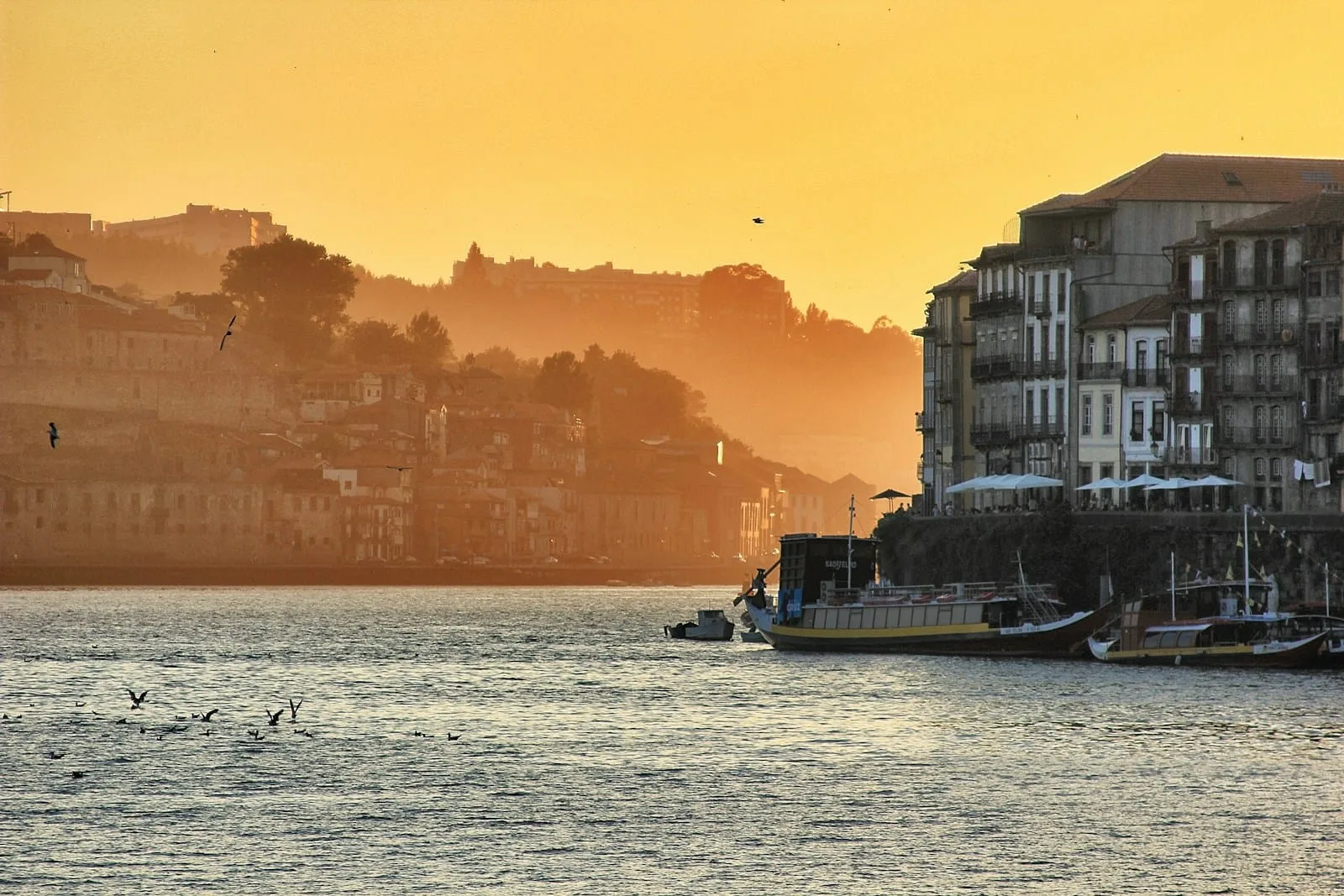
Porto is smaller, darker and more compact, and many people who’ve done both end up liking it more. The old Ribeira district tumbles down to the Douro in a jumble of tiled façades and is a UNESCO World Heritage Site. The double-decker iron Dom Luís I bridge links it to Vila Nova de Gaia, where the port lodges have been ageing wine for centuries. It’s a city of granite and drizzle and solid family restaurants, and it feels less like a stage set than Lisbon does. If you like your cities with a bit of grit and not too much polish, Porto is the one.
The honest rule of thumb: for a first visit with plenty of sightseeing, go to Lisbon. If you’ve been to Lisbon already, or you’d rather eat, drink and wander than tick off monuments, go to Porto.
The food and drink face-off
Lisbon eats from the sea. Grilled sardines are the taste of summer, especially during the Santo António festivities in June, and the pastel de nata (custard tart) is a city religion. The original pastéis de Belém are worth the queue once, though a good neighbourhood pastelaria will do you just as well. Skip the restaurants with laminated picture menus around Baixa and head into the backstreets of Alfama, Graça or Campo de Ourique for cheap, honest tascas.
Porto eats like a city that works for a living. Its famous dish is the francesinha, a sandwich of steak and cured meats under melted cheese and a beer-and-tomato sauce, usually served with chips and a slightly guilty look. Locals were nicknamed tripeiros, tripe-eaters, after a legend that they gave all the good meat to the fleet and kept the offal for themselves, and tripe stew is still on menus. Then there’s port. A tasting at one of the Gaia lodges is the obvious thing to do and well worth it, and if you get the bug, the terraced vineyards of the Douro Valley are an easy day trip upriver.
Lisbon wants you to admire it. Porto would rather pour you another glass and let you make up your own mind.
AD
Which is cheaper, Lisbon or Porto?
Porto, usually, though not by as much as it used to be. Both cities have got pricier as tourist numbers have climbed, and hotels in central Lisbon in summer can hit London levels. Both also charge a tourist tax, added to your hotel bill: €4 (about £3.50) per person per night in Lisbon, which went up in September 2024, and €3 (about £2.60) in Porto, capped at seven nights in each city.
On the ground, prices are still friendly by British standards. Draught beer comes in small glasses, called an imperial in Lisbon and a fino in Porto, rather than pints. Expect to pay roughly:
A small draught beer: around €2–3 (£1.70–£2.60) in a local bar, more on a smart terrace or riverfront. A pint-sized caneca, where you can get one, costs about double. Dinner in a mid-range restaurant with a glass or two of wine: about €25–35 (£22–£30) per person, less in a no-frills tasca. A short taxi ride of about 5 km: roughly €8–10 (£7–£9), a little higher at night.
The tourist traps are much the same in both cities. In Lisbon it’s the crowded Tram 28. Ride it early in the morning, or take the quieter Tram 12 or 24 for the same rattle with fewer elbows. In Porto it’s the queue for Livraria Lello, the gorgeous bookshop that now charges admission. The ticket counts towards a book if you buy one, but if you’re not bothered about the Harry Potter connection, you’ll get a better look at the tiled entrance hall of São Bento station, which is free.
Can you do both Lisbon and Porto in one trip?
Easily, and it’s the best answer if you have a week. The two cities are connected by fast Alfa Pendular and Intercidades trains run by CP, Portugal’s national railway, and the journey takes around three hours. Book ahead on CP’s own website for the best fares. A sensible plan is three or four nights in Lisbon and two or three in Porto. You can fly into one and out of the other, as both airports have good links to the UK.
Getting there is the easy part. Both cities have direct flights from London and a good spread of regional UK airports, run by low-cost and full-service airlines, and the flight takes around two and a half hours. Both airports are linked to the centre by metro, which saves on taxis. Spring (April to early June) and autumn (September and October) are the sweet spots. Lisbon can be hot and very busy in July and August, while Porto stays milder in summer but makes up for it with some serious Atlantic rain in winter. If you like a party, Porto’s São João festival on the night of 23 June involves sardines, fireworks and strangers bopping you on the head with plastic hammers. It’s affectionate, mostly.
Before you book, check the latest FCDO travel advice and entry requirements for Portugal on GOV.UK, including passport validity rules for travel to the EU. Take your GHIC for state healthcare, and get proper travel insurance, because the GHIC doesn’t cover everything.
In short
For a first trip with plenty of sightseeing, sunshine and day trips, choose Lisbon. For great food, port and a more down-to-earth, slightly cheaper city, choose Porto. With a week to spare, the three-hour train makes it easy to do both, and that’s the best answer of all.
Archie Inglis writes about travel for men 45 and over: city breaks, winter sun, road trips, rail journeys, walking holidays and the longer trips you've been putting off. Where's worth going, how to get there without the hassle, and how to make the money go further.
One of Midcent's writers. Spotted something? Write to archie@midcent.uk.
Fjords, Bach, dark skies, Flemish masterpieces, Lyon’s bouchons and Valletta’s knights: six European breaks you can reach by Eurostar or a short flight, with honest costs in pounds.
Lyon has France’s best food city credentials, two rivers, Beaujolais and the Rhône on its doorstep and none of the Parisian swagger. Here’s how to do it properly from the UK.