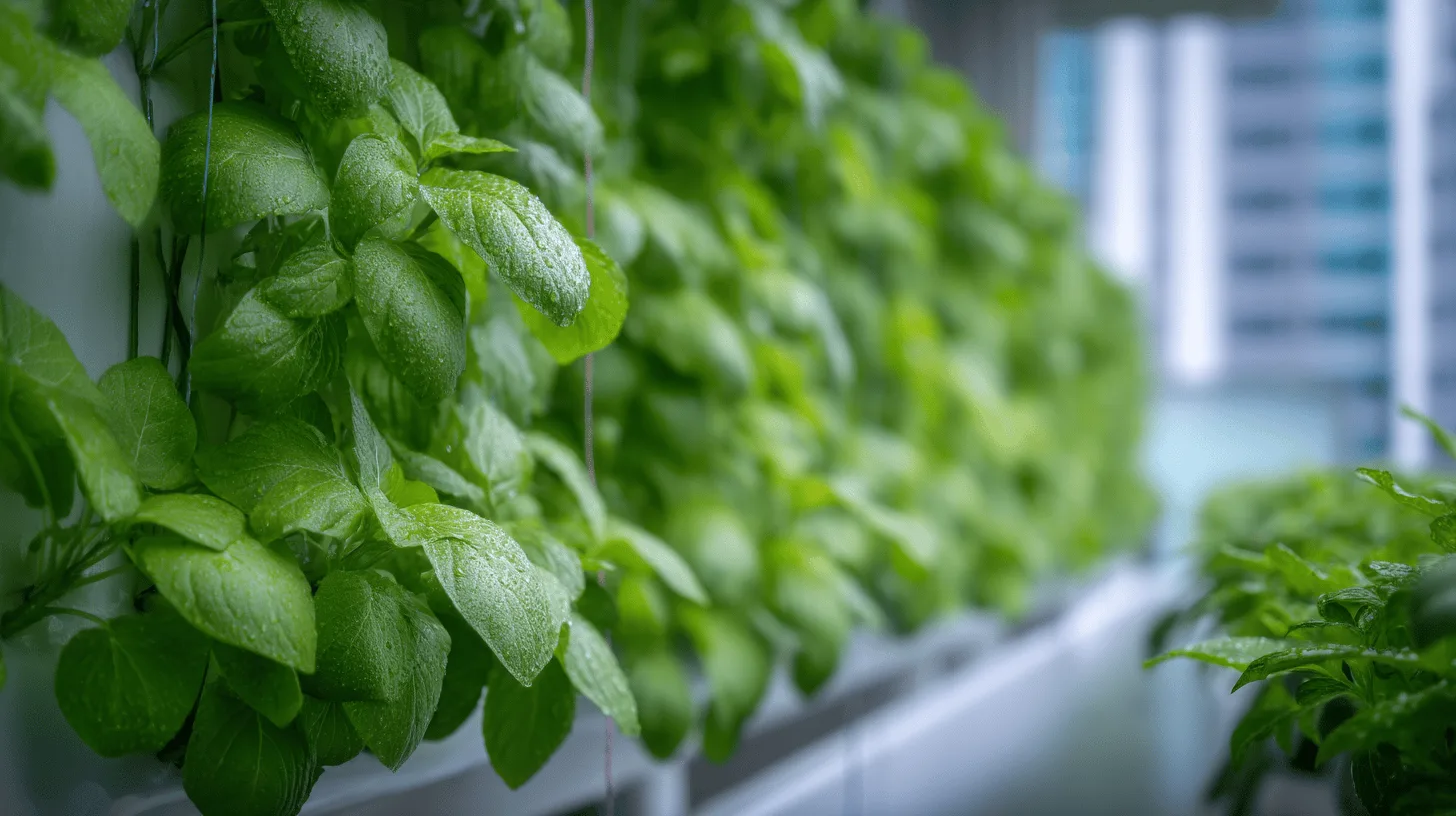
Somewhere between the bread maker and the foot spa, a new gadget has found a place in the British kitchen: the smart indoor garden. It’s a tidy plastic tank with an LED light on an arm, a few seed pods and, quite often, an app. You add water, plug it in and wait, and a few weeks later you’re cutting basil in February.
Behind it sits a bigger idea, vertical farming. That means growing crops indoors in stacked layers under artificial light, with water and nutrients controlled by machine rather than by weather. Big investors once called it the future of food. So is the worktop version worth your money, or is it a £190 way to grow a £1 pot of parsley?

What is vertical growing, in plain English?
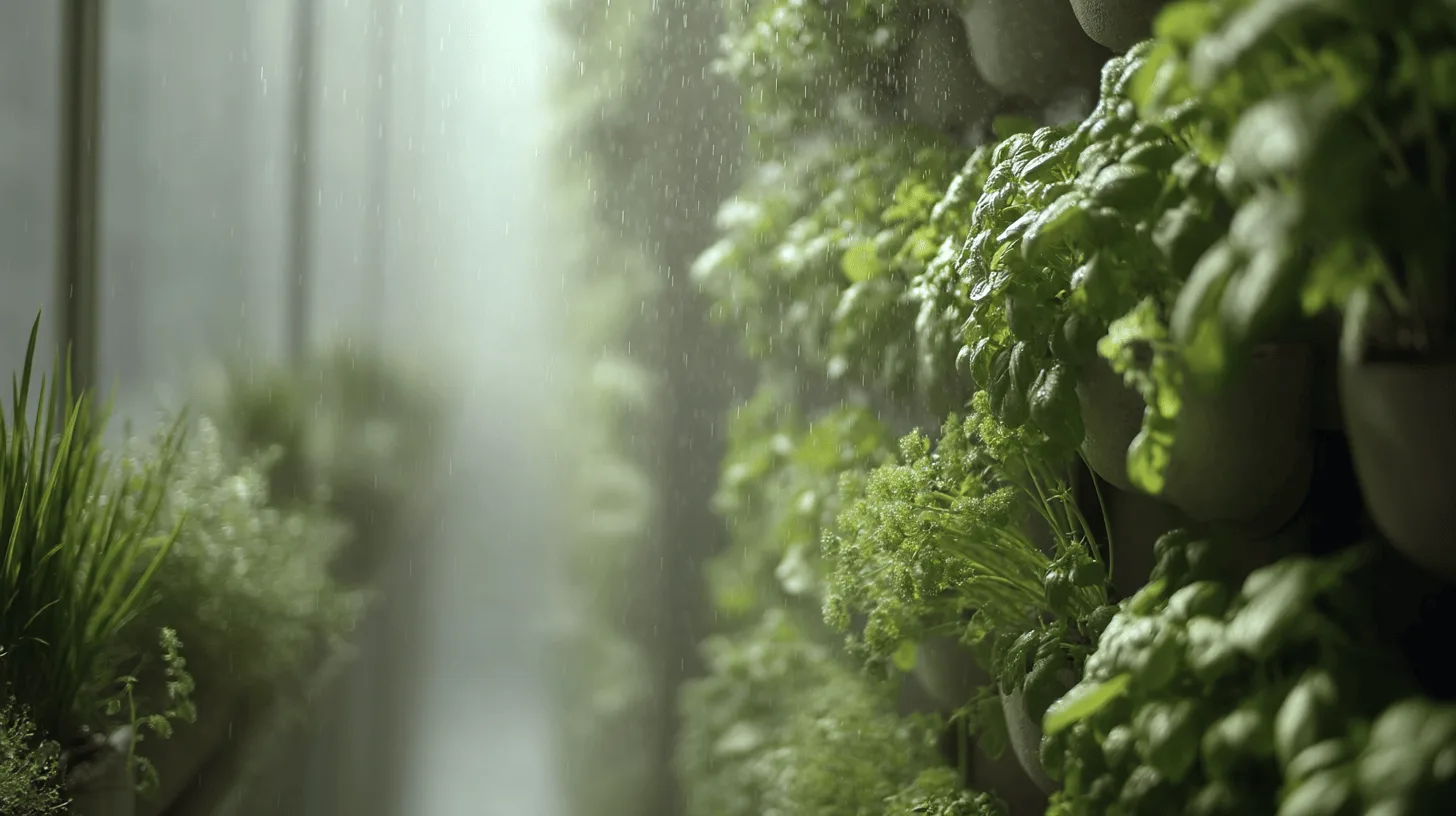
Strip away the marketing and vertical growing does three things. It replaces the sun with LED grow lights, which are tuned to the red and blue wavelengths plants use most. It replaces soil, or most of it, with a growing medium or with plain water carrying dissolved nutrients. That second method is called hydroponics. And it stacks plants upwards rather than spreading them out, so you get more growing area per square metre of floor.
The commercial version is a warehouse full of racks, sensors and climate control. The domestic version shrinks this to one shelf, or a tower a metre or so tall. Pumps or wicks keep the roots wet, a timer switches the lights on for most of the day, and the better models have a water-level sensor that tells you when to top up.
The appeal is obvious if you have a flat, a north-facing kitchen or a garden that spends half the year under a grey lid. Nothing in it depends on whether it rained in Rotherham.
What do smart indoor gardens cost in the UK?
The best-known name is Click & Grow, an Estonian company whose kits are sold widely here. Its Smart Garden 9, which holds nine plant pods under a built-in grow light and waters itself from a reservoir, sells for around £189.95 through its own shop on Amazon UK. Smaller three-pod models cost less, and there are plenty of cheaper unbranded hydroponic units from online marketplaces, with mixed build quality.
The purchase price is only the start. Most branded systems run on their own seed pods. They’re convenient, because each one comes pre-seeded and pre-fertilised, but you keep buying them, and many firms push a subscription. Before you buy, check whether the unit will take your own seeds in a generic pod or a bit of rockwool (a fibrous growing material). If it won’t, you’re buying a printer that happens to grow rocket.
Then there’s electricity. The light is the hungry part. As a rough guide, a 20-watt light running 16 hours a day uses about 0.32 kWh a day, or roughly 117 kWh a year. At a unit rate of around 25p per kWh, that comes to about £29 a year. Your own figure depends on the wattage printed on the unit and your tariff. Ofgem resets the price cap every quarter, so check your latest bill rather than trusting any number in a brochure, including this one.
An indoor garden won’t save you money on salad. What you’re paying for is fresh herbs on tap, all year, with almost no effort.
Will it actually save me money on food?
Almost certainly not, and anyone who says otherwise has been doing optimistic sums. A supermarket pot of basil costs a pound or two. Add up the kit, the pods and the power, and you need a great many harvests before you break even, even if nothing wilts while you’re away for a fortnight.
That’s the same economics that has hurt the big commercial vertical farms. Lighting and heating a building costs a lot, and after the energy price shock of 2022 several indoor-farming firms scaled back across Europe. Infarm, which had grown herbs inside UK supermarkets, pulled out of Britain. Commercial vertical farms work best with high-value, fast-growing, light crops such as herbs, microgreens and salad leaves. Potatoes and wheat are not on the menu, and won’t be for a long while.
Your kitchen faces the same rules on a smaller scale. Grow things that are expensive to buy, quick to regrow and miserable in a supermarket bag: basil, coriander, mint, chives, pea shoots, cut-and-come-again lettuce. Chillies and cherry tomatoes will grow too, but they need longer and a taller light.
Does it need an app, and is that a problem?
Many indoor gardens work perfectly well without one, using a simple built-in timer. Some higher-end and wifi-connected models lean on an app for light schedules, reminders and pod ordering. That’s fine until the company changes its business model, drops support or goes bust. Then a device that needs the cloud for basic functions can end up as a very expensive lamp.
So the rule for any smart-home kit applies here. Prefer devices that still do the core job offline. If it does connect to your wifi, the National Cyber Security Centre’s advice on smart devices is sensible and short: change any default password, keep firmware updated, and turn on two-step verification for the account if it’s offered. A herb garden is a dull target for hackers, but a badly secured gadget on your home network is still a door left ajar.
Who should buy one, and who shouldn’t?
Buy one if you cook, you like fresh herbs, and you either lack outdoor space or are tired of your windowsill basil dying every November. It’s also a decent gateway for anyone curious about hydroponics. The kit is clean, quiet apart from a faint pump hum on some models, and smells like an Italian deli.
Think twice if you want to cut your food bill, grow serious quantities of vegetables or keep gadgets out of the kitchen. The light is bright and on for most of the day, which matters in an open-plan room or if you’d hoped to put it in a bedroom. Look for a model with a lamp you can raise as plants grow and an adjustable schedule.
If you have a garden, a greenhouse or even a sunny windowsill, cheap pots and a bag of compost will still do most of the job for a fraction of the price. The gadget earns its place in winter and in dark flats, not in place of the allotment.
In short
Vertical growing kits use LED lights, automatic watering and stacked layouts to grow herbs and salad indoors all year. A branded nine-pod unit costs around £190, plus seed pods and electricity. It won’t cut your food bill, but if you have no garden and want fresh basil in January, it’s a neat, low-effort gadget. Pick one that takes generic seeds and works without an app.
Sources

Midcent Tech
Alex Innes explains technology for men 45 and over who have seen every gadget since the ZX Spectrum and are not easily impressed. AI and ChatGPT, phones, cars, the smart home, the subscriptions worth keeping and staying safe online – what it does, whether it's worth the money, and whether you need it at all.
One of Midcent's writers. Spotted something? Write to alex@midcent.uk.