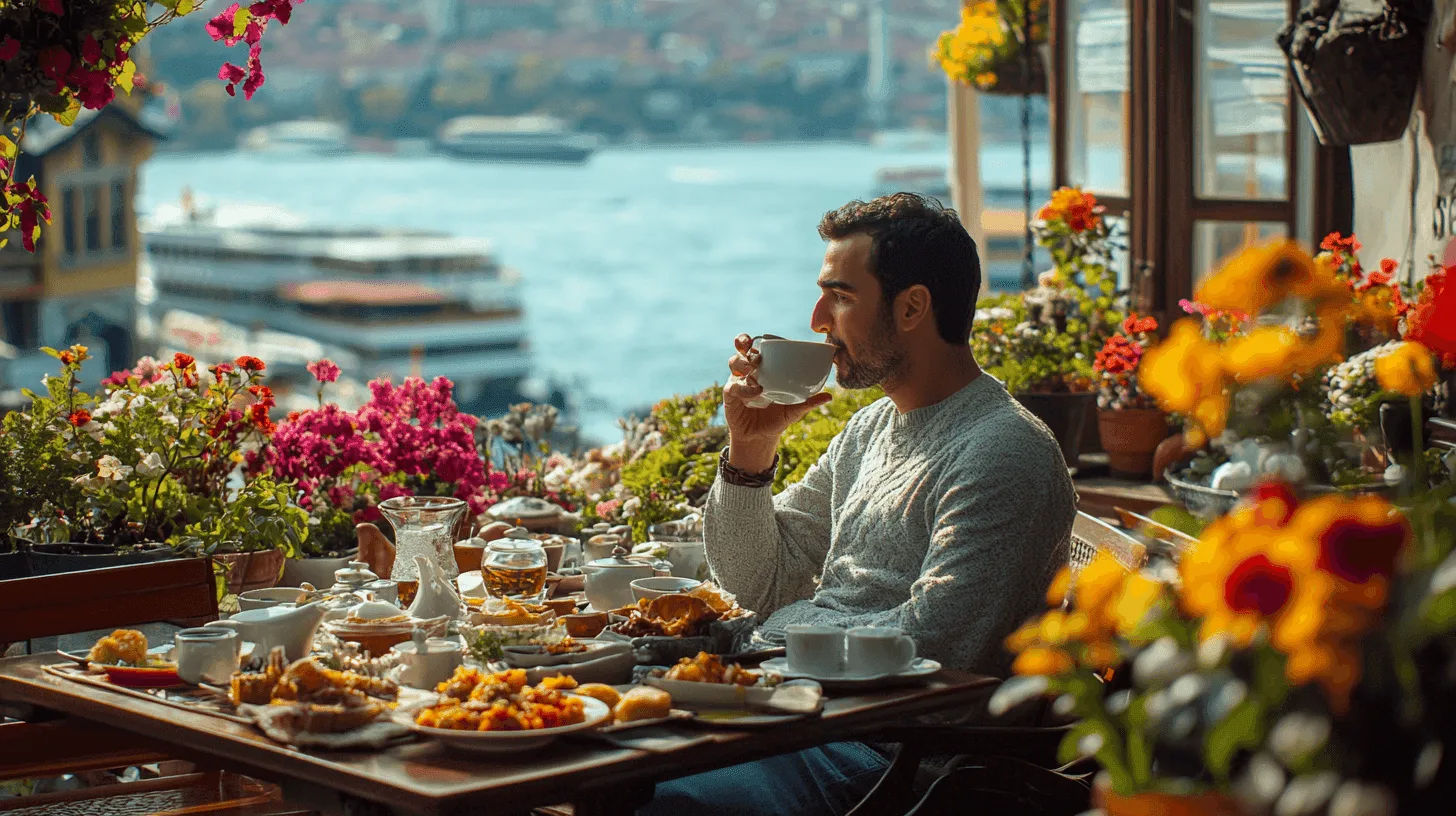
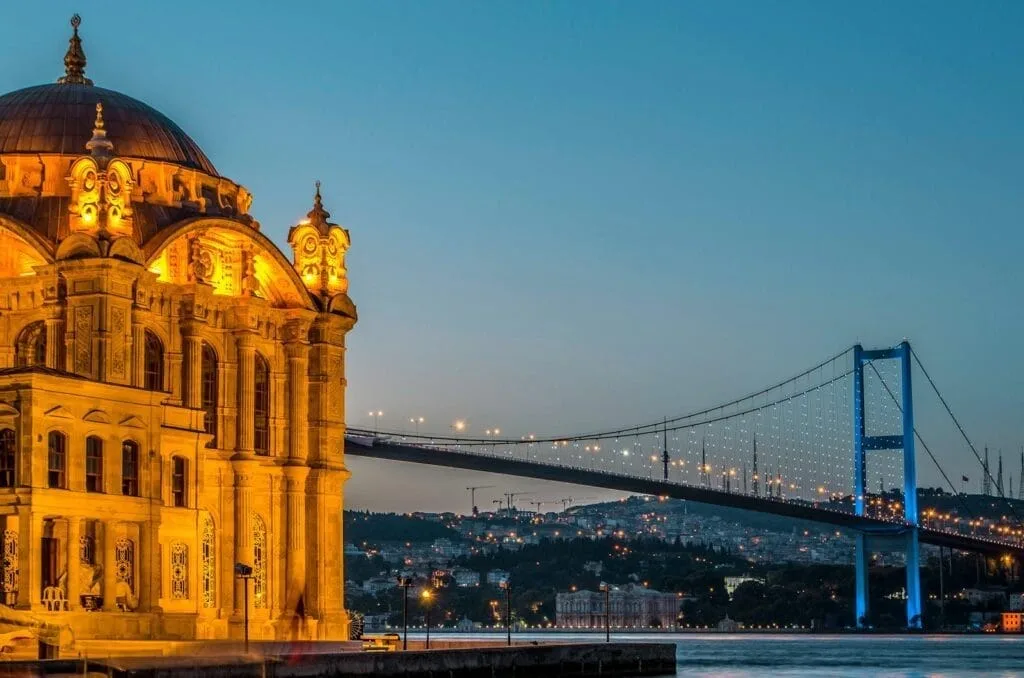
Plenty of cities claim to be where East meets West. Istanbul is the only one where you can actually watch it happen, coffee in hand, from the deck of a commuter ferry that costs less than a London bus fare. Twenty minutes after leaving Europe at Eminönü you land in Asia at Kadıköy, and the only paperwork involved is tapping a travel card.
Go in spring and the city is at its best. The summer crowds haven’t arrived, the hills are blushing pink with Judas trees, the parks are full of tulips (which the Ottomans were mad about long before the Dutch) and the restaurants have just started cooking with the first artichokes of the year. It’s about four hours from the UK, and British passport holders don’t need a visa for a short visit. That’s a lot of empire for a long weekend.
When is the best time to visit Istanbul?
April and May, without much argument. Daytime temperatures usually sit somewhere in the mid-teens in April and creep towards the low twenties by late May. That’s perfect weather for the city’s main pastime, which is walking up steep hills to look at things and then sitting down for tea. You will get the odd shower, and evenings on the water can be chilly, so pack a proper jacket.
April is tulip month. The city plants millions of bulbs every year, and the Istanbul Tulip Festival fills the parks, with Emirgan Park on the European shore of the Bosphorus as the showpiece. From mid-April the Judas trees, which the locals call erguvan, turn both banks of the strait a startling shade of magenta. October is the other good season, but autumn doesn’t have anything like this.
Two things to check before you book. First, Ramadan and the Eid holidays move earlier by about eleven days each year and sometimes fall in spring. The city keeps going as normal, but the Eid holidays bring big domestic crowds. Second, Turkey stays on UTC+3 all year, so once the clocks go forward in the UK you’ll be two hours ahead.
The sights worth the queue, and the ones that aren’t
The big three in Sultanahmet are popular for good reason. Hagia Sophia has been a church, a mosque, a museum and a mosque again, and it is still astonishing after 1,500 years. Since 2024 foreign visitors pay a separate fee, charged in euros, and go in on a set route via the upper galleries, while worshippers use the ground floor. The Topkapı Palace needs half a day, and the Harem ticket is worth the extra. The Basilica Cistern is a sixth-century reservoir with two Medusa heads propping up its columns, and it is wonderfully eerie. Prices at all three have gone up fast and change often, so check the official sites before you go, and arrive at opening time.
The Grand Bazaar is worth an hour of your time, but not your pension. Prices are a starting point for haggling, and a great deal of what’s on sale is made somewhere else. The Spice Bazaar is more fun for browsing but has gone the same way. Walk a few streets uphill towards the Süleymaniye Mosque, Sinan’s masterpiece and arguably finer than the Blue Mosque, and you’ll find the city’s working hardware and textile streets. They are much more interesting than the stalls selling fridge magnets.
For something newer, Istanbul Modern moved into a smart waterfront building by Renzo Piano in 2023, and the Pera Museum in Beyoğlu is an excellent mid-sized gallery that’s best known for Osman Hamdi Bey’s The Tortoise Trainer.
In Istanbul the best sightseeing tour also happens to be public transport, and it costs about the price of a biscuit.
Is it worth crossing to the Asian side of Istanbul?
Yes, and if you only do one thing, make it this. Most visitors stay in the old city and Beyoğlu and never cross the water, which is a shame. The public ferries are the best value in the city. You pay with an Istanbulkart, the rechargeable travel card you can buy and top up at machines by the piers, and you get views that cruise companies charge a lot of money for. Stand on the open deck and someone will sell you a glass of tea in the traditional tulip-shaped glass.
Kadıköy is where Istanbul’s Asian side does its shopping and eating. The streets around the fish and produce market are a lesson in Turkish food in their own right: pickle shops, piles of spring greens and fishmongers shouting about whatever came in that morning. Çiya Sofrası, a long-established restaurant serving dishes from Anatolia and the southeast, is a reason to cross the water on its own. Afterwards, wander down to Moda, where the locals walk their dogs along the seafront and watch the sun set behind the minarets of the European side. It’s a view you can’t get from Europe.
If you have a spare day, take the ferry out to the Princes’ Islands in the Sea of Marmara. Private cars are banned, the horse-drawn carriages have been replaced by small electric vehicles, and the wooden Ottoman villas on Büyükada make a pleasant change from the urban sprawl.
What to eat in Istanbul in spring
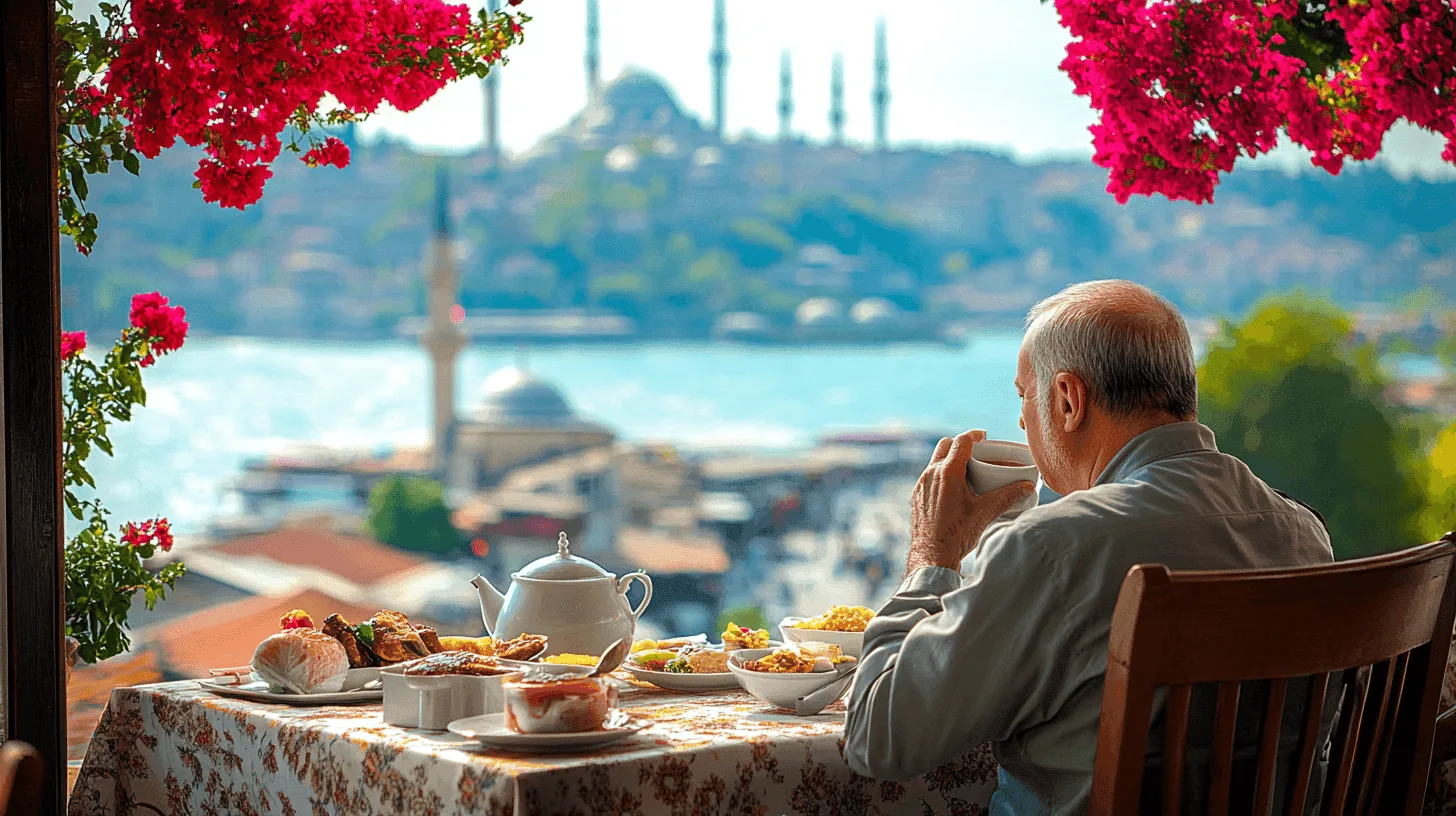
Spring is when Turkish markets fill up with artichokes, broad beans and tart green plums. The artichokes are often cooked in olive oil and served cold, in the zeytinyağlı style. The best way to try all of it is a long evening at a meyhane, a traditional tavern where you order a stream of meze and a bottle of rakı and don’t leave for hours. Try the areas around Asmalımescit in Beyoğlu, or the fish restaurants in Kumkapı if you don’t mind a bit of theatre.
For lunch, look for an esnaf lokantası, the workers’ canteens where you point at trays of stews and vegetable dishes. They’re cheap, quick and often better than restaurants charging three times as much. Avoid places in Sultanahmet with photo menus and a man outside telling you that you look hungry.
Getting there and what it costs
Direct flights from London take about four hours, and there are also departures from several regional UK airports. Turkish Airlines, British Airways, Pegasus and easyJet all fly the route, though which airlines serve which UK airports changes with the season. Istanbul Airport is a long way out on the European side, while Sabiha Gökçen is on the Asian side, which matters when you’re choosing a hotel. Both are linked to the city by metro or airport buses, and a taxi from either is a long and expensive ride if you hit the traffic.
British citizens can visit Turkey without a visa for up to 90 days in any 180-day period. Your passport should be valid for at least 150 days from the date you arrive. Check the latest FCDO travel advice on GOV.UK before you go. Turkey isn’t in the EU, so your GHIC won’t cover you. Proper travel insurance with medical cover is essential.
The Turkish lira has lost value steadily for years, so prices in lira keep rising even when sterling prices barely move. As a rough guide, a half-litre of Efes in a bar costs around 200–300 lira (£4–6). Dinner with meze and a drink at a mid-range meyhane comes to about 1,500–2,500 lira per person (£30–50). A 5km taxi ride costs roughly 250–350 lira (£5–7). Use the BiTaksi app or make sure the meter is running, and keep an eye on any shoeshine man who drops his brush in front of you.
In short
Spring is the best time to visit Istanbul. In April and May you get mild weather, tulips and Judas trees, seasonal food and shorter queues than in summer, all about four hours’ flight from the UK with no visa needed for British visitors. See the big Sultanahmet sights early in the morning, then spend your best day on the ferry to Kadıköy on the Asian side. Bring travel insurance, because the GHIC doesn’t work in Turkey.
Sources

Midcent Travel
Archie Inglis writes about travel for men 45 and over: city breaks, winter sun, road trips, rail journeys, walking holidays and the longer trips you've been putting off. Where's worth going, how to get there without the hassle, and how to make the money go further.
One of Midcent's writers. Spotted something? Write to archie@midcent.uk.