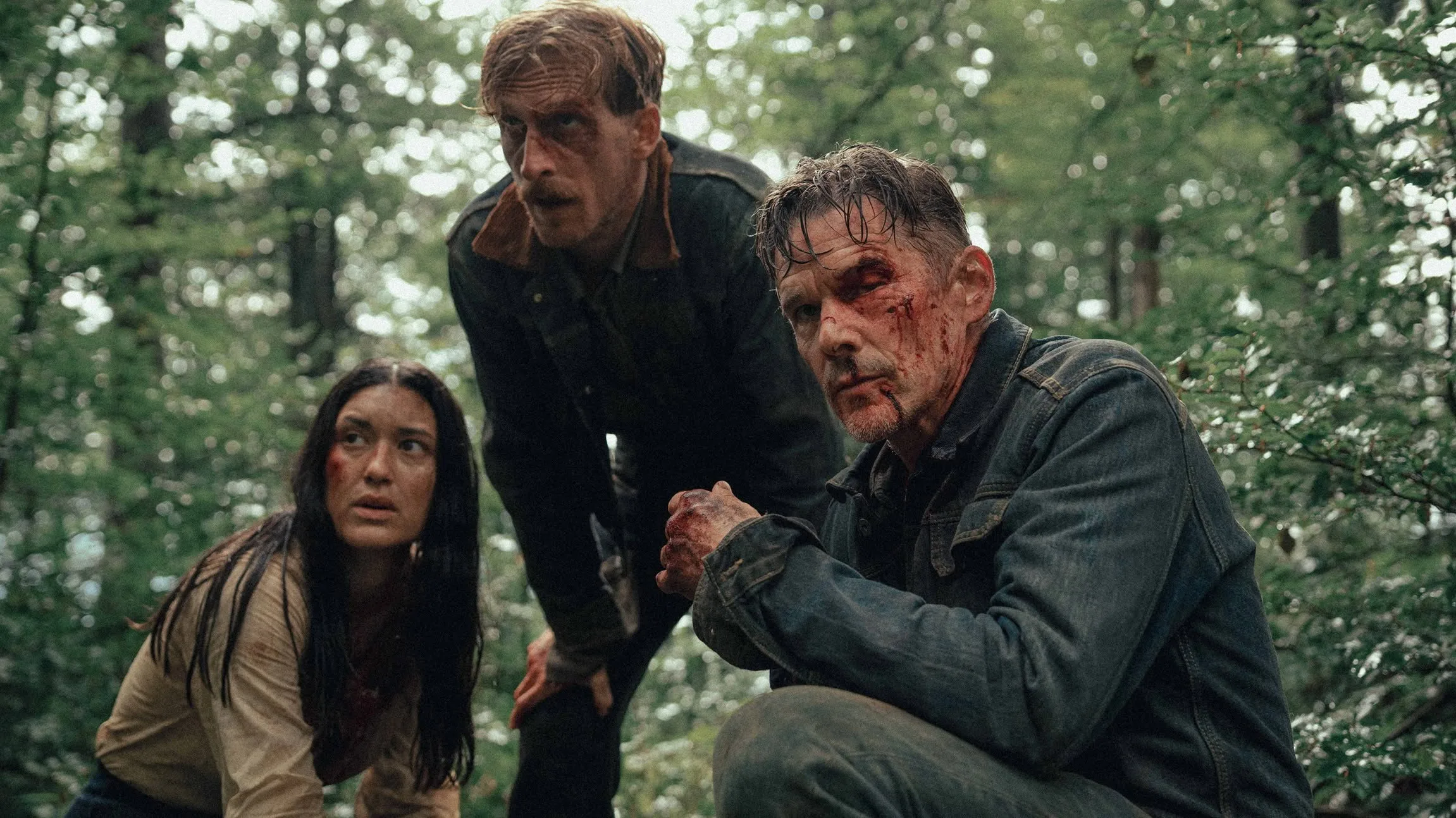
Most British men of a certain age go to Spain in winter to sit still in the sun. Bilbao offers something quite different: drizzle, a titanium museum, and a dinner you eat on your feet over three hours and five bars, finishing with no clear idea of what you spent and no regrets about it.
The Basque Country’s biggest city is no beach resort and doesn’t try to be one. It’s a former shipbuilding and steel town that reinvented itself without losing its edge, and January may be the best time to see it. The tourist crowds have gone home, the bars are full of locals, and the rain gives you a perfectly good excuse to go in for another glass.
Why go to Bilbao in winter?
Let’s be honest about the weather. The Basque coast is green for a reason, and the fine, persistent drizzle the locals call sirimiri will find you sooner or later. But it’s mild. Winter daytime temperatures usually sit somewhere around the low teens, which beats a grey Tuesday in Leeds. Pack a decent waterproof and shoes that can cope with wet stone, and you’ll be fine.
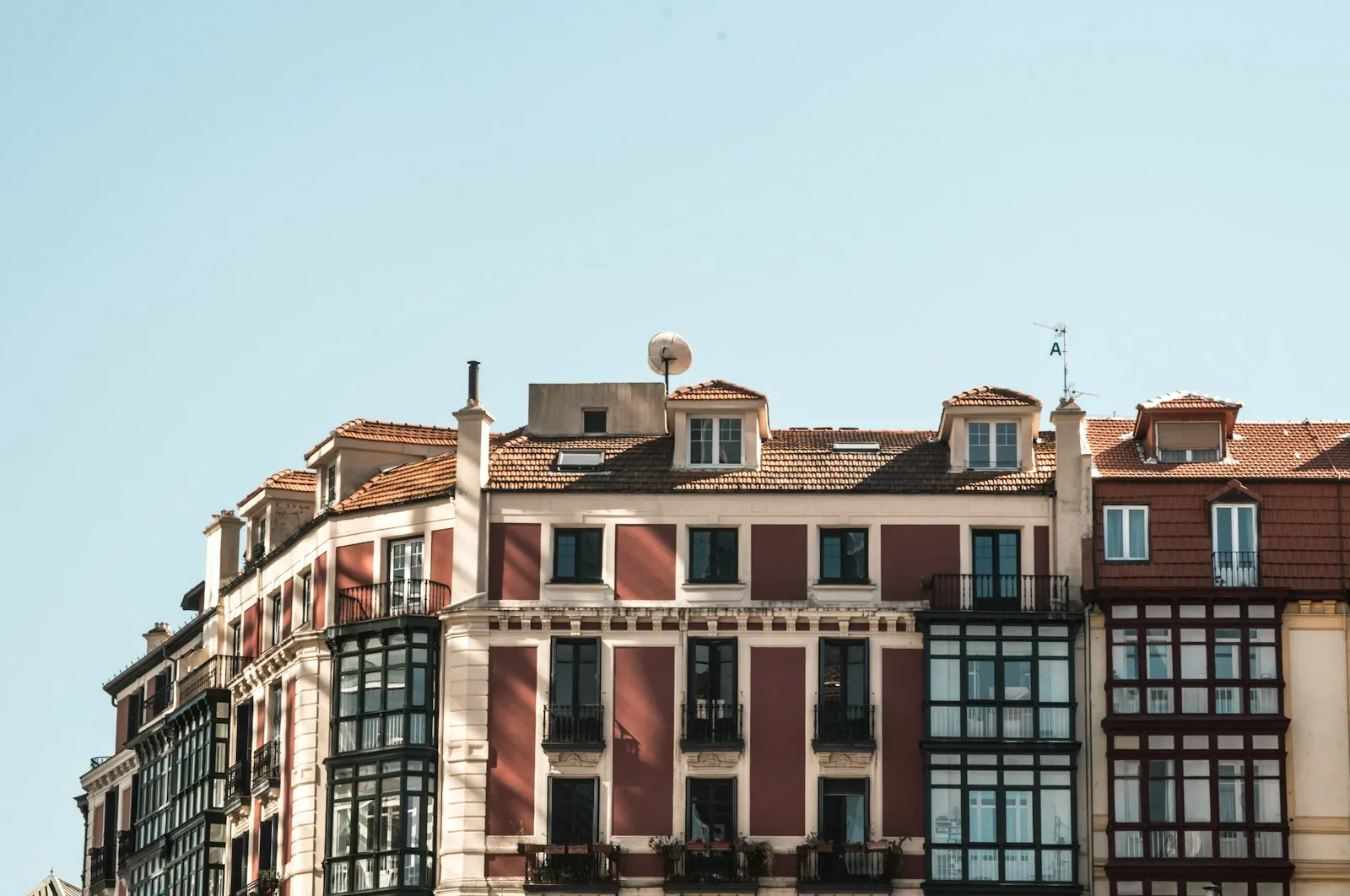
What winter takes away in sunshine it gives back in atmosphere. Bilbao’s food culture was built for doing indoors. In the old town, the Casco Viejo, the Siete Calles (seven streets) are packed with narrow bars, and the arcaded Plaza Nueva has an almost continuous counter of food under cover. On a wet weekend evening it feels as if the whole city has had the same idea at the same moment.
Bilbao is also compact. You can walk from the medieval streets along the Nervión river to the Guggenheim in about 20 minutes, and Norman Foster’s metro, with its glass entrances the locals nicknamed fosteritos, handles anything further out.
How do you get to Bilbao from the UK?
The quickest way is to fly. There are direct flights from London and from several other UK airports, at least in season, and the flight takes around two hours. Routes and airlines change with the seasons, so check what’s running from your nearest airport before you settle on dates. Bilbao airport is a short bus or taxi ride from the centre.
The more interesting option is the sea. Brittany Ferries sails from Portsmouth to the port of Bilbao, which sits a little west of the city, and the crossing takes roughly 32 hours, with a couple of departures a week. That’s a day and a half crossing the Bay of Biscay, so book a cabin, take a book and keep an eye out for whales and dolphins. On a calm crossing it’s a mini-cruise. On a rough one it’s an education. Book well ahead, because timetables and ships change between seasons.
The ferry makes most sense if you bring the car. Bilbao is an excellent starting point for a road trip: San Sebastián is about an hour and a half east, and the wine country of Rioja Alavesa is about the same distance south. In the city itself, though, leave the car at the hotel. You won’t need it, and after the txakoli you shouldn’t be driving.
Before you travel, check the latest FCDO travel advice and entry requirements for Spain, make sure your passport meets the validity rules, carry your GHIC for state healthcare and buy proper travel insurance.
A cocktail stick and a clear conscience
Pintxos are the reason to come. They’re small bites, often served on bread and held together with a cocktail stick, and the Basques treat them as something close to a sport. The classic is the gilda: an anchovy, a green olive and a pickled guindilla pepper on a skewer. It’s salty, sharp and over in one bite, and it was named after Rita Hayworth’s film character because it was green, salty and a bit spicy.
The etiquette is simple once you know it. The cold pintxos are laid out on the counter. The better hot ones are usually listed on a blackboard and cooked when you order, and that’s where the kitchen really shows what it can do. Have one or two pintxos with a small drink, then move on. That’s the txikiteo, the old Basque round of bars, and lingering in one place all evening rather misses the point. In many bars you simply tell them what you had when you pay. It’s an honour system, and it works.
Drink txakoli, the young, slightly sparkling local white, usually poured from a height, or a zurito, a very small beer that keeps you going through the bar crawl. In daylight, visit the Mercado de la Ribera, the large covered market on the riverbank in the old town. Downstairs are fish, meat and cheese; upstairs are bars and food stalls doing a roaring trade at lunchtime.
In Bilbao a meal isn’t a booking, it’s a route, and the only menu you need is the one written on the bar counter.
A tip on tourist traps: bars with a picture menu in six languages by the door are seldom the ones the locals argue over. Go where the counter is crowded, the floor is littered with napkins and nobody’s in a hurry to leave.
Is the Guggenheim Bilbao worth it?
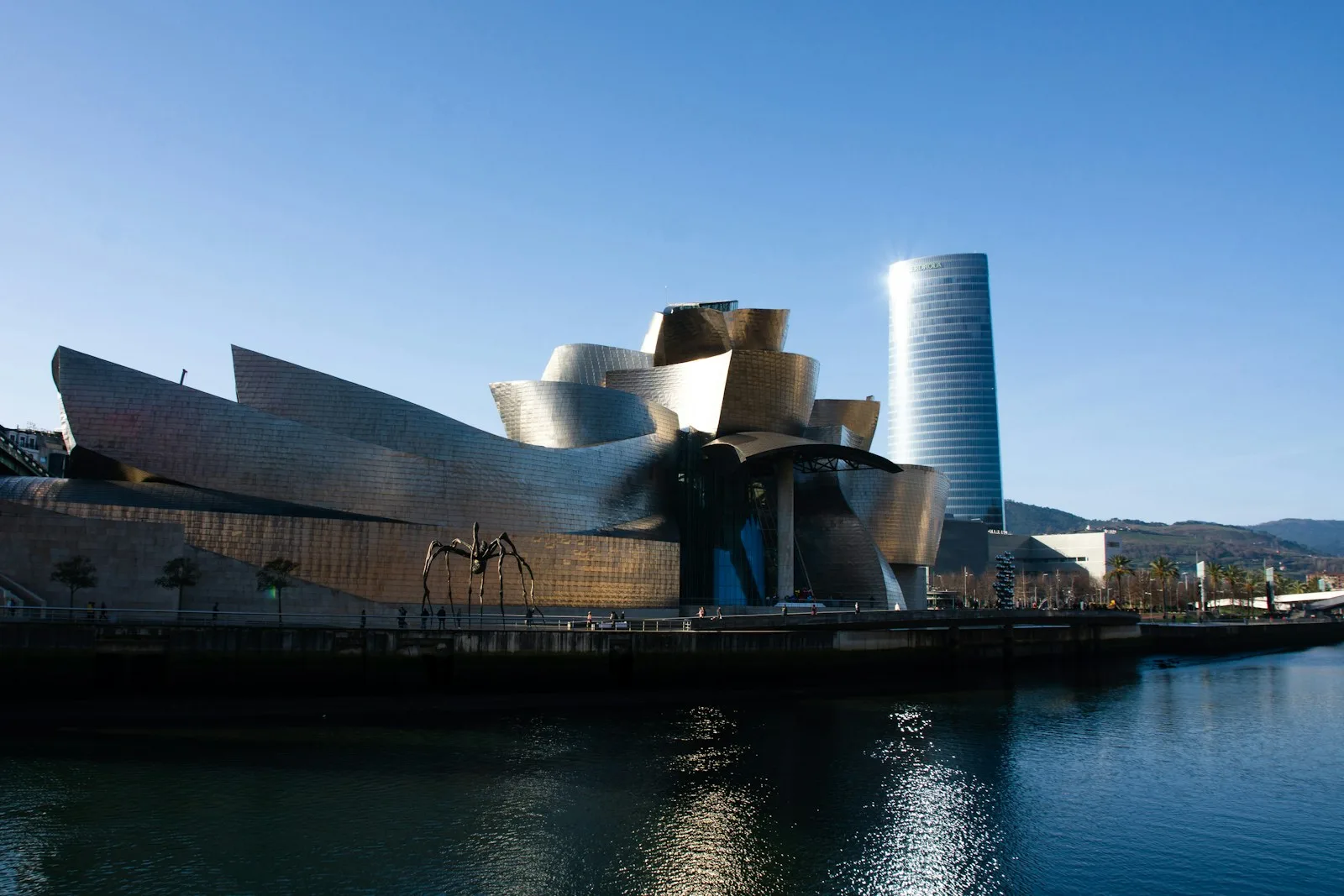
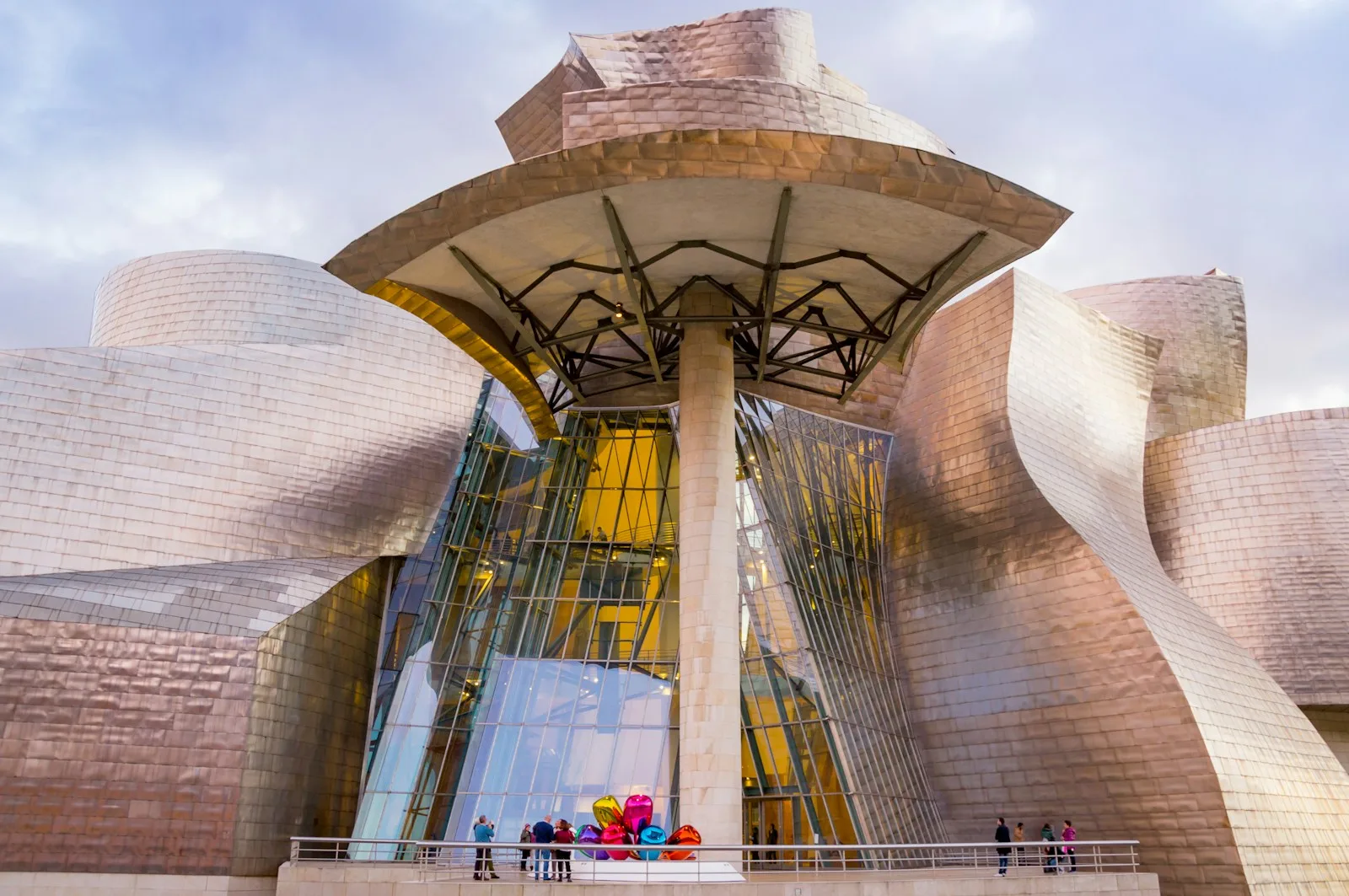
Yes, even if contemporary art leaves you cold. Frank Gehry’s building, opened in 1997 and clad in titanium, is the main exhibit, and it changes character with the weather. Under grey skies it glows like fish scales. Jeff Koons’s Puppy, a giant West Highland terrier covered in flowers, guards the entrance, and Louise Bourgeois’s huge spider Maman stands on the river side. Both are free to look at from outside. Book tickets online and check the opening days before you go, Mondays especially.
Many visitors stop there, and that’s a mistake. Ten minutes’ walk away, the Museo de Bellas Artes has a fine collection of old masters and Basque painting, it’s often much quieter, and it’s worth checking its free-entry hours. On a clear day, ride the Artxanda funicular up to the hills for a view over the whole city. Then take the metro towards the coast to Portugalete and the Vizcaya Bridge, the oldest transporter bridge in the world and a UNESCO World Heritage Site, where a hanging gondola still carries passengers and cars across the river mouth. It’s industrial history you can still use. Football fans should also visit San Mamés, home of Athletic Club, a club that has famously built its team around Basque players.
What it costs, and the morning after
Bilbao is no longer cheap, but it’s still good value for what you get. Prices here are approximate, and conversions are at roughly 85p to the euro:
A small beer (caña) in a bar costs about €2.50–€3.50 (£2.10–£3). A proper pint is uncommon. Pintxos usually cost €2.50–€4 each (£2.10–£3.40), with the hot specials a little more. A typical sit-down restaurant dinner with wine runs to about €35–€50 per person (£30–£43). A short taxi ride of around 5 km is about €10–€12 (£8.50–£10).
As for the morning after, the locals would recommend a strong coffee, a slice of tortilla at the bar and a long walk along the river. The drizzle helps, oddly enough. By lunchtime you’ll be back at the Ribera, telling yourself that just one gilda can’t hurt.
In short
Bilbao is one of the best winter city breaks in Europe for men who would rather eat and look than lie on a sunbed. It’s mild but wet, compact, full of excellent pintxo bars, and its art goes well beyond the Guggenheim. Fly direct in about two hours, or take the 32-hour Brittany Ferries crossing from Portsmouth and bring the car for a Basque road trip. Budget around £30–£45 a head for dinner, and drink the txakoli.
Sources

Midcent Travel
Archie Inglis writes about travel for men 45 and over: city breaks, winter sun, road trips, rail journeys, walking holidays and the longer trips you've been putting off. Where's worth going, how to get there without the hassle, and how to make the money go further.
One of Midcent's writers. Spotted something? Write to archie@midcent.uk.