Thailand in November gets sold as the start of the good weather, and for most of the country that’s true. The trouble is that Thailand has two coastlines with two separate monsoons, and in November they’re doing opposite things. So you could book a fortnight on Koh Samui expecting postcard skies and spend it watching sheets of rain from under a beach umbrella, while your neighbour who picked Krabi comes home looking smug and slightly overcooked.
Get the geography right, though, and November is one of the best months to go. The heat hasn’t reached its spring peak, the crowds and prices haven’t hit their Christmas high, and there’s a festival of floating candles that makes even hardened cynics go a bit quiet.

Is November a good time to visit Thailand?
Mostly yes, as long as you know which bit you mean. Across Bangkok, the central plains and the north, November is when the rainy season gives way to the cool, dry season. In Chiang Mai the evenings get properly fresh, cool enough for long sleeves up in the hills, and the countryside is still green from months of rain. Bangkok stays hot, because Bangkok is always hot, but the humidity drops and the afternoon downpours that flood the streets in September and October become rare.
In practice that makes November a very good month for a classic first or second trip: a few days of temples, markets and river boats in the capital, the ruins at Ayutthaya or Sukhothai, then north to Chiang Mai or Chiang Rai. It’s warm without being punishing, which matters more at 55 than it did at 25.
Andaman or Gulf: which coast is dry in November?
This is where people go wrong. The Andaman coast in the west (Phuket, Krabi, Khao Lak, Koh Lanta and the islands off Trang) gets its monsoon from roughly May to October. By November that season is winding down and the dry season is starting. Expect the odd shower and some leftover swell early in the month, with things improving steadily as December gets closer. On Koh Lanta and the smaller islands, resorts that shut for the wet season reopen around now, so you get things up and running before the peak-season crowds turn up.
The Gulf of Thailand on the east side (Koh Samui, Koh Phangan and Koh Tao) works the other way. It’s fairly sheltered in the summer, when the Andaman side is getting soaked, but its own wet spell usually arrives in October and runs through to December, and November is often the wettest month of the year on Samui. That doesn’t mean constant rain. It does mean heavy, sometimes days-long downpours, rough seas that can disrupt ferries and dive trips, and murky water for snorkelling.
Thailand doesn’t have one rainy season. It has two, and in November they’re facing in opposite directions.
The rule of thumb is simple: for a November beach, go west. Save Samui for spring or high summer, when it’s at its best and the Andaman side is the one getting wet. One warning for the Andaman coast early in the season: the swell can still be strong and rip currents are a real danger on west-facing beaches such as those on Phuket. Take the red flags seriously, as lifeguard cover is patchy.

When is Loy Krathong, and where should you see it?
Loy Krathong falls on the full moon of the twelfth month of the Thai lunar calendar, which usually means November. In 2026 it’s on Tuesday 24 November. Across the country people float krathong, small rafts traditionally made of banana leaf and decorated with flowers, incense and a candle, on rivers, canals and lakes to give thanks to the water spirits and let go of the past year’s grudges. It’s gentle and communal and rather moving, and nothing like the water fights of Songkran in April.
Chiang Mai combines it with Yi Peng, the northern lantern festival, when paper lanterns are released into the night sky. The famous scenes of thousands of lanterns rising at once now mostly happen at organised, ticketed events outside the city, and the rules on releasing lanterns have been tightened over the years because of fire risk and the flight path into Chiang Mai airport. Check with the local tourist office before you go, and treat anyone selling a cheap ticket to a mass release with healthy suspicion. Sukhothai, the old royal capital, holds its celebration among floodlit ruins, which is less hectic and arguably more atmospheric. In Bangkok, the riverbanks and the lakes in Lumphini Park and Benjakitti Park fill with families from early evening.
Hotels in Chiang Mai fill up and prices jump over the festival, so book early. And if you float a krathong, choose one made of bread or banana trunk rather than polystyrene. The canals will thank you.
Getting there and what it costs
Thai Airways flies non-stop from Heathrow to Bangkok in around 11 to 12 hours. Most other routes connect through the Gulf or Asia, with Emirates via Dubai, Qatar Airways via Doha, Etihad via Abu Dhabi, or Asian carriers via their own hubs, and those often work out cheaper, with handy onward connections to Phuket, Krabi and Chiang Mai. UK package operators sell Phuket, Khao Lak and Krabi beach holidays through the winter, and if you’re mainly after a fortnight on a lounger with the flights and transfers sorted, a package can be good value and gives you ATOL protection. November sits just ahead of peak season, so fares and room rates are usually lower than over Christmas and New Year.
On the ground, Thailand is still good value, though Phuket’s beach strips are noticeably dearer than the rest of the country. Rough prices at around 43 baht to the pound:
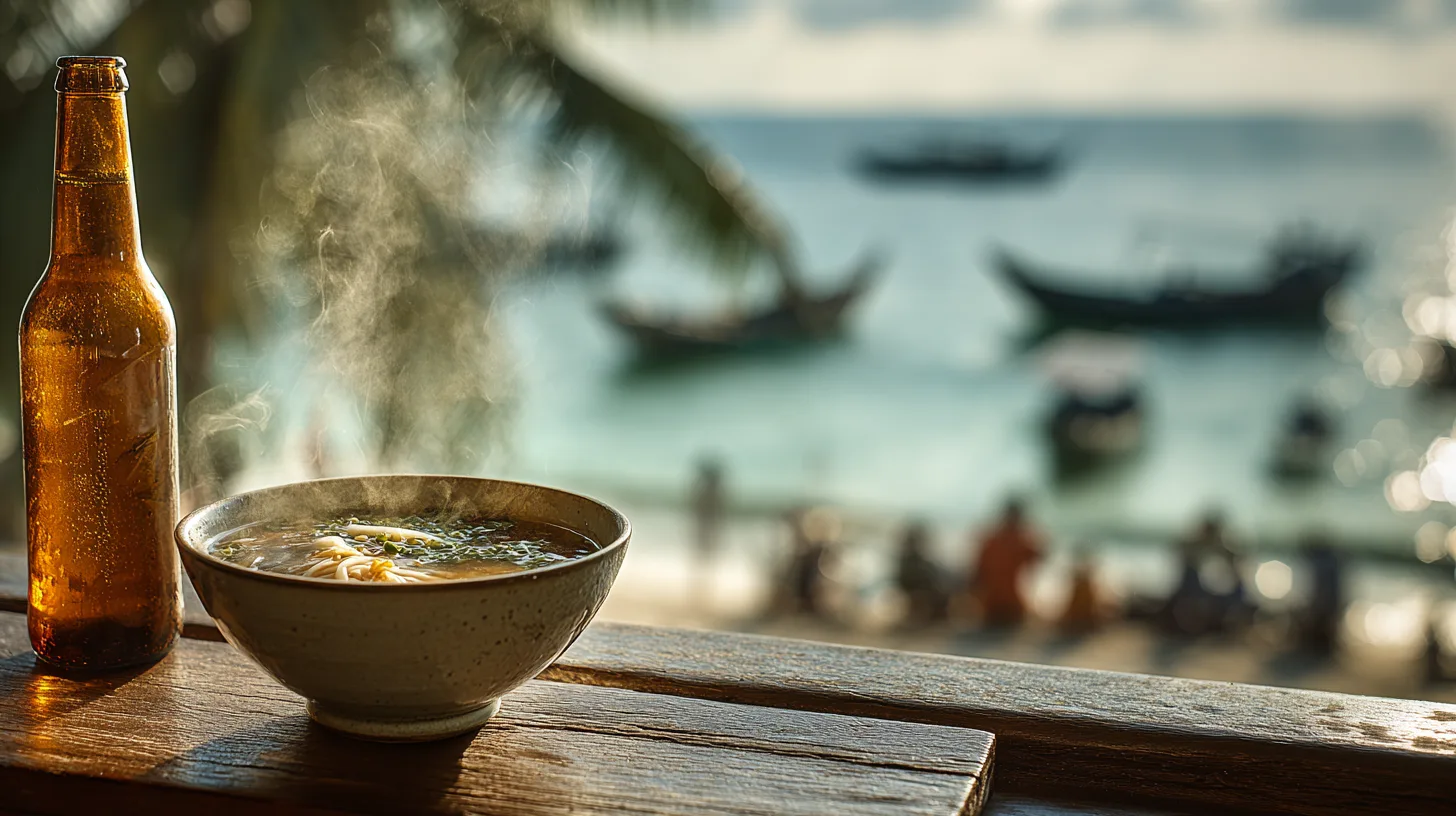
A large bottle of local beer such as Chang or Singha in a bar: about 80–150 baht (roughly £2–£3.50), more in hotel bars and tourist hotspots. A typical restaurant dinner per person with a drink: about 300–600 baht (£7–£14), and far less at a street stall. A short taxi ride of about 5 km in Bangkok on the meter: about 70–100 baht (£1.60–£2.30). Insist on the meter or use a ride-hailing app such as Grab. Phuket taxis rarely use meters and charge much more, so agree the fare before you get in.
Before you book
Check the latest FCDO travel advice for Thailand on GOV.UK before you book and again before you fly. It covers entry requirements, including how long British passport holders can stay without a visa, the online arrival card Thailand now asks visitors to fill in before they travel, and passport validity, which needs to be at least six months. These rules have changed several times recently, so don’t rely on what a friend told you after their trip last year.
Your GHIC is no use here, because it only covers state healthcare in the EU and a few other countries. Thailand’s private hospitals are excellent and expensive, so proper travel insurance that covers medical treatment and repatriation is essential. If you plan to hire a scooter, check the small print first, because many policies won’t pay out without a full motorcycle licence and a helmet.
In short
November is a very good month for Bangkok, the north and the Andaman coast, where the dry season is starting and Phuket, Krabi and Koh Lanta are coming into their best months. Koh Samui and the other Gulf islands are usually at their wettest, so save them for another time of year. Time your trip for Loy Krathong (24 November in 2026) and you’ll see Thailand at its most magical, as long as you’ve booked your Chiang Mai hotel well in advance.
Sources

Midcent Travel
Archie Inglis writes about travel for men 45 and over: city breaks, winter sun, road trips, rail journeys, walking holidays and the longer trips you've been putting off. Where's worth going, how to get there without the hassle, and how to make the money go further.
One of Midcent's writers. Spotted something? Write to archie@midcent.uk.