Stress gets blamed for high blood pressure, but its real effect works through your coping habits. Here is what the evidence says and how to check your numbers.
Reviewed, edited and approved by Editor-in-chief Daniel Sköld · Updated 23 October 2026
Contents
You know the feeling. The inbox is full, the boiler has packed up, a parent needs looking after and your teenager wants a lift at 11pm. Your jaw is clenched, your heart is thumping, and somewhere at the back of your mind a voice says this can’t be doing your blood pressure any good.
That voice is half right. Stress and blood pressure are linked, though not quite the way most of us assume. If you’re in your late forties or fifties, the details matter, because this is when high blood pressure tends to turn up, usually without telling you.
AD
Does stress cause high blood pressure?
In the short term, yes. When something winds you up, your body releases stress hormones such as adrenaline and cortisol. Your heart beats faster, your blood vessels tighten and your blood pressure rises. It’s the old fight-or-flight response, built for running away from predators rather than reading a stroppy email from your manager.
The spike normally passes once the stress does. The harder question is whether years of stress leave your blood pressure permanently high. The British Heart Foundation’s view is that chronic stress can, over time, affect heart health and raise blood pressure. It is also clear that stress alone will not cause cardiovascular disease. The bigger risk lies elsewhere.
The real culprit is how you cope
When you’re under pressure, it’s easy to have one more glass of red, get a takeaway, skip the walk, stay up too late or go back to the cigarettes you gave up in 2009. The BHF points out that these habits can ease stress for a while but damage your heart if they go on for months or years.
Each of them is an established cause of high blood pressure. Regularly drinking more than the UK low-risk guideline of 14 units a week raises it. So does a salty diet: the NHS recommends adults have no more than 6g of salt a day, roughly a teaspoon, and ready meals and takeaways can use up much of that in one sitting. Carrying extra weight, especially round the middle, puts strain on your heart and blood vessels. Poor sleep and inactivity make it worse.
Stress rarely raises your blood pressure on its own. The things you do to cope with it often do.
That’s the good news, in a way. You may not be able to sack your boss or fix your mortgage rate, but you can change the evening routine that stress has pushed you into.
How do I know if my blood pressure is high?
Usually you don’t. High blood pressure rarely causes symptoms, which is why it’s so often found by chance. The only way to know is to have it measured.
As a rough guide, the NHS considers a reading taken at a surgery or pharmacy to be high if it’s 140/90mmHg or above. For readings taken at home, the threshold is slightly lower, at 135/85mmHg. A single high reading isn’t a diagnosis. Your GP will want to see a pattern, often by asking you to measure it at home over several days.
Where you get checked depends on where you live:
England: if you’re aged 40 to 74 and don’t already have a heart or circulation condition, you should be invited for a free NHS Health Check every five years, which includes a blood pressure check. If you’re registered with a GP and haven’t had an invitation, ask your surgery. Many community pharmacies in England also offer free blood pressure checks for adults over 40.
Scotland, Wales and Northern Ireland: there’s no NHS Health Check in the same form, but you can ask your GP practice or a local pharmacy about having your blood pressure checked.
Home monitors are widely available and can be useful, particularly if you get white coat hypertension, when your blood pressure rises because you’re being checked. Choose a clinically validated upper-arm monitor rather than a wrist gadget, sit quietly for a few minutes first and keep a log to show your GP. Don’t let a high reading after a row with the car insurance company send you into a panic.
AD
What actually lowers stress and blood pressure?
The most reliable measures aren’t exotic, but some have better evidence than others.
Move more. Regular aerobic exercise, such as brisk walking, cycling or swimming, helps lower blood pressure and is one of the best-proven ways to burn off stress. Recent research has also drawn attention to isometric exercises, where you hold a position such as a wall squat or a plank. A large analysis published in the British Journal of Sports Medicine in 2023 found they can lower blood pressure effectively. That’s promising, but if you already have high blood pressure or a heart condition, check with your GP before you start holding wall squats until your thighs give out.
Watch the drink. Alcohol may feel like it helps you relax, but it pushes up your blood pressure and ruins your sleep. Keeping several days a week alcohol-free is a sensible place to start.
Cut the salt and lose a little weight. If you’re overweight, losing even a stone (about 6.4kg) can make a measurable difference. Cutting down on processed food helps both.
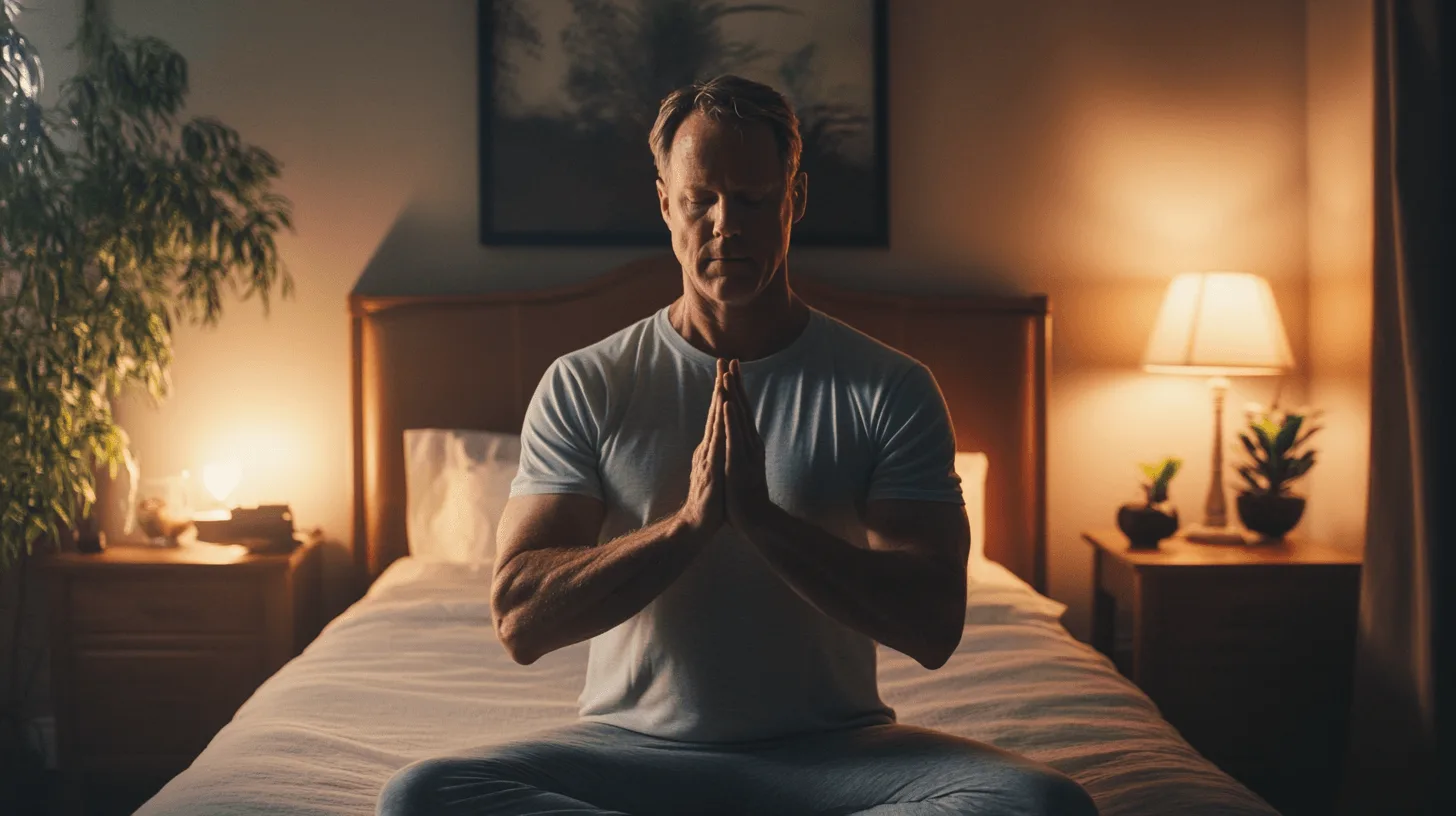
Protect your sleep. Short, broken sleep and stress feed each other. Keeping regular hours and making the bedroom a screen-free zone are dull pieces of advice, but they work.
Breathing, meditation and apps. Slow breathing exercises, mindfulness and meditation can reduce stress, and some studies suggest they have a small effect on blood pressure. The evidence is mixed and the effects are modest, so treat them as a useful extra rather than a replacement for the measures above. If ten minutes on a meditation app stops you reaching for the biscuit tin, that alone is worth something.
Find out what sets you off. The BHF suggests identifying your stress triggers where you can. Knowing that Sunday evenings or certain meetings wind you up gives you a chance to plan around them.
When should you talk to someone?
If stress is constant, affecting your sleep or mood, or you’re relying on drink to get through the week, speak to your GP. In England, you can also refer yourself to NHS Talking Therapies for problems such as stress, anxiety and depression. In Scotland, Wales and Northern Ireland, your GP can tell you what support is available locally.
If you’ve been diagnosed with high blood pressure, carry on with any treatment you’ve been prescribed and discuss any changes with your GP or pharmacist. Lifestyle changes work alongside medication rather than replacing it.
For urgent advice, use NHS 111. Online, 111 covers England only; Scotland, Wales and Northern Ireland have their own urgent advice services. If you have chest pain, sudden shortness of breath or any signs of a stroke, such as a drooping face, weakness in an arm or slurred speech, call 999.
In short
Stress raises your blood pressure temporarily, and long-term stress may affect your heart. However, the bigger danger usually comes from coping habits such as drinking, eating badly, sitting still and sleeping too little. High blood pressure rarely causes symptoms, so get it checked: through the NHS Health Check or a pharmacy in England, or through your GP or pharmacy elsewhere in the UK. Then deal with the habits stress has pushed you into, because that’s where you can make the biggest difference.
Adrian Irving writes about health for men 45 and over who would rather do something than worry. Training, weight loss, sleep, cholesterol and blood tests, heart health, testosterone, the prostate, mental health and your sex life – what the evidence says, what's worth trying, and when it's time to see your GP.
One of Midcent's writers. Spotted something? Write to adrian@midcent.uk.
You might not feel stressed, but your body may disagree. How to spot the quiet signs of chronic stress in midlife, what it does to your heart, and how to fight back.
Short nights, loud snoring and 3am wake-ups can all push your blood pressure up. Here is what the evidence says, which signs matter and what to do about them.
An unreliable erection can be about stress, sleep or something more serious. Here is when to get checked, what your GP may look for and where sildenafil fits.
You needn’t abandon Sunday lunch or swear off the pub. Start with a proper reading, then make changes to food, movement and drinking that you can keep up.