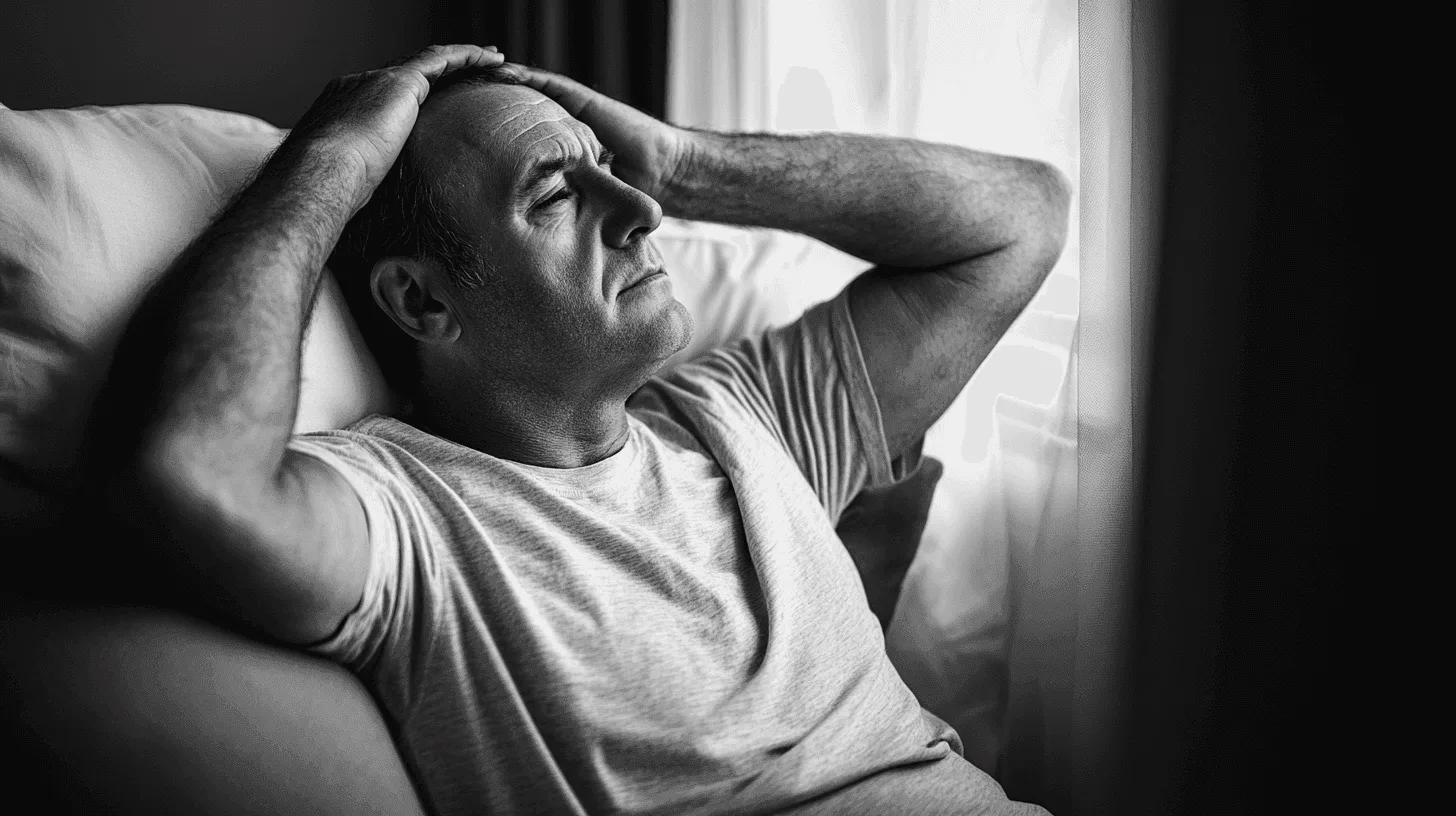
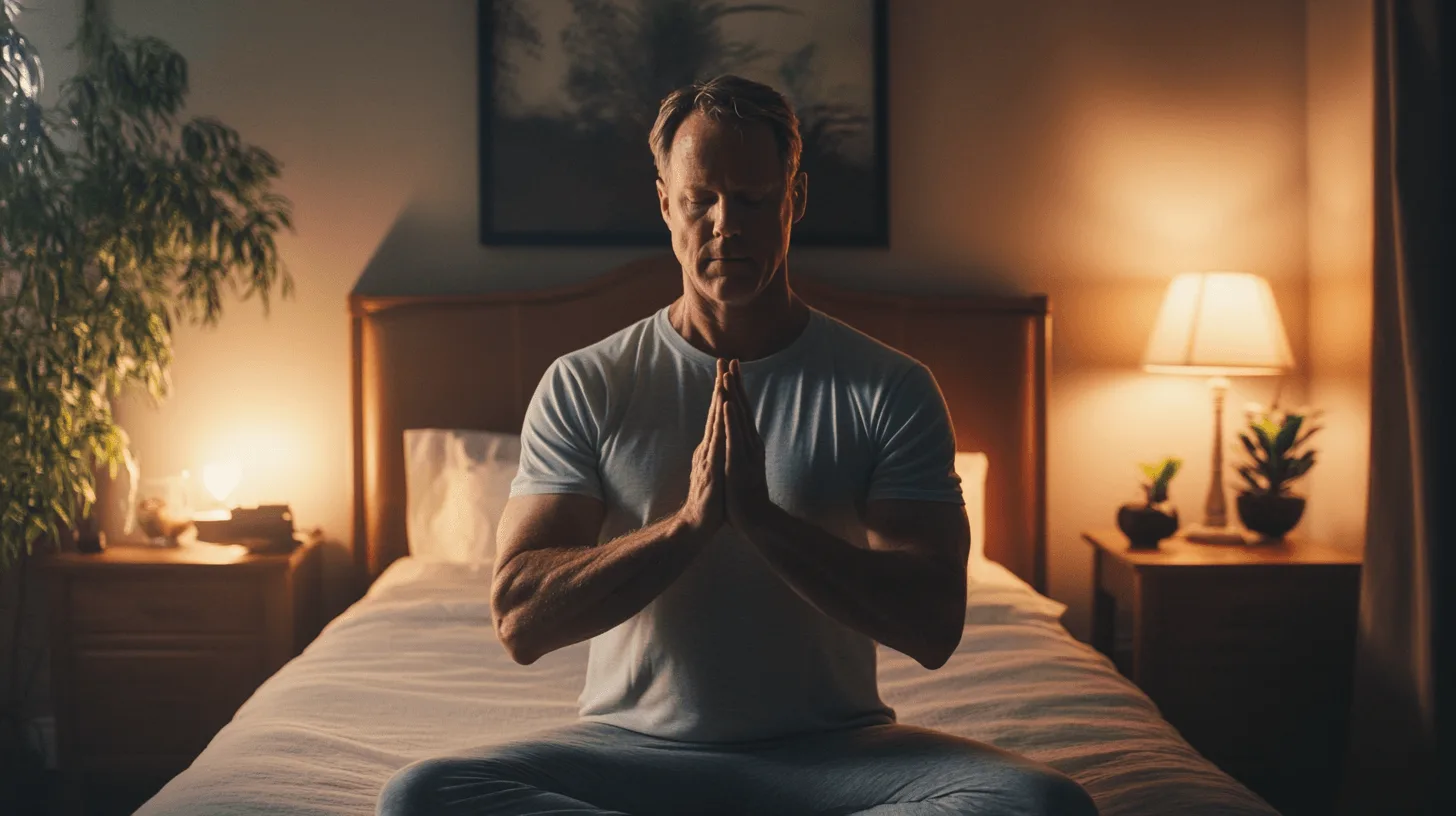
You used to sleep like a felled oak. Now you wake at 3am, run through tomorrow’s to-do list, get up for a wee, and lie there until the alarm goes off just as you finally drift away.
Welcome to midlife sleep. It is common, and it is not a character flaw. But it matters more than most of us think, because short or broken sleep affects your weight, your heart and your hormones. The good news: much of it can be fixed, and the best treatment does not come in a pill.
How much sleep do you actually need?
The NHS says most adults need somewhere between seven and nine hours a night. Some people manage on a bit less and some need a bit more, so the best test is how you feel. If you wake up groggy, reach for coffee before you have opened your eyes and nod off in front of the telly by half past nine, you are probably not getting enough.
Quality matters as much as quantity. Eight hours in bed is worth far less if you wake six times, snore like a two-stroke engine or spend half of it scrolling your phone.
As we age, sleep naturally gets lighter and more broken. That is normal. Feeling permanently shattered is not, and you do not have to put up with it.
What does lack of sleep do to your body?
Sleep is when your body does its maintenance. Skip it night after night and the effects add up.
Weight first. Short sleep upsets the hormones that control appetite, so you feel hungrier, especially for sugary, starchy food, and less satisfied after eating. Add the extra hours awake and the tiredness that makes the gym feel impossible, and it is easy to see how the scales creep up. If you are trying to shift half a stone (about 3kg) and getting five hours a night, sleep may be the missing piece.
Then your heart. Long-term poor sleep is linked with higher blood pressure, type 2 diabetes and heart disease. The research shows strong links rather than neat cause and effect in every case, but the direction is consistent: people who regularly sleep badly tend to have worse heart health.
Then your mood and your brain. Concentration, memory, patience and your ability to cope with stress all take a hit. Most of us have seen this in the mirror.
Does poor sleep lower testosterone?
It seems to. Most of your daily testosterone is released while you sleep, so cutting sleep short cuts into production. In a small but widely cited US study published in JAMA in 2011, healthy young men who were limited to five hours a night for a week saw their daytime testosterone fall by roughly 10 to 15 per cent.
That was a small study in younger men, so be careful about drawing big conclusions. But testosterone already drifts down gradually with age, and men who are overweight tend to have lower levels too. Poor sleep, extra weight and low testosterone can feed each other: you sleep badly, gain weight, feel flat, move less and sleep worse.
If you have low energy, low sex drive or erection problems, it is worth fixing your sleep first and then talking to your GP. Do not buy testosterone boosters online in the hope that they fix the problem. The evidence for most of them is weak.
Before you spend money on supplements, gadgets or testosterone boosters, make sure you are getting a decent night’s sleep. It costs nothing and helps almost everything else.
What actually helps you sleep better?
Here is the unglamorous part. NHS sleep services keep coming back to the same basics, because they work.
Get up at the same time every day, weekends included. This is the single most important habit. A fixed wake-up time sets your body clock. Lie-ins on Sunday give you jet lag by Monday.
Get outside in daylight every day, ideally in the morning, and be physically active. A brisk walk counts.
Watch the caffeine and alcohol. Coffee after lunch can still be in your system at bedtime. A couple of pints may help you drop off, but alcohol breaks up your sleep in the second half of the night and sends you to the loo.
Wind down. Give yourself an hour before bed without work emails, the news or arguments on social media. Keep the bedroom cool, dark and quiet.
If you cannot sleep, do not lie there fighting it. Get up, go to another room, do something dull in low light and go back to bed when you feel sleepy. It feels wrong, but it teaches your brain that bed is for sleeping, not for worrying.
What about sleep trackers, apps and supplements? Trackers can show you patterns, but they are not precise and some people end up more anxious about their scores. Melatonin is prescription-only in the UK and is mostly used for older adults with particular sleep problems, so talk to your GP rather than ordering it from abroad. NHS advice is that sleeping pills are usually only for short-term use.
For long-term insomnia, the treatment with the best evidence is cognitive behavioural therapy for insomnia, known as CBT-I. In 2022, NICE recommended the digital CBT-I programme Sleepio as an option in primary care for people with insomnia. Whether you can get it free depends on where you live and your local NHS, so ask your GP.
When is it time to see your GP?
Book an appointment if poor sleep has lasted for months, if it affects your work or your mood, or if your own efforts have not helped.
Pay particular attention to loud snoring, choking or gasping in your sleep, or a partner noticing that you stop breathing for a few seconds. Add daytime sleepiness and that could be obstructive sleep apnoea. It is more common in men, especially men carrying extra weight around the neck and belly, and it is linked to high blood pressure and heart problems. It is treatable, often with a CPAP machine that you wear overnight. If you drive and your condition causes excessive sleepiness, you must tell the DVLA. Nodding off at the wheel is never acceptable.
Getting up several times a night to pee is also worth mentioning to your GP. It is often harmless, but it can be a sign of an enlarged prostate or another condition that should be checked.
If you are 40 to 74 and live in England, the free NHS Health Check every five years measures your blood pressure, cholesterol and weight, all of which poor sleep can affect. Scotland, Wales and Northern Ireland do not offer the same national programme, so ask your GP practice what checks are available. If you feel very low or have thoughts of harming yourself, contact your GP or NHS 111 urgently, or call 999 in an emergency.
In short
Regularly sleeping less than about seven hours a night can make you gain weight, put more strain on your heart, lower your mood and, according to early evidence, reduce your testosterone. The fix starts with the basics: get up at the same time every day, get daylight and exercise, cut back on late caffeine and alcohol, and get out of bed when you cannot sleep. If insomnia lasts for months, or you snore loudly and feel sleepy during the day, see your GP. CBT-I and sleep apnoea treatment both work well.
Sources

Midcent Health
Adrian Irving writes about health for men 45 and over who would rather do something than worry. Training, weight loss, sleep, cholesterol and blood tests, heart health, testosterone, the prostate, mental health and your sex life – what the evidence says, what's worth trying, and when it's time to see your GP.
One of Midcent's writers. Spotted something? Write to adrian@midcent.uk.