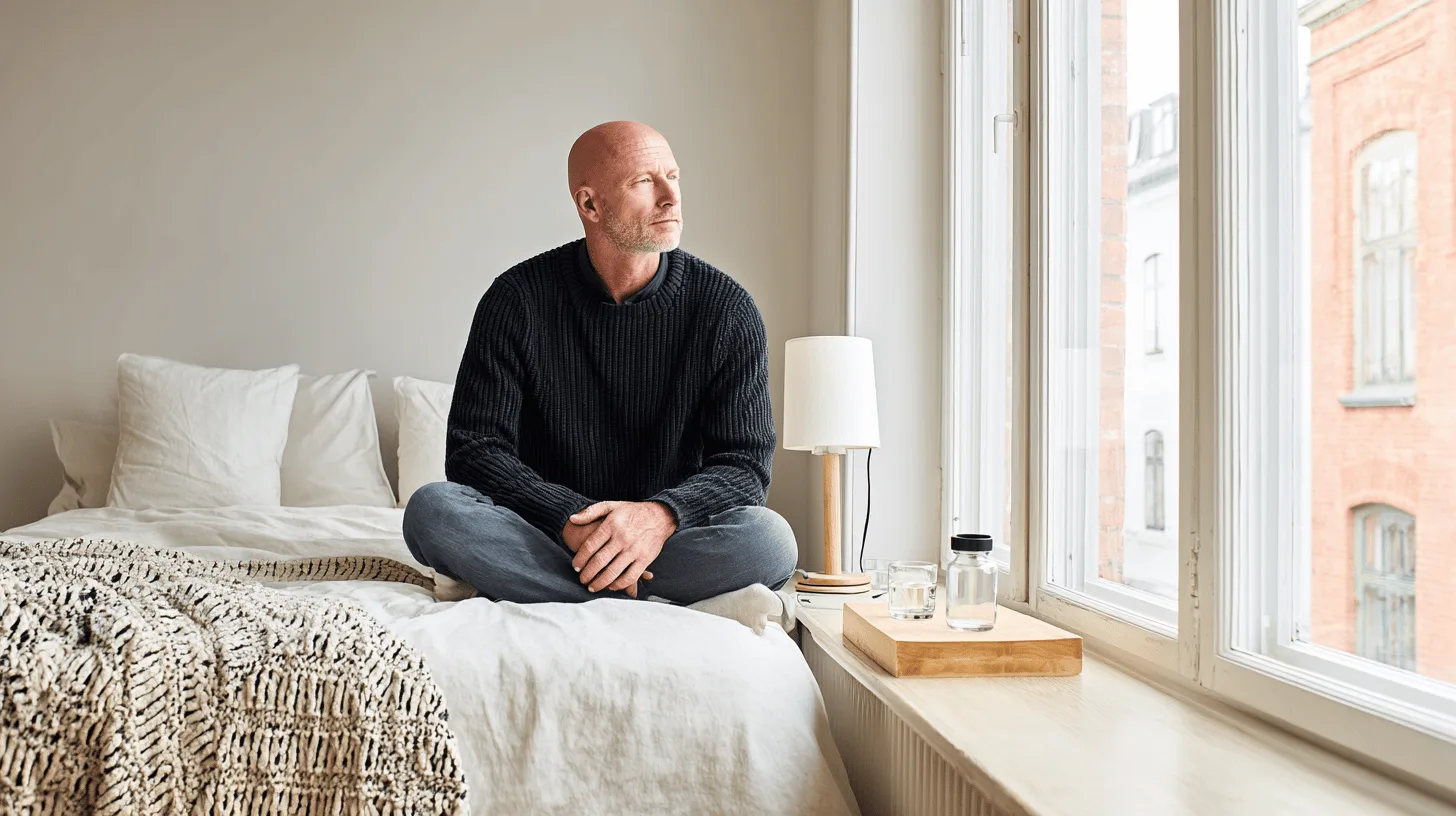
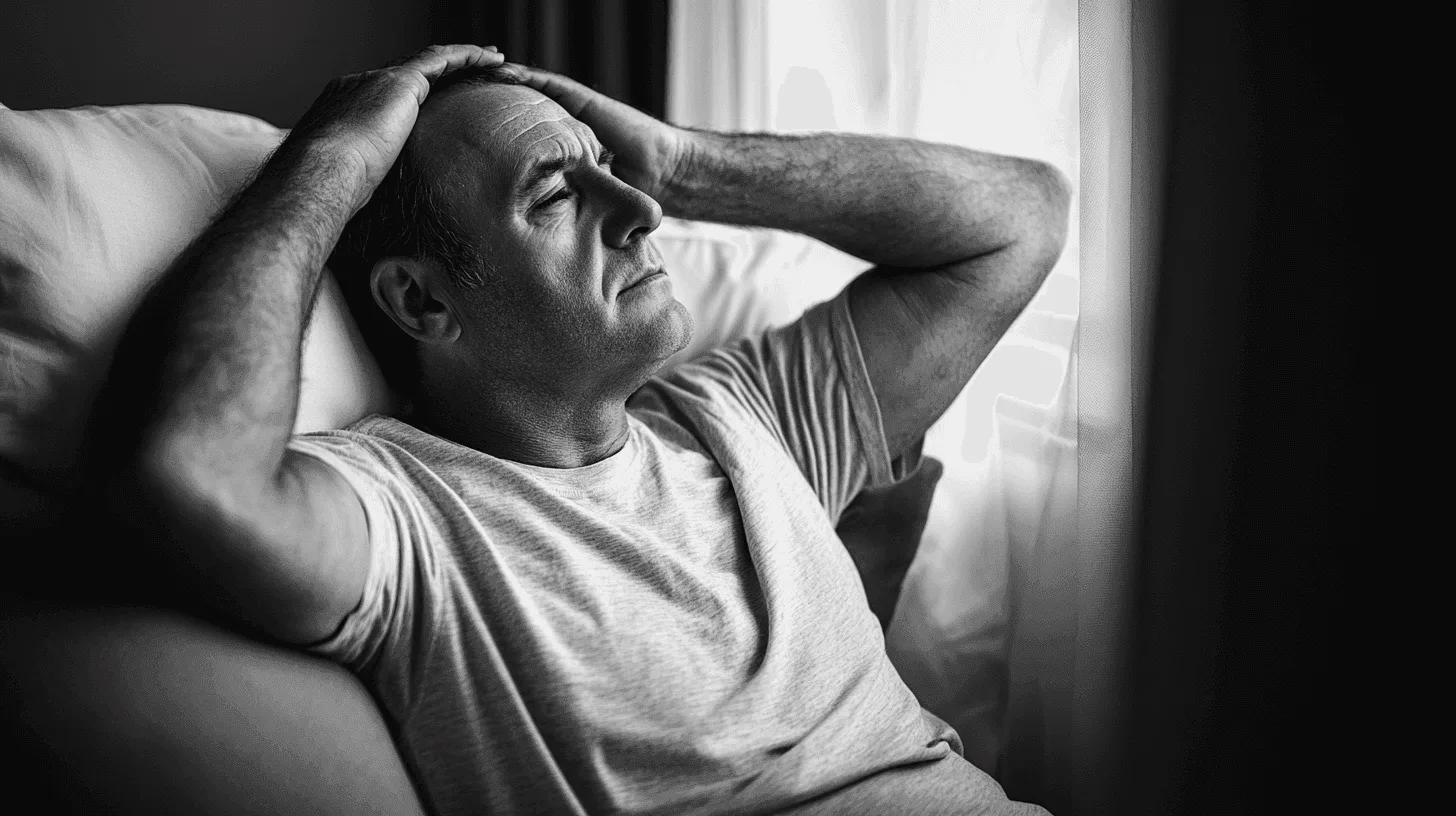
It is 3am. You have already calculated tomorrow’s meetings, remembered a job you forgot to do and checked the clock twice. The alarm is not due for hours, but your brain appears to have started its shift.
Sleep can get more complicated in midlife. That does not mean you have to accept feeling shattered, or buy whatever a sleep advert is selling this week. Start by working out what is waking you; the useful fix depends on the cause.

Why do I keep waking up at 3am?
First, one bad night is not a diagnosis. Insomnia means regularly struggling to fall asleep, waking repeatedly or waking early and being unable to get back to sleep. The NHS says adults need around seven to nine hours on average, though individual needs vary. How you function during the day matters more than achieving a perfect number on your watch.
There is no single midlife sleep switch that flips off at 50. Stress, anxiety, low mood, shift work, pain, alcohol and caffeine can all interfere. Medicines can, too. If a new sleep problem followed a change in treatment, ask your GP or pharmacist to review it rather than changing a medicine yourself. And be sceptical of anyone who declares poor sleep proof of a ‘male menopause’: the NHS says that label can be misleading.
Look at what happens before you wake. If you get up to pee and have a weaker stream, urgency or trouble starting, tell your GP. An enlarged prostate is one possible explanation, not one to diagnose in your bathroom at 3am. If somebody hears loud snoring, gasping or pauses in your breathing, particularly if you are exhausted by day, ask your GP about sleep apnoea. A quieter bedroom will not treat interrupted breathing.
For a week or two, jot down bedtime, waking time, naps, caffeine, alcohol and what woke you. It need not become another spreadsheet you resent. You are looking for patterns you can discuss with a clinician, not giving yourself a nightly performance review.
What actually helps you sleep better?
Start with a reliable getting-up time, including after a rotten night. Go to bed when you feel sleepy rather than moving bedtime earlier in the hope of banking extra hours. During the day, get some regular exercise; in the evening, give yourself time to wind down. Keep the bedroom dark, quiet and comfortable. Earplugs and curtains are less exciting than a new gadget, but considerably easier to justify.
Then check the usual suspects. The NHS advises avoiding alcohol, tea and coffee for at least six hours before bed, as well as late big meals and exercise close to bedtime. Alcohol may make you feel sleepy initially without giving you a good night. If the evening pint has become part of your sleep strategy, it is worth testing a few alcohol-free evenings instead.
Better sleep starts with finding what is keeping you awake, not buying something that promises to knock you out.
Put your phone down before bed, too. The news, work messages and the little glowing clock are not much of a wind-down routine. If you are lying awake fretting, get up for a while and do something quiet until you feel sleepy again. Try not to turn the bed into an office for worrying about sleep.
These changes give sleep a fair chance; they are not a test of character. If you have been doing the sensible things and are still struggling, do not keep adding ever-stricter rules. Persistent insomnia may need a more structured approach, and pain, mood problems or another sleep condition may need attention in their own right.
Are sleeping tablets and apps worth it?
For ongoing insomnia, ask about cognitive behavioural therapy for insomnia, or CBT-I. It tackles the thoughts and habits that can keep poor sleep going. It is more structured than a list of ‘sleep hygiene’ tips and can be delivered with a therapist or through a suitable digital programme. A GP can help you decide whether it fits your situation, especially if you might have sleep apnoea or another condition.
There is evidence behind some sleep technology, but not every app that plays rain sounds is CBT-I. NICE found that the digital CBT-I programme Sleepio reduced insomnia symptoms compared with usual care; evidence directly comparing it with face-to-face CBT-I was more limited. A tracker might help you notice patterns, but it cannot tell you why you are waking or replace an assessment if you have warning signs. If its nightly score makes you anxious, give yourself permission to stop checking.
Pharmacy sleep aids are a different proposition. Some contain sedating antihistamines; others are sold as natural remedies. The NHS says they may help for a week or two but do not cure insomnia and can cause next-day drowsiness. Check with a pharmacist or doctor before taking one, particularly if you use other medicines or may have sleep apnoea. Prescription sleeping tablets are generally reserved for severe problems and short courses because of side effects and dependence. This is a conversation with a clinician, not a reason to start or stop anything on your own.
When it is time to get help
Book a GP appointment if changes to your routine have not helped, sleep trouble has lasted for months or it is making daily life hard to manage. Go sooner if somebody notices breathing pauses or gasping, or if you are consistently very sleepy in the day. Tell the GP about pain, mood changes, medicines and urinary symptoms as well as how many hours you think you slept.
Where you live affects the route to help. In England, ask your GP about local CBT-I options; NHS Talking Therapies can also take self-referrals for anxiety or depression if those are part of the picture. Scotland’s NHS inform has a CBT-based sleep guide and describes access to a digital CBT-I programme. NHS 111 Wales provides insomnia advice; in Wales and Northern Ireland, ask your GP what sleep support is available locally. Availability of a particular therapy or app is not identical across the UK.
Do not drive if you feel sleepy. If sleep apnoea is confirmed and causes excessive sleepiness, driving restrictions and DVLA notification rules may apply; check with your clinician. Blood in your urine, pain when peeing or being unable to pee calls for urgent medical advice. Use NHS 111 in England, Scotland or Wales, or your GP out-of-hours service in Northern Ireland when your practice is shut. Call 999 for a life-threatening emergency.

In short
If you regularly sleep badly in midlife, check for likely disruptors such as stress, caffeine, alcohol, pain or night-time urinary symptoms, and keep a steady waking time. Ask your GP about persistent insomnia and CBT-I rather than relying on sleep aids. Snoring with gasping or marked daytime sleepiness needs assessment, not another bedtime trick.
Sources

Midcent Health
Adrian Irving writes about health for men 45 and over who would rather do something than worry. Training, weight loss, sleep, cholesterol and blood tests, heart health, testosterone, the prostate, mental health and your sex life – what the evidence says, what's worth trying, and when it's time to see your GP.
One of Midcent's writers. Spotted something? Write to adrian@midcent.uk.