You might not feel stressed, but your body may disagree. How to spot the quiet signs of chronic stress in midlife, what it does to your heart, and how to fight back.
Reviewed, edited and approved by Editor-in-chief Daniel Sköld · Updated 23 October 2026
Contents
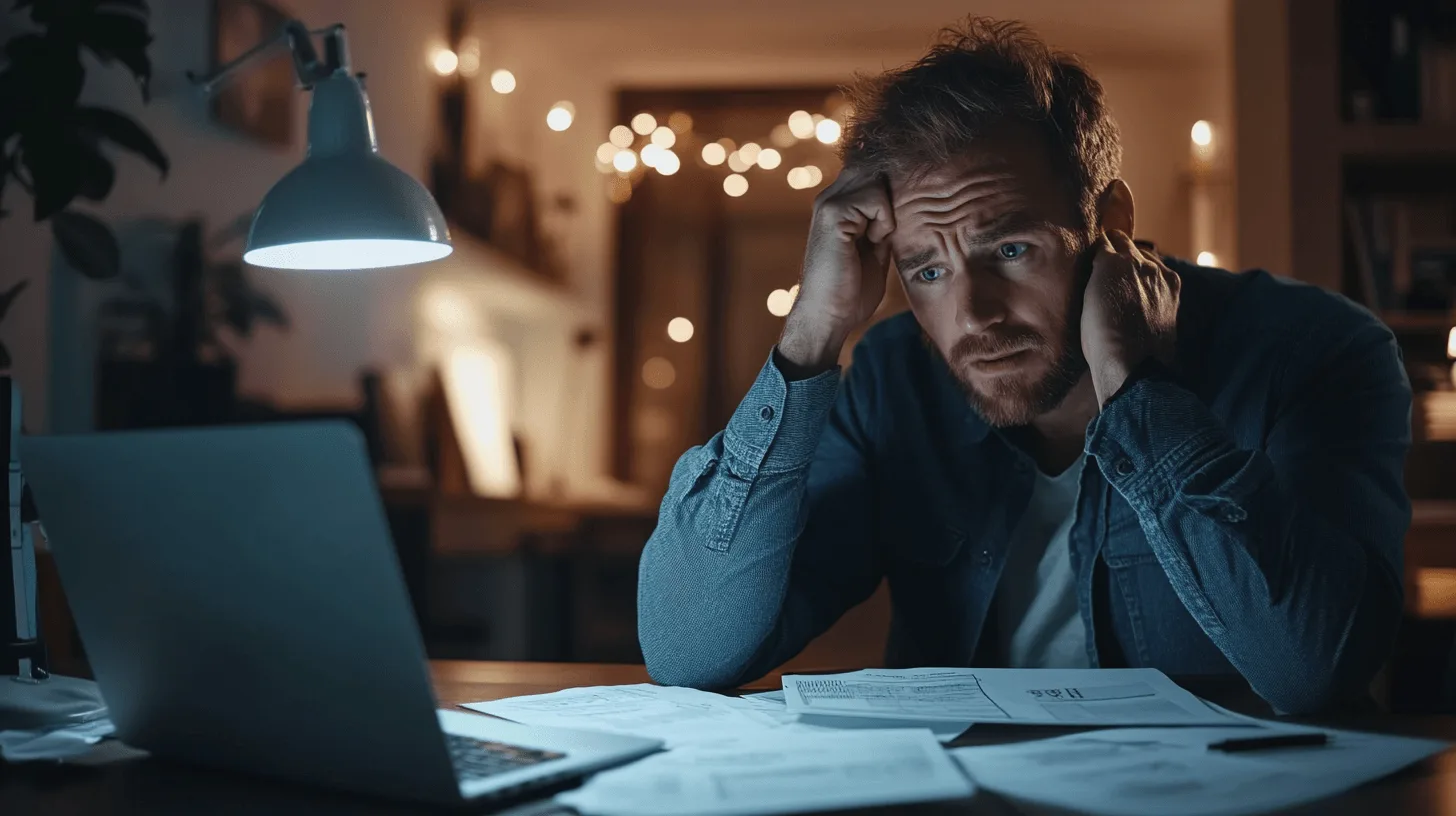
Ask most men over 45 whether they’re stressed and you’ll get the same answer: “Not really. Busy, that’s all.” Then they grind their teeth through the night, wake at 3am going over a spreadsheet, and pour a third glass of wine to “unwind”.
Stress isn’t always a racing heart and a panicked face. In midlife it tends to be quieter: a constant background hum you’ve stopped hearing. Your body still hears it, though. Here’s how to spot it, what it’s doing to you, and how to turn the volume down.
AD
What are the signs of stress you might be missing?
The NHS splits stress symptoms into three groups, and the useful thing about the list is how unremarkable most of it sounds. That’s exactly why it gets missed.
Physical signs include headaches or dizziness, muscle tension or pain, and stomach problems. If your shoulders sit somewhere round your ears by Thursday, or your back has “just gone” again with no obvious reason, it’s worth asking what else is going on.
Mental signs include finding it hard to concentrate, struggling to make decisions, feeling overwhelmed, worrying all the time and being forgetful. Lots of men put the brain fog down to age. Sometimes it is. Sometimes it’s a brain trying to run twelve tabs at once.
Then there are changes in behaviour, which are often the giveaway because other people notice them first: being irritable and snappy, sleeping too much or too little, eating too much or too little, avoiding certain people or places, and drinking or smoking more.
A quick test: if your partner, kids or colleagues have started tiptoeing round you, the problem may not be them.
What does long-term stress do to your body?
Stress is an ancient survival kit. Faced with a threat, your brain tells your body to release hormones such as adrenaline and cortisol. The British Heart Foundation explains that these temporarily push up your blood sugar, blood pressure, cholesterol and heart rate, so your muscles and brain get more energy and oxygen. Useful if you’re being chased by a bear. Less useful when the threat is an inbox, a mortgage renewal or an ageing parent two hours up the M6.
The trouble starts when the alarm never switches off. The BHF says chronic stress can affect heart health and raise blood pressure over time, and can increase the risk of heart attack and other cardiovascular diseases, especially when it leads to unhealthy habits.
That last part matters, because it’s where most of the damage seems to happen. The BHF is honest that what we know for certain is that stress makes us more likely to smoke, drink too much, overeat, reach for food high in salt, sugar and saturated fat, and move less. Those habits feed high blood pressure, high cholesterol and type 2 diabetes, all big drivers of heart and circulatory disease.
The science on whether stress harms the heart directly is still being worked out. Researchers do know that people with mental health problems such as anxiety and depression are more likely to have heart attacks, strokes and abnormal heart rhythms, along with risk factors like high blood pressure. How much of that is cause and how much is connection is the subject of ongoing BHF-funded research. So the honest summary is that the evidence is strong for the indirect route and still developing for the direct one.
Either way, the risk is real.
Why midlife men are so good at hiding it
Midlife is when the pressures stack up. You may have teenagers or adult children who still treat you as a cash machine, parents who need more help, a job where you’re senior enough to carry the can but not senior enough to set the agenda, and a body that no longer recovers from a bad week the way it used to.
Plenty of men your age were brought up to treat coping as a personality trait. You don’t complain, you get on with it. Admirable in a crisis. Less admirable when “getting on with it” means numbing it with alcohol, staying up late scrolling and calling it relaxing.
Stress you don’t notice doesn’t just go away. It shows up later on a blood pressure cuff.
The other trap is that chronic stress feels normal once you’ve lived with it long enough. If you can’t remember the last time you felt properly relaxed, that tells you something.
AD
How do you take back control of stress?
You can’t delete every stressor in your life, but you can change how your body handles them. The good news is that the evidence-backed options are cheap or free.
Move, ideally every day. The BHF says regular exercise makes you more resilient to stress over the long run, and a short burst of activity, such as a brisk ten-minute walk, can help burn off stress in the moment and ease muscle tension. You don’t need Lycra. You need to get out of the chair.
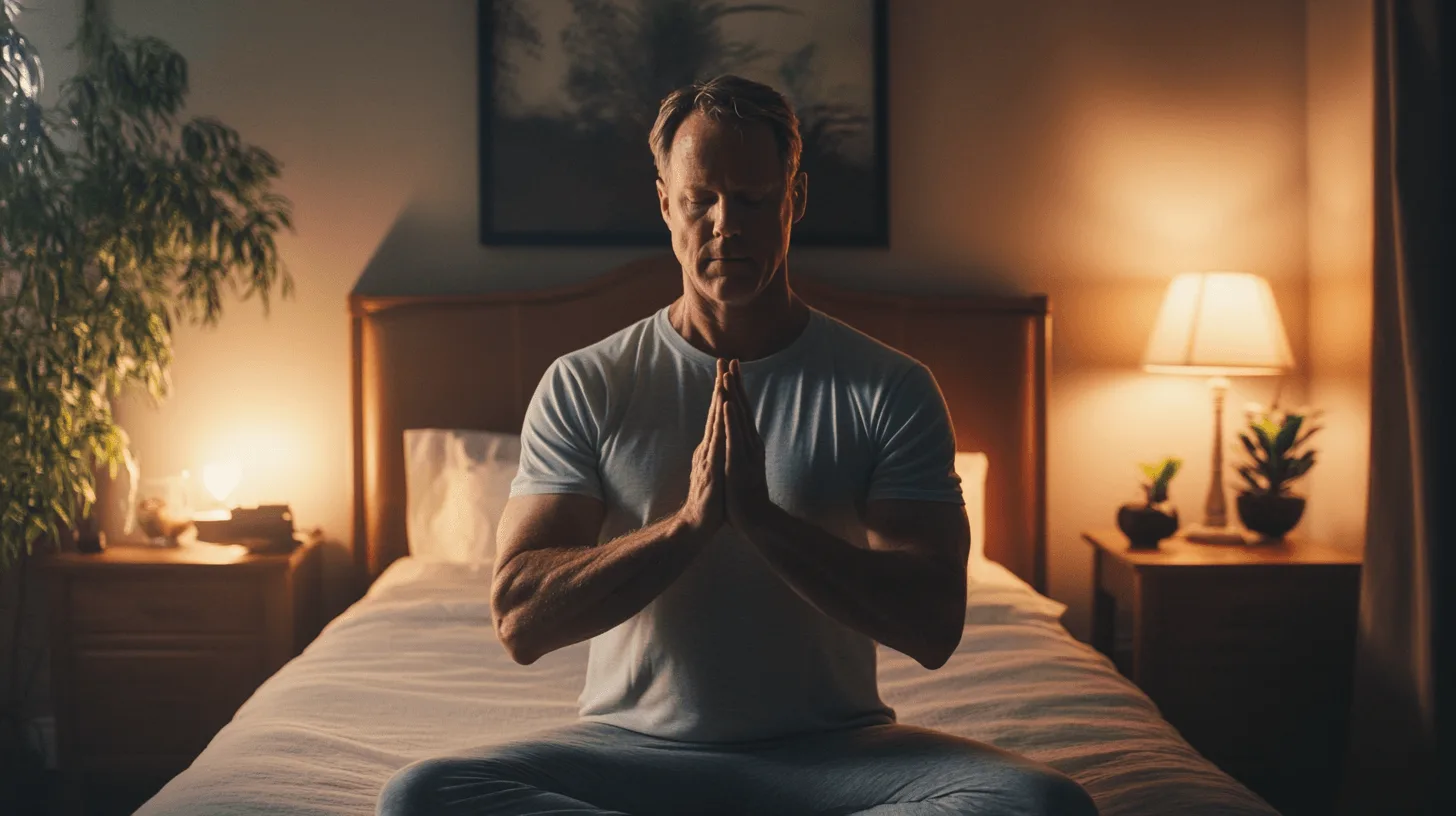
Breathe more slowly. When you’re stressed, your breathing tends to go quick and shallow, which keeps telling your brain something’s wrong. Slow, deep breaths from the belly send the opposite message. It feels faintly ridiculous for the first week. Do it anyway.
Try progressive muscle relaxation, where you tense and release each muscle group in turn from your toes upwards. Some people find it particularly helpful at bedtime if a busy head keeps them awake.
Audit your coping habits. Be honest about how much you’re drinking and what you eat at 10pm. Swapping one stress habit for a better one, such as a walk instead of the second drink, tackles the very route through which stress does most of its harm to the heart.
Name the actual problem. Vague dread is exhausting. Writing down what is worrying you, and which bits you can actually do something about this week, turns fog into a to-do list.
Talk to someone. A mate, your partner, a colleague you trust. You don’t need a solution from them. Saying it out loud often shrinks it.
When should you see a GP about stress?
The NHS advice is clear: see your GP if you’re struggling to cope with stress, if the things you’re trying yourself aren’t helping, or if you’d prefer to get a referral. Your GP can talk through options, including talking therapies, and check whether something else, such as depression, anxiety or a physical problem, is behind how you feel.
How you get talking therapy differs around the UK. In England you can refer yourself to NHS Talking Therapies without seeing a GP first. In Scotland, Wales and Northern Ireland, your GP is usually the starting point, and NHS inform, NHS 111 Wales and nidirect list local services.
It’s also worth getting your blood pressure checked. In England, adults aged 40 to 74 without certain existing conditions are invited for a free NHS Health Check every five years, which includes blood pressure and cholesterol. Many pharmacies across the UK will check your blood pressure too.
If you’re worried about your heart, the BHF runs a free Heart Helpline staffed by cardiac nurses on 0808 802 1234, Monday to Friday, 9am to 5pm. For urgent advice, call NHS 111. If you have chest pain or think you may be having a heart attack, call 999. And if you’re feeling overwhelmed or having thoughts of harming yourself, Samaritans are on 116 123, any time of day or night.
In short
Chronic stress often doesn’t feel like stress. It shows up as tension, poor sleep, a short temper, forgetfulness and more drinking or eating. Over time it can push up your blood pressure and heart risk, mostly through the habits it encourages. Daily movement, slower breathing, honest habit checks and talking to someone all help, and if they don’t, your GP is the next step.
Adrian Irving writes about health for men 45 and over who would rather do something than worry. Training, weight loss, sleep, cholesterol and blood tests, heart health, testosterone, the prostate, mental health and your sex life – what the evidence says, what's worth trying, and when it's time to see your GP.
One of Midcent's writers. Spotted something? Write to adrian@midcent.uk.
Stress gets blamed for high blood pressure, but its real effect works through your coping habits. Here is what the evidence says and how to check your numbers.
Depression in men often looks more like anger, long hours or a bottle of wine a night than sadness. Here’s how to spot it in yourself or a mate, and where to get help.
Low vitamin D is common in UK winters and is often blamed for tiredness in midlife. Here’s what the NHS recommends, what the evidence says and when to see your GP.
Short nights, loud snoring and 3am wake-ups can all push your blood pressure up. Here is what the evidence says, which signs matter and what to do about them.