Every December a sizeable chunk of Britain decides Christmas would be better spent on a sunlounger in Phuket. Hoteliers there know this, and they price accordingly. Add a flight that usually means a change somewhere in the Gulf or Asia and a seven-hour time difference, and you can spend the first few days of your break recovering from getting there.
There are better ways to spend that money. Three places give you proper heat in late December without Phuket’s festive mark-up: one is in your own time zone, one is a single direct flight away, and one is barely further than Tenerife. All three are good value. None of them is a carbon copy of Thailand, and that’s rather the point.

Where is hot in December but closer than Thailand?
Start with The Gambia, mainland Africa’s smallest country, which has a quiet case for being the most sensible winter-sun trip a Briton can take. The flight from London is around six hours. In winter the country runs on GMT, the same as the UK, so there’s no jet lag and no 4am breakfast. December falls in the dry season, with daytime temperatures typically around 30C and little chance of rain.
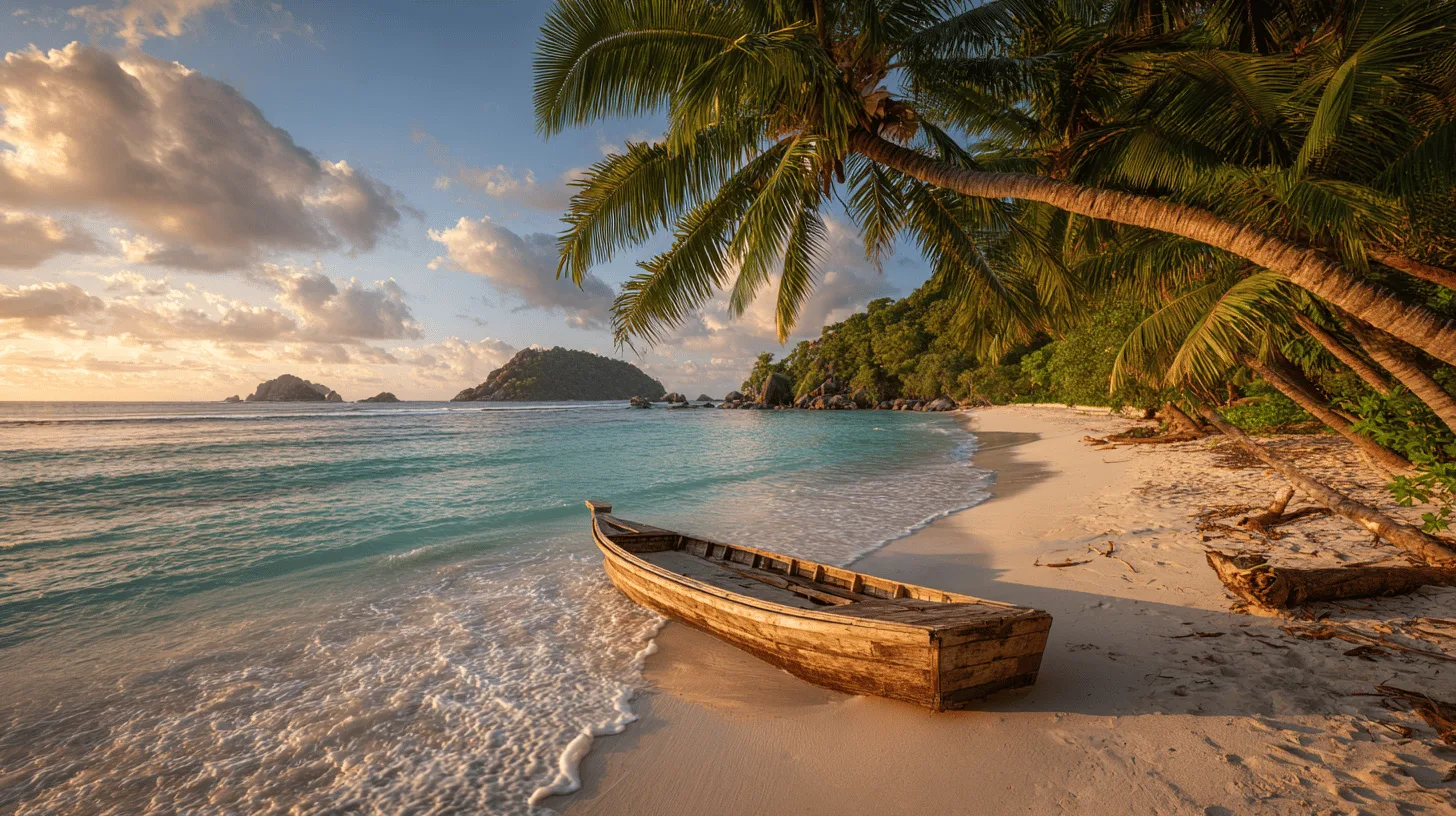
The beaches along the Atlantic coast, from Kololi and Kotu down to the quieter stretches near Sanyang, are long, broad and gloriously unfussy. The real reason to go, though, is what lies behind them. The Gambia is one of the best birdwatching destinations in Africa, with more than 500 species recorded in a country you can cross in an afternoon. Even if you can’t tell a kingfisher from a kestrel, a morning with a local guide at Abuko Nature Reserve or among the mangroves of Makasutu might change that. Upriver, Kunta Kinteh Island, a UNESCO World Heritage Site, tells the grim story of the Atlantic slave trade with a weight no beach resort can match.
Be honest with yourself about what you’re getting. This is not a polished resort destination. Roads are patchy, some hotels have seen better decades, and on the beach you’ll meet persistent ‘bumsters’ offering friendship, tours and everything in between. A polite but firm no works. In return you get warm people, cheap living and a country where tourism genuinely matters to local livelihoods.
The costs: a local JulBrew beer in a bar is usually around D100 (about £1.10). A two-course dinner in a decent tourist-area restaurant runs to roughly D800–1,500 (£9–17) a head. A short taxi ride of about 5km costs around D300–500 (£3.50–5.50). The green tourist taxis charge more than the yellow ones, so agree the fare before you get in.
Is Sri Lanka good for winter sun at Christmas?
Yes, as long as you pick the right coast. Sri Lanka has two monsoons, and in December the south and west coasts are moving into their dry season while the east coast is still wet. Head south from Colombo and you reach a string of beaches that, in places, look like Thailand did before everyone discovered it.
The big practical advantage is the direct flight. SriLankan Airlines flies non-stop from Heathrow to Colombo in around 11 hours. That’s still long-haul, but it beats changing planes in Doha with a tired temper and a duty-free bag. Once you’re there, the money goes a long way.
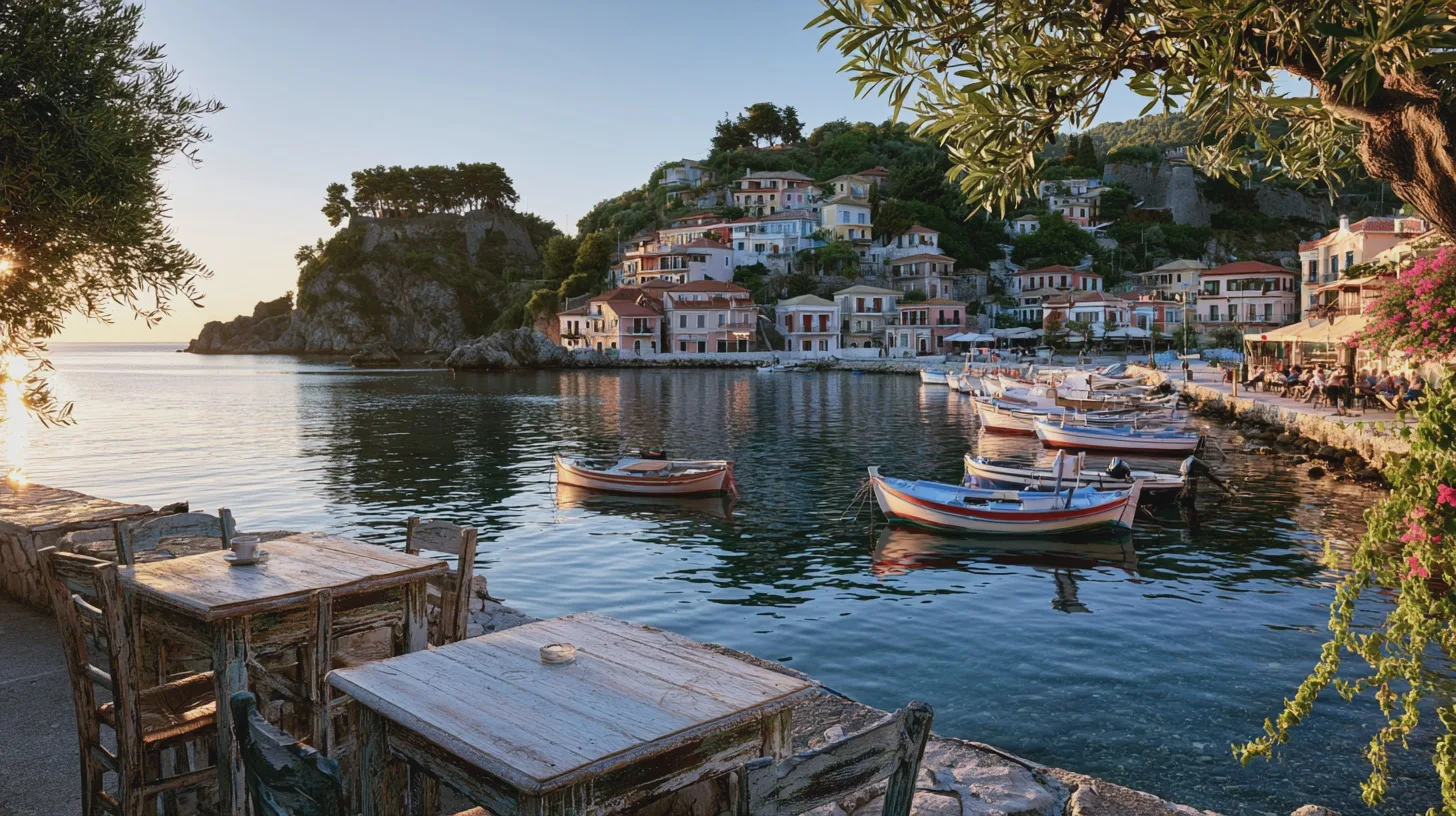
Base yourself near Galle and the Dutch-built fort, a UNESCO World Heritage Site, gives you ramparts to walk at sunset, colonial churches and a good line in boutique cafés. Further east, Mirissa is the place for whale watching. Blue whales pass close to the coast from roughly December to April, though boat trips vary hugely in quality and in how much they respect the animals, so choose your operator with care. If you’d rather have a quiet beach and a hammock, Tangalle is more spread out and calmer.
The food is a big part of the appeal. A proper rice and curry, with half a dozen small dishes of dhal, sambols and vegetable curries, is one of the great cheap lunches of the world. Christmas and New Year are still peak season, so book rooms early, but you’ll generally get more for your money than in Phuket.
The costs: a large bottle of Lion lager in a bar or beach restaurant is around LKR 800–1,200 (£2–3). Dinner in a mid-range restaurant is roughly LKR 3,000–6,000 (£6–12) per person. A tuk-tuk ride of about 5km costs around LKR 600–1,000 (£1.50–2.50). Ride-hailing apps such as PickMe help you avoid haggling.
The best winter sun isn’t the furthest away. It’s wherever you’re out of the airport, unpacked and holding a cold beer while the people heading for Phuket are still somewhere over Iran.
What about Cape Verde for a short-haul Christmas?
If 11 hours sounds like a lot and the Canaries sound too cool (December highs there are more cardigan than Caribbean), Cape Verde fills the gap. This Atlantic archipelago off the coast of Senegal is around six hours from the UK, one hour behind GMT, and in December temperatures usually sit in the mid-20s, with sunshine and very little rain.
Most British visitors land on Sal or Boa Vista, and both are flat, sandy and dominated by large all-inclusive resorts. That suits some people perfectly. Others should know that the trade winds blow steadily in winter. This is great news if you kitesurf, as Sal is one of the sport’s big destinations, but less so if your idea of heaven is a still, glassy sea. Santa Maria on Sal has the liveliest town, with a pier where fishermen land tuna in the morning and bars that get busy by evening.
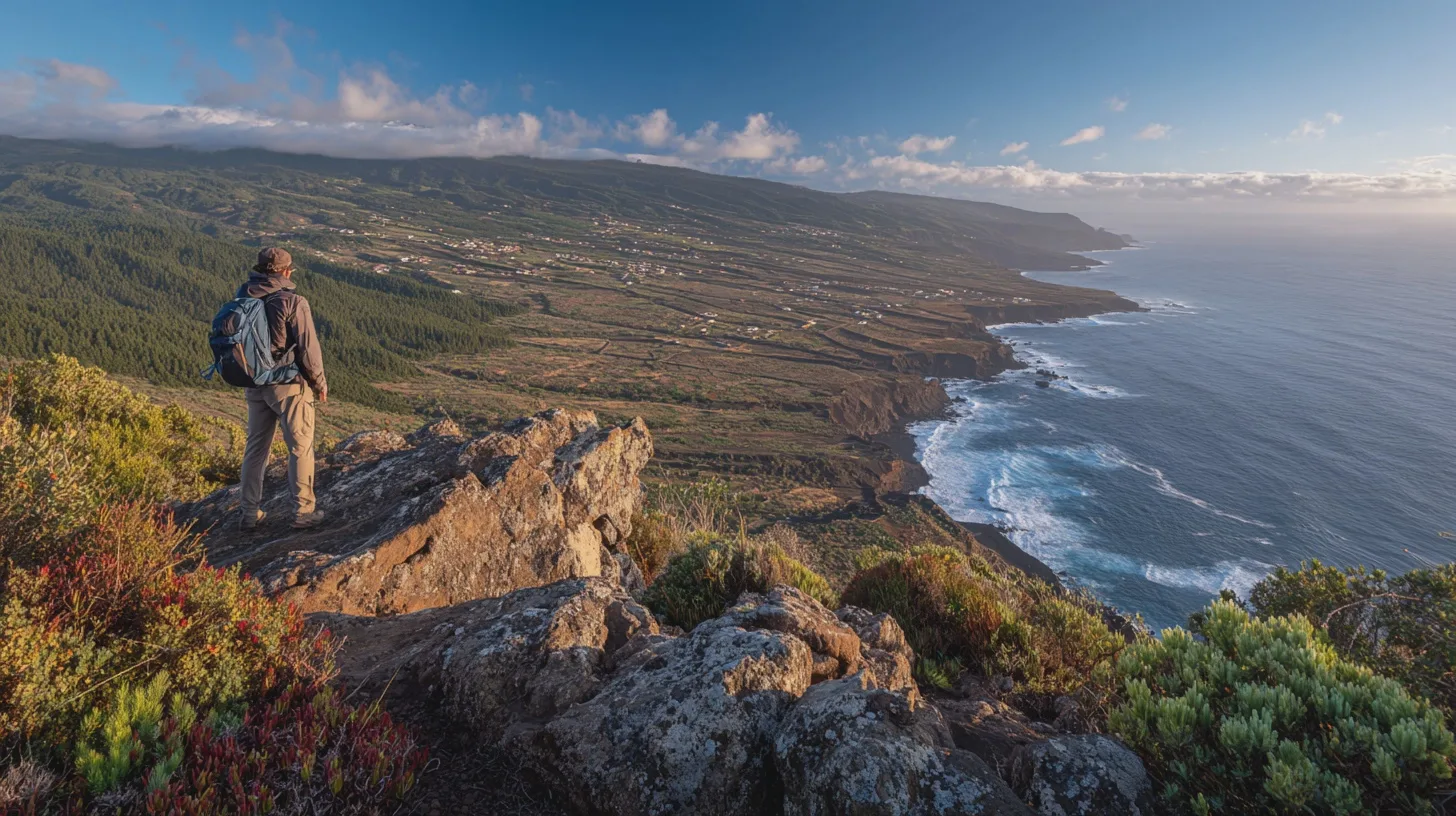
The more rewarding Cape Verde is on the other islands. Santo Antão has dramatic volcanic hiking. São Vicente, home to the port of Mindelo, is the country’s musical and cultural heart. You can reach them by inter-island flights and ferries, but timetables need patience. Think of a resort week on Sal with a few days island-hopping tacked on.
The costs: the Cape Verdean escudo is pegged to the euro. A local Strela beer in a bar is around CVE 200–300 (£1.60–2.40). Dinner in a mid-range restaurant comes to about CVE 1,500–2,500 (£12–20) a head. A short taxi ride of about 5km costs roughly CVE 500–800 (£4–6.50). Prices inside the resorts are noticeably higher.
Before you book: the boring bits that matter
Entry rules for all three countries have changed in recent years, and none of them is in the EU, so your GHIC won’t help with medical costs. Check the FCDO travel advice on GOV.UK for each country well before you go: it covers visas, pre-arrival registration or fees, and how long your passport needs to be valid. Buy travel insurance with proper medical cover as soon as you book, not the week before.
Health deserves a few minutes too. The Gambia has a malaria risk, and depending on your route you may need a yellow fever certificate. Sri Lanka has dengue fever. Check the country pages on TravelHealthPro and see your GP or a travel clinic six to eight weeks before you leave. For Christmas dates, book flights early. All three destinations have limited seat capacity from the UK, and the cheap seats go first.
In short
If Phuket’s Christmas prices make you wince, The Gambia gives you 30C heat, no jet lag and very cheap living, about six hours from the UK. Sri Lanka’s south coast has the most Thailand-like experience, with beaches, whales and superb food, and a direct flight from Heathrow. Cape Verde is the short-haul option, warmer than the Canaries and best if you don’t mind a breeze.
Sources

Midcent Travel
Archie Inglis writes about travel for men 45 and over: city breaks, winter sun, road trips, rail journeys, walking holidays and the longer trips you've been putting off. Where's worth going, how to get there without the hassle, and how to make the money go further.
One of Midcent's writers. Spotted something? Write to archie@midcent.uk.