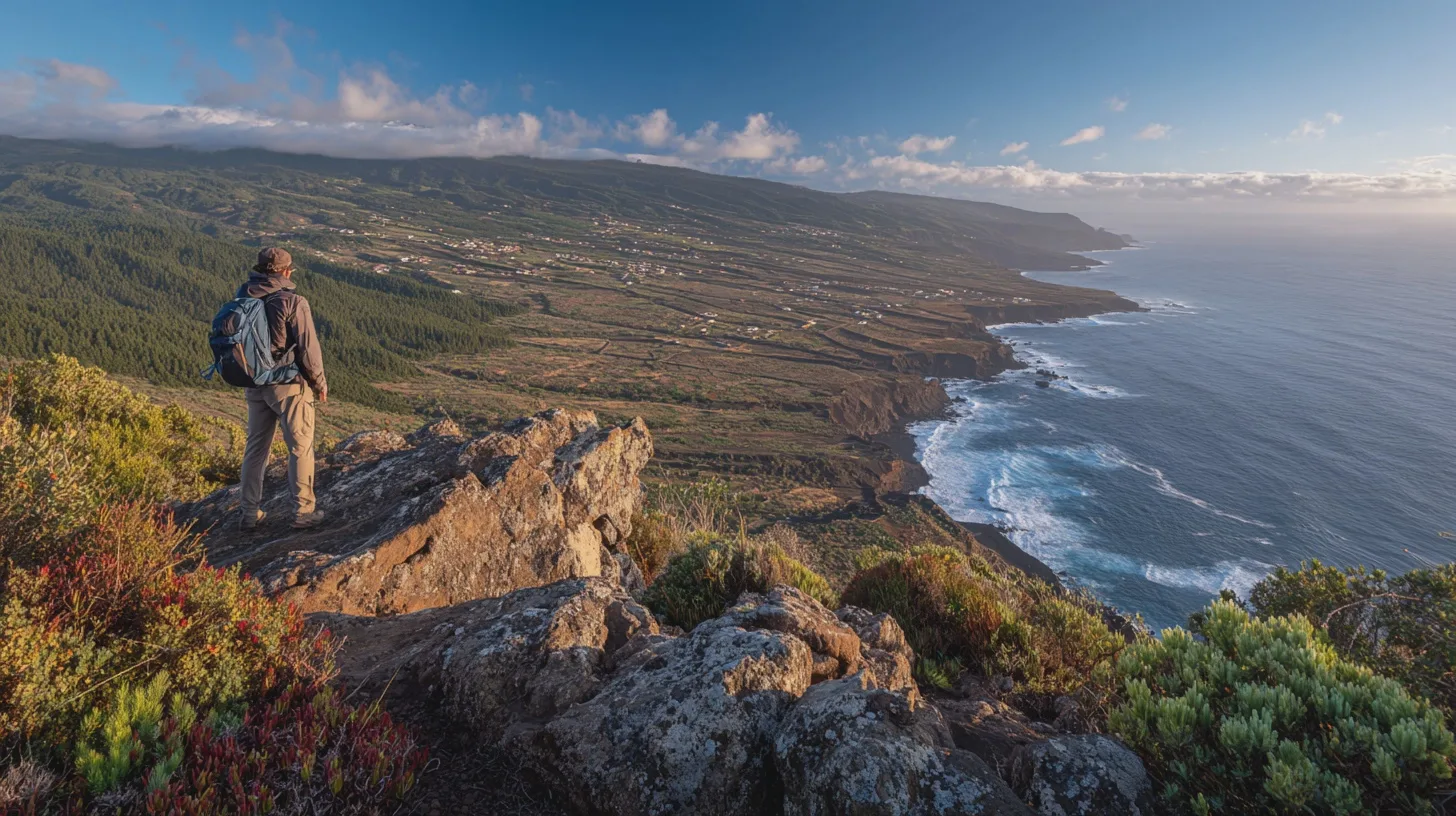
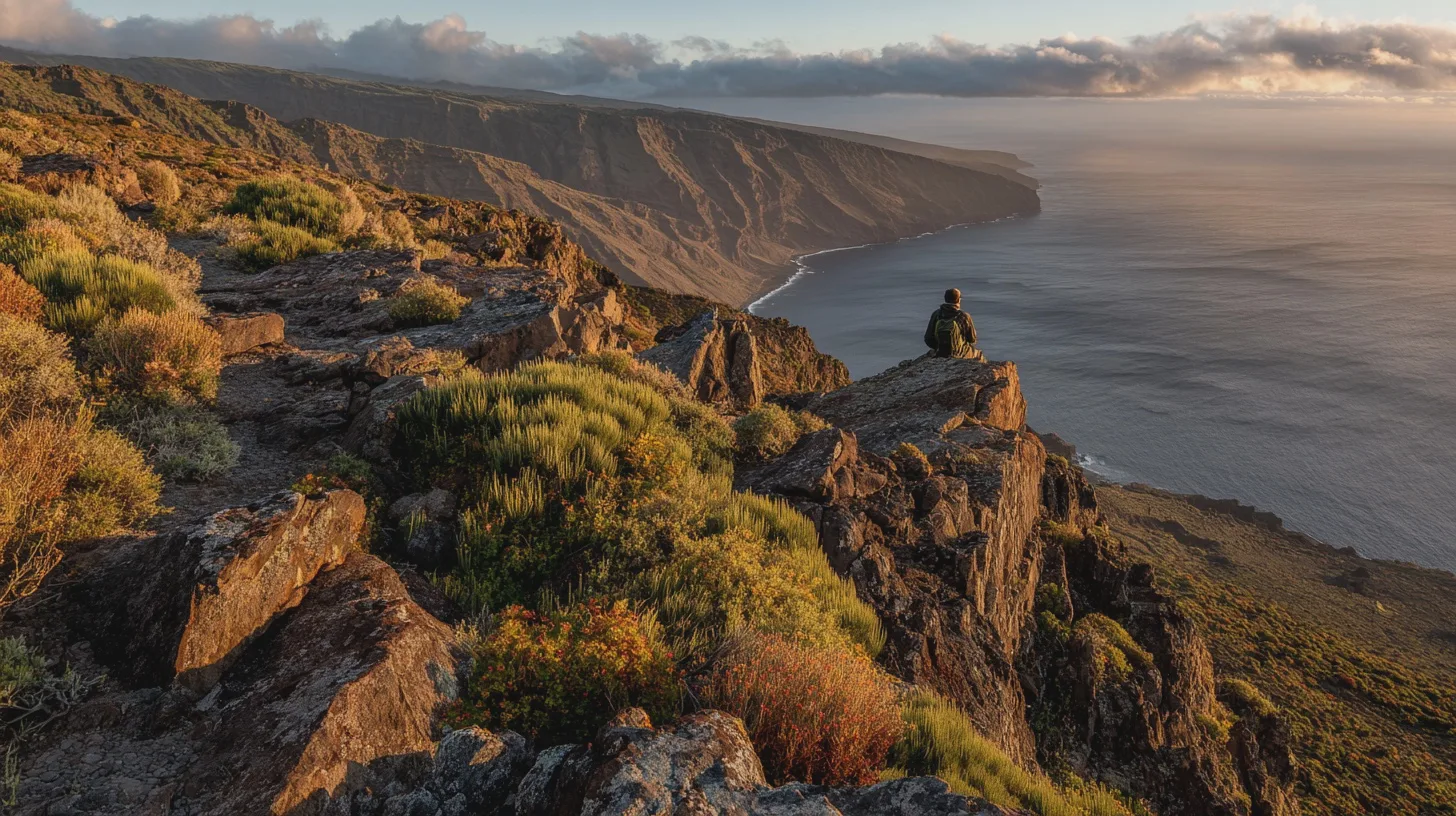
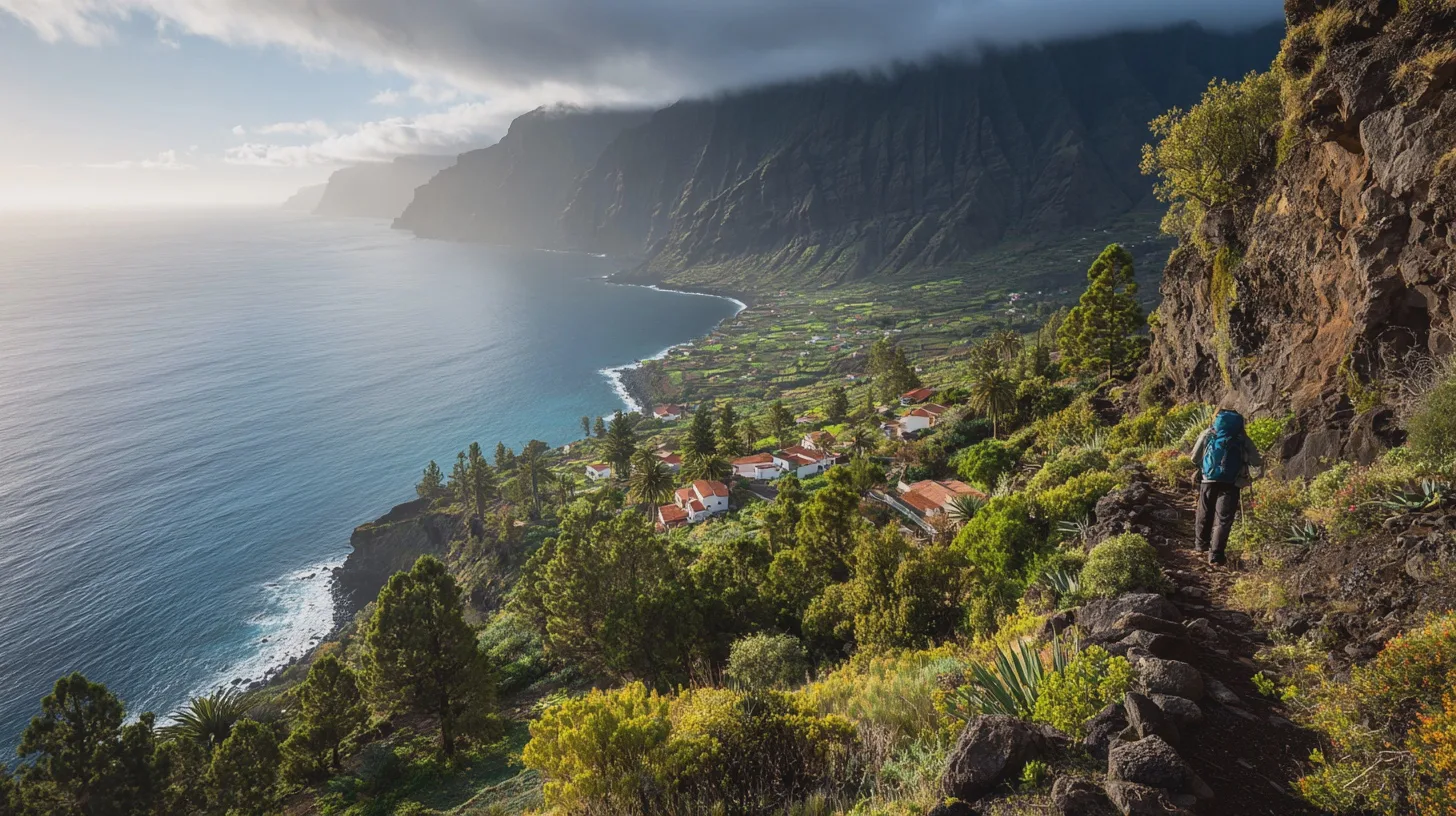
El Hierro is the smallest, most westerly Canary Island. It has no big resorts and no direct UK flights, and that is exactly why it’s worth the extra effort.
Reviewed, edited and approved by Editor-in-chief Daniel Sköld · Updated 24 October 2026
Contents
For about 1,500 years, El Hierro marked the edge of the known world. Ptolemy ran his prime meridian through it, and as late as the 17th century French mapmakers were still measuring longitude from its western tip. Then Greenwich took over, and the island slipped quietly off the map. Some would say it has stayed off it ever since.
That is the appeal. The Canaries have kept Britain in winter sun for half a century, but the smallest and most westerly of them never got the high-rise treatment. Nobody built a resort strip here, there is no golf course and there is no Irish bar with the football on. What you get instead is an island of around 11,000 people and more than 800 volcanoes, which turns out to be a very good trade.
AD
Why did mass tourism never reach El Hierro?
The short answer is that it’s awkward to get to. The longer answer is that the island seems to have decided it didn’t want the alternative. You can’t fly to El Hierro from the UK. You fly to Tenerife or Gran Canaria and then either catch a small Binter plane (around 40 minutes from Tenerife North) or the ferry from Los Cristianos in the south of Tenerife to the little port of La Estaca, which takes a few hours depending on the boat and the Atlantic’s mood. That extra leg has done more to protect the place than any planning law.
The planning laws have helped too. UNESCO made the whole island a Biosphere Reserve in 2000 and a Global Geopark in 2014, and the islanders have taken both titles seriously. Since 2014 the Gorona del Viento plant has paired a wind farm with a hydro reservoir in an old volcanic crater, and for long stretches it has run the island entirely on renewable power. It’s a place that likes doing things its own way, and you notice that within an hour of arriving.
The capital, Valverde, is the only Canary capital that isn’t on the coast. It sits up in the hills, partly to keep out of reach of the pirates who used to raid the island. It’s small, whitewashed and pleasantly sleepy, more market town than capital city.
On most islands you have to go looking for the quiet bits. On El Hierro the noisiest thing you’ll hear all day is the wind in the pines.
What is there to do on El Hierro?
The island is less than 50 km from end to end, but the landscape changes every few miles and the hairpins make the drives feel longer than they are. Hire a car. The buses exist, but they won’t get you to the good stuff.
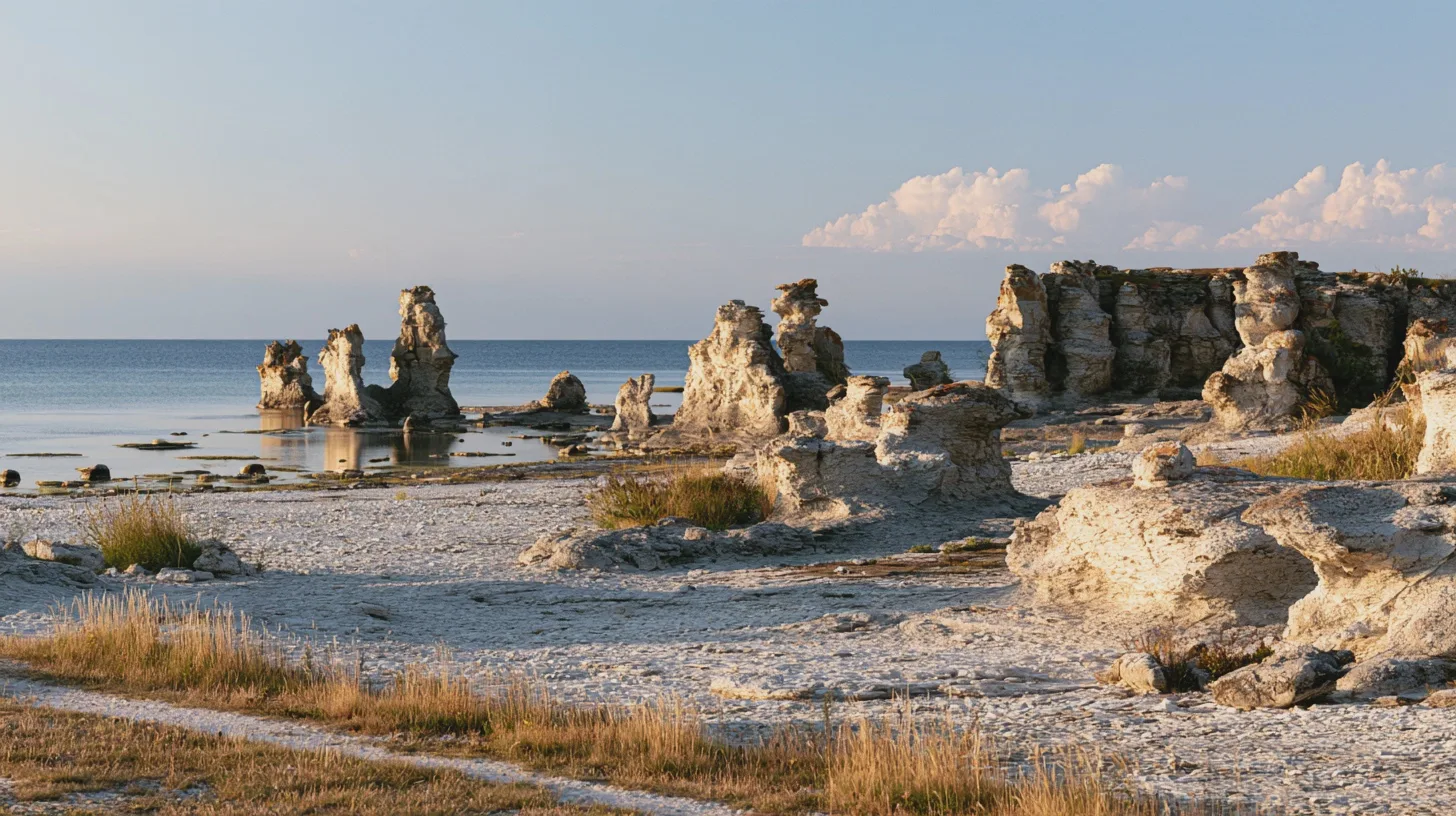
Start with the views. The Mirador de la Peña, designed by the Lanzarote artist César Manrique, sits on the edge of the cliffs above El Golfo, the huge crescent-shaped valley on the north coast. It’s a restaurant with probably the best lunchtime view in the archipelago. The sunsets are good too. Then head west to El Sabinar, where the juniper trees have been bent almost horizontal by the trade winds, like a row of old men leaning into a gale. A little further on, the Faro de Orchilla lighthouse stands near the spot that was once longitude zero. It’s a properly end-of-the-world place, all black lava and empty ocean.
Inland, look for the Árbol Garoé. The original was a sacred tree for the island’s pre-Hispanic people, the Bimbaches, and it collected water from the passing fog. In an island with no rivers, that was the difference between living and not. A replacement grows on the same spot today, and the story is worth the short walk.
Walkers are well catered for, with laurel forest, pine woods and old paths between the villages. The best known is the Camino de la Virgen, which crosses the island from the Ermita de los Reyes in the far west to Valverde. Every four years in July, thousands of islanders carry the statue of the island’s patron saint along it in the Bajada de la Virgen de los Reyes. It’s dancing, drumming and devotion over a very long day, and it’s El Hierro’s biggest celebration. The most recent one was in 2025, so the next is due in 2029. Book well ahead if you plan to go, because the island’s few beds go fast.
AD
Swimming in lava and diving in the calm
You won’t find much in the way of sandy beaches. Rather than build fake ones, El Hierro has made the most of the rocks. The natural pools are the island’s real lido culture. Charco Azul has a natural lava arch over turquoise water, La Maceta has a set of pools with a picnic area in El Golfo, and Charco Manso in the north is wilder and best on a calm day. Check the sea conditions before you go in, because the Atlantic here is not a holiday-park pool.
Down in the south, the fishing village of La Restinga is the base for diving in the Mar de las Calmas marine reserve. This sheltered stretch of coast is known among divers for its clear water, groupers, rays and dramatic volcanic drop-offs. It’s also a reminder that the island is still being built: in 2011 an underwater eruption just offshore turned the sea a sulphurous green and kept the village on edge for months. You don’t need to dive to enjoy it, though. A plate of fresh fish on the harbour front is the less strenuous option.
Where to eat and what it costs
Food is simple, local and good value. Order whatever fish came in that morning with papas arrugadas (wrinkled potatoes) and mojo sauce. Try the smoked queso herreño, and don’t leave without a quesadilla herreña, a sweet cheese pastry flavoured with aniseed that the island has been baking for generations. Wines from the slopes around El Golfo are worth asking for, especially the whites.
Rough prices to expect:
A small beer (caña): about €2–3 (£1.70–£2.60). Dinner per person with wine at a mid-range restaurant: about €25–35 (£21–£30). Taxi ride of about 5 km: about €8–12 (£7–£10).
For somewhere to stay, think rural cottages, small family hotels and the Parador on the east coast rather than all-inclusive resorts. There are few beds in total, so book ahead in winter and around festivals.
When is the best time to visit El Hierro?
El Hierro is pleasant year round, and winter days are usually comfortably warm without the scorching heat of mainland Spain. Spring and autumn are particularly good for walking. The north is greener and cloudier and the south is sunnier and drier, so if it’s grey in El Golfo, drive half an hour and it often clears up. A big bonus for anyone sick of jet lag: the Canaries are on the same time as the UK.
The Canaries are part of Spain, so before you go check the latest FCDO travel advice and entry requirements on GOV.UK, including the passport validity rules. Bring your GHIC for state healthcare, and take out proper travel insurance, because the GHIC doesn’t cover everything, such as getting you home.
In short
El Hierro is the Canary Island for people who have already done the Canaries: volcanic, green, quiet and without the big resorts. Getting there takes a connecting flight or ferry from Tenerife, and that hassle is exactly what has kept it unspoilt. Go for the cliff-top views, the natural lava pools, the walking and the diving at La Restinga, and you’ll come home having seen a side of the Canaries most British holidaymakers never find.
Archie Inglis writes about travel for men 45 and over: city breaks, winter sun, road trips, rail journeys, walking holidays and the longer trips you've been putting off. Where's worth going, how to get there without the hassle, and how to make the money go further.
One of Midcent's writers. Spotted something? Write to archie@midcent.uk.
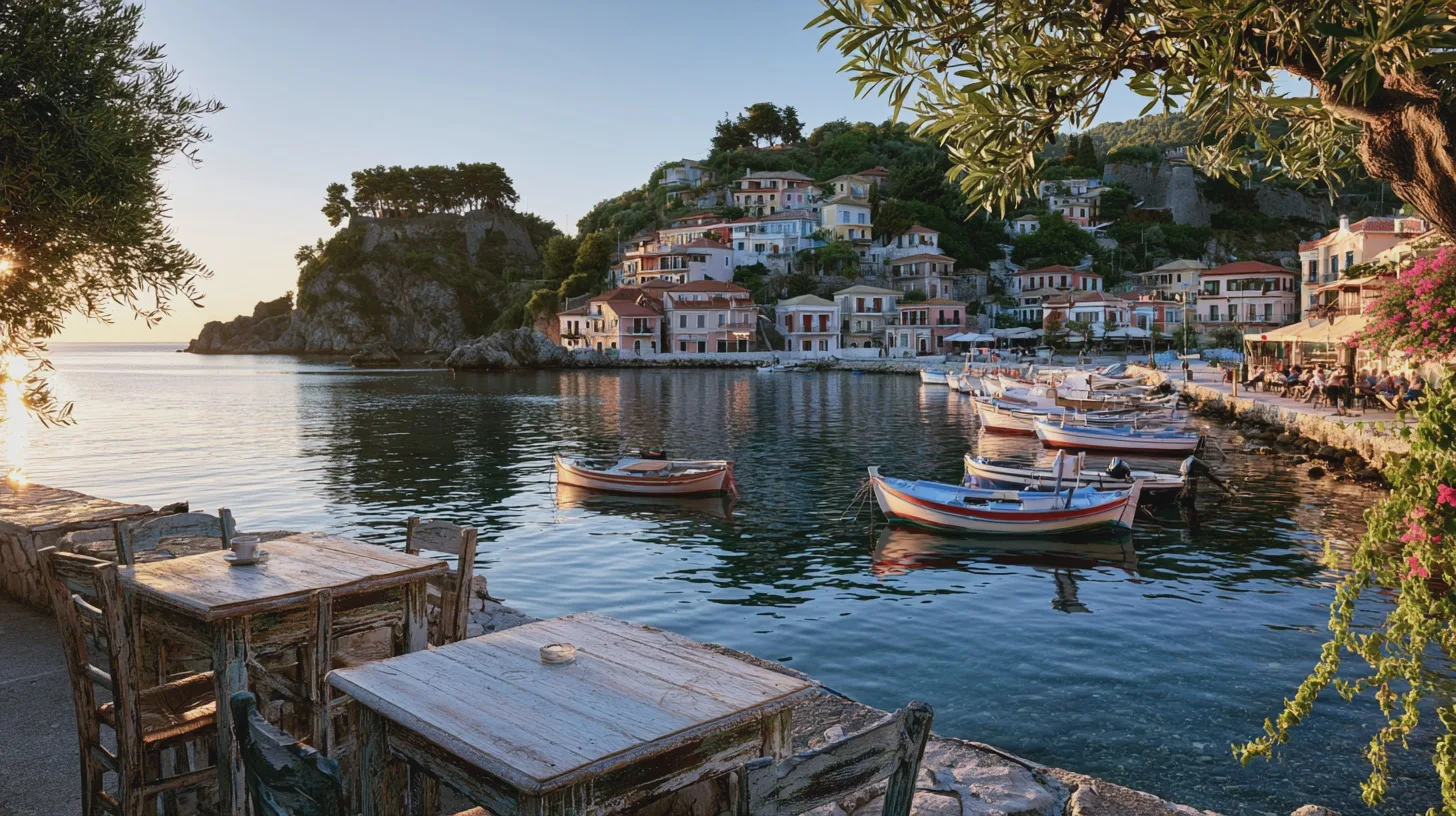
Parga has the pastel houses, Venetian castle and Ionian water of a Greek island, but it’s on the mainland, so it’s cheaper and easy to reach from Preveza.
Scilly, Lundy, Arran, Orkney, Anglesey and the Isle of Wight, plus a few European rivals: the islands where the landscape, history and pubs beat lying on a towel.
Letting your home while you spend winter in Spain or Portugal can cover much of the cost. First check HMRC rules, your lease, your insurance and the small print.