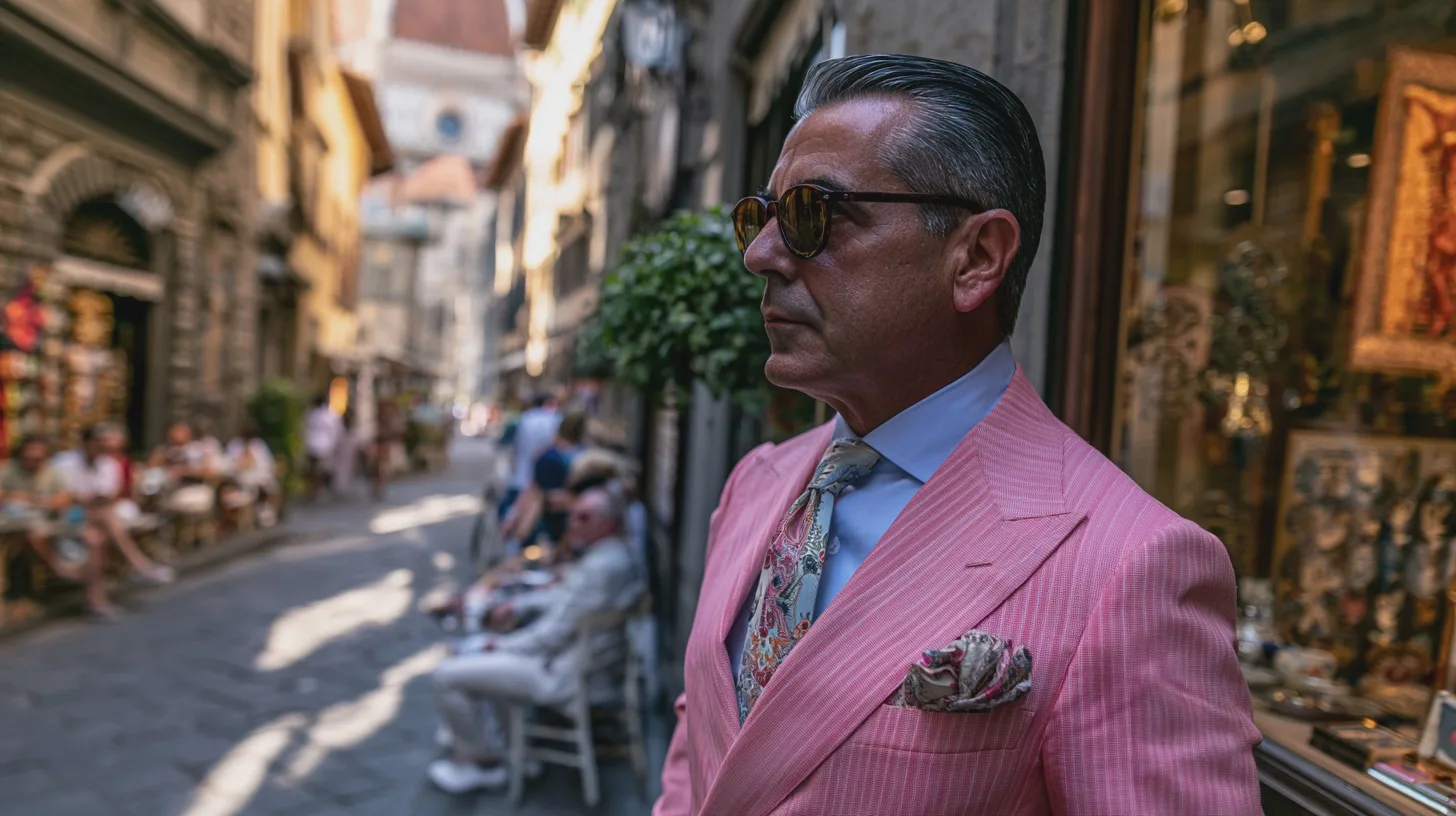
Florence has one big problem, and that problem is Florence. A city of under 400,000 people holds a frankly unreasonable share of the world’s great Renaissance art, and every year millions of visitors turn up to look at it, mostly in the same half-mile, at the same time and for the same photograph of the same marble backside.
The good news is that the crowds are predictable, which means you can avoid them. Book the big hitters, get up early, cross the river and eat where the bus drivers eat, and Florence becomes what it was always meant to be: a compact, walkable city where a stroll to lunch takes you past three masterpieces.
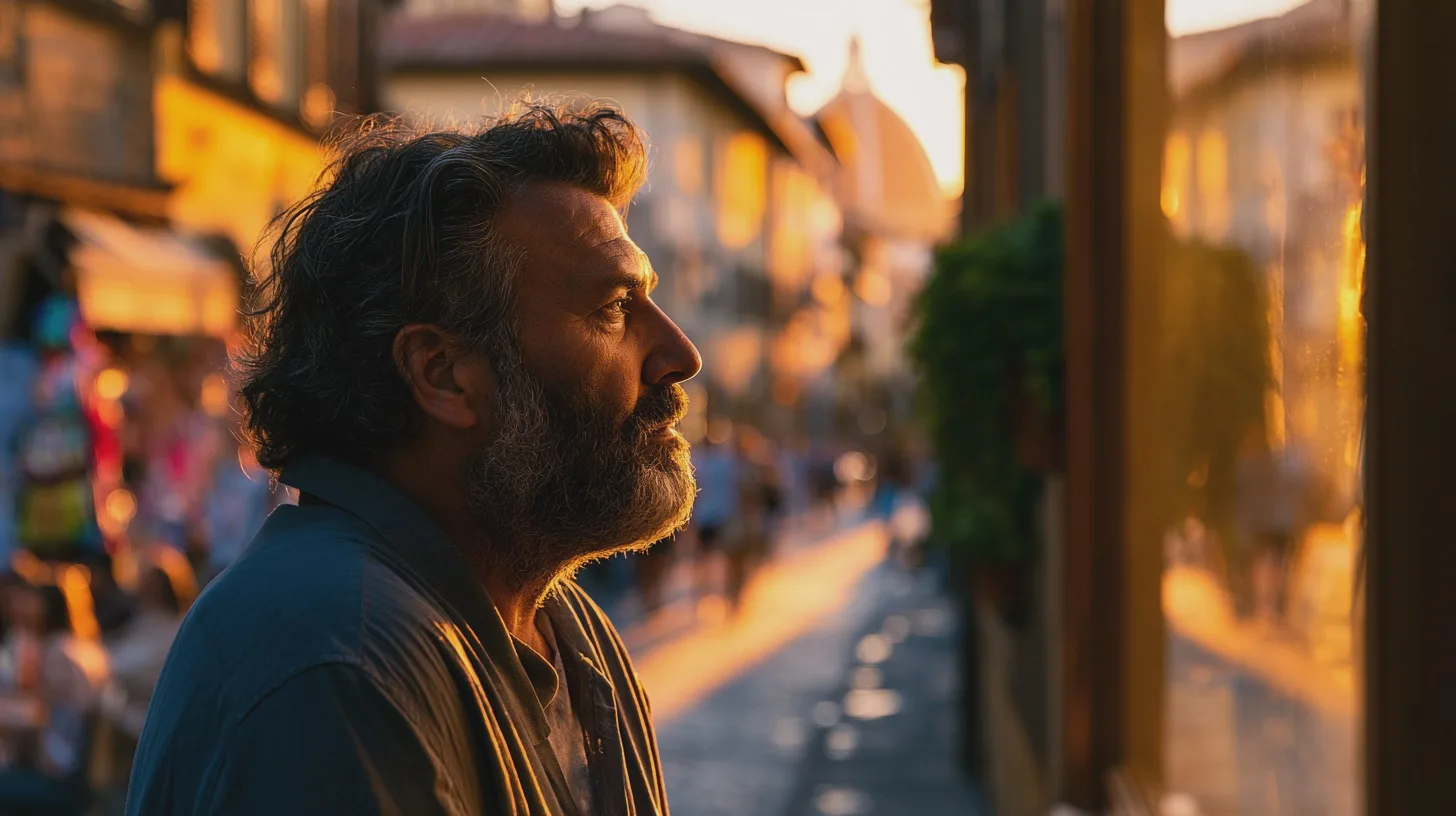
Is the Uffizi worth it, or is it just a queue with paintings?
It is worth it, but only on your terms. The Uffizi holds Botticelli’s Birth of Venus and Primavera, Leonardo’s Annunciation and Caravaggio’s Medusa, plus a long corridor of Medici marbles with a view of the Arno that is half the point. A standard ticket currently costs around €25 on the day or €29 booked in advance (roughly £21–25). The extra few euros are the cheapest insurance in Italy, since they buy you a timed slot instead of an hour on the pavement. There is also a cheaper late-afternoon ticket, and the galleries do thin out towards closing.
The Vasari Corridor, the Medici family’s private elevated walkway over the Ponte Vecchio to the Pitti Palace, reopened at the end of 2024 after years of restoration. It can only be visited on a separate, limited ticket, so check availability on the Uffizi’s own website well before you travel.
Michelangelo’s David at the Accademia gets the same rule: book a slot. He is magnificent, bigger than you expect, and surrounded by people filming him on phones. Give him twenty minutes, then look at the unfinished Prisoners lining the hall. Those figures, still half-stuck in the marble, say more about how Michelangelo actually worked than the finished star does.
The Florence the coach parties miss
The best antidote to the Uffizi is the Museum of San Marco, a former Dominican convent where Fra Angelico painted a fresco in each friar’s cell. You wander a quiet upstairs corridor and look into one small room after another, each with its own luminous scene. It is calm, odd and moving, and rarely crowded.
Across the river in the Oltrarno, the Brancacci Chapel holds Masaccio’s frescoes, the paintings that taught the Renaissance about weight, shadow and human misery. Nearby, Santo Spirito is Brunelleschi’s most elegant church, and the piazza outside is where locals drink an evening spritz on the steps. The Oltrarno is still where artisans work: bookbinders, goldsmiths and frame-makers in small workshops on side streets.
Keep an eye out for the buchette del vino as you walk. These are little arched wine windows set into palazzo walls, through which noble families once sold wine straight to the street. A few have been brought back into use, and buying a glass through a hole in a 16th-century wall is one of those small pleasures that costs very little.
Florence rewards the visitor who climbs, crosses the river and turns left when everyone else turns right.
Should you climb the Duomo dome?
Yes, if your knees are willing and you are fine in tight spaces. The climb up Brunelleschi’s dome is 463 steps, some of them in narrow passages between the inner and outer shells. On the way you pass close under Vasari’s Last Judgement frescoes, and the reward at the top is the whole terracotta city at your feet. Climbs have to be booked as part of a combined cathedral pass. If the dome slots are gone, Giotto’s bell tower next door is a slightly shorter climb and has the advantage of a view that includes the dome itself.
For a free alternative, walk up to Piazzale Michelangelo at dusk. Then keep going uphill to San Miniato al Monte, a Romanesque church with green and white marble and one of the finest views in Tuscany. It has a fraction of the crowd, and the monks there are known for sung evening prayers. Boboli and the smaller, prettier Bardini Garden are the other places to escape the streets, and the wisteria at Bardini in spring is worth timing a trip around.
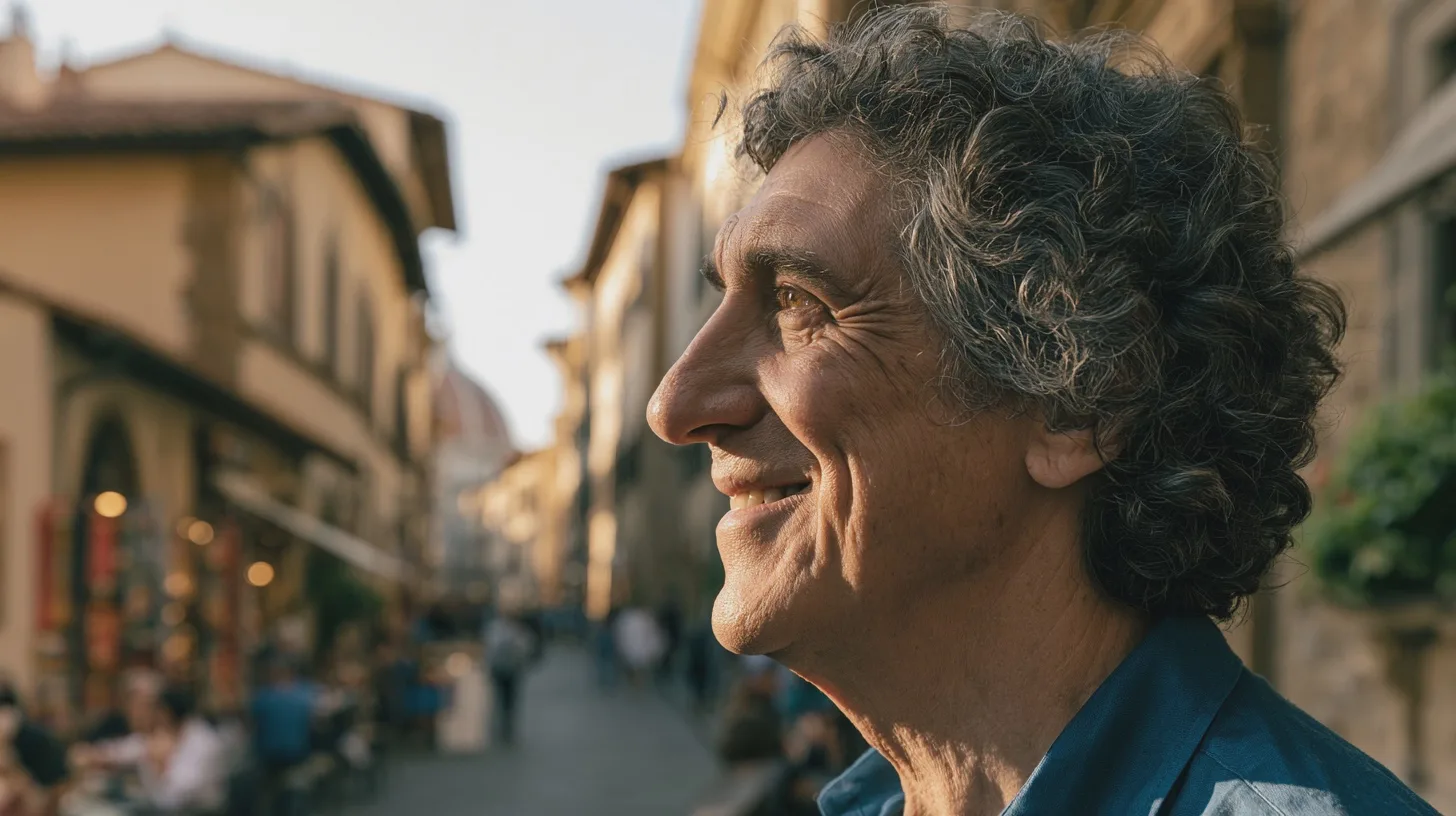
Where to eat in Florence without falling into a tourist trap
Florentine food is hearty peasant cooking made with outstanding ingredients. Ribollita is a bread-thickened bean and vegetable soup. Pappa al pomodoro is tomato and bread. Bistecca alla fiorentina is a vast T-bone priced by the kilo and served rare, with no negotiation. Check the weight and price before you order, because a 1.2kg steak is a bigger bill than it sounds.
The braver dish is lampredotto, the fourth stomach of the cow, simmered and stuffed into a bread roll with green sauce. You buy it from the trippai, the tripe carts dotted around the centre. It is cheap, filling and much nicer than it sounds. The upstairs food hall at the Mercato Centrale is handy for a quick lunch, but for a more local feel head to the Sant’Ambrogio market. The famous schiacciata sandwich shops near the Uffizi make perfectly good sandwiches, but the queue is mostly there because it is on social media. Any decent bakery will sell you schiacciata without the wait.
As a rule, avoid restaurants with picture menus and touts on the main piazzas. Expect a coperto (cover charge) on the bill. Tipping is not expected beyond rounding up.
When to go and how to get there
April to early June and October to November are the sweet spots. August is hot, crowded and partly shut as locals leave town. Winter is quieter and cheaper, with short days and some cold, clear mornings that suit museums perfectly.
A handful of direct flights from the UK land at Florence’s small airport, which is linked to the city centre by the T2 tram. Many more fly into Pisa, from where the PisaMover shuttle and a regional train get you to Florence Santa Maria Novella in roughly an hour and a half. Going overland by Eurostar to Paris and onward via Milan is perfectly possible for those who like the journey as much as the destination. Florence is also easy to combine by train with Bologna, Siena (by bus) or Lucca.
Hotels add a nightly city tax, payable locally. Before you go, check the latest FCDO travel advice and entry requirements for Italy, make sure your passport meets the validity rules, take your GHIC for state healthcare and buy proper travel insurance.
What it costs
Prices are approximate. A medium beer in a bar costs about €5–7 (£4.50–6). Dinner at a decent trattoria with a glass or two of house wine is around €35–50 per person (£30–43). A short taxi ride of about 5km costs roughly €15–20 (£13–17). Taxis do not cruise for fares, so pick one up at a rank or call one.
In short
Florence is still worth it, provided you book the Uffizi, Accademia and dome climb in advance and treat the famous sights as a starting point rather than the whole trip. Go in spring or autumn and spend time in the Oltrarno, San Marco and San Miniato. Eat lampredotto from a cart and bistecca with the price checked. The art is world class, and the city is at its best in the quieter corners the crowds walk straight past.
Sources

Midcent Travel
Archie Inglis writes about travel for men 45 and over: city breaks, winter sun, road trips, rail journeys, walking holidays and the longer trips you've been putting off. Where's worth going, how to get there without the hassle, and how to make the money go further.
One of Midcent's writers. Spotted something? Write to archie@midcent.uk.