Most British people know Crete as a place they see from a sunlounger. The island turns up at the cheap end of the package brochures, its north coast lined with all-inclusives, and its best-known town, Malia, is famous mostly for what happens there after midnight. It’s easy to decide the place isn’t for you.
That would be a mistake. Crete is roughly 260 kilometres long and has its own dialect, its own spirit, its own cooking and a stubborn sense of being a small country that happens to belong to Greece. The resort strip covers a small part of it. The rest has gorges, Venetian harbours, a Bronze Age civilisation and mountain villages where the raki comes free after dinner, whether you asked for it or not.
Is Crete just a package holiday island?
Partly, and it would be daft to pretend otherwise. The stretch of north coast east of Heraklion, from Hersonissos to Malia, was built for volume. Expect English breakfasts, sports bars and a party crowd who won’t be visiting any archaeological sites. Malia does have a Minoan palace of its own, but most visitors walk straight past it on their way to the beach.
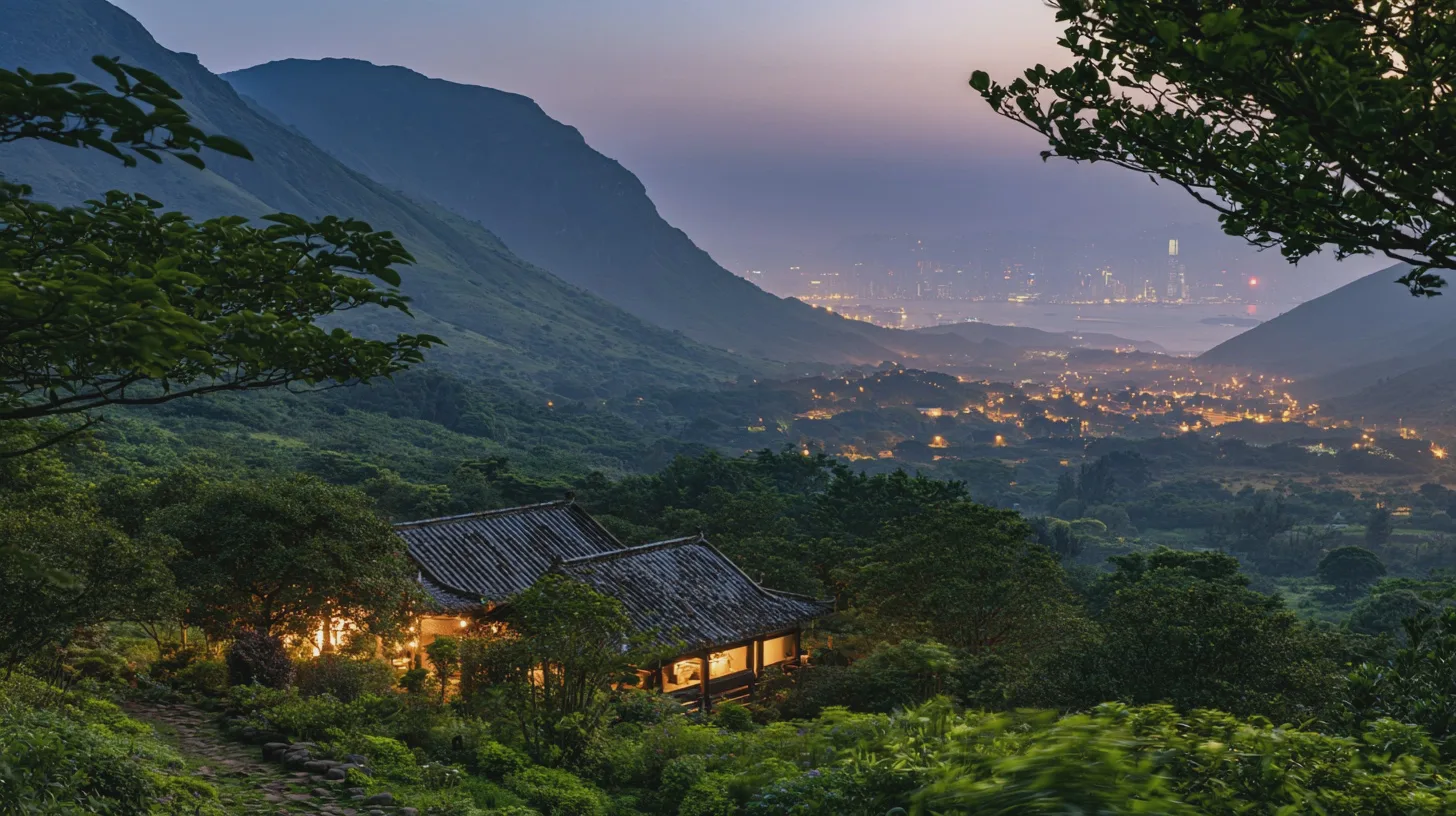
Drive an hour in nearly any direction, though, and it’s a different island. The resort strip sits on the coast and the real Crete sits behind it, up the hairpin bends. Inland you’ll find olive groves, shepherds’ huts and villages where the kafeneio still runs on gossip and Greek coffee. The White Mountains in the west are snow-capped well into spring. The south coast faces Libya, is too steep for big hotels and has stayed largely free of them.
Crete is a serious island with a frivolous strip of coastline, and most people only ever meet the strip.
Where should you stay in Crete for a quieter holiday?
For most people of a certain age the answer is Chania. Its Venetian harbour, with the lighthouse at the end of the breakwater and the domed mosque on the waterfront, is one of the best-looking spots in the Mediterranean. The waterfront restaurants charge for the view and have the touts to prove it. Walk two streets back into the old quarter and the prices fall while the cooking gets better. Rethymno, an hour east, is smaller and more relaxed, with a huge Venetian fortress and an old town that’s still a working place rather than a stage set.
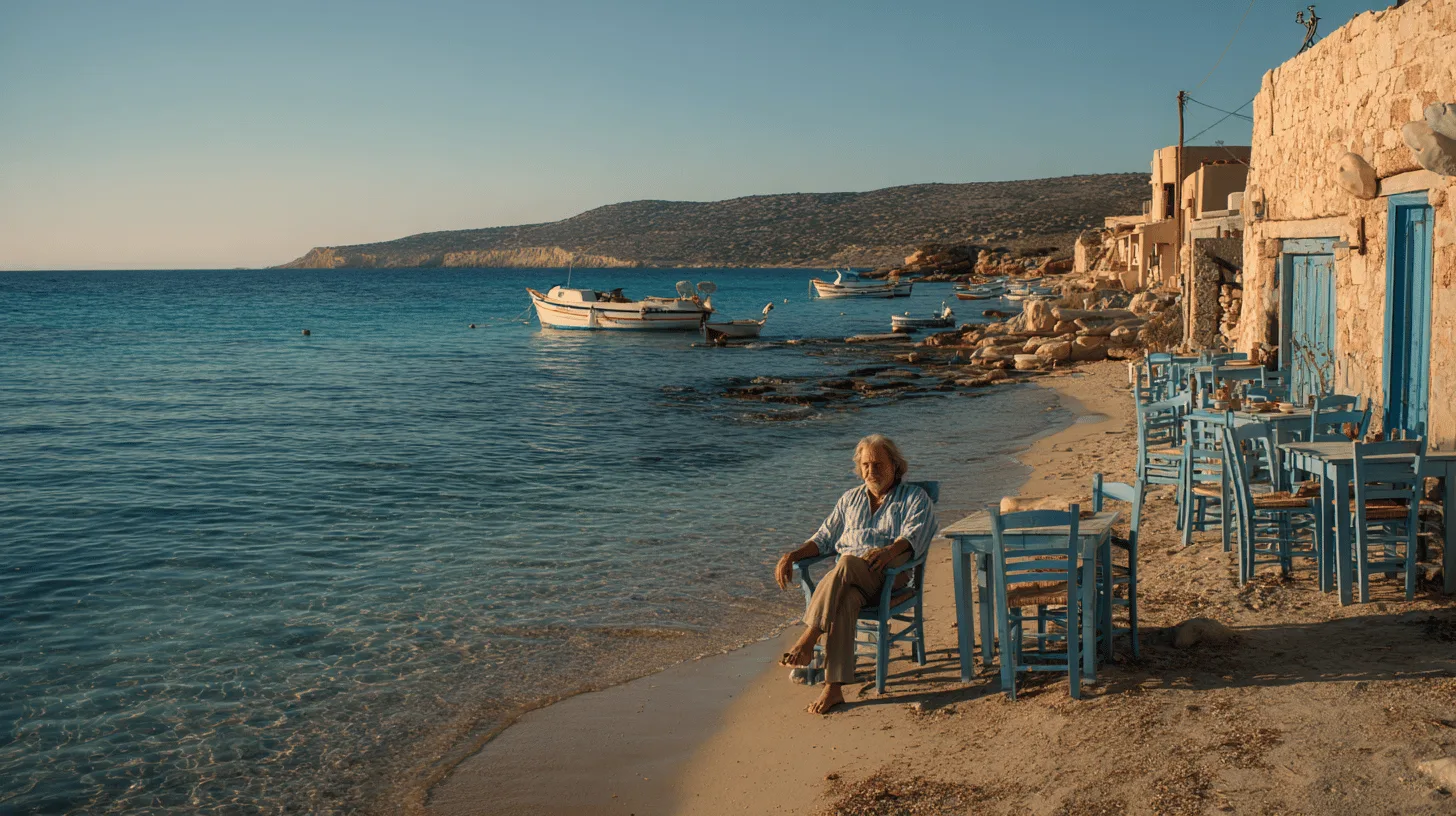
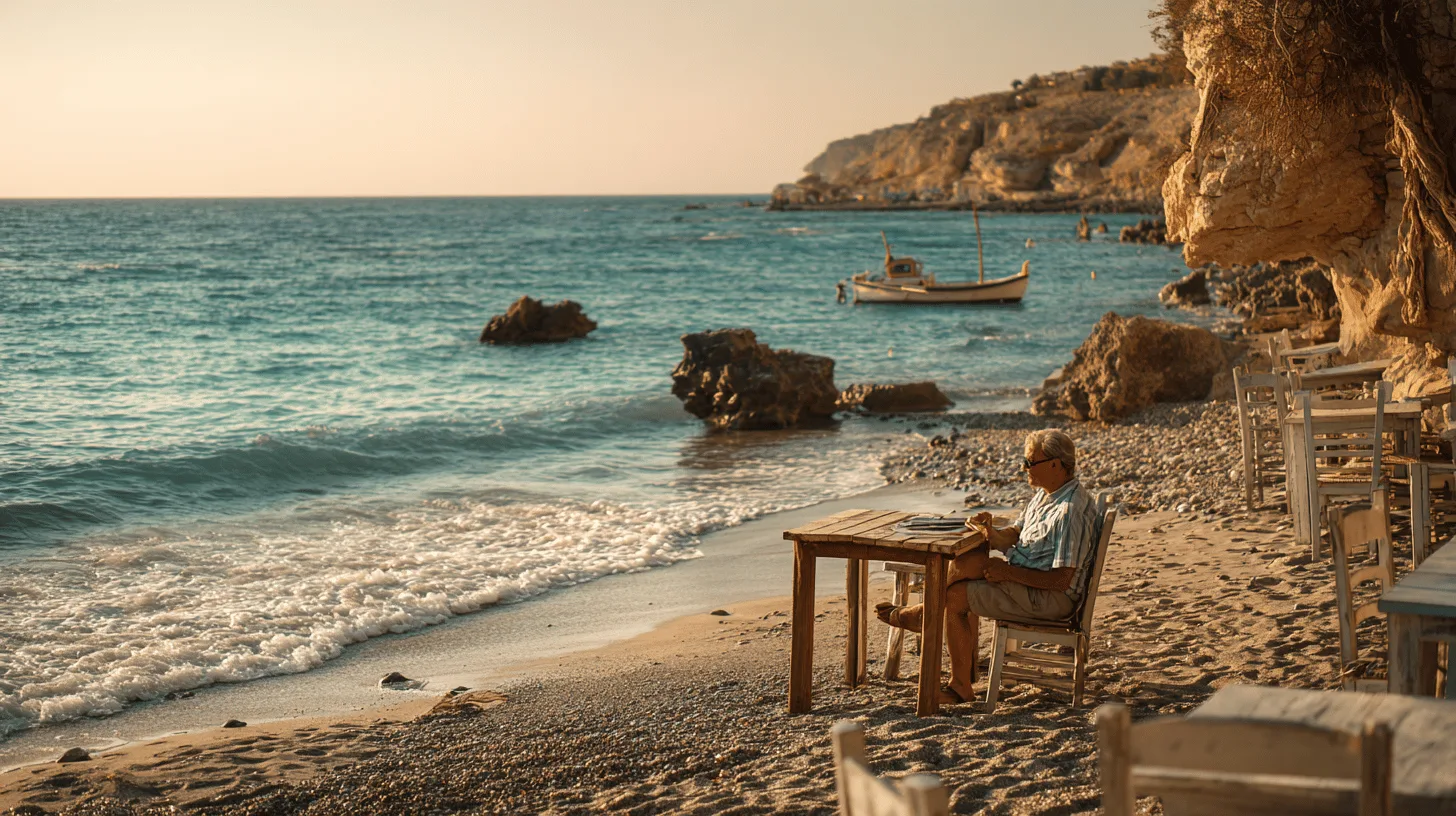
For proper peace and quiet, go south. Loutro is a car-free village of white houses tucked into a bay, and you can only get there by ferry or on foot. Further along that coast, around Sfakia, there are tavernas where lunch takes all afternoon and nobody minds. At the posh end there’s Elounda in the east, with smart hotels looking across to Spinalonga, the former leper colony that featured in Victoria Hislop’s novel The Island. It’s a sobering place to spend a morning, and well worth it.
Crete’s food deserves a trip on its own. Try dakos (barley rusk topped with tomato, mizithra cheese and olive oil), kalitsounia cheese pies, slow-cooked lamb with wild greens, and snails if you’re feeling brave. Wash it down with tsikoudia, the local spirit, which arrives at the end of the meal as a gift and is very hard to turn down.
Gorges, ghosts and a very British war story
Knossos, the great Minoan palace just south of Heraklion, is the classic sight. Go early or late, because the coach parties arrive mid-morning. Part of the fun is the argument: Sir Arthur Evans rebuilt sections of it in reinforced concrete in the early 20th century, and archaeologists still argue over how much is Bronze Age and how much is Edwardian imagination. Then go to the Heraklion Archaeological Museum, where the real treasures are kept, from frescoes to the Phaistos Disc. The museum makes sense of the ruins far better than the ruins do.
Walkers have a famous classic and a few clever alternatives. The Samaria Gorge in the White Mountains is a long, rocky walk downhill to the sea at Agia Roumeli, usually open only from late spring to autumn and closed when the weather turns. On a summer day it can feel like a queue. The shorter Imbros Gorge nearby is quieter and much kinder on 50-year-old knees. In the far east, the Zakros Gorge (the Valley of the Dead, after the Minoan tombs in its cliffs) is gentler still. Serious hikers can take on sections of the E4 long-distance path, which crosses the whole island.
There’s also a story most British visitors never hear about. In May 1941 German paratroopers invaded Crete, and British, Australian, New Zealand and Greek troops fought them before retreating across the mountains to be evacuated from Sfakia, with Cretan villagers sheltering them along the way. The Commonwealth War Cemetery at Souda Bay, near Chania, is immaculate and quietly moving. Later in the occupation, Patrick Leigh Fermor and a team of Cretan resistance fighters kidnapped a German general and smuggled him off the island. Hardly anyone on the beach at Malia knows about that, and it’s a better story than anything they’ll hear on a pub crawl.
When is the best time to visit Crete?
Go in May, June, September or early October. The sea is warm by late summer and stays swimmable well into autumn. Wild flowers cover the hillsides in spring, and the walking weather is far better than in July and August, when the heat and the crowds peak at the same time and the famous beaches, Balos lagoon and pink-tinged Elafonissi, are packed. Midsummer also brings the meltemi, a strong northerly wind that can make the north coast choppy. Winter is quiet, mild by British standards and good for walking, but many resort hotels and tavernas shut, so plan around Chania, Rethymno and Heraklion, which stay open all year.
Getting there, getting around and what it costs
Direct flights go from many UK airports to Heraklion and Chania. The flight takes roughly four hours, and there are far fewer departures in winter. Fly into Chania if you’re heading west, because it saves a long drive. You’ll want a hire car. Greeks drive on the right, the main north-coast road has a fierce reputation, and mountain roads are narrow and come with goats. Allow longer for journeys than the map suggests.
Before you book, check the FCDO’s latest travel advice and entry requirements for Greece, including passport validity rules and the EU’s new border-registration systems for British visitors. Take a GHIC for state healthcare and buy proper travel insurance as well, preferably one that covers hiking if you’re doing the gorges. Greece also adds a small per-night accommodation fee, usually paid at the hotel.
Approximate prices away from the resort strip, at about €1.15 to the pound: a half-litre of local beer in a taverna costs around €4–5 (£3.50–£4.30). A typical dinner with house wine runs to €20–30 a head (£17–£26). A short taxi ride of about 5 km costs roughly €10–15 (£9–£13). Waterfront tables in Chania and the big resorts charge noticeably more, and they’re the main tourist traps on the island.

In short
Crete is a tourist trap only if you stay on the resort strip east of Heraklion. Base yourself in Chania or Rethymno, or on the car-free south coast, hire a car and go in spring or autumn. You’ll find Minoan ruins, superb walking, serious food and a wartime history with strong British connections. It’s one of Europe’s most rewarding islands for a curious grown-up, and it often costs less than the Greek islands with smarter reputations.
Sources

Midcent Travel
Archie Inglis writes about travel for men 45 and over: city breaks, winter sun, road trips, rail journeys, walking holidays and the longer trips you've been putting off. Where's worth going, how to get there without the hassle, and how to make the money go further.
One of Midcent's writers. Spotted something? Write to archie@midcent.uk.