The Algarve is better when the sun clocks off early
Forget the beach-club Algarve. In winter, southern Portugal offers long walks, working towns and room to breathe — provided you pack for the weather you’ll actually get.
Reviewed, edited and approved by Editor-in-chief Daniel Sköld · Updated 23 October 2026
Contents
The most useful thing to know about the Algarve in winter is that you probably won’t need swimming trunks. You’ll need comfortable shoes, a light waterproof and somewhere you’re pleased to sit when the sun disappears. That may sound like a poor sales pitch for a seaside holiday. It is, in fact, the beginning of a better one.
Without the pressure to occupy a sunbed, southern Portugal becomes a place for cliff walks, market lunches and towns that have something to do besides entertain visitors. Go for daylight and breathing space, not a guaranteed tan.
AD
Is the Algarve warm enough in winter?
Warm enough for a British escape? Usually. Warm enough to pretend it’s August? No. Portugal’s weather service puts Faro’s average daytime high at around 16°C in January and 17°C in February. Those are averages, not promises: rain and Atlantic wind can make a coastal afternoon feel decidedly less agreeable. Evenings call for a jumper and, if you’re renting a flat, a check that it has decent heating.
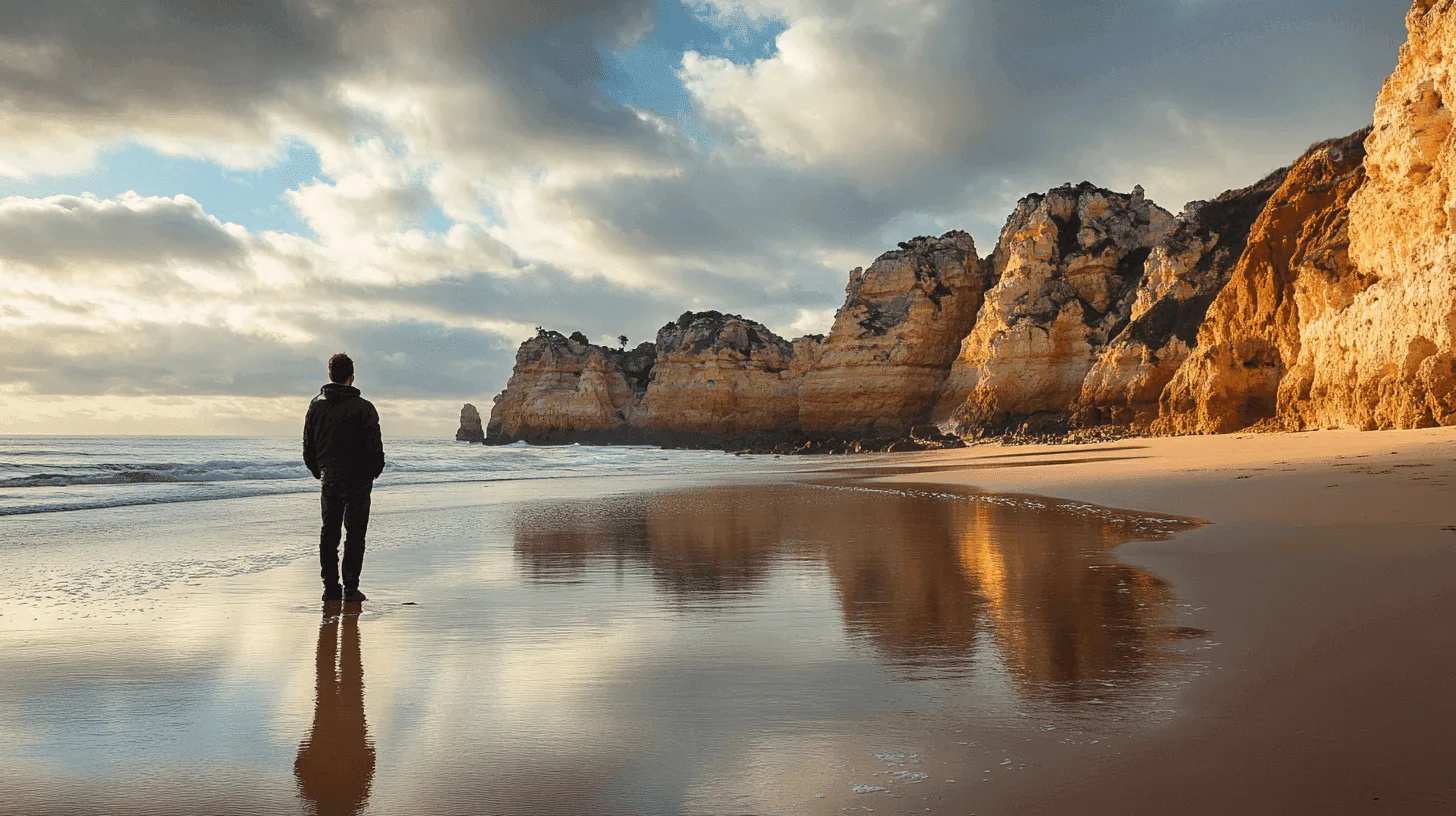
Think of winter here as walking weather. You can spend hours outdoors without organising the day around shade or a bottle of water the size of a fire extinguisher. Beaches offer space for a stroll rather than a swim, and a sunny café terrace feels like a small triumph rather than somewhere you must sit because you’ve paid to be abroad.
For the best balance, look beyond the Christmas and New Year holidays towards late January, February or early March. You still need a flexible plan: keep the exposed cliff path for a settled day and a town or long lunch in reserve when the weather turns. Check sea conditions before booking a boat trip; winter is not the season to build an entire itinerary around one.
The Algarve’s winter luxury is being able to change your mind without losing your place on the beach.
Where should you stay in the Algarve in winter?
Choose a town with a life of its own. Faro is more than the airport sign you pass on the way to a resort: its historic centre makes a useful base, especially if you’d rather not hire a car. Nearby Olhão is worth considering for its market, seafood and access to the Ria Formosa’s watery landscape. In both places, you’re planning a holiday around ordinary streets and places to eat, not the hope that a hotel pool bar will be open.
Further east, Tavira is the gentle choice. Walk beside the River Gilão, pass through its older streets, then head towards the salt pans to look for birdlife. The wider Ria Formosa rewards patient looking; you needn’t identify every wader to enjoy the view. Tavira Island gives you a proper sweep of sand, but check boat services before setting out, particularly outside the main season. A waterside table and a plate of fish back in town are a perfectly respectable alternative.
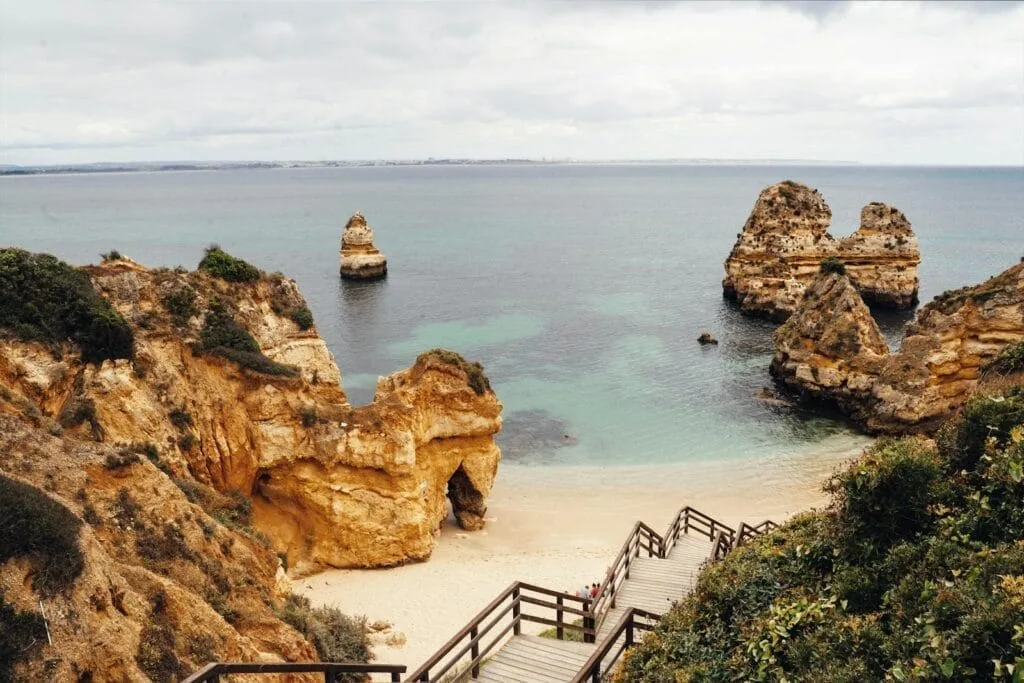
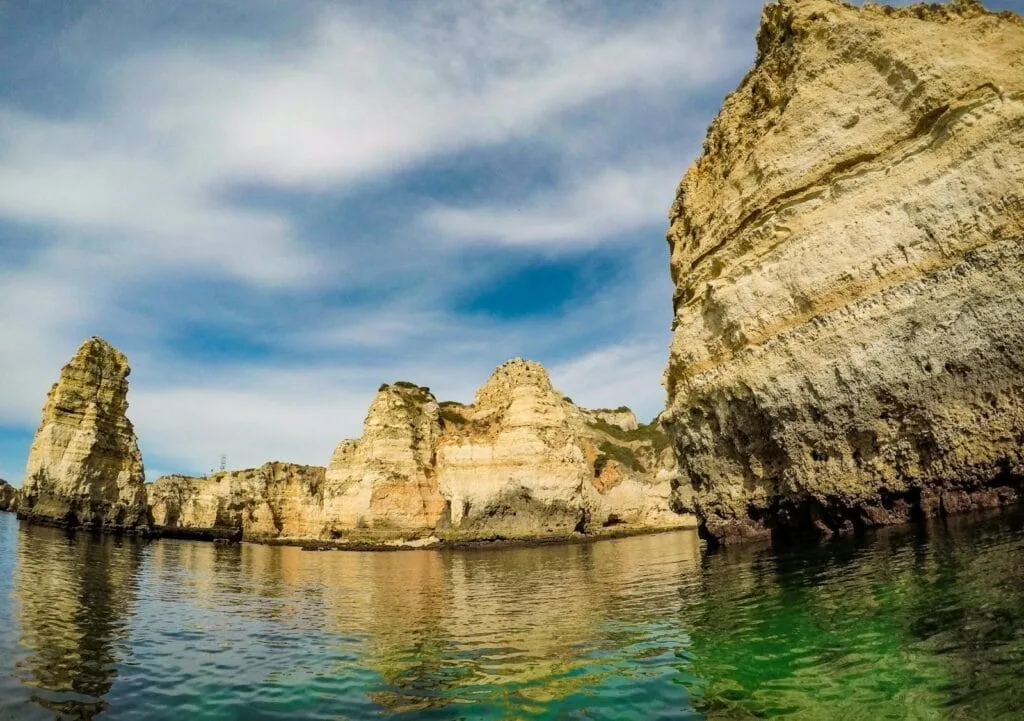
West of Faro, Lagos makes sense if you want dramatic coastline as well as somewhere to spend an evening. The rocks at Ponta da Piedade are impressive from land, so there’s no obligation to take a boat to appreciate them. If you’re choosing between Lagos and a resort built chiefly for summer nightlife, Lagos is the safer winter bet. Albufeira has its admirers, but a bargain apartment there is less of a bargain if the streets around it feel closed for the season.
Whichever base you choose, check the exact neighbourhood and recent winter reviews before booking. Ask whether the accommodation is heated and which restaurants open nearby on the nights you’ll be there. A sea view is pleasant; being able to eat dinner without a lengthy taxi ride is better.
AD
What can you do beyond golf and sunbathing?
Walk first. Portugal’s tourism authority recommends the cooler months for hiking and cycling in the Algarve, and the choice runs well beyond a promenade. Near Lagos, follow the paths around Ponta da Piedade for views of the carved cliffs. Inland, the Via Algarviana offers a different landscape of hills and villages; along the wilder western coast, the Rota Vicentina brings Atlantic air in quantities you may not have requested. Match the route to the day’s forecast and keep back from cliff edges, particularly after rain.
Allow time for Silves, too. Its castle is a reminder that the Algarve had a long history before golf carts arrived, and its position above the town makes the visit worthwhile even if your appetite for fortifications is modest. Make it a day out rather than a quick photograph: wander the streets and stop for lunch. You needn’t fill every hour with a sight.
Golf remains an excellent reason to come, but don’t assume winter means an empty course or a cheap tee time. Portugal’s tourism authority notes that Algarve courses can be busy in winter, so compare green fees and book the rounds you particularly want. If golf is only part of the trip, staying in a town rather than on a golf resort gives a non-playing companion considerably more options than waiting for you at the 19th hole.
Food is the other dependable activity. Seek out fish or shellfish in a town where people are eating lunch, not a waterfront menu that tries to cover every European cuisine at once. Ask what is fresh and check prices for fish sold by weight before ordering. The useful winter habit is simple: have your main meal when you find somewhere lively, rather than assuming every restaurant will be open late.
The useful bits: getting there and spending less
Fly to Faro. Direct services from UK regional airports, including Belfast International, Birmingham, Bristol and Edinburgh, appear in winter airline programmes, though routes and operating days change: check both legs before committing to accommodation. If you don’t want to drive, Faro and Tavira work particularly well as bases; Tavira has a railway station on the line east from Faro. A hire car earns its keep for scattered walking routes and inland days, but is hardly essential for a stay built around one town.
For a rough Faro spending guide, allow about €3 (£2.50) for a half-litre draught beer, €20–30 (£17–25) for a restaurant dinner per person and roughly €8–12 (£7–10) for a taxi ride of around 5 km. These are guides, not fixed tariffs: menus, luggage supplements, night rates and the exchange rate can all alter the bill. Compare the whole trip, including baggage, transfers, heating and golf, rather than congratulating yourself on an improbably cheap flight.
Before departure, check the latest FCDO advice for Portugal and its entry requirements, including the rules for your passport. If you’re eligible, take a valid UK Global Health Insurance Card or European Health Insurance Card for medically necessary state healthcare, but buy appropriate travel insurance as well; the card is not a substitute. Cover any activities you intend to do and disclose relevant medical conditions. It is unglamorous preparation, which is precisely why it is best done before the holiday begins.
In short
Yes, the Algarve is worth visiting in winter if you want mild days, coastal walks and towns rather than guaranteed beach weather. Base yourself in Faro, Tavira or Lagos, keep plans flexible around rain and wind, and check which local businesses are open. Pack a layer; leave room in the schedule for lunch.
Archie Inglis writes about travel for men 45 and over: city breaks, winter sun, road trips, rail journeys, walking holidays and the longer trips you've been putting off. Where's worth going, how to get there without the hassle, and how to make the money go further.
One of Midcent's writers. Spotted something? Write to archie@midcent.uk.
Letting your home while you spend winter in Spain or Portugal can cover much of the cost. First check HMRC rules, your lease, your insurance and the small print.
Venice in winter has fog, quiet canals, cheaper hotels and no day-tripper fee. Here’s when to go, what to pack, and how high water and new border checks affect British visitors.
Prague in April and May means orchards in blossom, castle gardens reopening, a world-class music festival and beer gardens with views. Here is how to do it properly.