Every spring the garden centres fill up with solar gadgets that promise to light your garden for nothing. Every autumn a lot of them end up in the shed with a dead battery and a cloudy panel. The idea is sound enough: a small panel charges a battery during the day and the battery runs something useful after dark. The trouble is that the British sun doesn’t always do its part, and cheap kit makes the most of that.
Some of it really is worth having, though, and from late August 2026 the rules change so that proper plug-in solar panels can be sold here. This is my guide to what works, what doesn’t and what to check before you hand over your money.
Do solar garden lights actually work in Britain?
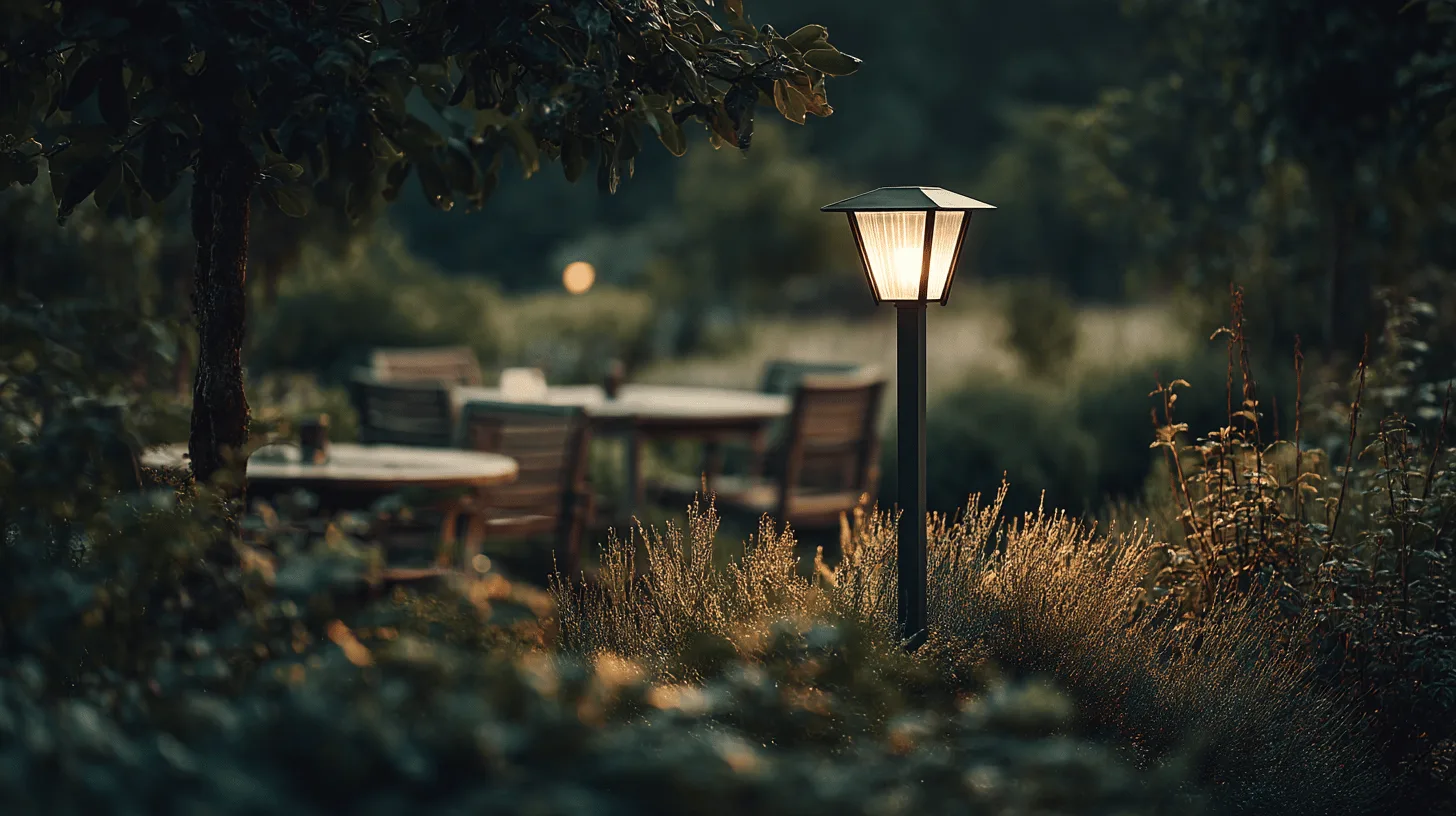
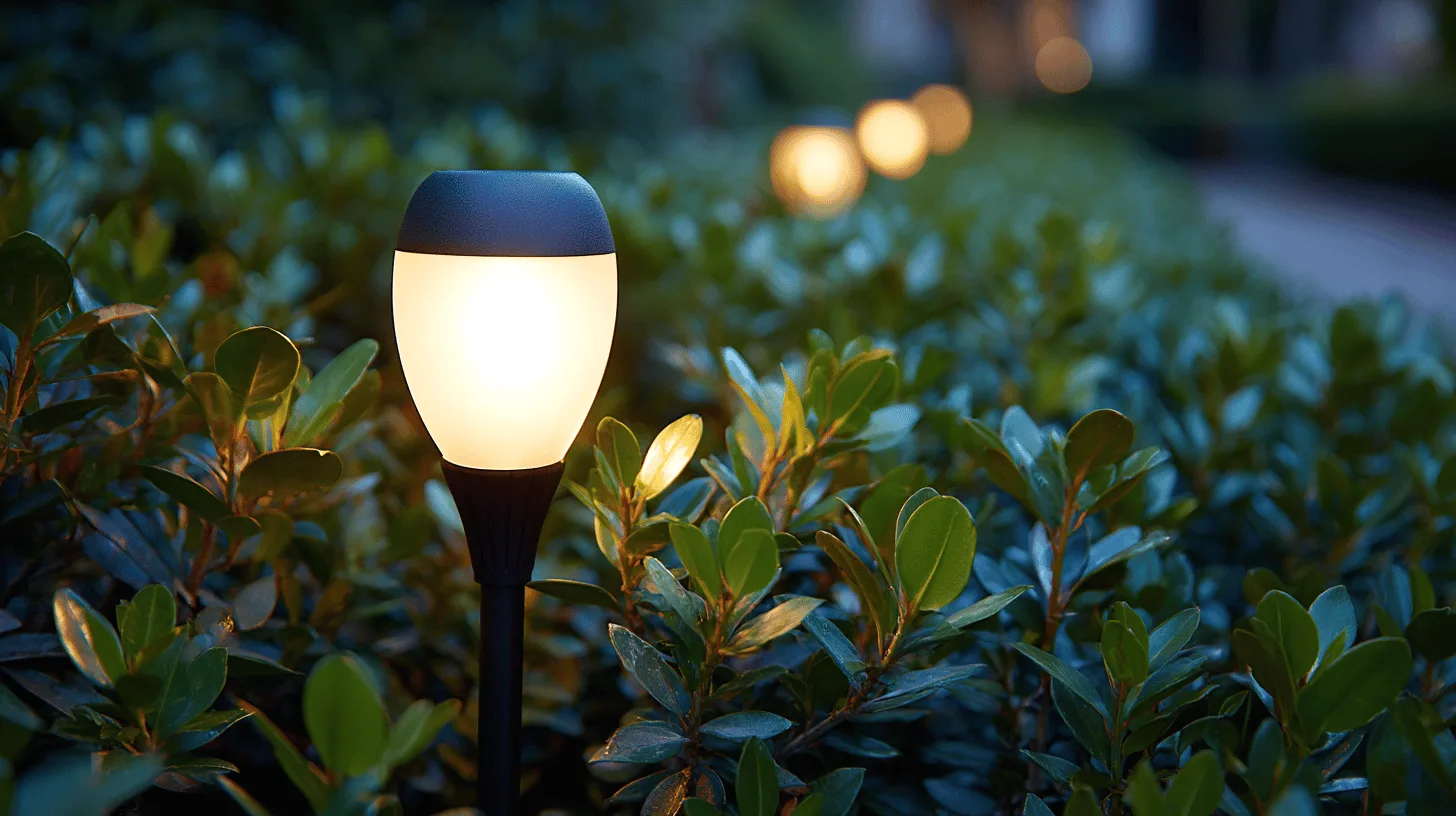
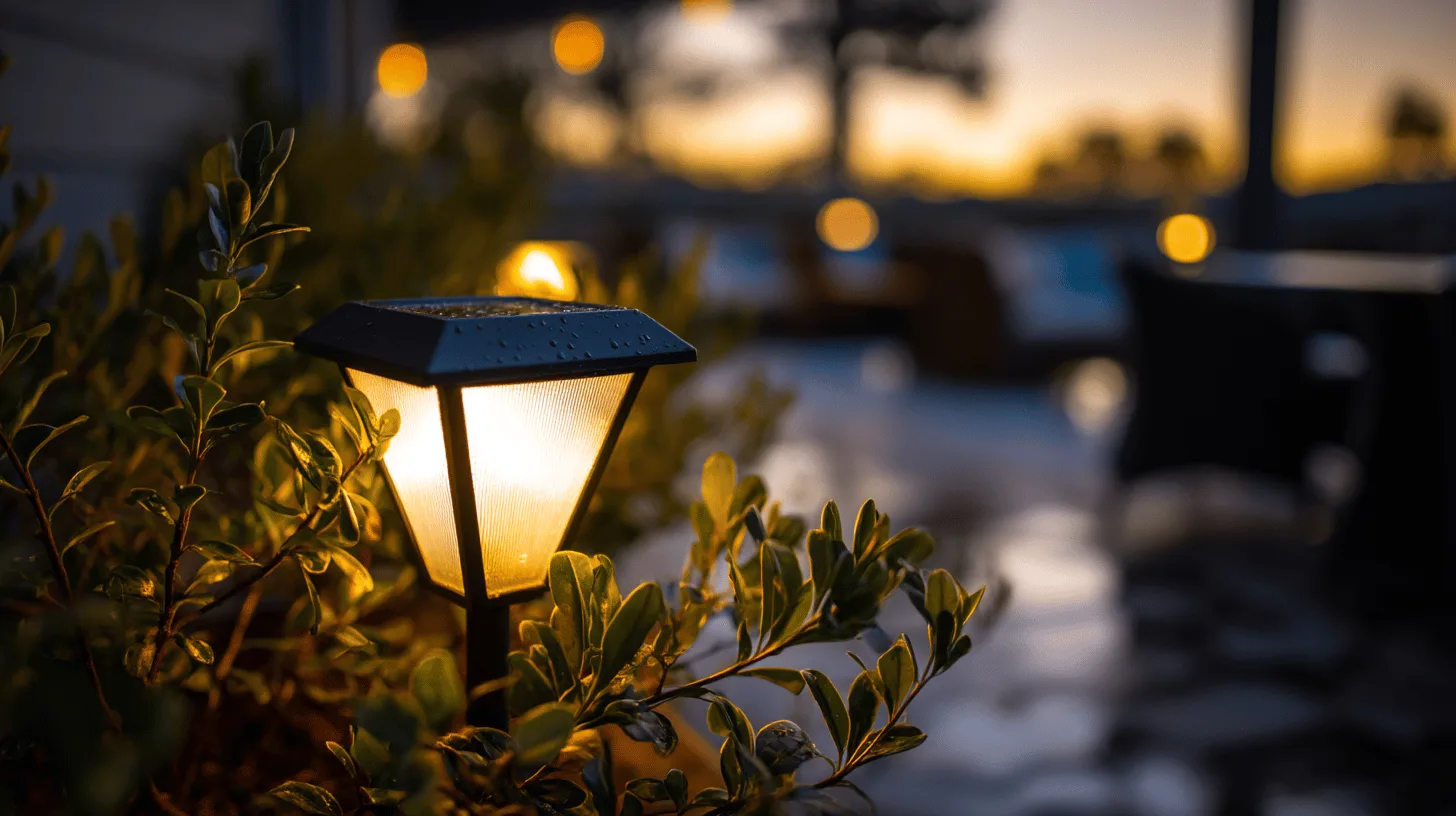
Yes, but think of them as mood lighting, not floodlighting. A typical solar stake light has a panel the size of a playing card. In June that’s plenty. On a soggy day in December it might gather enough charge for an hour or two of dim glow, if you’re lucky.
Which? tests these lights properly. It leaves them out in its test garden over several winters, soaks them and freezes them to see which ones survive. That’s the right test, because a light that looks lovely on the box in May tells you nothing about whether it’ll still be working next March.
One thing to be clear about. Solar garden lights won’t cut your electricity bill unless they’re replacing mains lights you already run. Most people use them to light places that were dark before. That’s fine, but it’s a nice extra, not a saving.
What should you look for when buying solar lights?
Start with the battery, because that’s what fails first. Most stake and string lights use rechargeable AA or AAA cells, usually nickel-metal hydride (NiMH), which run at 1.2 volts. Brighter lights often use lithium-ion cells. If the battery is in a compartment you can open, you can swap it for a few pounds when the light starts fading early. If it’s sealed in, the whole light goes in the bin when the battery dies. Buy the ones you can open.
Next, check the waterproof rating. The IP number (ingress protection) tells you how well something keeps out dust and water. IP44 copes with splashes. IP65 copes with jets of water, which is a better fit for a British garden. If there’s no IP rating on the box, assume it won’t last long outside.
Brightness is measured in lumens, which is how much light the thing actually gives out. Cheap stake lights often give very little and say so in small print, if they say at all. If you want light to see by, on steps or a side passage, get a light with a PIR motion sensor (passive infrared, the same kind of sensor a burglar alarm uses). It stays dim or off until someone walks past, so the battery lasts much longer. Gardeners’ World rates the 4lite Antheia spike light with PIR sensor (RRP £29.99) as its top spike light, and the Lights4fun 200 Starburst solar USB string lights (RRP £39.99) as its top string lights. The USB charging on those is a useful backup when the weather lets the panel down.
Finally, look at where the panel goes. Lights with a separate panel on a cable let you put the light in the shade and the panel in the sun. On a north-facing patio, that’s the difference between working and not working.
A solar gadget is only as good as its battery and the spot you put the panel in. Get those two right and most of the rest takes care of itself.
Are solar security cameras any good in the UK?
This is where solar makes the most sense. A battery security camera that needs taking down and charging every few weeks soon becomes one you don’t bother with. A small solar panel that tops it up during the day fixes that.
TechRadar has tested several. It rates the Swann MaxRanger4K Solar as the best solar-powered option. It’s pricey, but the reviewer found it reliable and it doesn’t need a subscription. TP-Link’s Tapo C660 Kit is cheaper, records 4K video to a microSD card and also has no subscription, though it works much better with Alexa than with other smart-home systems. Reolink’s Solar Floodlight Cam adds two bright spotlights and a 110-decibel siren, for a more obvious warning to anyone who shouldn’t be there.
TechRadar was also blunt about one model, saying its solar charging isn’t ideal for rainy countries like the UK. Treat the solar panel as a top-up, not a guarantee. Put it where it gets the most daylight, preferably facing south, and expect to plug the camera in now and then during a long grey winter. Change the default password and keep the firmware up to date. A camera watching your garden shouldn’t be letting anyone else in.
Solar fountains, pumps and power for the shed
Solar fountain pumps come in two kinds. The cheapest run straight off the panel, so they stop whenever a cloud goes over, which in Britain is often. Spend a bit more on one with a battery built in, and it will keep going through passing cloud and into the evening.
For a shed or summerhouse, a small off-grid kit is a sensible idea. That means a panel, a charge controller and a leisure battery, enough for an LED light, a phone charger or a radio. It saves you running a mains cable down the garden, which in England would also mean getting a qualified electrician in. Small panels on garden buildings in England generally count as permitted development, so they don’t need planning permission. The rules are different in Scotland, Wales and Northern Ireland, and stricter for conservation areas and listed buildings. Ask your council if you’re not sure.
Can you plug a solar panel into a socket in the UK?
Until recently, no. Plug-in solar, also called balcony solar, is a panel with a small inverter (which turns the panel’s direct current into household alternating current) that plugs into an ordinary socket. It’s been common in Germany for years. In the UK it wasn’t permitted, because the wiring rules didn’t allow you to feed electricity back into your home through a socket.
That’s changing. TechRadar reports that from 27 August 2026 the government is allowing an exemption for plug-in solar that meets strict conditions. Kits can’t put out more than 800 watts, and they can’t take power from the house to store and use later. The date is when approved kits can go on sale, not a promise that they’ll be on the shelves that week. Retailers such as Amazon, Lidl and Currys are expected to stock them, and TechRadar’s coverage puts the possible saving at around £110 a year.
For a garden, this is the most interesting change in years. A couple of panels on a south-facing fence or shed roof, plugged into an outdoor socket, could take a useful chunk off your daytime electricity use. That’s real money, unlike the fairy lights.
My advice is to wait for kits made for the UK market, sold by mainstream retailers, that clearly meet the new rules. Don’t buy a cheap continental kit from a marketplace seller and hope for the best. An outdoor socket should be weatherproof and protected by an RCD (residual current device, a safety switch that cuts the power if something goes wrong). If you’re not sure yours is, have an electrician check it first.
In short
Solar garden lights are good for atmosphere but won’t cut your bills. Choose ones with replaceable batteries, a decent IP rating and a motion sensor for anything practical. Solar security cameras and battery-backed fountain pumps work well in the UK as long as you treat the sun as a top-up rather than a guarantee. The real chance to save money is plug-in solar of up to 800 watts, which can go on sale from 27 August 2026. Wait for UK-approved kits from mainstream retailers.
Sources

Midcent Tech
Alex Innes explains technology for men 45 and over who have seen every gadget since the ZX Spectrum and are not easily impressed. AI and ChatGPT, phones, cars, the smart home, the subscriptions worth keeping and staying safe online – what it does, whether it's worth the money, and whether you need it at all.
One of Midcent's writers. Spotted something? Write to alex@midcent.uk.