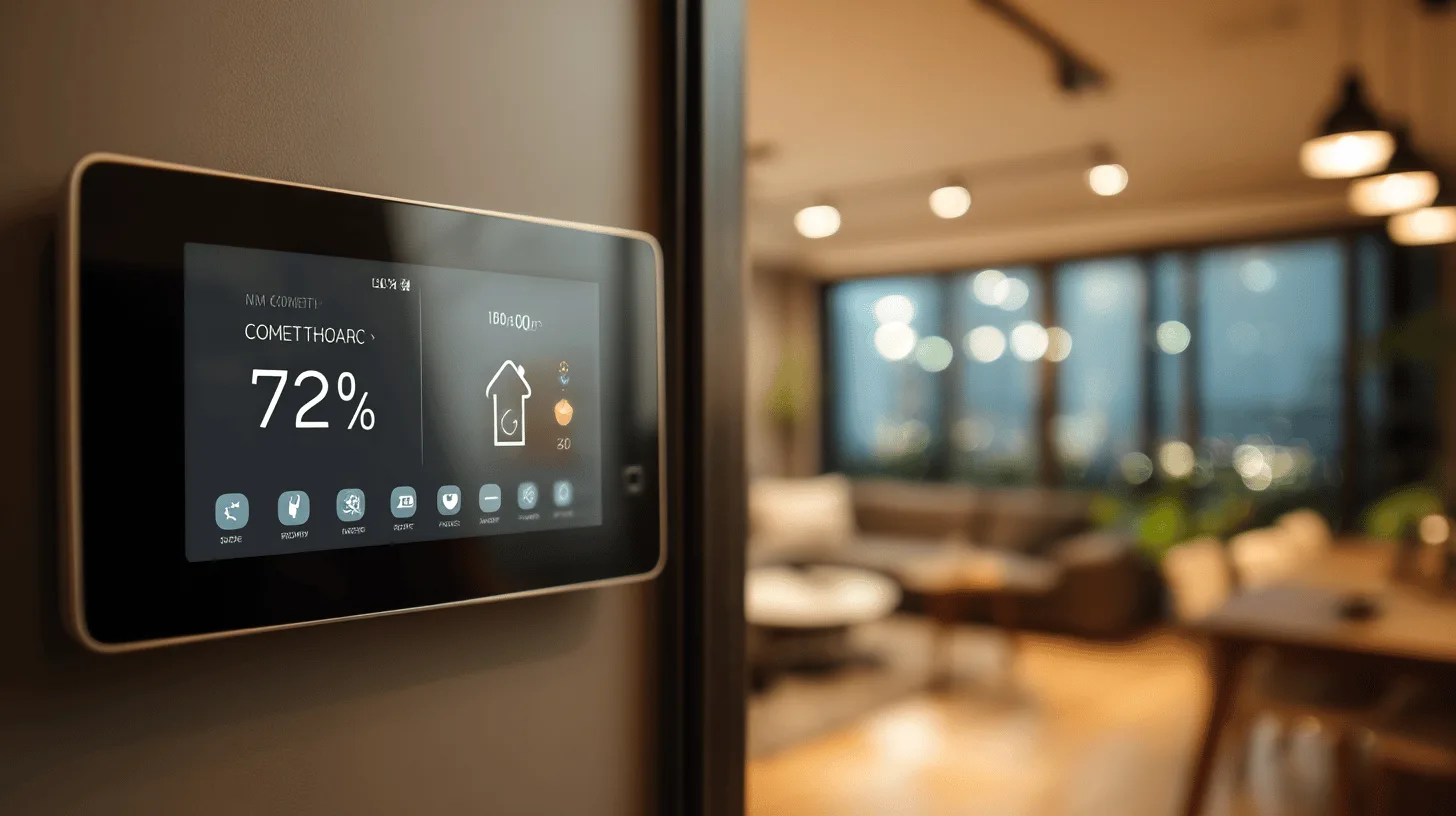
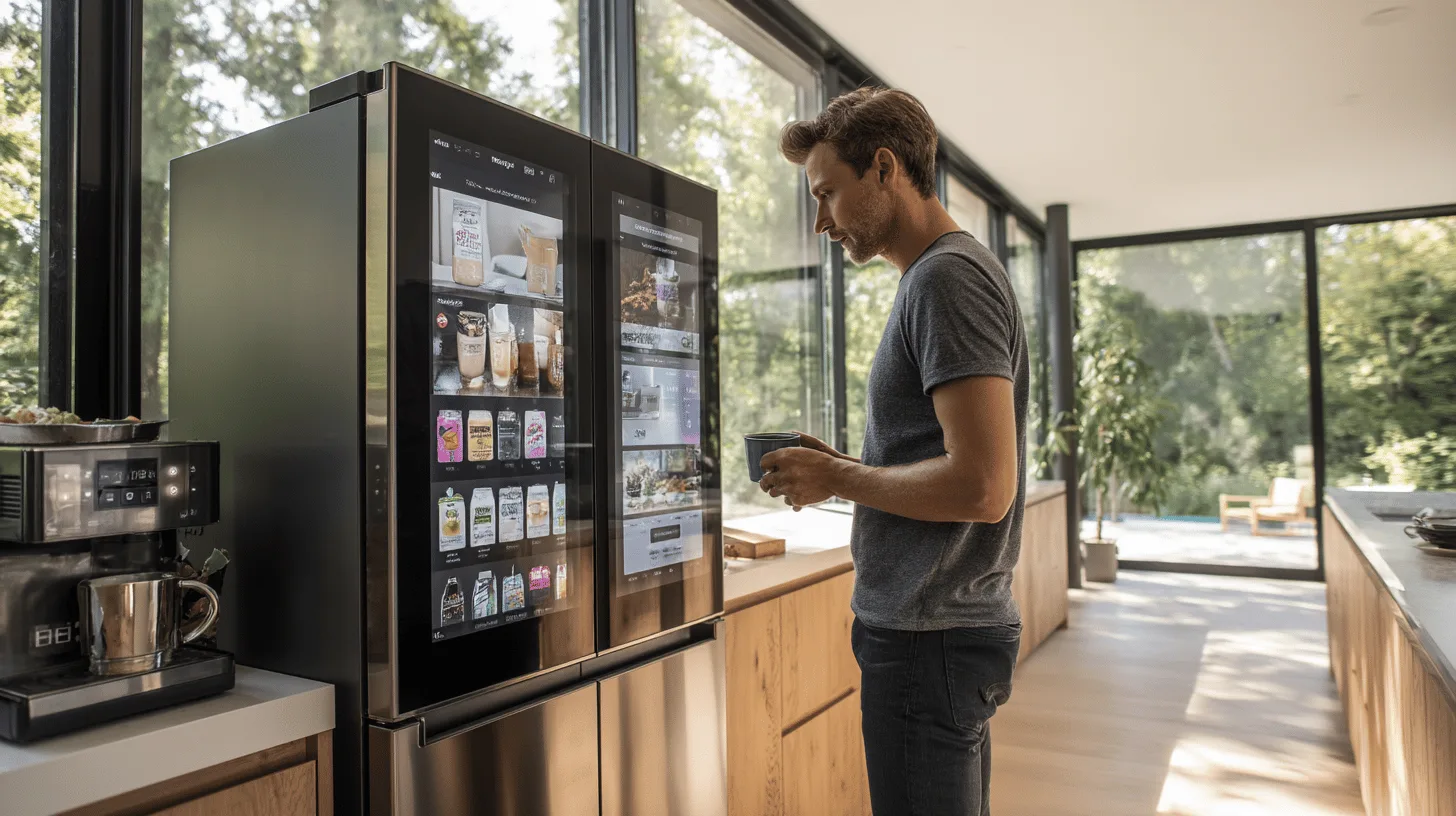
You probably already share your house with at least one robot. A disc that bumps round the skirting boards, perhaps, or a small mower trundling across the lawn while you pretend not to watch it. They took a dull job off your hands and nobody missed doing it.
Now the gadget makers want your kitchen too. They say the weeknight casserole, the risotto you have to keep stirring and the bread you never get round to baking can all be handed to a machine. So should you let one anywhere near your Wednesday dinner?
What is a kitchen robot, actually?
First, forget the humanoid in a chef’s hat. The robot cooking arms you see in viral videos and at trade shows are real, but they are expensive prototypes and restaurant experiments. Nobody is fitting them into a semi in Swindon any time soon.
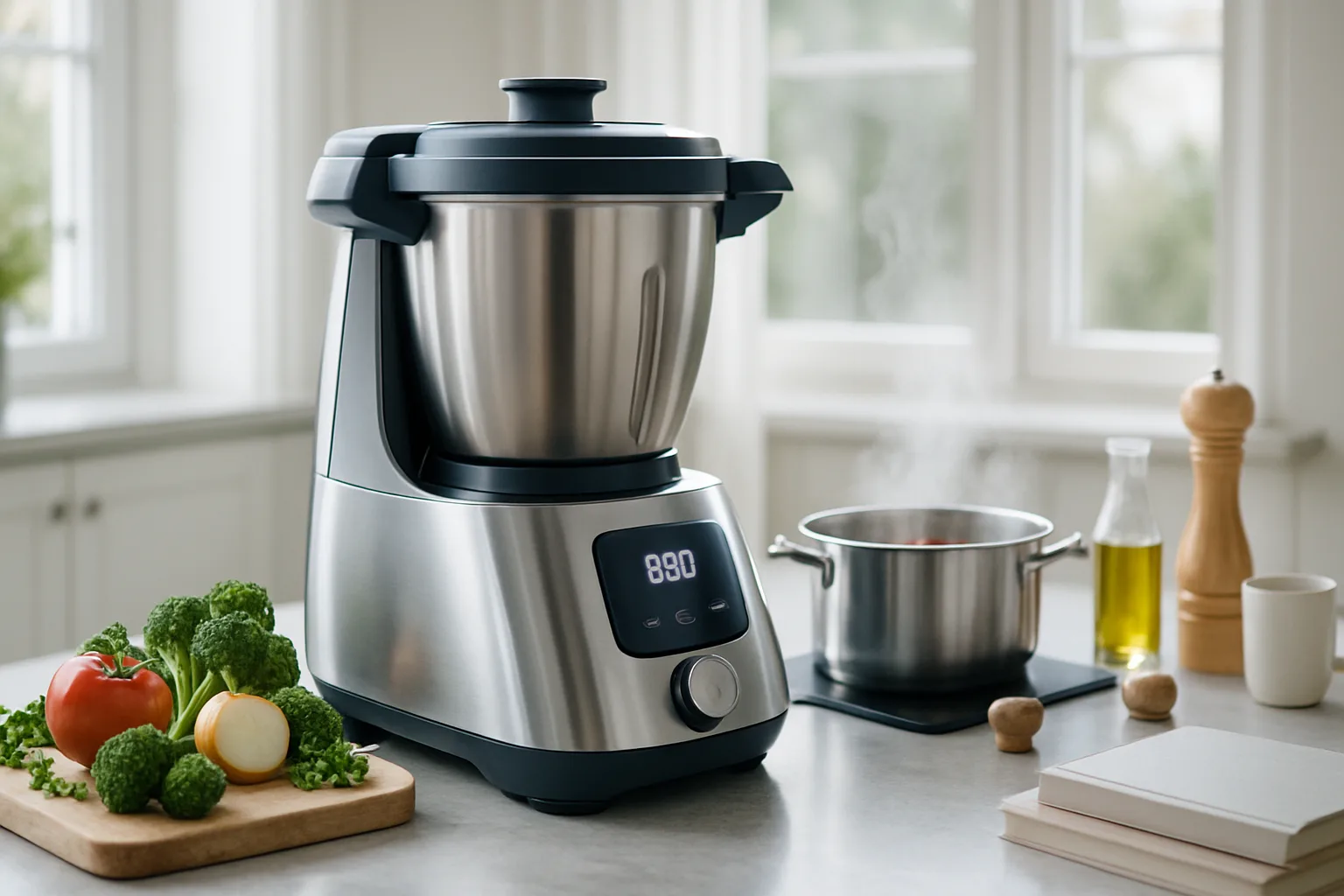
What you can actually buy is a multicooker with a brain. It is essentially a heated jug with a blade in the bottom and a touchscreen on the front. It weighs, chops, blends, kneads, stirs, steams and cooks, and it guides you through a recipe one step at a time. The machine sets the temperature, the speed and the timer. Your job is to drop things in when it tells you to.
Think of it less as a chef and more as a very bossy sous-chef. It doesn’t shop, doesn’t get things out of the fridge and certainly doesn’t wash up the chopping board. What it does do is take the guesswork, and most of the stirring, out of the middle of the job.
How much does a Thermomix cost in the UK?
The Thermomix, made by the German firm Vorwerk, is the benchmark in this category, and its price shows it. The current model, the TM7, launched in 2025 and costs £1,349 in the UK. Finance plans are available if you’d rather spread the pain.
For that you get a 10-inch touchscreen, a 2.2-litre mixing bowl and more than 20 cooking modes, including browning and sous-vide (cooking food sealed in a bag in a water bath held at a precise, low temperature). It comes with a two-year manufacturer’s warranty.
There are two catches worth knowing about before you get your card out. First, you can’t buy one from a shop or from Amazon. New machines are sold only through independent Thermomix advisors, usually after a demonstration in someone’s kitchen. If that sounds a bit like a Tupperware party with a heating element, you’re not far off. Second, the price doesn’t come down. The advisors say plainly that there are no sales and no Black Friday discounts.
Cheaper rivals exist. Kenwood, Magimix and Ninja all make cooking food processors, and Lidl sells its own Monsieur Cuisine machines from time to time in the middle aisle. They do much of the same chopping, stirring and heating for a fraction of the money, although the screens, recipe libraries and app connections vary a lot from one model to the next.

The real product is the recipe subscription
This is where the robot vacuum comparison falls apart. The clever part of a smart cooker isn’t the motor. It’s the guided recipe library that turns the screen into a step-by-step cookery teacher.
For the Thermomix, that library is Cookidoo. A new TM7 includes a three-month subscription. After that, you pay to keep the full guided-cooking experience, or you go back to following recipes on paper and setting the dials yourself. The machine still works without it, but it is noticeably less smart.
You are not just buying a kitchen gadget. You are signing up to a recipe service that happens to come with a very expensive saucepan.
Before you buy, add the yearly subscription to the purchase price and think about it over five years. That’s the true cost of a robot sous-chef. And remember that connected devices depend on their maker’s servers. If a company changes its plans, the features that need the cloud can change too, while the motor and the heating element go on working.
Can you trust a machine with your dinner?
On the cooking itself, broadly yes. Precise temperature control is exactly what a machine does better than a distracted human. Custard that doesn’t split, risotto that doesn’t catch and sauces that don’t burn while you’re reading the paper are the things owners tend to rave about.
Where it falls down is anything that needs a big pan, a hot grill or a bit of instinct. You won’t get a crisp roast potato or a properly seared steak out of a jug, however clever the jug is. Capacity matters too. A couple of litres is fine for a family casserole, but cook for a crowd and you’ll be doing it in batches.
There’s also the question of what the machine knows about you. A Wi-Fi-connected cooker linked to an account knows what you cook and when. Under UK GDPR you have the right to ask any company what personal data it holds on you and to have it deleted. As with any smart-home device, use a strong, unique password for the account and install updates when they arrive.
And the obvious safety point: these things are fast-spinning blades sitting in near-boiling liquid. Lids lock for a good reason. Buy from a legitimate seller so the machine carries the proper UK safety markings, and be wary of suspiciously cheap lookalikes from online marketplaces.
Is a kitchen robot worth it for you?
Be honest about how you cook now. If you already enjoy cooking and have a decent hob, a good knife and a stick blender, a £1,349 machine will mostly do things you can already do, only with more beeping. Your money would go further on a decent cast-iron casserole and a cookery class.
The people who get the most out of a smart cooker tend to fall into a few groups. There are reluctant cooks who want to eat properly without learning technique. There are people who are suddenly cooking for one after years of someone else doing it. And there are people with limited mobility or a bad back, for whom standing over a pan and stirring for 20 minutes is a real chore. For them, a machine that weighs, chops and stirs can make a real difference.
If you’re curious but not convinced, start cheap. Try a budget cooking food processor, or ask a friend who owns a Thermomix to cook you something. Use one for a month before you commit to the expensive one. A lot of these machines end up next to the bread maker at the back of the cupboard.
In short
Kitchen robots you can actually buy are smart multicookers, not robot chefs, and the best-known one, the Thermomix TM7, costs £1,349, is sold only through advisors and needs a recipe subscription after three months to get the most out of it. They’re excellent at precise, hands-off jobs like sauces, soups and risotto, but they won’t roast or sear. They’re worth it for reluctant cooks, people newly cooking for one and anyone who finds standing at the hob hard work, but confident home cooks can safely give them a miss for now.
Sources

Midcent Tech
Alex Innes explains technology for men 45 and over who have seen every gadget since the ZX Spectrum and are not easily impressed. AI and ChatGPT, phones, cars, the smart home, the subscriptions worth keeping and staying safe online – what it does, whether it's worth the money, and whether you need it at all.
One of Midcent's writers. Spotted something? Write to alex@midcent.uk.