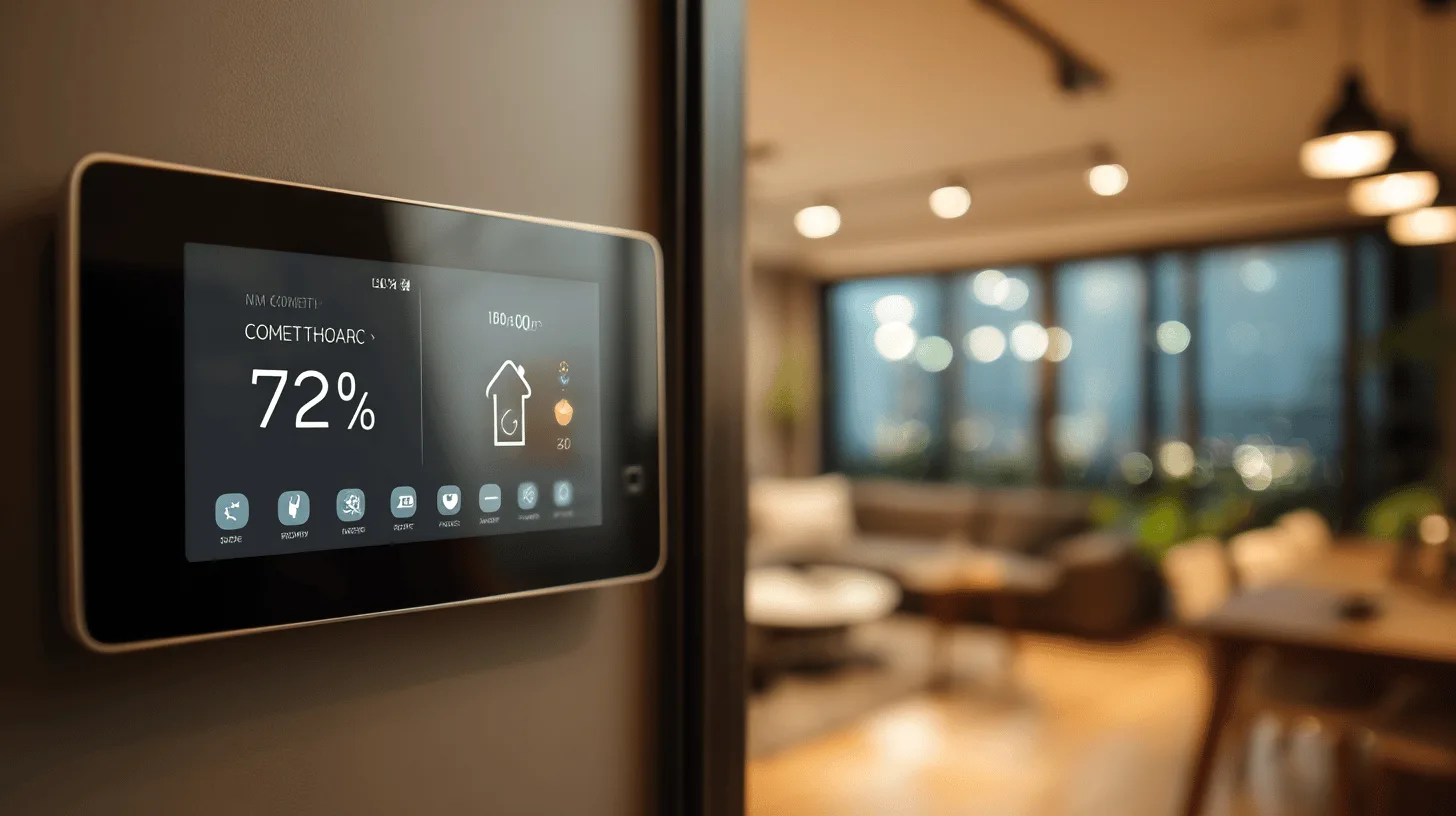
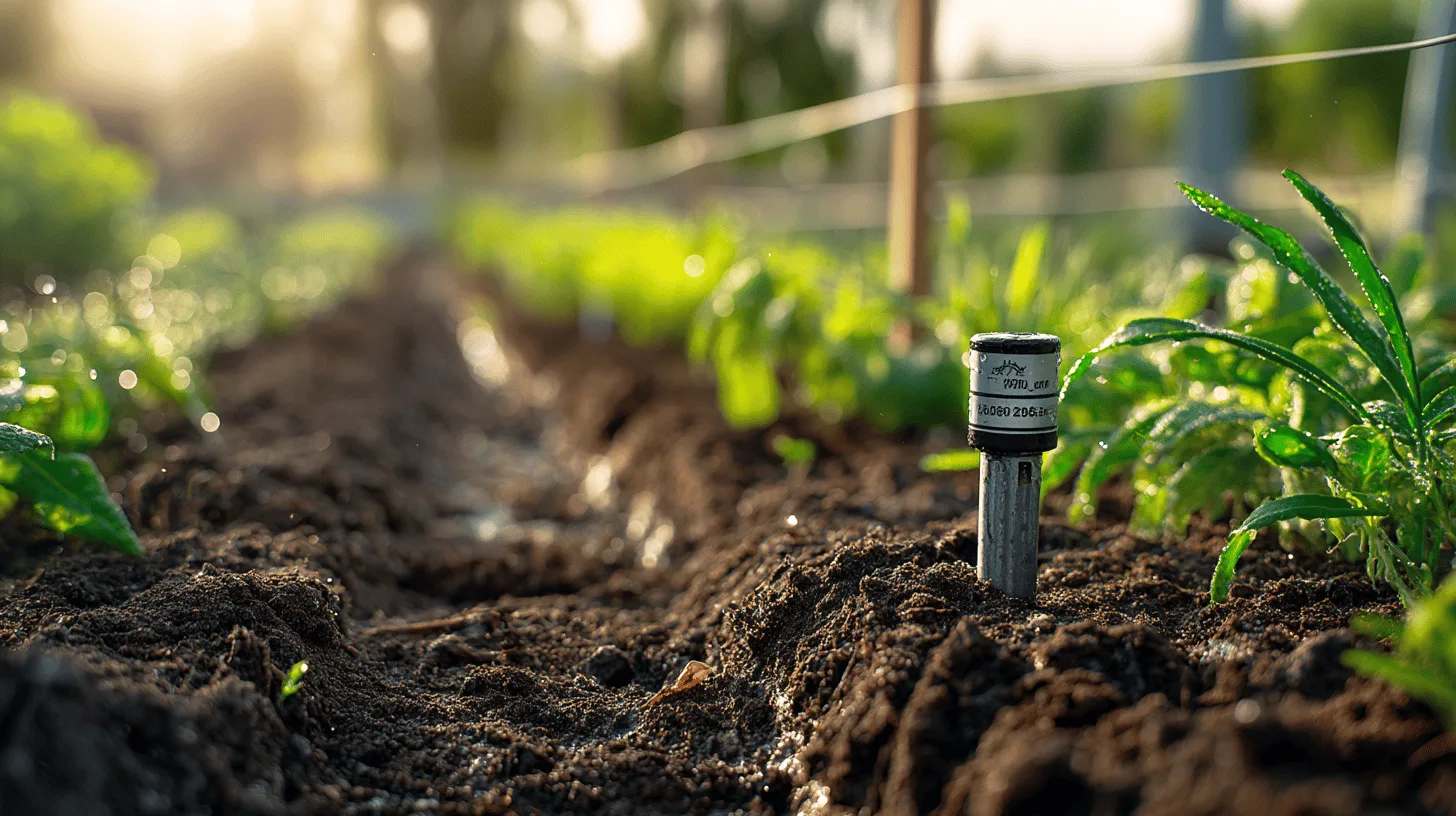
Most of us spent the 1980s pushing a Flymo about and swearing at the cable. Forty years later the mower can drive itself, the hose can check the weather forecast and a camera on the bird feeder will tell your phone that a blue tit has arrived. Quite whether you needed to know about the blue tit is another question.
Garden tech has grown up a lot in the past few years. A good deal of it now does the job properly, and a good deal of it is still a battery-powered way to lose money. Here’s how to tell which is which.
Is a robot lawn mower worth it in the UK?
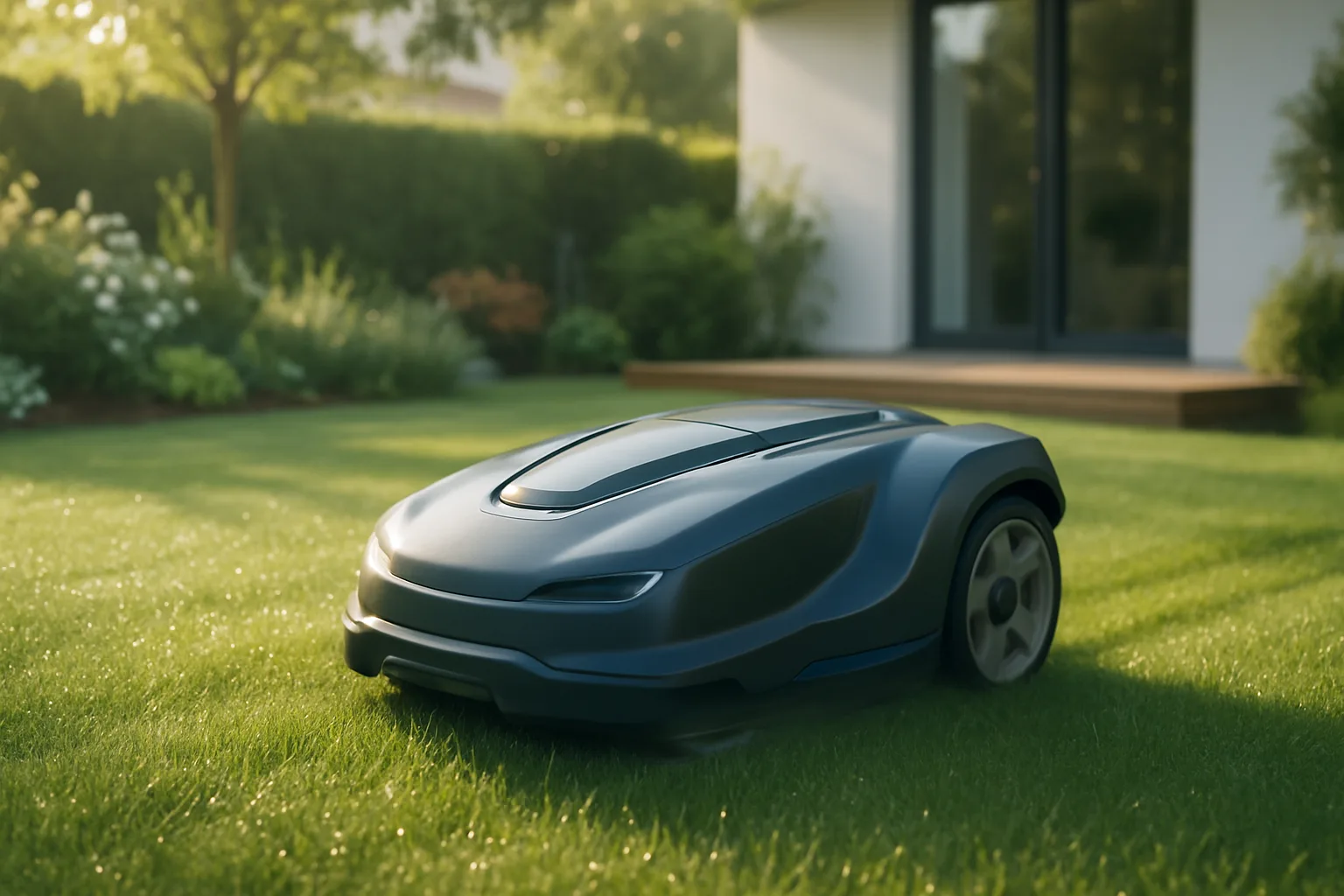
If you have a reasonably tidy lawn and hate mowing it, yes, and probably sooner than you think. It’s the one garden gadget that takes a whole weekend job off your hands rather than just making it more interesting.
A robot mower doesn’t do one big cut a week. It trims a little and often, sometimes daily, so the clippings are tiny and fall back into the turf as mulch. You don’t empty a grass box and the lawn usually ends up thicker. On a British lawn that grows like mad from April to June and then sulks through August, little and often suits it well.
Prices cover a wide range. The specialist reviews put the cheapest wire-free camera models at around £300 for small lawns of about 150 square metres. Mid-market machines from Segway, Worx and Husqvarna sit between roughly £600 and £1,000, and premium satellite-guided mowers for big plots cost well over £2,000. Expert Reviews tested the EcoFlow Blade at £2,399, and its own verdict was that it isn’t great for your bank balance.
Robot mowers aren’t for everyone. A lawn full of tree roots, steep banks, narrow alleys between beds or a family football pitch will make one struggle. The same goes if you actually enjoy mowing, and some people do. It counts as exercise and nobody phones you while you’re doing it.
Wire or no wire: what has actually changed?
Until recently, owning a robot mower meant laying a boundary wire, a thin cable pegged or buried around the edge of the lawn so the machine knew where to stop. It worked, but setting it up took most of a weekend, and the first time you cut through it with an edging spade you had a fault to hunt down.
Newer models drop the wire and use one of three systems. RTK satellite positioning is a souped-up version of GPS that uses a small base station in the garden to get the mower’s position to within a few centimetres. AI vision uses a camera to tell grass from paving and flowerbeds. LiDAR, the laser ranging used on some self-driving cars, measures the shape of the garden around it. Many machines combine two of them.
You set the boundaries by walking or driving the mower around the lawn with an app, and you can redraw them later when you dig a new border. Husqvarna is a good example of how far things have moved. The firm made its name on wired mowers, and Garden Ninja points out that its Aspire R6V now covers up to 600 square metres for £999 using satellite positioning and a camera.
Each system has a weak spot. Satellite models can get confused under tall trees or right next to the house, where the signal is poor. Camera models can struggle in low light. If your garden is long, thin and overhung by a neighbour’s leylandii, check reviews from owners with similar gardens before you hand over a four-figure sum.
The best garden gadget is the one that does a dull job while you’re doing something else. Everything else is a toy, and toys are fine as long as you know that’s what you’re buying.
Is smart watering worth it?
A smart watering controller sits between your outside tap and the hose or drip system. You set a schedule from your phone, and better models will skip a session if rain is forecast. Gardena, Hozelock and others sell them, usually for less than an entry-level robot mower.
The real benefit isn’t watering the lawn, which in most of Britain will recover from a dry spell by itself. It’s keeping pots, hanging baskets, greenhouse tomatoes and new plants alive while you’re on holiday. A drip line on a timer puts water at the roots, early in the morning, without you or a bribed neighbour standing there with a hose.
One British complication is the hosepipe ban. Water companies can bring in temporary use bans in a dry summer, and each publishes its own notice saying what is and isn’t allowed. Some exempt drip systems on a timer, but don’t assume yours is covered. Read the notice for your area before you let the app carry on as usual.
Does your garden need Wi-Fi?
Increasingly, yes, and buyers tend to find this out too late. Garden Ninja warns that wire-free mowers relying on an app need Wi-Fi across the whole lawn, and that this is what catches most people out. Watering controllers, feeder cameras and outdoor security cameras all need a connection too.
Brick walls and double glazing are hard on a wireless signal. If your phone loses its connection at the bottom of the garden, so will everything else down there. The usual fix is a mesh Wi-Fi system with a node near the back door, or a weatherproof outdoor access point. Allow £100 or more and an afternoon to sort it out, and do it before you buy the gadgets rather than afterwards.
Bird-feeder cameras are the toy in this list, and a very enjoyable one. They identify visitors and send you clips. They do nothing for your lawn, but they might get you to notice the garden instead of just maintaining it.
What about hedgehogs, neighbours and hackers?
Hedgehogs first. They come out at night, and a mower working in the dark is bad news for them. Wildlife charities advise running robot mowers only in daylight, and every decent app lets you set that schedule. Garden Ninja also notes that pivoting blades, which swing back on impact, are the safer design for wildlife. Make daylight-only mowing one of the first things you set up.
Next, the neighbours. If you put up a camera and it covers the pavement or the house next door, the Information Commissioner’s Office says you have to follow data protection law, which means UK GDPR. You need a good reason for filming beyond your boundary, you need to tell people, and you have to handle requests to see the footage. Angle the camera at your own shed and the problem disappears.
Last, security. Every one of these gadgets is a small computer connected to your home network. Since April 2024, the UK’s product security rules have banned new smart devices from shipping with universal default passwords like admin or 1234. Even so, buy brands that keep releasing updates, turn on two-factor login for the app, and treat a mower that has stopped getting updates as you would an old phone.
In short
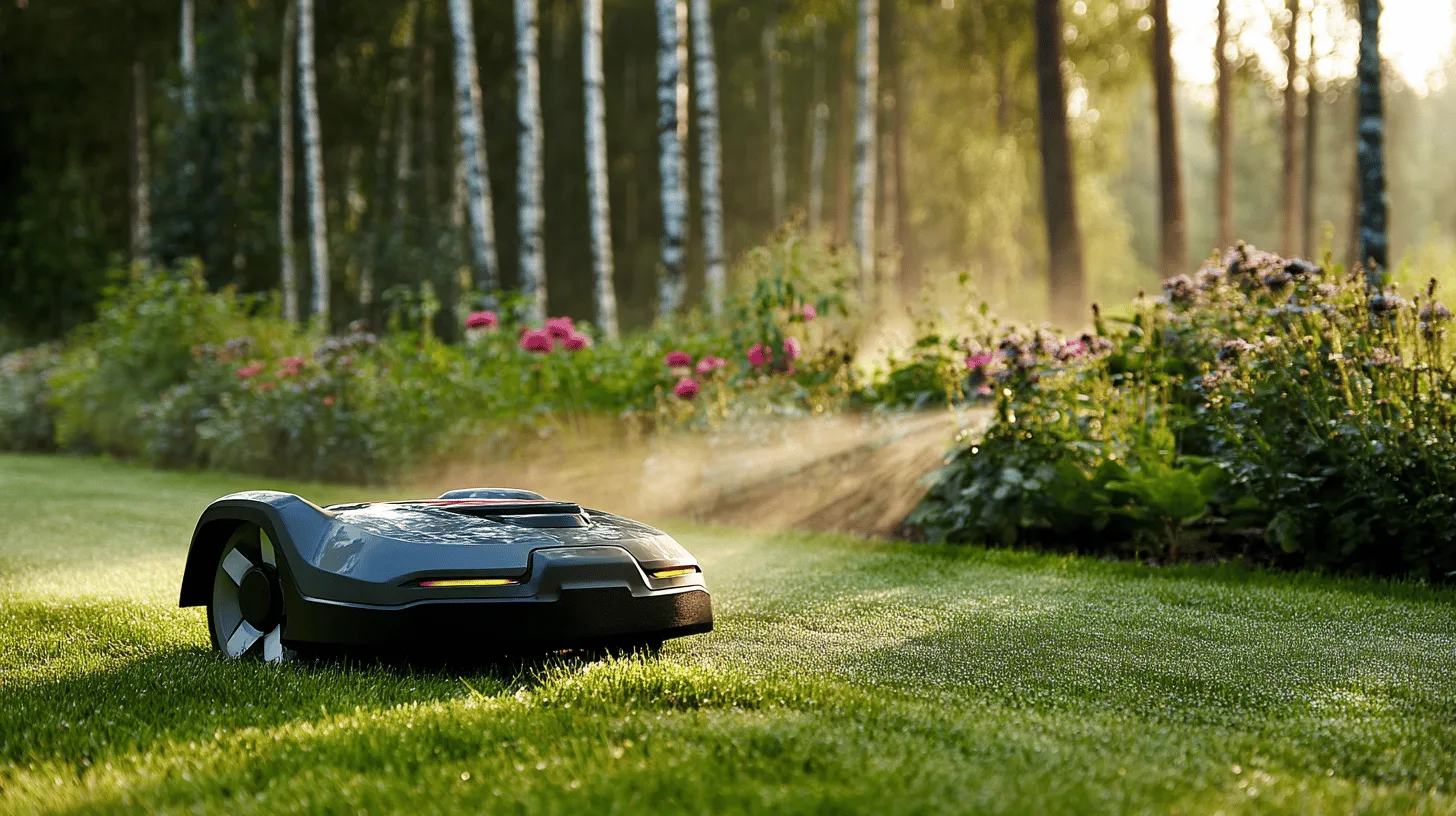
A wire-free robot mower is the garden gadget most likely to earn its money, as long as your lawn is fairly regular, your Wi-Fi reaches the bottom of the garden and you only run it in daylight. Smart watering is worth having if you have pots, a greenhouse or holidays to cover, but check your water company’s rules when there’s a hosepipe ban. Fix the Wi-Fi before you buy anything else, and treat feeder cameras as a treat rather than a necessity.
Sources

Midcent Tech
Alex Innes explains technology for men 45 and over who have seen every gadget since the ZX Spectrum and are not easily impressed. AI and ChatGPT, phones, cars, the smart home, the subscriptions worth keeping and staying safe online – what it does, whether it's worth the money, and whether you need it at all.
One of Midcent's writers. Spotted something? Write to alex@midcent.uk.