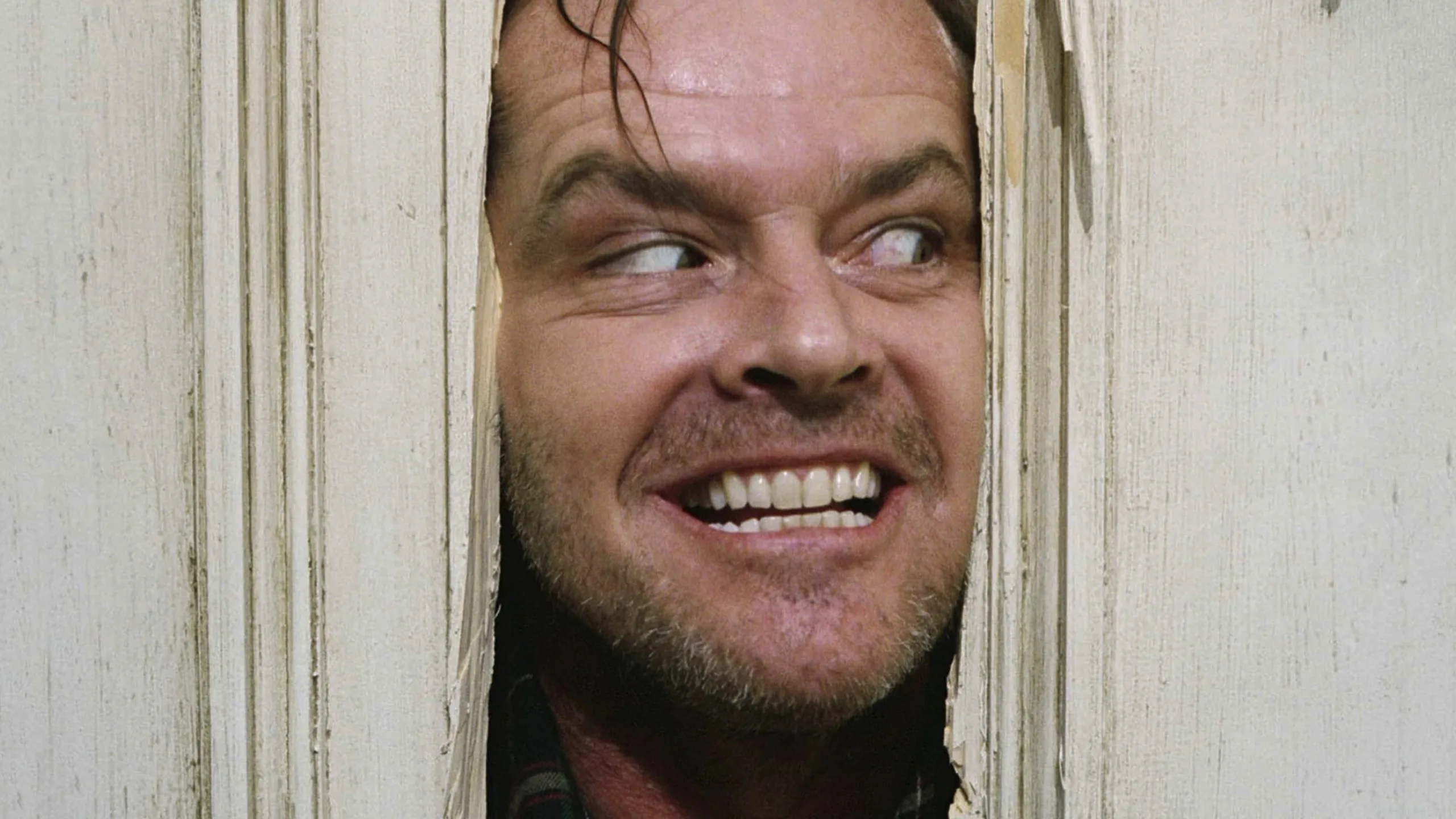
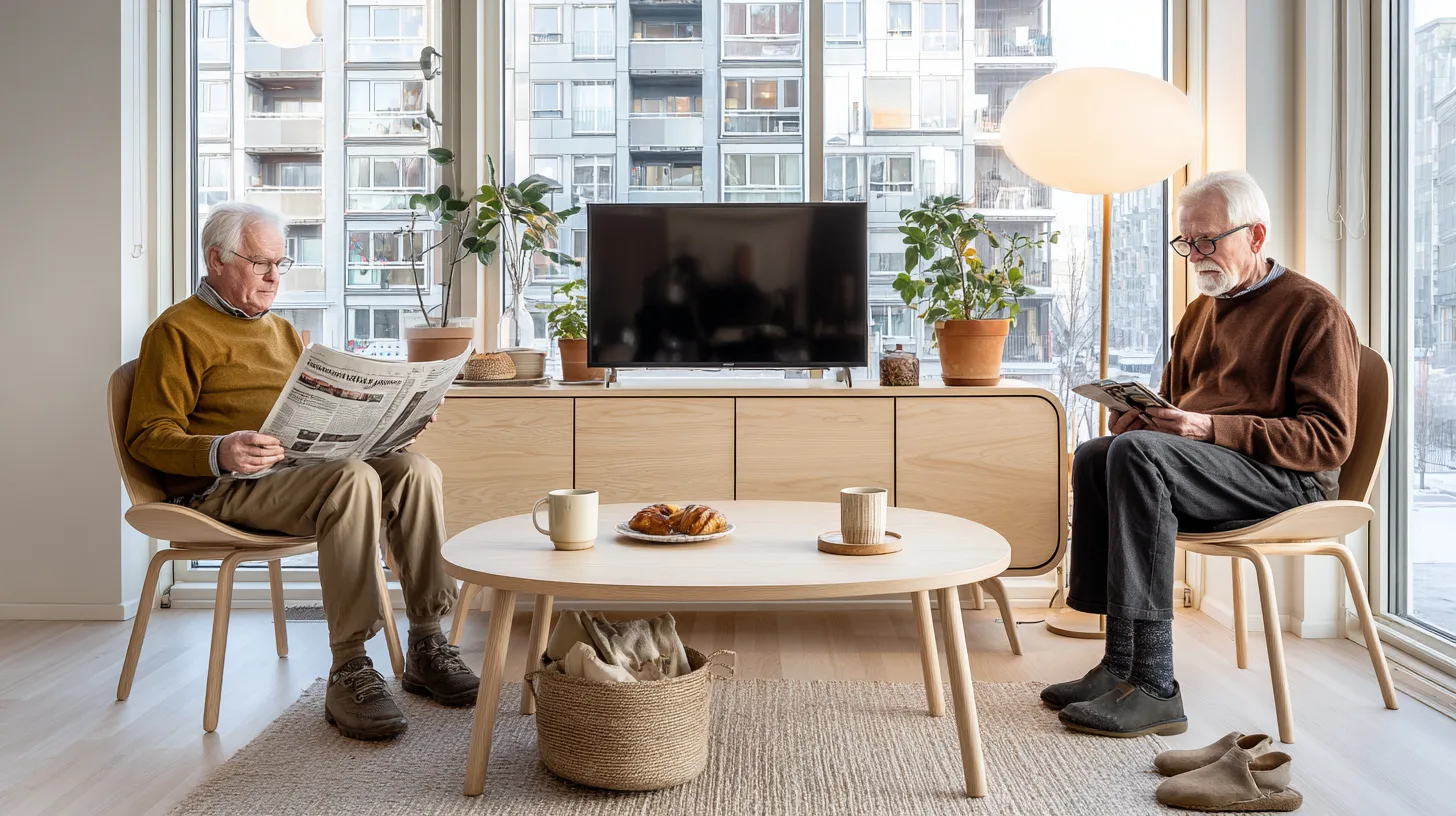
It’s Tuesday evening. She’s in the front room watching something with subtitles. You’re in the kitchen with the football on your phone. At about half nine one of you calls through: ‘Did you put the bins out?’ The other says yes. That’s the main conversation of the day, and neither of you thinks it’s odd.
Nobody has walked out. No one’s solicitor has sent a letter. On paper the marriage is fine. In practice you’ve drifted into a flatshare with a joint mortgage, and you can’t remember when it happened. This isn’t a piece about divorce. It’s about something quieter and much more common: two decent people who now live together like housemates who get on well enough.
How do you know if your relationship has become a flatshare?
Couples rarely go from lovers to lodgers overnight. It happens slowly, through a long run of small, sensible decisions. You eat at different times because of work. One of you goes to bed early. The children need lifts, the parents need visits, the boiler needs fixing. Twenty years later the relationship runs very efficiently and doesn’t feel like much at all.
The giveaway is what you talk about. Count the conversations in a week that aren’t about logistics: who’s collecting whom, which bill has gone up, whether Mum’s hospital appointment is Thursday or Friday. If almost everything you say to each other could go in a shared spreadsheet, you’ve stopped being partners and become co-managers of a small, badly funded business called Home.
Here’s another test. When something good happens to you, a decent result at work, a funny exchange with a stranger, a goal you didn’t expect, who do you want to tell first? If it isn’t your partner, or you tell them out of duty three days later, take note.
Are separate bedrooms a sign your marriage is over?
Not necessarily, and it’s worth being fair here. Plenty of happily married couples sleep apart because one of them snores like a Routemaster bus on a hill, or because one has hot flushes and the other has a bad back. Middle age is hard on sleep, and a decent night’s kip has saved more marriages than any weekend in the Cotswolds. Snoring can also be a symptom of sleep apnoea, which is worth seeing a GP about anyway.
What matters is why you moved, and what happened next. If separate rooms came after an honest conversation and you still choose to spend time together, read in bed together on a Sunday or come in for a cuddle before lights out, that’s a practical arrangement. If one of you drifted into the spare room after a row, never came back and nobody has mentioned it since, that’s not a sleep plan. It’s a retreat.
The same goes for the rest of the house. Separate televisions, separate meals and separate evenings are fine one at a time. Put them all together and you’ve rebuilt the student house you left in 1989, only with better towels.
The quieter warning signs
Some signs are less obvious than a closed bedroom door.
No shared plans. Couples who are still a couple talk about the future: a trip, a kitchen extension, what you’ll do when the youngest moves out, retirement. Couples who’ve become housemates don’t, because the future quietly feels like something each of you will do on your own. If your holiday planning has turned into negotiating who gets the car which week, pay attention.
Politeness without warmth. It sounds like a nice problem to have, but it often isn’t. Couples who still care about each other argue now and then because they still expect something. When the rows stop, it’s sometimes because nobody expects anything any more. Being calm and being indifferent can look the same from outside.
Touch has become an admin task. A peck on the cheek at the door, a pat on the shoulder on the way past. No hand-holding in the street, no lingering. Sex, if there is any, gets scheduled or put off with the same tired excuse.
Your social life has split in two. You go to the pub quiz with your mates. She has her book club, her sister, her walking group. Separate interests are healthy. Separate lives with a shared postcode are something else.
You feel lonelier at home than you do on your own. This is the big one. Being lonely on your own is one thing. Being lonely with someone sitting three feet away on the sofa is another, and it’s corrosive.
The opposite of a happy marriage isn’t a blazing row. It’s two people being perfectly polite to each other and having nothing left to say.
Why does it happen to couples in their 40s, 50s and 60s?
Partly because midlife piles the work on. For many men aged 45–64 it’s the busiest stretch of adult life: teenagers or boomerang adult children, ageing parents, the mortgage, and the job at its most demanding and least secure. Your relationship is the only part of all that which won’t complain loudly if you ignore it, so it’s the part that gets ignored.
There’s also the empty-nest effect. For twenty years the children were the main topic of conversation and the reason for the routine. When they leave, some couples look at each other across the table and realise they’ve forgotten how to talk without a third party in the room.
Then there’s the bloke problem, and we may as well admit it. Many men of our generation were raised to fix things rather than talk about them. When the relationship goes flat, the instinct is to say nothing, work harder and hope it sorts itself out. It rarely does. Saying nothing isn’t neutral. It’s a decision, and usually the wrong one.
What can you actually do about it?
First, the honest conversation. Not an ambush during Match of the Day, and not a list of grievances. Something closer to: ‘I’ve noticed we don’t really do anything together any more, and I miss it. Do you?’ It’s uncomfortable, but it’s less uncomfortable than another decade of bin rotas.
Second, do something new together rather than trying to revive what you used to do. Novelty helps more than nostalgia. A class, a walk somewhere neither of you knows, a regular evening out with the phones left at home. It doesn’t have to be expensive. It has to be shared, and it has to happen every week.
Third, get help if you need it. That isn’t an admission of failure. It’s what you’d do with any other expensive thing that had stopped working properly. Relate is the UK’s best-known relationship counselling charity, with services across England, Wales and Northern Ireland, while in Scotland the main provider is Relationships Scotland and its local services. Both offer couples counselling, and costs vary by location and format, so check with your nearest centre. Some offer reduced fees depending on income. You can go on your own if your partner isn’t ready yet.
The NHS won’t normally provide couples therapy for a relationship that’s simply gone stale. But if the flatness hides something heavier, such as low mood, anxiety, drinking or a sense of being stuck, that’s worth taking seriously in its own right. In England you can refer yourself to NHS Talking Therapies without seeing a GP first. In Scotland, Wales and Northern Ireland, the GP is usually the place to start.
And if you talk honestly and both conclude it’s over, that’s a different conversation, with different rules depending on where you live: England and Wales have had no-fault divorce since 2022, while Scotland and Northern Ireland have their own systems. Even then, a relationship that ends with an honest conversation is better than one that fades out in silence.

In short
A relationship hasn’t died just because you sleep in separate rooms. The warning signs are talking only about logistics, making no shared plans, politeness that’s lost its warmth, and feeling lonely in your own home. The fix starts with an honest, unhurried conversation and a regular commitment to doing something new together, with organisations such as Relate or Relationships Scotland there if you need outside help. The worst option is the most popular one: saying nothing and hoping it sorts itself out.
Sources

Midcent Society
Andy Irwin writes about the way we live now for men 45 and over: work, relationships, mental health, getting older, and the trends and debates that land on men in the middle of life. With the facts, a dry sense of humour, and no lectures.
One of Midcent's writers. Spotted something? Write to andy@midcent.uk.