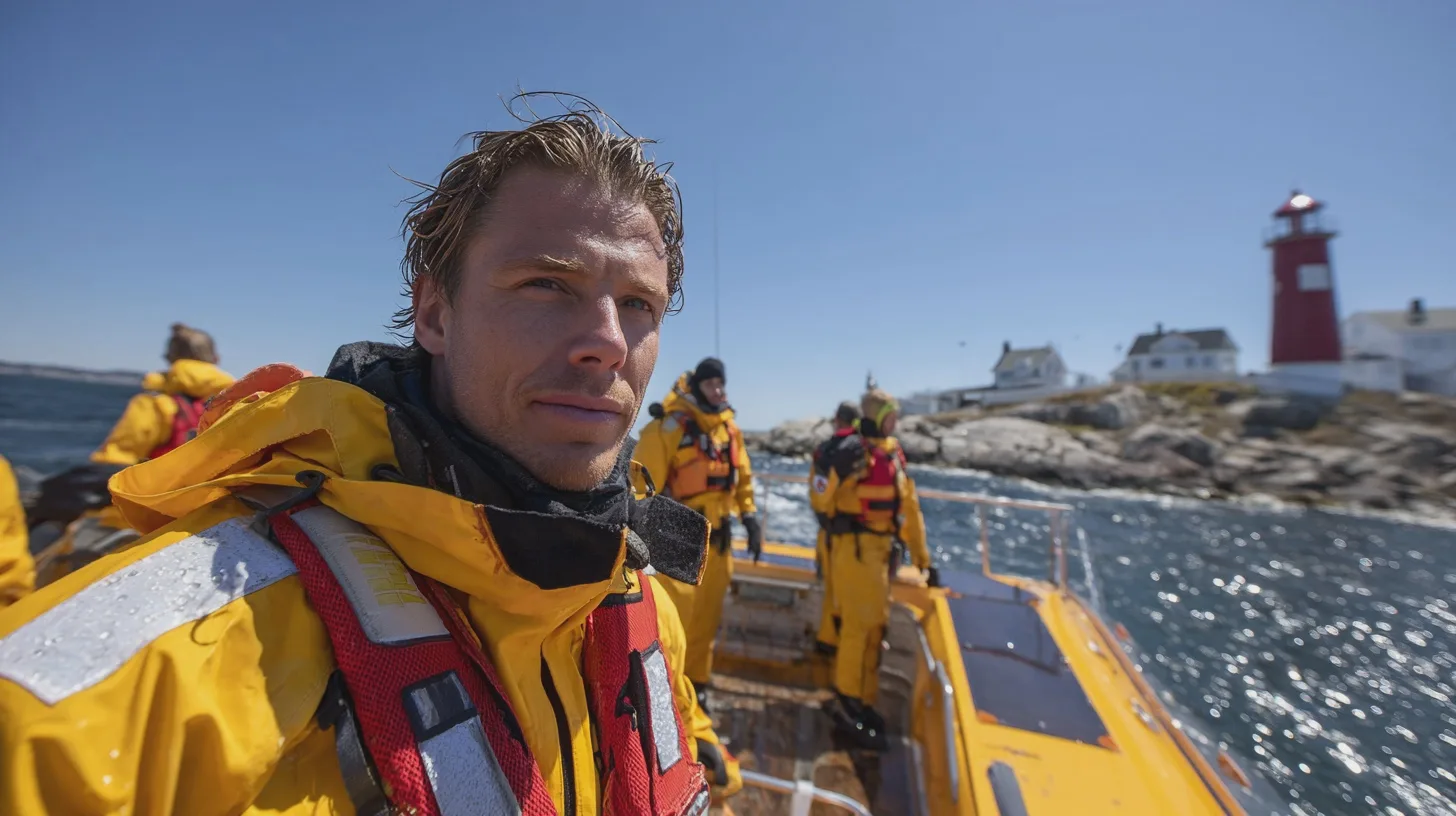
A pager goes off at three in the morning. Somewhere on the coast, a plumber, an accountant and a man who runs the local garage get out of bed, pull on their trousers over their pyjamas and drive to the boathouse. Twenty minutes later they are heading out to sea in the dark to look for someone they have never met.
That’s the RNLI, and almost all of it runs on volunteers. You might picture the crew in yellow helmets, but most of the people keeping it going never set foot on a boat. If you’ve reached the age where you want your spare time to count for something, there’s probably a job here for you, and it may not be the one you’re thinking of.
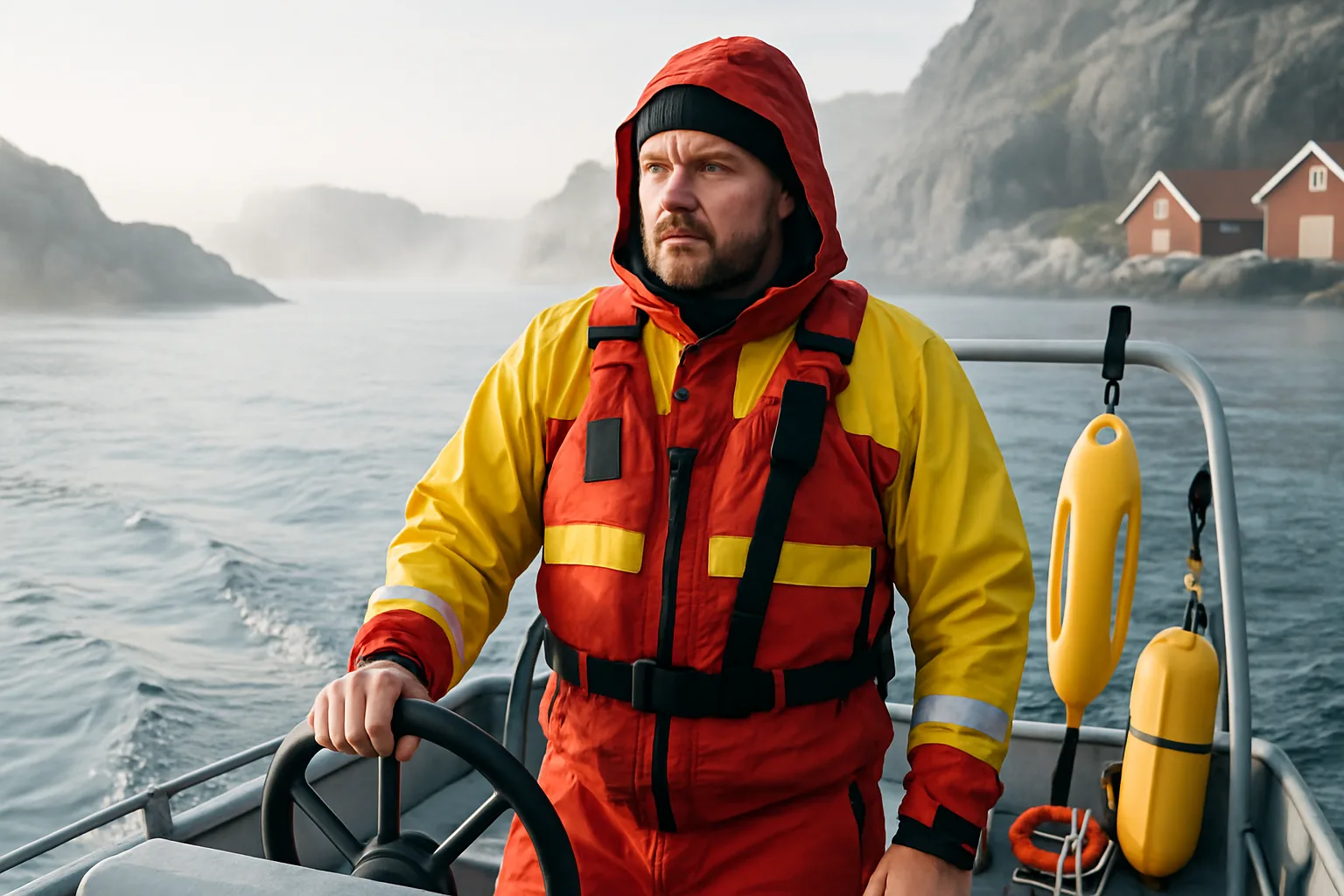
What does an RNLI volunteer actually do?
The Royal National Lifeboat Institution is a charity. It runs lifeboat stations around the coasts of the UK and Ireland, plus a few on inland waters, and the crews are mostly unpaid. A small number of staff run the organisation. Volunteers do most of the rest.
The roles fall roughly into three groups.
Lifeboat crew are the ones you see on the news. They go out on shouts, train every week and are on call whenever they’re around.
Shore crew get the boat into the water and back out again. Depending on the station, that could mean driving a tractor down the beach, working a slipway winch or handling a launching carriage in a heavy swell. No launch means no rescue, so this is not the support act.
Then there’s everyone else: shop volunteers, fundraisers, press officers, station visit guides, water safety volunteers who give talks to clubs and schools, and the people who count the money from the collection tins. The yellow wellies get the photos. This lot keep the lights on.
Am I too old to join an RNLI lifeboat crew?
Possibly, but don’t assume so. Age limits depend on the role and the type of lifeboat, and each station recruits for its own needs. When Craster RNLI in Northumberland put out a recruitment call, it asked for people aged 17 to 55 for inshore lifeboat crew and 17 to 65 for shore crew.
So if you’re 50, crew isn’t out of the question. If you’re 60, shore crew may well be. Your local station will tell you exactly what it needs.
Where you live matters as much as how old you are. Crew and shore crew need to reach the station fast once the pager goes. The Craster appeal asked for people who lived or worked within 15 minutes of the station. If your nearest lifeboat is an hour’s drive away, the operational roles aren’t practical, however keen you are.
Expect a medical and a fitness assessment before you join an operational team, and be honest about your health. If you’ve been more sofa than sea for the past decade, see your GP before you start training for it. Hauling a wet casualty over the side of a boat is not the same as a gentle parkrun.
The crew gets the headlines, but no lifeboat leaves the station without the people on shore.
How much time does it really take?
This is where you need to be straight with yourself and with whoever you live with.
Operational volunteers train regularly, usually on a set evening each week, and do more on top as they work through their competencies. Shouts don’t come at convenient times. They interrupt Sunday lunch, your daughter’s birthday and the second half of the match. Your employer has to be on side too. Plenty of crew rely on a boss who lets them leave work when the pager goes, and stations often ask about that early on.
The pay-off is real, though. You get professional-standard training in boat handling, navigation, first aid and sea survival. That’s worth a great deal and you won’t pay a penny for it. You also join a team that knows what it’s doing, which is a rarer pleasure than it ought to be by your fifties.
Fundraising and shop roles are far more flexible. A regular weekly shift, a few hours at a summer lifeboat day or a stint shaking a tin outside the supermarket all count. If you’re still working full time, this is the realistic way in.
Is there a role for me if I never go to sea?
Yes, and the skills you’ve built up over 30 years of working life are exactly what’s needed.
Spent your career in sales? Fundraising will suit you. Good with people and able to explain things clearly? Water safety volunteers talk to angling clubs, sailing clubs, schools and community groups about staying alive near the water. Can you write a decent sentence and stay calm on the phone? Stations need press officers who can get the facts of a rescue out quickly and accurately. Handy with a spreadsheet? Somebody has to do the treasurer’s job.
Station visit guides show the public round the boathouse, which is a fine job for anyone who likes a chat. Shop volunteers do the till, sort donations and price stock, and shops are often looking for people who can commit to a regular slot.
None of this needs you to be fit enough to climb a scrambling net in a force seven. All of it keeps boats on the water.
How do I get started?
Start with the RNLI’s own volunteering pages, which list current vacancies by location and role. Better still, turn up. Most stations have open days through the summer, and a conversation over a mug of tea at the boathouse will tell you more than any website.
Ask the obvious questions. Which roles are they short of? When do they train? What’s the age limit for each team? What would they need from your employer? Will they let you try it before you commit? Good stations want people who’ll stick around, so they’ll be honest with you.
Whatever you decide, learn the basics that the crews would most like everyone to know. If you’re in trouble in the water, or see someone else who is, ring 999 or 112 and ask for the Coastguard. And if you fall in, fight the urge to thrash about. Lean back, spread your arms and legs and float until the first shock of the cold water passes and you can get your breathing under control. The RNLI calls it Float to Live. It’s the cheapest bit of kit you’ll ever carry.

In short
Yes, you can volunteer with the RNLI in your forties, fifties or sixties, but which role suits you depends on your age, your fitness and how close you live to a station. Lifeboat and shore crew need to reach the boathouse within minutes and pass a medical, and the upper age limits vary by role, so check with your local station. Fundraising, shop, education and press roles are open to far more people, and the charity relies on them just as much.
Sources

Midcent Home & Leisure
Alistair Ives writes about the home and the weekend for men 45 and over: DIY, renovation, the garden, the outdoors and the hobbies worth the time. What a job really costs, what you can do yourself, and when it's worth paying someone who knows.
One of Midcent's writers. Spotted something? Write to alistair@midcent.uk.