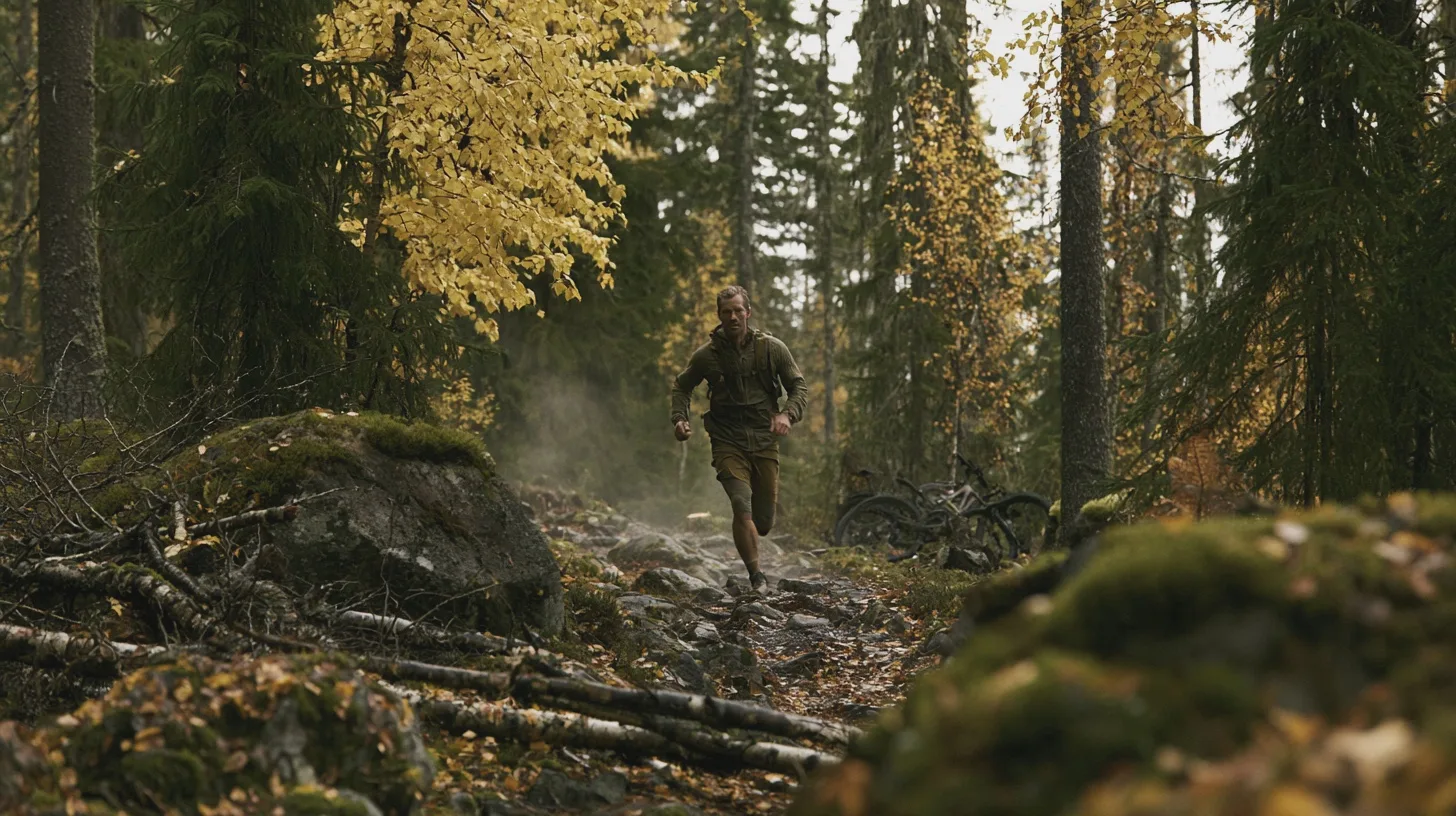
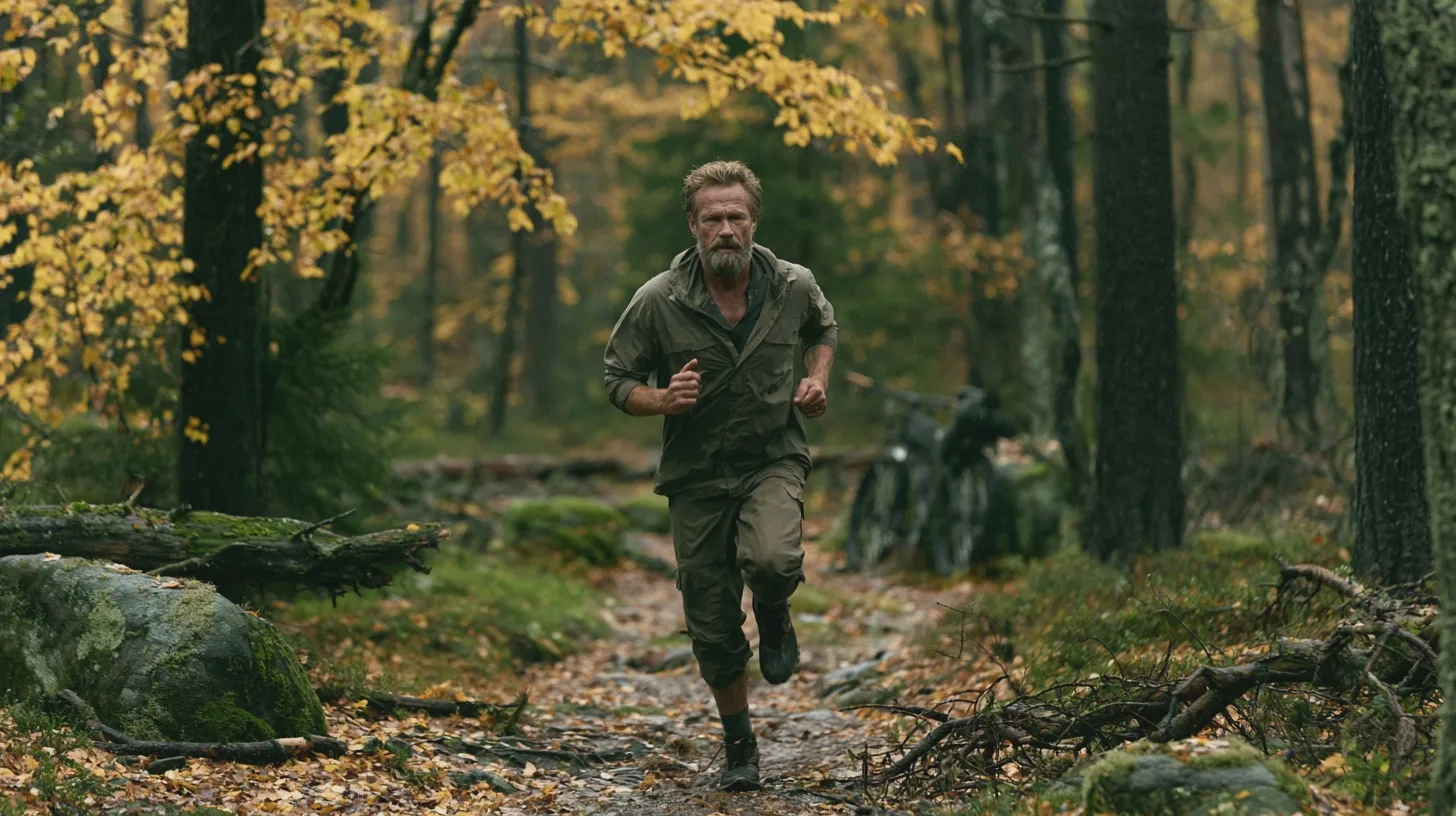
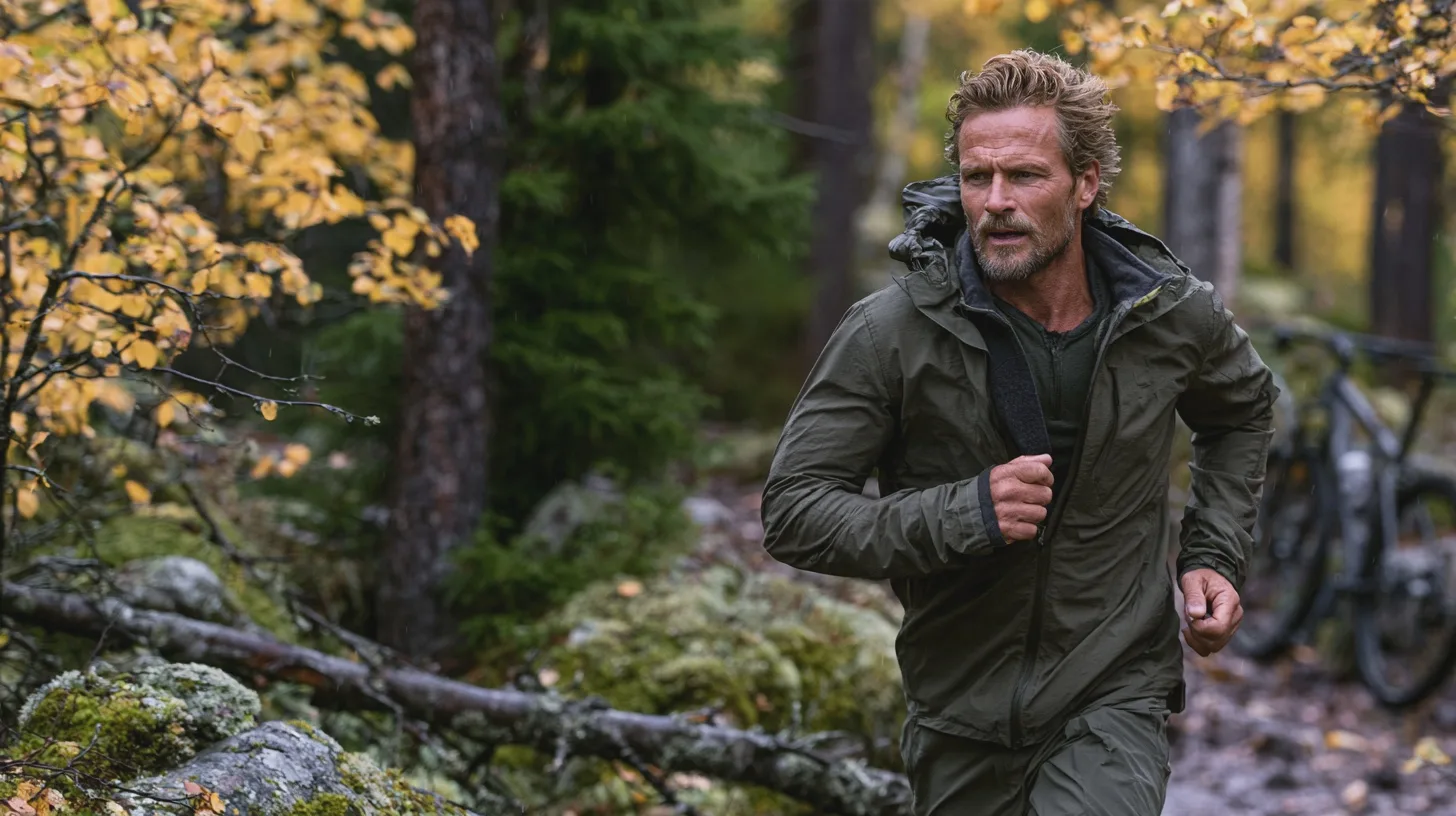
Hill walking, muddy trail runs, splitting logs and cold-morning bike rides work your whole body. Here is how to make autumn your fittest season without the gym.
Reviewed, edited and approved by Editor-in-chief Daniel Sköld · Updated 24 October 2026
Contents
Summer has a way of making you soft. Long evenings, barbecues, a pint in the garden that turns into three. Then September comes, the light changes, and your legs remind you how long it’s been since they did anything harder than mowing the lawn.
The good news is that autumn might be the best season of the year for getting fit outdoors. It’s cool enough to work hard without cooking, the landscape looks its best, and plenty of the jobs and pastimes it brings with it are proper full-body training in disguise. You just need to treat them that way.
AD
Why autumn suits the middle-aged body
Heat is overrated as a training partner. Once the temperature drops into single figures and the low teens, your heart doesn’t have to work as hard to cool you down, so the same effort feels easier and you can keep going for longer. That’s why so many runners set their best times in October.
There’s a less obvious benefit too. The UK Chief Medical Officers’ guidelines ask adults for at least 150 minutes of moderate activity a week, or 75 minutes of vigorous activity, plus something that builds strength on at least two days. Most of us manage the first part on a good week and forget the second altogether. Autumn activities happen to cover both: a steep walk or a hilly ride for the heart and lungs, and lifting, carrying and swinging for the muscles.
If you’ve been mostly sedentary, or you have a heart condition, high blood pressure or a dodgy joint, have a word with your GP before you go from nothing to everything. Start gently and build up over a few weeks.
Is hill walking enough exercise to get fit?
For most men in their late forties and fifties, yes, provided there’s a hill in it. Walking on the flat is good for you, but climbing is where it starts to count. Going uphill works your glutes, thighs and calves under real load, and coming down makes the muscles work while they lengthen, which is what builds strength and, if you overdo it, what leaves you walking like a cowboy two days later.
Add a rucksack with water, a flask and a spare layer, and you’re doing a mild version of the weighted marches soldiers train with. Walking poles take some strain off the knees on the way down and get your arms and shoulders working on the way up.
The kit that matters in autumn is a waterproof jacket that actually keeps the rain out, footwear with decent grip for wet rock and leaf-covered paths, and a warm layer you can put on at the top. Hill weather turns fast. Check a mountain-specific forecast rather than the town one, carry a map and know how to read it, and tell someone where you’re going. The clocks go back on the last Sunday in October, and the afternoon light goes much earlier than you expect, so carry a head torch even on a short day out.
Follow the Countryside Code in England and Wales, and the Scottish Outdoor Access Code north of the border: shut gates behind you, keep dogs under control around livestock, and take your litter home. If you’d rather not go alone, a local walking group is a good way to find new routes and some company.
Is trail running easier on the knees than road running?
It’s often gentler, although that isn’t quite the same as easier. Soft ground absorbs more of the impact than tarmac, and because the surface keeps changing, no two strides land exactly the same way. That spreads the load around instead of hammering the same bits of joint over and over.
The catch is that uneven ground makes your ankles, hips and core work much harder to keep you upright. That’s partly the point, because it builds the sort of balance and stability that tends to fade quietly after 50. It also means you should forget about your pace. On a muddy trail with a climb in it, walking the steep bits is perfectly normal, and experienced fell runners do it all the time.
A pair of trail shoes with deep lugs makes a huge difference once the mud arrives, and road shoes on wet grass are an accident waiting to happen. If you’d like to ease into it with other people, many parkruns are on grass or woodland paths, they’re free, and they happen every Saturday morning. Plenty of people walk the whole 5k.
The best autumn training doesn’t feel like training. It feels like a job that needed doing or a view that was worth the climb.
AD
Splitting logs: the original strength and conditioning session
If you have a wood burner, you already own a strength workout. Swinging a splitting maul uses your legs, hips, back, core, shoulders and grip in one movement, and an hour of it will leave your heart rate where a spin class would. Stacking and carrying the logs afterwards counts as loaded carries, which personal trainers charge good money to supervise.
Technique matters more than force. Stand with your feet a little wider than your shoulders, let your hands slide together as the maul comes down, and bend your knees as you strike so the head finishes low and away from your shins. Use a sturdy chopping block at a sensible height, so you aren’t hitting things at ground level. Wear safety boots, safety glasses and gloves, and keep children and dogs well back. A maul with a heavy, wedge-shaped head does most of the work for you, so you don’t need to swing it like a sledgehammer.
Whatever you split, let it season properly before you burn it. Wet wood smokes, tars up your flue and gives out little heat. In England, rules introduced in 2021 mean that wood sold in small quantities has to be dry enough to carry the Ready to Burn mark, and the same logic applies to your own woodpile: split it, stack it under cover with air moving through it, and give it time. Have your chimney swept before the burning season starts.
Cycling through the leaves without ending up in a hedge
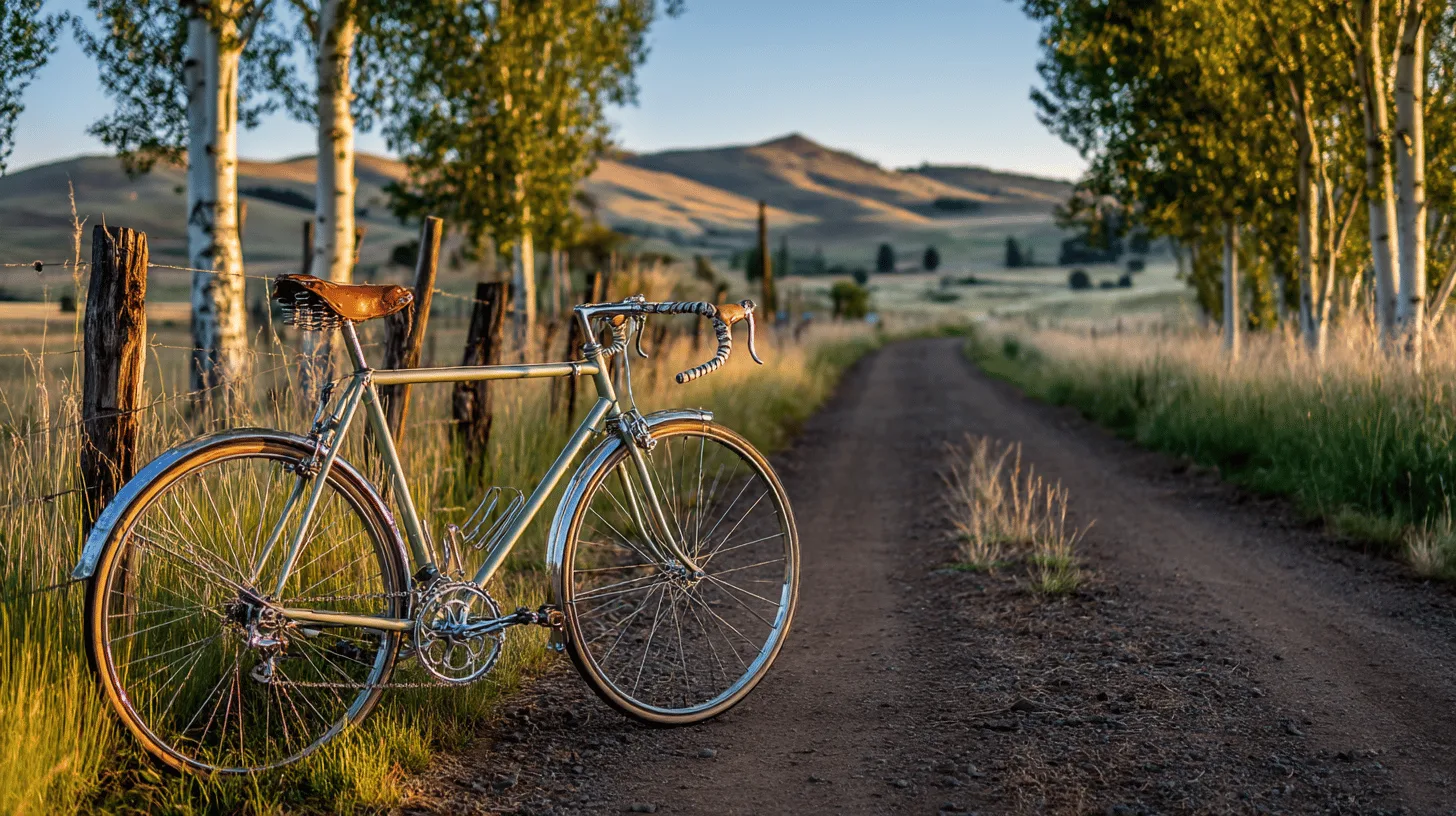
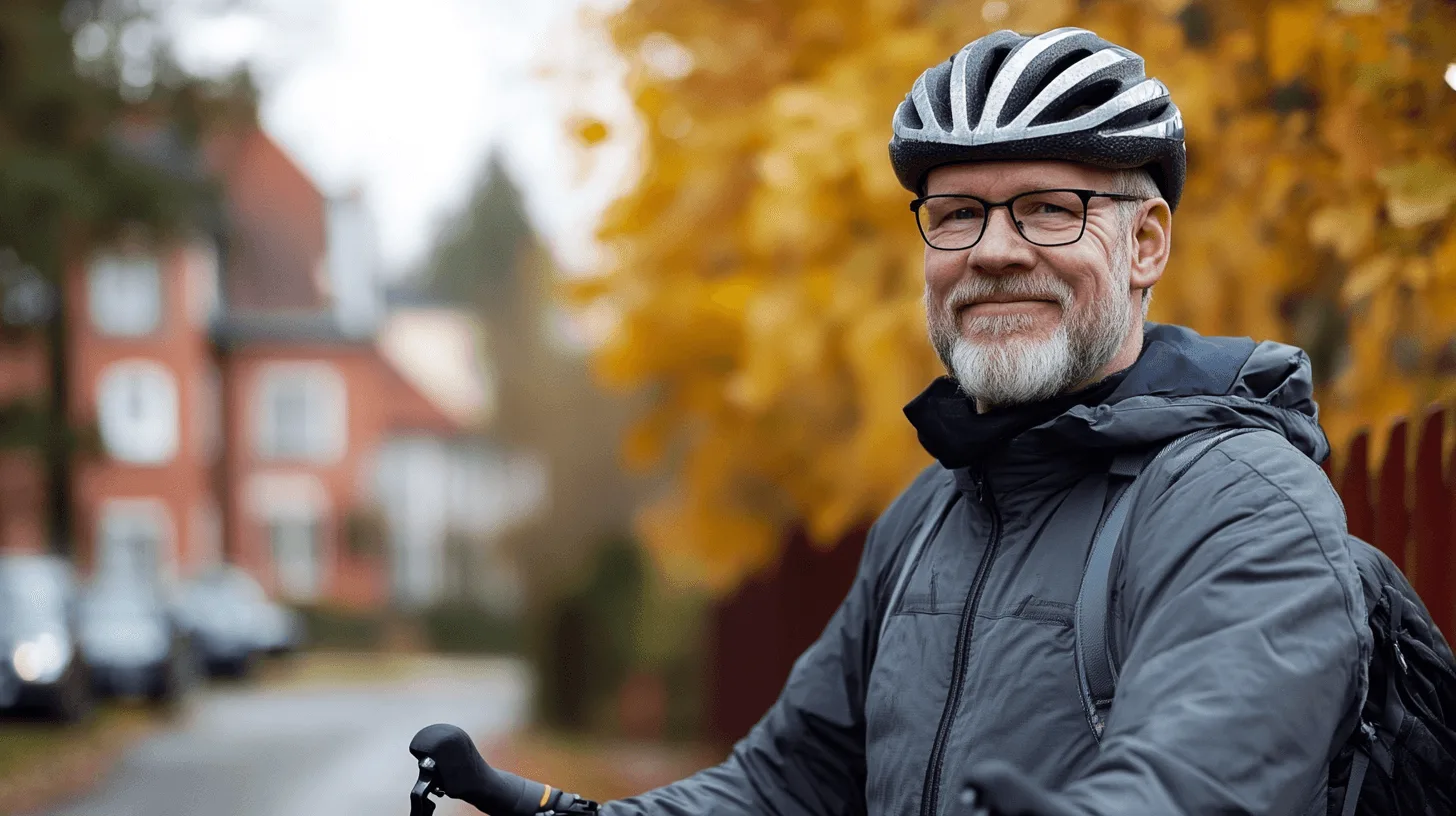
Autumn rides are a joy, with empty lanes and cool air, and you can do serious hill work without dripping all over your top tube. Cycling is also kind to joints, which makes it a good partner to the walking and running above. Ride hard on hills one day and spin easily on the flat on another, and you’ll build fitness without grinding yourself down.
The roads are the problem. Wet leaves are almost as slippery as ice, especially on bends and painted road markings, and mud washed off fields gathers at gateways. Slow down before corners rather than in them, and let a little air out of your tyres for better grip. Mudguards will make you far more popular with anyone riding behind you.
Lights aren’t optional. By law, if you ride on the road between sunset and sunrise you need a white front light, a red rear light, a red rear reflector and amber pedal reflectors. Given how early it gets dark from late October, carrying lights on every ride is the simple answer. A bright jacket or some reflective detail on your ankles makes you much easier for drivers to spot.
Making the aches work for you
The stiffness you feel a day or two after a new activity is normal. It usually peaks somewhere between 24 and 72 hours afterwards and then fades. That isn’t a reason to stop, but it is a reason to build up gradually rather than going all out on the first weekend. Sharp pain, swelling or pain in a joint is different, so stop and get it looked at.
Mix things up through the week: a long walk at the weekend, a short trail run or ride midweek, and a session at the woodpile when you have one. Eat properly afterwards, drink more than you think you need even on cold days, and give yourself a proper rest day. You’ll get through the winter fitter than you went into it, and you’ll have a woodshed full of logs to show for it.
In short
Autumn is an ideal time for men in midlife to get fit outdoors, because cooler air makes hard effort easier and seasonal activities work the whole body. Hill walking and trail running build leg strength and balance, splitting and carrying logs builds real-world strength, and cycling adds low-impact cardio. Build up gradually, dress for changeable weather, use lights after dark, and check with your GP first if you’re returning after a long break.
Alistair Ives writes about the home and the weekend for men 45 and over: DIY, renovation, the garden, the outdoors and the hobbies worth the time. What a job really costs, what you can do yourself, and when it's worth paying someone who knows.
Dark evenings and wet roads need not end your riding. Set up your bike for British weather, make indoor sessions count and know when to stay off the road.
Chess is often sold as a workout for the brain that might hold off dementia. Here is what the evidence actually shows, and why joining a club could still be the smart move.
Garden saunas are having a moment in Britain. Before you order a barrel and a stove, here’s how planning, Building Regulations and smoke control rules affect your build.