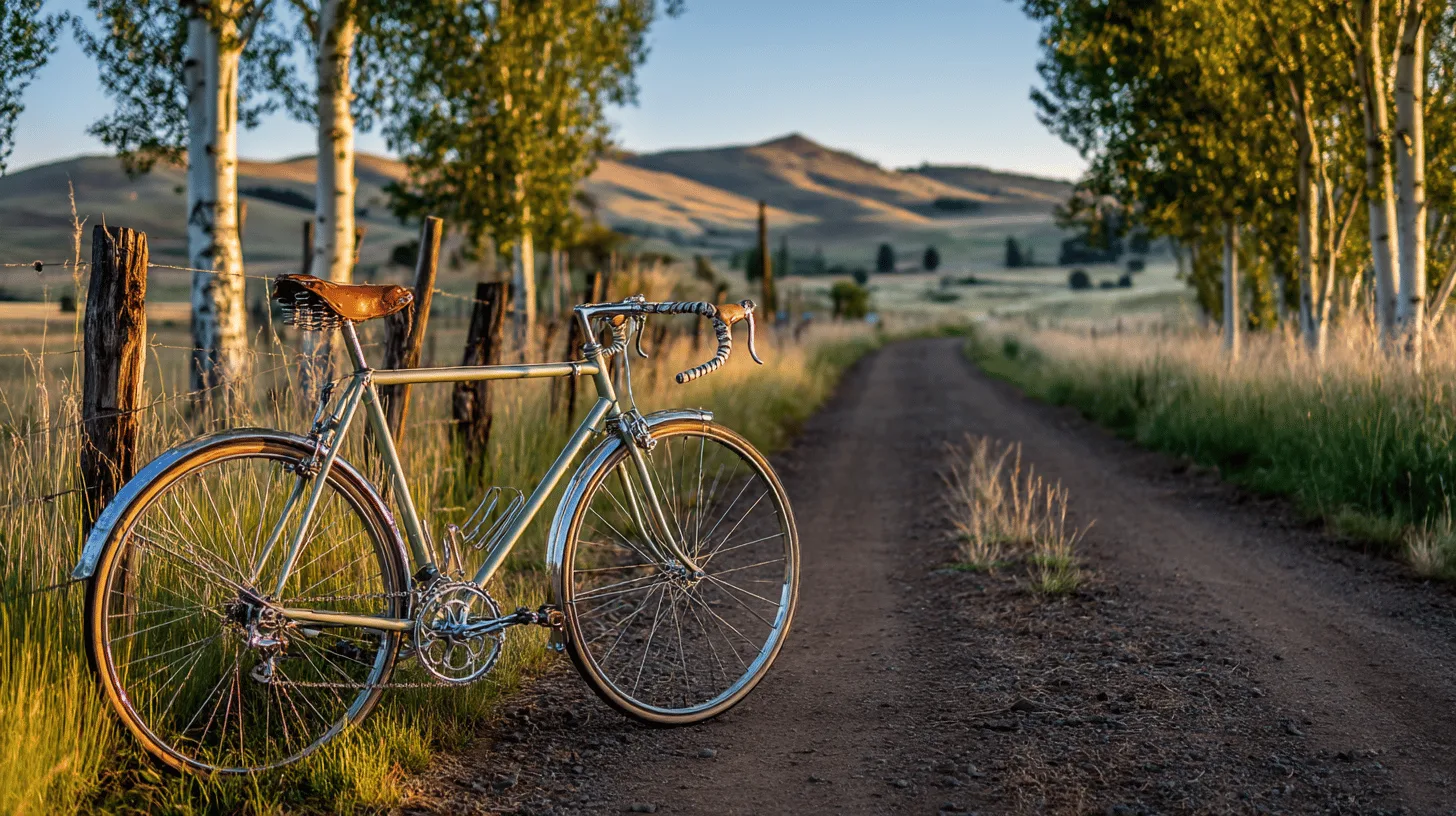
Somewhere along the way, cycling in Britain got hijacked. The usual picture is a man in his fifties dressed like a wasp, grinding up a hill at 7am on a bike worth more than your car and arguing about watts at the café stop.
You can do that if you like, but you don’t have to. Riding a bike in normal clothes, at a pace where you can still talk, to a pub, a garden centre or nowhere in particular, is one of the best things you can do for your body and your weekend. You just need the right setup, a comfortable backside and maybe a little help from HMRC.

Is cycling actually good exercise if you take it easy?
Yes. That’s the point. The UK Chief Medical Officers recommend 150 minutes of moderate activity a week for adults, and a government evidence review says the easiest way to get it is through everyday activity like walking and cycling. Moderate means you’re breathing harder but can still hold a conversation. That’s a gentle pootle, not a time trial.
The same review found that people who walk or cycle have better metabolic health and a lower risk of dying early, along with a lower risk of heart disease, type 2 diabetes and some cancers. It also found links to better sleep, a lower risk of dementia and a greater sense of wellbeing. None of that requires you to own a heart-rate monitor.
Cycling is also kind to joints that have done 50-odd years of football, squash and carrying flat-pack furniture upstairs. Your weight sits on the saddle rather than your knees, which is why plenty of men who’ve had to give up running find they can ride for hours.
If you haven’t done much for a while, or you have a heart condition, high blood pressure or joint problems, have a word with your GP before going from nothing to a 40-mile Sunday. Then start with half an hour on the flat and build up from there.
Which bike should you buy for relaxed riding?
For most people riding for fun, a hybrid is the sensible choice. You get a more upright position than on a road bike, wider tyres that cope with towpaths and forest tracks, flat handlebars and usually room for mudguards and a rack. It’s the estate car of bikes: not glamorous, but it’ll do almost everything.
Flat pedals let you ride in trainers or walking boots, so you can get off and look round a village without clacking about in cleats. Mudguards are worth fitting in this country. Without them, a wet ride leaves a brown stripe up your back. Lots of gears make hills easier. Low gears aren’t cheating. They’re engineering.
Buy from a proper bike shop if you can, and ask them to set the bike up for you. A frame that fits and a saddle at the right height will make more difference to your comfort than any upgrade. Too low and your knees complain; too high and your hips rock. As a rough guide, your leg should be almost straight at the bottom of the pedal stroke.
The saddle problem, solved
Saddle pain is the main reason middle-aged men give up cycling, and most of it can be fixed. The instinct is to buy the widest, squishiest saddle in the shop. That’s often a mistake. On a longer ride, deep soft padding squashes into the soft tissue you really don’t want pressure on. What you want is a saddle wide enough to support your sit bones, the two bony points you actually sit on. Many bike shops can measure them.
Get the angle level, or very nearly. If the nose points up, you’ll feel it where you’d rather not. If it points down, you’ll slide forward and put your weight on your hands.
And here’s the secret the Lycra brigade won’t tell you: padded cycling undershorts exist. They look like ordinary underwear and go under normal shorts or trousers, so nobody knows. Wear them without pants underneath, as they’re designed to be worn. Some numbness in the first week or two is normal while you get used to the saddle. Numbness that keeps coming back isn’t. Change the saddle or get a bike fit.
The best bike is the one you’re comfortable enough to ride again next weekend.
Can you get an e-bike through the Cycle to Work scheme?
You can, and for many readers this is what makes it all add up. The Cycle to Work scheme lets your employer hire you a bike and safety kit through salary sacrifice. The cost comes out of your gross pay, so you don’t pay income tax or National Insurance on that part of your salary. The hire usually lasts 12 months, and at the end you can normally buy the bike for a small fee, carry on hiring it or hand it back.
The old £1,000 limit has gone. The Department for Transport’s refreshed guidance makes clear that employers can offer bikes worth more than that, e-bikes included, as long as the scheme is run by a provider authorised by the Financial Conduct Authority. So it’s now realistic to get a decent e-bike this way.
A few catches. You have to be paid through PAYE, so the self-employed can’t use it. The sacrifice can’t take your pay below the National Minimum Wage. Because your salary is lower, it can slightly reduce anything worked out from it, such as some pension contributions, so check before you sign. Your savings also depend on your tax band, and Scotland has different income tax rates from the rest of the UK. The guidance suggests insuring the bike on your home insurance, and you’ll need to tell your insurer that someone else owns it.
The scheme is supposed to be for getting to work, but you don’t have to cycle in every day. Lots of people use it for occasional commutes and ride the bike mostly at weekends.
E-bikes: what the law says and why you might want one
An e-bike doesn’t do the work for you. It just takes the edge off the hills and the headwinds. That means you’ll ride further, more often, and arrive at the pub without needing a lie-down. Older riders often end up doing more exercise on an e-bike than on a normal bike, simply because they get it out of the shed.
In Great Britain, a legal e-bike is called an electrically assisted pedal cycle, or EAPC. It must have pedals, its motor can’t be rated above 250 watts, and the motor must stop helping once you reach 15.5mph. If it meets those rules, you need no licence, registration, tax or insurance, and you must be 14 or over to ride one. Anything more powerful, or with a throttle that goes faster, counts as a motor vehicle in law. Be wary of cheap online bikes that can be ‘unlocked’. Northern Ireland has its own rules, so check locally if you live there.
Expect to pay more for an e-bike than for a normal hybrid, and budget for a good lock, because thieves love them. Store and charge the battery as the maker recommends, use the charger that came with it, and don’t leave it charging overnight in a hallway that’s your only way out.
Where to ride, and with whom
Since January 2022, the Highway Code has put cyclists above drivers in its hierarchy of road users, and it lets you ride in the centre of the lane on quiet roads where that’s safer. You’ll still feel happier on canal towpaths, old railway lines and quiet lanes, especially at first.
Off-road, the rules depend on where you live. In England and Wales you can cycle on bridleways and byways but not on public footpaths, and you should give way to walkers and horse riders. In Scotland, the Scottish Outdoor Access Code gives you access rights to most land as long as you ride responsibly. Wherever you are, follow the Countryside Code: shut gates, slow down near livestock and take your litter home. An OS map or app will show you which paths you’re allowed to ride.
If you’d like company, British Cycling’s Let’s Ride site lists free guided rides led by trained local leaders, graded from easygoing upwards. Your partner might like Breeze, its women-only programme, where rides go at the pace of the slowest rider. Cycling UK and local clubs run social rides too, and plenty of them stop for cake about every 15 miles.
In short
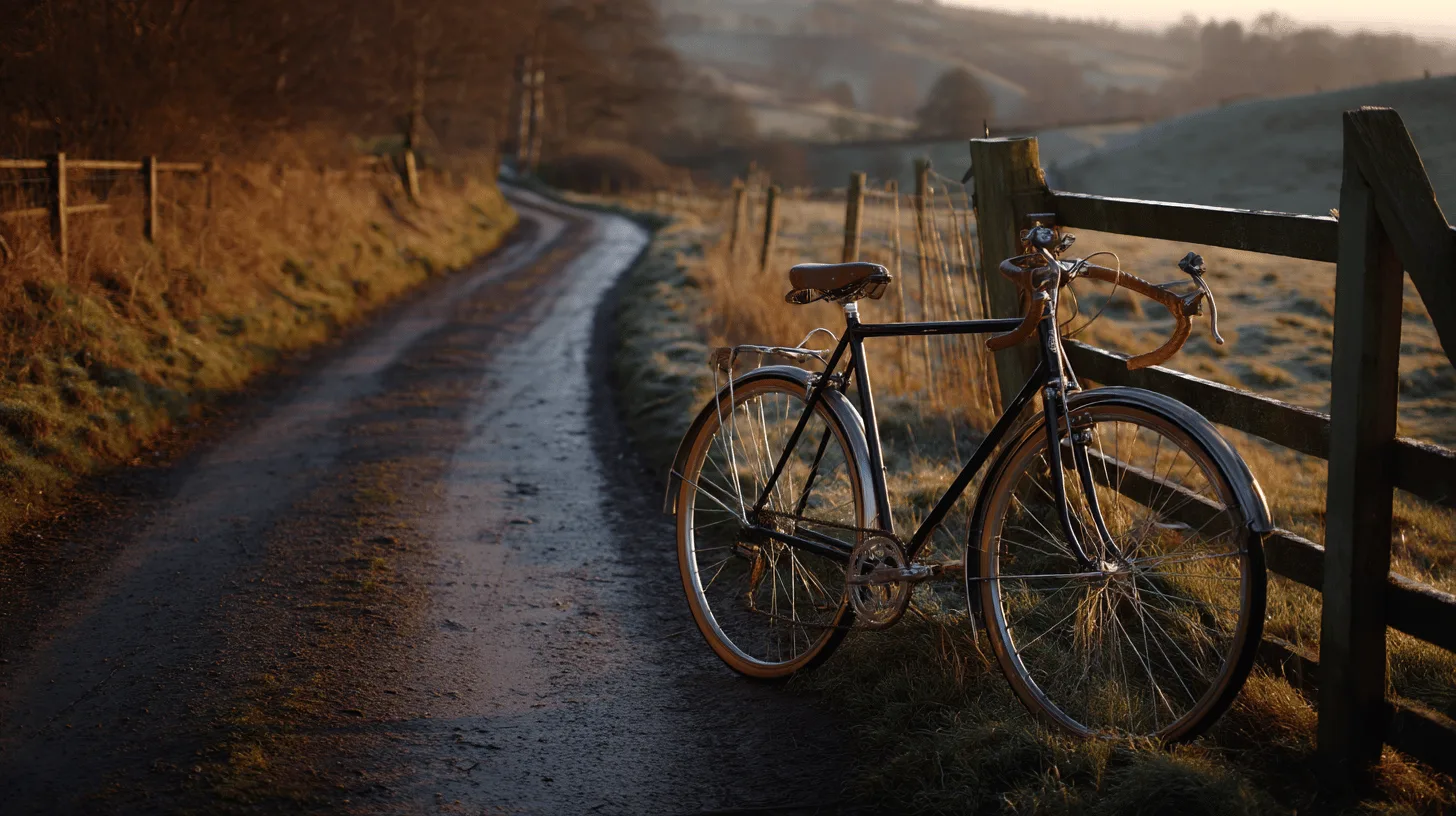
Riding gently in ordinary clothes counts as proper exercise and helps with everything from heart health to sleep. Buy a hybrid or e-bike that fits you, choose a saddle that supports your sit bones rather than the widest one going, and wear padded undershorts. If you’re paid through PAYE, the Cycle to Work scheme can save you income tax and National Insurance on the bike, and an e-bike can now go through it too.
Sources

Midcent Home & Leisure
Alistair Ives writes about the home and the weekend for men 45 and over: DIY, renovation, the garden, the outdoors and the hobbies worth the time. What a job really costs, what you can do yourself, and when it's worth paying someone who knows.
One of Midcent's writers. Spotted something? Write to alistair@midcent.uk.