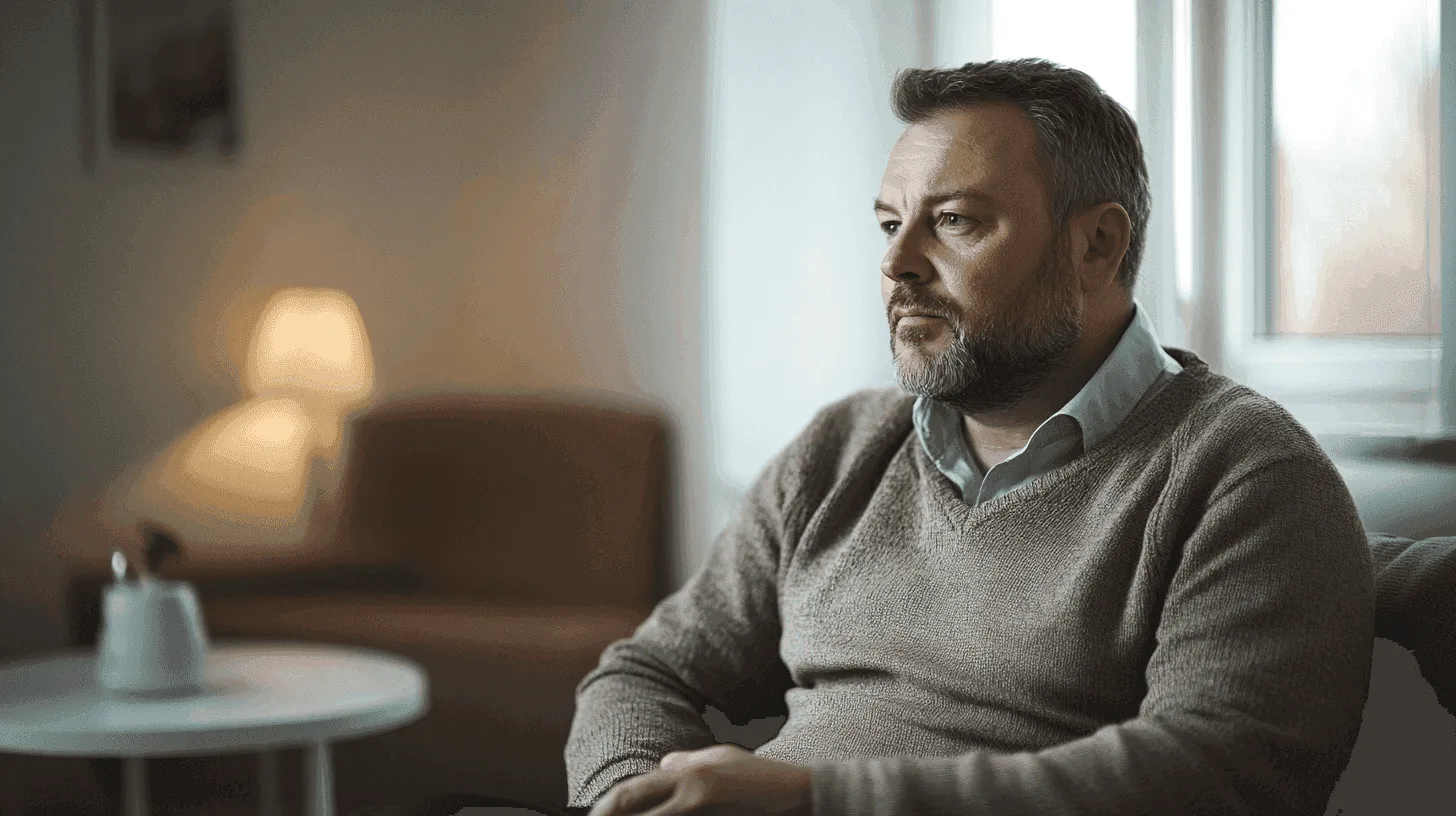
You walk into a room and forget why. At 50, that can feel less like a joke and more like an unwelcome preview of old age. Most lapses like this are not dementia, but the worry is real.
The useful question is not how to guarantee a razor-sharp brain at 100. Nobody can. It is what you can do in midlife to improve your odds — without buying a drawerful of supplements or making crosswords your second job.

Can you really lower your risk of dementia?
Yes, though lowering risk is not the same as preventing every case. Age and some inherited factors are beyond your control. Dementia is not, however, an inevitable part of ageing, and there is good evidence that looking after your general and cardiovascular health can reduce your risk.
That matters particularly in midlife. High blood pressure, diabetes, high cholesterol and smoking can damage blood vessels, including those supplying your brain. Depression, hearing loss and social isolation are also associated with dementia risk. Some of these relationships are complicated: an association does not always prove that fixing one thing will prevent dementia.
So be suspicious of any neat claim that a particular habit will ‘stop Alzheimer’s’. The better approach is less glamorous: notice risks you can act on, get help where you need it and keep doing the basics. Your future self may be grateful, even if he still occasionally forgets where he put his glasses.
Which health checks matter most in your 40s and 50s?
Start with blood pressure. It often causes no obvious symptoms, which makes guessing your reading a poor strategy. Ask your GP practice or a pharmacy about getting it checked, and discuss a raised result with a clinician rather than diagnosing yourself from one number.
It is also worth knowing where you stand on cholesterol and diabetes risk, especially if you have a family history or other risk factors. If you already live with diabetes or high blood pressure, keeping up with your agreed care plan matters. Do not start or stop medicines because an article — including this one — mentioned dementia.
In England, eligible adults aged 40 to 74 are offered a free NHS Health Check every five years. It looks for risks such as heart disease, stroke and diabetes; it is not a dementia screening test. Eligibility depends on your medical history, so ask your GP practice if you think you have missed an invitation. There is no identical nationwide NHS Health Check offer across Scotland, Wales and Northern Ireland. If you live in one of those nations, ask your GP practice about blood pressure, cholesterol and diabetes-risk checks available to you; pharmacies may also offer blood pressure checks locally.
The brain-health plan worth following looks remarkably like a heart-health plan you can live with.
Make movement and meals do the unglamorous work
The NHS recommends at least 150 minutes of moderate activity a week, or 75 minutes of vigorous activity, plus strengthening work on two days. Brisk walking counts: you should be able to talk, but not sing. A walk at lunchtime, a cycle to the shops or a dance class can all fit; you do not need to develop an interest in expensive Lycra.
If you are starting from little activity, build up gradually. Break up long stretches of sitting, too. If you have a medical condition or concerns about exercising, speak to your GP about what is suitable. The aim is a routine you can repeat, not an impressive fortnight followed by a month recovering.
For food, favour a balanced pattern with vegetables, fruit, wholegrains and other sources of fibre, while keeping foods high in salt, sugar and saturated fat in check. This helps you manage weight, blood pressure and cholesterol. No single ‘brain food’ cancels out a diet that otherwise works against you, and there is no need to pretend you enjoy kale.
If you smoke, getting support to quit is a better bet than any brain-health gadget. If you drink, the UK low-risk guideline is not to regularly exceed 14 units a week; if you drink as much as that, spread it over three or more days and include drink-free days. It is a ceiling, not a target. These steps also have benefits well beyond dementia risk, including for your heart.
Do not overlook your ears, eyes and other people
Struggling to follow conversation in a noisy pub is easy to dismiss. But hearing loss is linked with dementia risk and can make it harder to stay involved with other people. If your hearing is gradually worsening, see your GP. They can check for a treatable cause and refer you for an NHS hearing test if appropriate. A hearing aid can help you hear and communicate; it is not a proven personal guarantee against dementia.
Untreated vision loss has also been identified as a dementia risk factor. If your sight changes, arrange an assessment with an optometrist rather than simply turning up the brightness on your phone. Looking after hearing and sight is worthwhile in its own right, whatever the eventual effect on dementia risk.
Keep a place for people in your week as well. A walking group, volunteering, five-a-side or a regular call with a friend can bring movement, conversation and connection together. Loneliness and untreated depression deserve attention, not a brisk instruction to cheer up. If low mood is sticking around, talk to your GP.
Do brain games or supplements prevent dementia?
There is no strong evidence that commercial brain-training games prevent dementia. If you enjoy puzzles, carry on; if not, you are not neglecting your brain by declining a subscription. Reading, learning something new and doing things with other people can be rewarding, but they are not substitutes for managing cardiovascular risks.
There is also no convincing evidence that over-the-counter ‘memory’ supplements prevent dementia. A deficiency may need assessment and treatment, which is a different matter from taking vitamins just in case. Ask your GP or pharmacist before spending money on a product that promises more than the research can deliver.
Finally, prevention advice is not an answer to symptoms. If memory or thinking problems persist, affect daily life or worry you, book a GP appointment. Stress, poor sleep, depression, thyroid problems and medicines can all play a part, so it is worth finding out what is going on. Sudden confusion is different: seek emergency help through 999 or A&E. For urgent, non-emergency advice, use NHS 111 in England, Scotland or Wales; in Northern Ireland, contact your GP out-of-hours service when your practice is closed.

In short
You cannot guarantee that you will avoid dementia, but you can lower your risk by staying active, not smoking, drinking within UK guidance and looking after your blood pressure and other cardiovascular risks. Get changes in hearing or sight assessed, stay connected with people and speak to your GP about persistent memory problems. Brain games and supplements are not proven shortcuts.
Sources

Midcent Health
Adrian Irving writes about health for men 45 and over who would rather do something than worry. Training, weight loss, sleep, cholesterol and blood tests, heart health, testosterone, the prostate, mental health and your sex life – what the evidence says, what's worth trying, and when it's time to see your GP.
One of Midcent's writers. Spotted something? Write to adrian@midcent.uk.