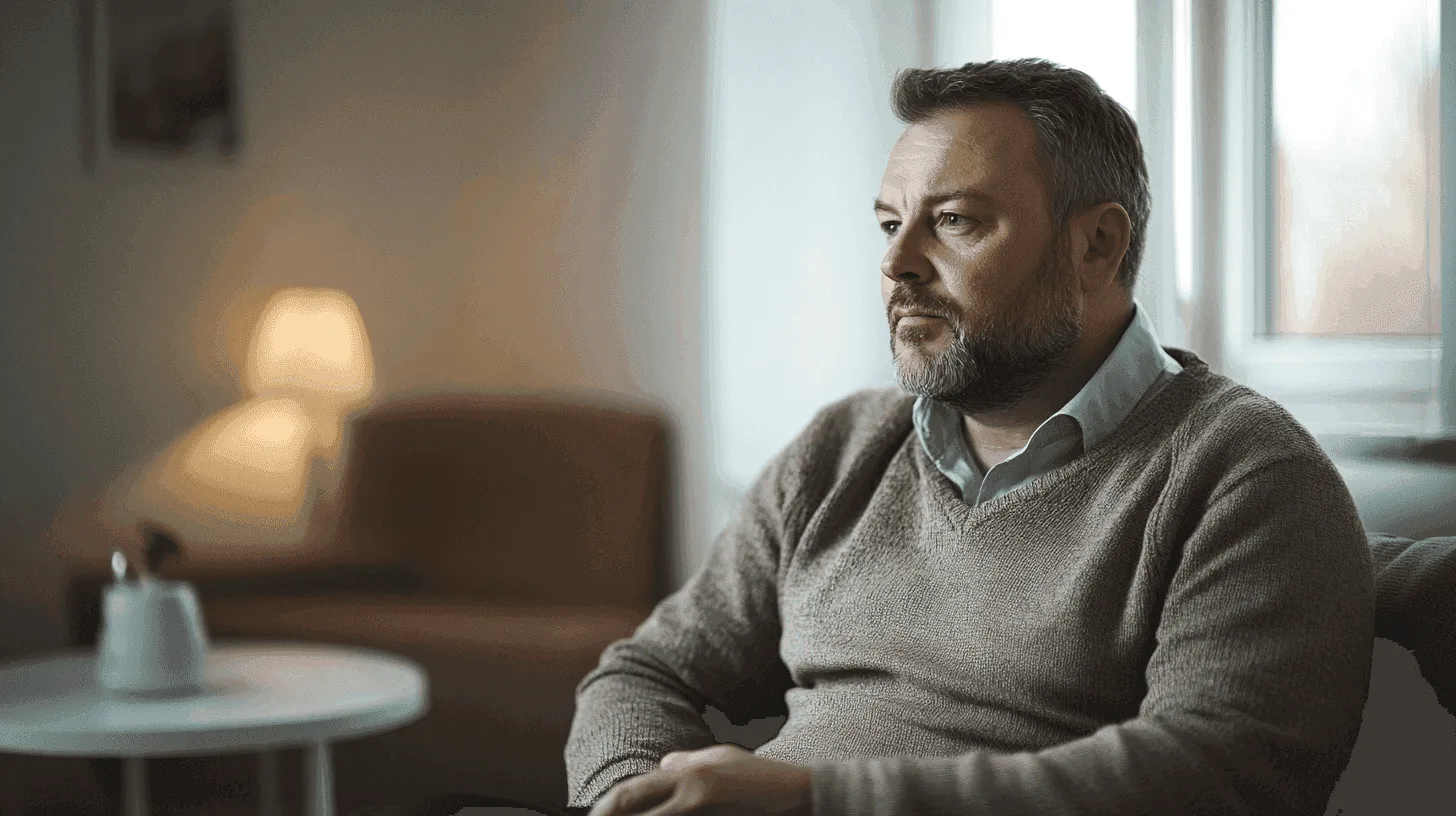
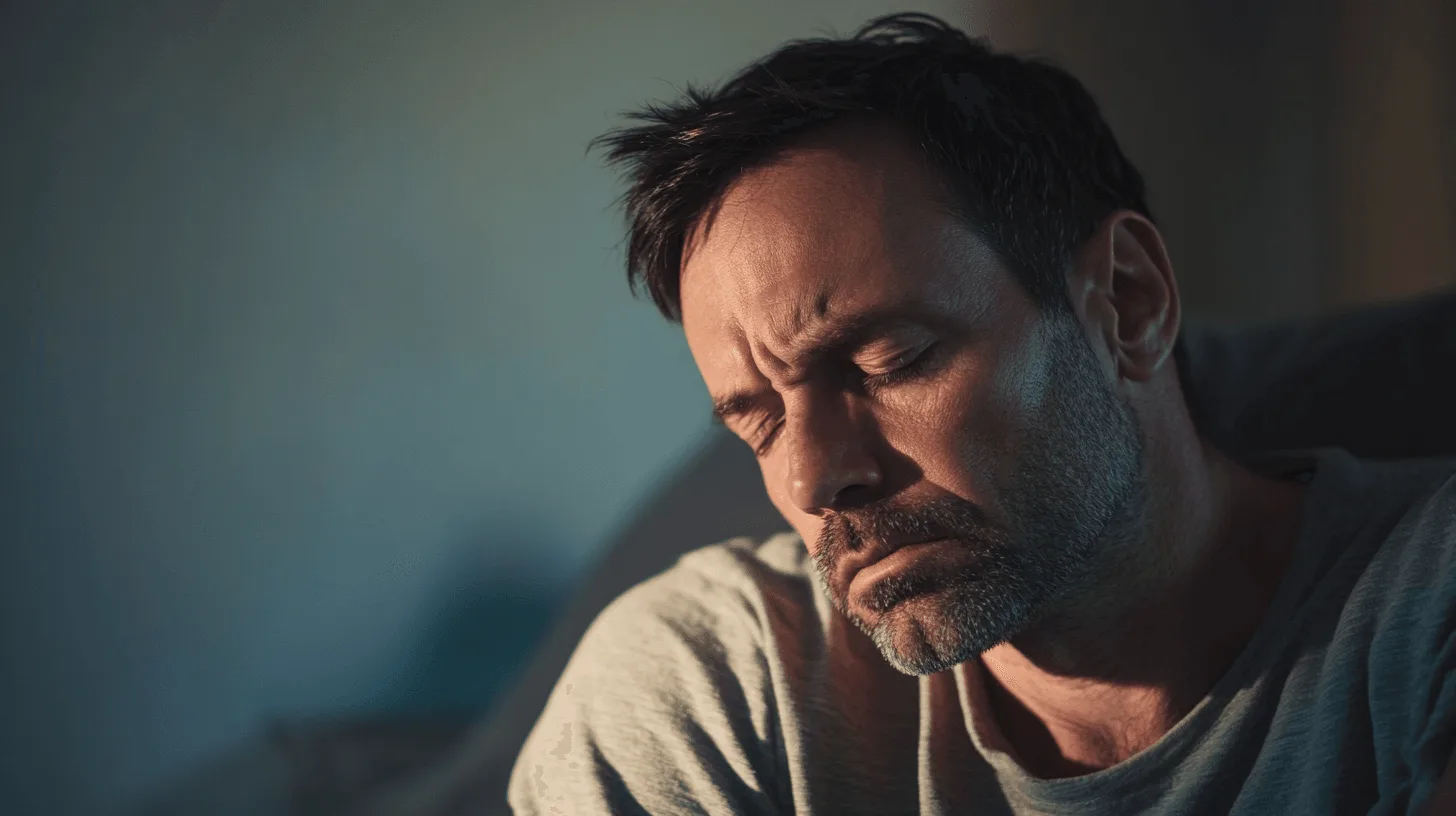
You can have a miserable Tuesday without having depression. The boiler breaks, work is relentless and someone asks whether you have tried going for a walk. By Wednesday, you would quite like to avoid everyone.
But what if Wednesday becomes next Wednesday, and even the things you normally enjoy feel like chores? The useful question is not whether you feel sad enough to qualify. It is whether something has changed, how long it has lasted and what it is doing to your life.

Is it depression or just a bad spell?
A bad spell often has a shape: you know what has upset you, your mood shifts at times, and a decent night’s sleep or a conversation makes some difference. Low mood can follow bereavement, money worries, illness, caring responsibilities or trouble at work. Having a reason to feel awful does not make the feeling trivial.
Depression is more likely to be worth investigating when low mood or loss of pleasure is there for most of the day, nearly every day, for more than two weeks. The NHS also asks you to consider the effect on work, relationships and everyday activities. Two weeks is a prompt to seek help, not a test you must pass before you are allowed to ask for it.
Ask yourself what has stopped feeling worthwhile. Do you still look forward to seeing a mate, watching the match or getting out on your bike? Are you managing the usual jobs but finding that each one takes a ridiculous amount of effort? Notice whether there are moments of relief, whether things are improving, and whether people close to you have noticed a change.
Nor does a clear trigger settle the question. Grief is a natural response to loss; depression can also develop alongside bereavement or other difficult events. You do not need to work out which label fits before speaking to someone.
Can depression look like anger or exhaustion?
Yes. You may not feel particularly tearful. You might be unusually irritable, snap at your family, retreat from friends or lose interest in hobbies. Concentration can go, making a familiar job feel oddly difficult. Hopelessness and a sense that you are letting everyone down may be harder to say aloud than ‘I’m stressed’.
There can be physical changes too: poor sleep or sleeping more, low energy, changes in appetite, aches and pains, or a lower sex drive. None of these proves you have depression. They are worth mentioning to your GP, though, especially if several have arrived together and are affecting your day.
Midlife provides plenty of plausible explanations. A demanding job, a parent who needs care or a health problem can leave you drained. That is precisely why it is worth describing the whole picture rather than deciding it must be ‘just age’ or blaming everything on one bad week. A GP can ask about your health and, where appropriate, check for physical conditions with similar symptoms, such as an underactive thyroid.
One practical approach is to jot down changes in sleep, mood, enjoyment and daily functioning before an appointment. You do not need a spreadsheet impressive enough to frighten your accountant. A few honest notes will do.
You do not need to prove you have depression to deserve help with feeling unlike yourself.
What can you do while you work it out?
Start small. Tell one person you trust that you have not felt yourself lately. Keep regular meals and a workable sleep routine, and get outside or move in a way that feels manageable. Exercise may help mood and is one treatment option for less severe depression, but it is not a substitute for getting help when you need it.
Be particularly wary of using alcohol, gambling or drugs as your evening off-switch. They can make poor mental health harder to manage. If a drink has become your main way of getting through the day, say that plainly when you ask for support; it is relevant information, not a confession.
If things are improving, keep an eye on the pattern. If you are struggling to cope, your usual efforts are not helping, or low mood has lasted more than two weeks, contact your GP. You can do that sooner if you are concerned. A GP can talk through what is happening and discuss options, which may include guided self-help, talking therapy or medication depending on your needs. This is a conversation about choices, not an automatic prescription.
Try an opening line if the appointment feels awkward: ‘For the past few weeks I haven’t enjoyed much, I’m sleeping badly and it’s affecting home.’ That gives the clinician somewhere useful to start. Mention any thoughts of harming yourself, even if you are unsure what to make of them.
Where can you get talking therapy in the UK?
In England, adults can refer themselves directly to free NHS Talking Therapies for anxiety and depression; you do not need a diagnosis or a GP referral. Your GP can also refer you, or help if you are unsure whether that service is suitable. The service will assess what may help and explain the likely wait. It is for non-urgent support, not a crisis line.
Elsewhere in the UK, do not assume the English self-referral route applies. In Scotland, your GP can help you find local services; NHS inform also has a depression self-help guide and details of Living Life, a service you can contact about support for low mood or mild to moderate depression or anxiety. In Wales, your GP can advise on local care, while NHS 111 Wales lists free wellbeing resources that do not require a referral. In Northern Ireland, speak to your GP about treatment and local talking therapies.
Whichever route you take, it is reasonable to ask what happens next and what to do if you feel worse while waiting. If you are already receiving care, tell the team supporting you about a significant change rather than waiting silently for the next appointment.
When should you get help straight away?
Thoughts of suicide or self-harm deserve prompt help; do not wait for the two-week mark. Tell someone you trust and ask for an urgent GP appointment. If you need urgent mental health help but are not in immediate danger, call 111 and choose the mental health option in England. NHS 24 offers a mental health option on 111 in Scotland; in Wales, call 111 and press option 2. In Northern Ireland, your GP or out-of-hours GP can advise, and Lifeline is available on 0808 808 8000.
If you need someone to listen, Samaritans is free on 116 123, day or night, across the UK. CALM’s suicide prevention helpline, for adults affected by suicidal thoughts or suicide, is free on 0800 58 58 58 from 5pm to midnight every day. Neither is a reason to put off emergency care.
If you have seriously harmed yourself, have taken an overdose, or cannot keep yourself or someone else safe, call 999 or go to A&E. That is an emergency, not an overreaction.

In short
A bad day often passes; depression may involve persistent low mood or loss of interest, other changes in how you feel and function, and symptoms lasting more than two weeks. If you are struggling, speak to your GP sooner rather than trying to diagnose yourself. Seek urgent help immediately for thoughts of self-harm or suicide, and call 999 if anyone is in immediate danger.
Sources

Midcent Health
Adrian Irving writes about health for men 45 and over who would rather do something than worry. Training, weight loss, sleep, cholesterol and blood tests, heart health, testosterone, the prostate, mental health and your sex life – what the evidence says, what's worth trying, and when it's time to see your GP.
One of Midcent's writers. Spotted something? Write to adrian@midcent.uk.