Forgetting a name is annoying. Protecting your brain is more practical than buying a memory app: start with your heart, hearing, sleep and the people you see.
Reviewed, edited and approved by Editor-in-chief Daniel Sköld · Updated 23 October 2026
Contents
You walk upstairs and forget why. A colleague’s name vanishes halfway through an introduction. At 52, these moments can feel less like a joke and more like a warning.
Most lapses are not dementia. But midlife is a useful time to look after your brain, and the best-supported steps are rather less glamorous than the adverts for ‘cognitive optimisation’ would have you believe.
AD
Is forgetting names after 50 normal?
Forgetting something occasionally happens to everyone. Stress, poor sleep, anxiety and depression can all affect memory and concentration. If you remember the name later, or retrace your steps and recall why you went upstairs, that alone is not a reason to assume the worst.
What matters more is a change that persists or starts interfering with ordinary life. Perhaps you repeatedly lose track of familiar tasks, struggle to follow conversations, become confused about time or place, or people close to you notice a difference. Dementia is not an inevitable part of ageing, and memory problems can have causes other than dementia, including treatable ones. A GP can help work out what is going on; an online quiz cannot.
There is another reason not to wait and worry in silence. Looking after brain health is worthwhile whether or not you have noticed a lapse. You do not need to prove your memory is failing before you take your blood pressure seriously.
What actually lowers your risk of dementia?
Start with the unexciting answer: what helps your heart generally helps your brain. High blood pressure, high cholesterol, type 2 diabetes, smoking, obesity and physical inactivity are among the factors linked to dementia risk. The 2024 Lancet Commission identified 14 potentially modifiable risk factors and estimated that addressing them could prevent or delay nearly half of dementia cases worldwide. That is a population estimate, not a promise about your individual future.
Make movement something you can repeat. NHS advice is to aim for at least 150 minutes of moderate activity a week, such as brisk walking or cycling, plus muscle-strengthening activity on at least two days. If you are starting from the sofa, begin with a walk you will actually do. A lunchtime loop, stairs or a regular cycle ride beats an ambitious gym membership you never use.
Food need not be a ‘brain diet’. Build meals around vegetables, fruit, wholegrains and other high-fibre foods, and go easier on salt, sugar and saturated fat. A balanced diet supports cardiovascular health; the evidence that one particular diet or superfood prevents dementia is much less certain. If you smoke, ask your GP practice or pharmacist about support to quit. If you drink, the UK low-risk guideline is no more than 14 units a week, spread over three or more days if you drink that much.
The most useful brain-health plan looks suspiciously like looking after the rest of you.
Numbers you cannot feel matter, too. High blood pressure often has no symptoms. In England, eligible adults aged 40 to 74 without certain pre-existing conditions should be invited for a free NHS Health Check every five years. It assesses cardiovascular risks, including blood pressure and cholesterol; it is not a dementia test. If you think you are eligible but have not been invited, ask your GP practice.
That specific NHS Health Check programme applies to England. In Scotland, Wales and Northern Ireland, there is no identical nationwide invitation on those terms. Ask your GP practice about checking blood pressure and discussing cholesterol or diabetes risk if you are concerned; blood pressure checks may also be available at a pharmacy, depending on where you live.
AD
Can hearing, sleep and company make a difference?
Yes, though the strength of evidence varies. Hearing loss in midlife is associated with higher dementia risk. If you have begun nodding through conversations in noisy pubs or turning up the television, get your hearing assessed rather than becoming the family’s unofficial volume-control dispute. Your GP can check for problems such as earwax and arrange an NHS hearing assessment where appropriate. Hearing aids can improve day-to-day communication; whether they prevent dementia is not yet settled.
Protect your social life as well. Social isolation is linked with dementia risk, although studies cannot always separate cause from effect. You do not need to become the busiest man on the village WhatsApp group. A walking mate, a weekly five-a-side game, volunteering or making a proper call to a friend gives you company and a reason to show up.
Sleep deserves attention for the more immediate reason that poor sleep can leave you foggy now. If you snore loudly, wake gasping or feel persistently exhausted during the day, speak to your GP about possible sleep apnoea. Difficulty concentrating is one of its symptoms. Do not decide that your brain is ‘going’ when your nights may be the problem.
Do brain-training apps and supplements work?
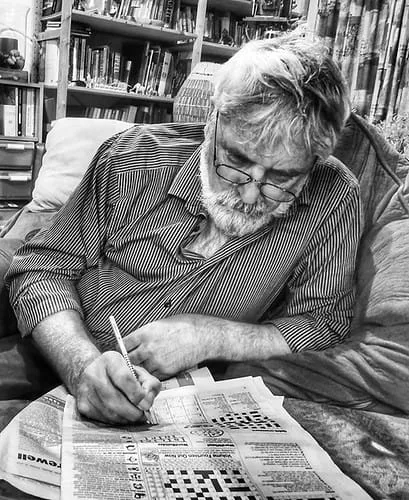
If you enjoy a crossword, do one. Learn a song, take up a language, repair something fiddly or join a class if it appeals. Mentally engaging activities can be enjoyable and may support thinking skills, especially when they also get you out among people.
Just be wary of confusing improvement at a game with protection against dementia. Alzheimer’s Society says there is no strong evidence that commercial brain-training activities reduce dementia risk. Getting quicker at tapping coloured shapes may chiefly make you better at tapping coloured shapes. That is fine, but it is not a medical outcome.
Be more sceptical still of powders and pills sold as a memory shield. There is no convincing evidence that a supplement you can buy will prevent dementia. If you are considering one, discuss it with a pharmacist or GP, particularly if you take other medicines. Spending money on a grand promise is optional; taking care of a known health problem is not.
When should you get help for memory changes?
Book a GP appointment if memory or thinking problems keep happening, affect work or daily life, or worry you or someone close to you. Make a few notes beforehand: what has changed, when it began, your sleep, mood and any medicines you take. Someone who knows you well may be able to help describe the changes, if you want them there.
Seek urgent help if something happens suddenly rather than gradually. Sudden confusion needs immediate medical assessment. If you or someone else develops a drooping face, arm weakness or speech difficulties, call 999, even if the symptoms improve. That could be a stroke, not a memory problem to investigate next week.
You cannot guarantee an unfailing memory at 70. You can make a sensible start this week: arrange a check you have put off, go for a walk, and ring somebody whose name you definitely remember.
In short
To help keep your brain sharp after 50, prioritise regular activity, cardiovascular health, good sleep, hearing care and social contact. No app, food or supplement can guarantee protection from dementia. See your GP if memory changes persist or affect daily life; call 999 for sudden confusion or signs of stroke.
Adrian Irving writes about health for men 45 and over who would rather do something than worry. Training, weight loss, sleep, cholesterol and blood tests, heart health, testosterone, the prostate, mental health and your sex life – what the evidence says, what's worth trying, and when it's time to see your GP.
One of Midcent's writers. Spotted something? Write to adrian@midcent.uk.
An underactive thyroid can look like ordinary midlife tiredness. Here’s when to ask your GP about a blood test, what the results mean and what treatment involves.
There is no guaranteed way to prevent dementia. But your blood pressure, hearing, daily movement and social life give you more useful places to start than brain-training apps.