How to raise testosterone naturally, minus the snake oil
Tired, flabbier and less keen than you used to be? Before you buy a testosterone booster, here’s what actually moves the needle in midlife and what’s mostly marketing.
Reviewed, edited and approved by Editor-in-chief Daniel Sköld · Updated 23 October 2026
Contents
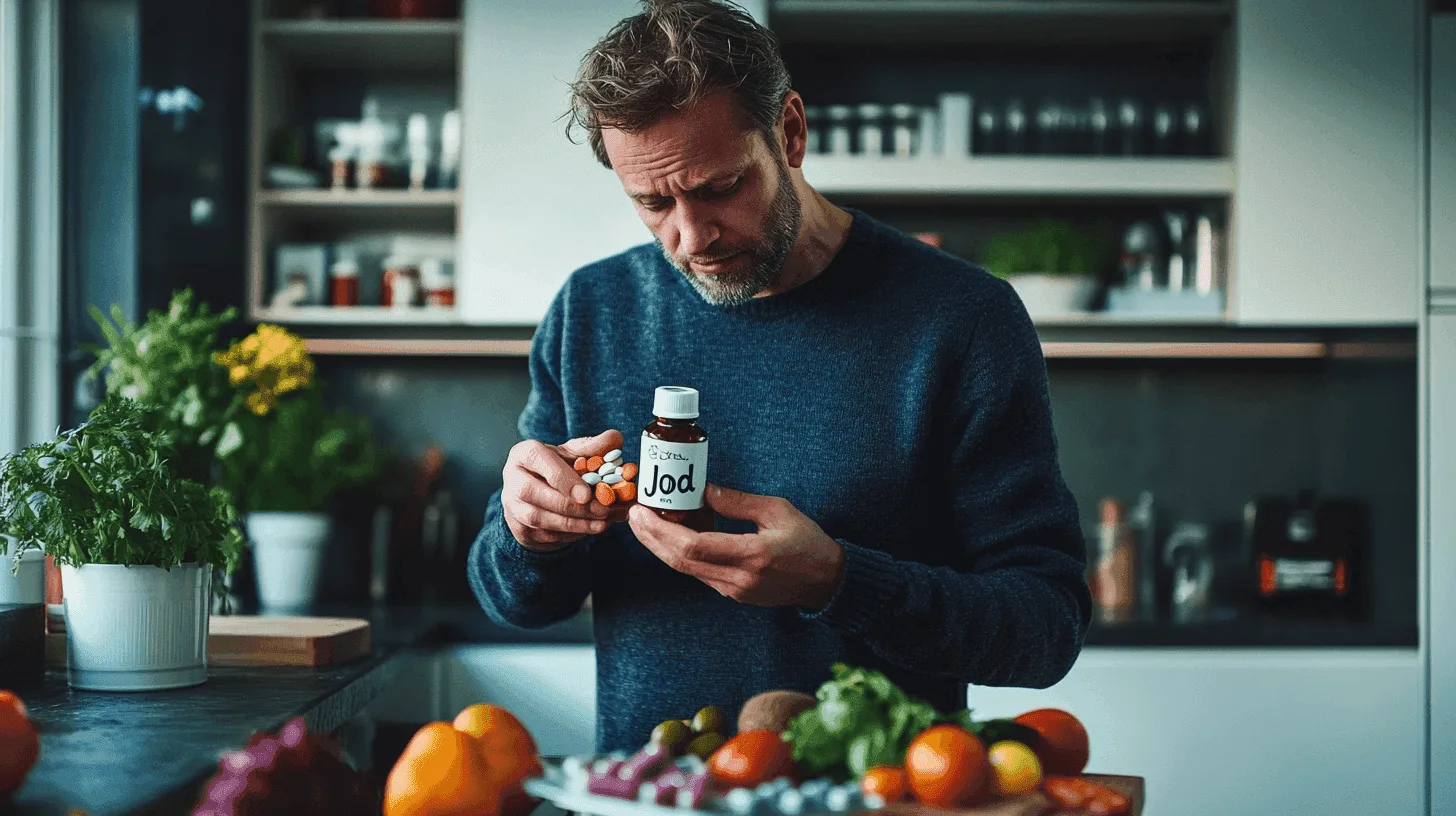
Search for low testosterone and within a few clicks someone will be selling you a tub of capsules with a lion on the label. Fenugreek, saffron, tongkat ali, ashwagandha. Pay £30 a month and you’ll be promised the energy, drive and biceps of a man half your age.
The truth is less exciting and much more useful. For most men in their 40s, 50s and early 60s, the things that pull testosterone down are ordinary, fixable and free. Here’s what the evidence actually supports, where the supplements fit (barely), and when the honest answer is a blood test rather than a gym membership.
AD
Does testosterone really crash in midlife?
Not in the way the adverts suggest. Testosterone does fall with age, but slowly. Researchers usually put the drop at around 1 to 2 per cent a year from early adulthood. That is a gentle slope, not a cliff.
NHS advice is blunt about the so-called male menopause. It calls the term unhelpful and misleading, because it suggests a sudden hormonal collapse like the one women go through. That doesn’t happen to most men.
What does happen is that midlife piles on the things that knock testosterone down: extra weight round the middle, poor sleep, stress, drink, and long-term conditions such as type 2 diabetes. The Society for Endocrinology describes late-onset hypogonadism, the medical name for genuinely low testosterone in older men, as closely linked to age-related health problems, especially obesity.
So when you feel flat, tired and uninterested, low testosterone may be part of the story. It’s rarely the whole story, and it’s often a symptom of something else going on.
Can losing weight boost testosterone?
This is the big one. Fat tissue, especially visceral fat around the organs, converts testosterone into oestrogen and interferes with the hormone signals from the brain that tell the testes to make more. Carry too much of it and your levels tend to sag.
The encouraging part is that this works in reverse. Losing excess weight is consistently linked with higher testosterone in men who are overweight, and you don’t need to become a fitness model to benefit. Dropping a stone (about 6.4kg) is a sensible first target if your waist has crept up.
A quick self-check: if your waist measures more than half your height, you are carrying more fat around your middle than is good for you. No scales required, just a tape measure and a bit of honesty.
The best testosterone booster on the market is a smaller waist, a proper night’s sleep and a barbell. None of them come in a capsule.
Sleep, lifting and drinking less: the unglamorous trio
Sleep first, because it is the most underrated. Much of your daily testosterone is released while you sleep. In a well-known University of Chicago study, healthy young men who were restricted to five hours a night for a week saw their daytime testosterone fall by 10 to 15 per cent. They also reported feeling less vigorous. It was a small study in younger men, but the direction is clear, and it’s worth noting that the drop was bigger than you’d expect from years of ageing.
If you snore loudly, wake gasping or are exhausted despite a full night in bed, mention it to your GP. Obstructive sleep apnoea is common in heavier middle-aged men and is linked to lower testosterone. It is also very treatable.
Next, exercise. UK guidance for adults is at least 150 minutes of moderate activity a week, plus muscle-strengthening work on at least two days. The strength bit matters more after 45, because you are steadily losing muscle anyway. Resistance training with weights, machines or your own body weight won’t turn you into a different man overnight, but it helps with weight, insulin sensitivity, mood and strength, all of which feed back into how you feel.
Then drink. Heavy drinking is bad for testosterone and for the testes themselves. The UK Chief Medical Officers advise no more than 14 units a week, spread over several days. That is about six pints of average-strength beer or six medium glasses of wine. If that sounds like a quiet Friday, it might be worth a rethink.
Finally, eat like a grown-up. There’s no magic testosterone food, but a diet that keeps your weight down, includes enough protein to support muscle, and isn’t built around ultra-processed snacks covers most of what matters.
AD
Do testosterone booster supplements work?
Mostly, the evidence is weak. That’s not cynicism, it’s what the research shows.
Take fenugreek, the star ingredient in many boosters. A 2026 systematic review and meta-analysis of placebo-controlled trials found fenugreek preparations were linked to a small rise in total testosterone. For free testosterone, the active portion your body can use, the pooled result was imprecise and inconsistent between studies. Many of the trials were small and some were funded by companies selling the extracts. A small bump in a blood result is not the same as feeling noticeably better.
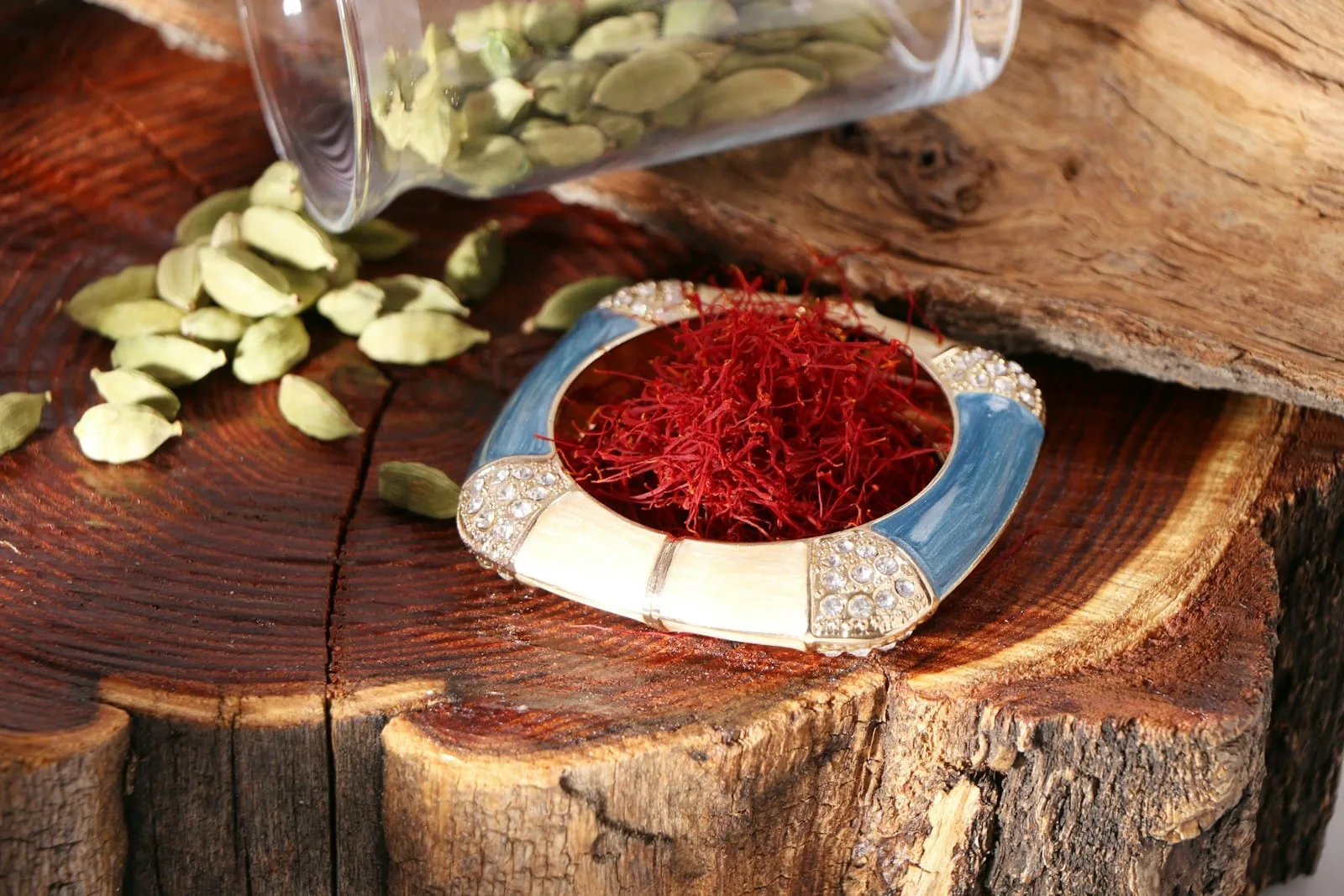
Saffron is often sold for libido and mood, but good evidence that it raises testosterone in healthy men is thin. The same goes for most of the other botanicals on the shelf. Zinc and vitamin D may matter if you are genuinely deficient, but topping up when your levels are already normal is unlikely to do much.
Remember too that in the UK, supplements are sold as food, not licensed as medicines. That means they don’t have to prove they work before they go on sale, and doses and purity can vary. If you take any regular medication, ask your pharmacist before adding a supplement, as some herbal products can interact with prescription drugs, including blood thinners and diabetes treatments.
If you want to try one, go in with your eyes open: it’s a small bet with a modest possible return, not a fix. Spend the money on decent trainers first.
When should you ask your GP for a testosterone test?
If you have persistent symptoms such as low sex drive, erection problems, loss of morning erections, fatigue, low mood or a noticeable loss of muscle, it’s reasonable to talk to your GP. They will want to look at the bigger picture, including mood, stress, sleep, alcohol and other conditions, because these symptoms have many possible causes.
If a blood test is needed, it is usually done in the morning, when levels are at their highest, and often repeated to confirm a low result. If your testosterone is genuinely low, you may be referred to a specialist, usually an endocrinologist. Testosterone replacement, given as a gel or injection, is a medical treatment with benefits and risks that need proper monitoring. It isn’t something to buy online.
It’s also worth getting a broader check. In England, adults aged 40 to 74 without certain existing conditions are invited for a free NHS Health Check every five years, covering blood pressure, cholesterol and diabetes risk. Arrangements differ in Scotland, Wales and Northern Ireland, so ask your GP practice what’s offered where you live. Since the conditions that drag testosterone down overlap heavily with heart and metabolic risk, it’s a useful place to start.
If you have sudden severe symptoms, such as chest pain, call 999. For urgent advice that isn’t an emergency, call NHS 111.
In short
Testosterone falls only gently with age, and in midlife the biggest drags on it are usually excess weight, poor sleep, too little strength training and too much alcohol, all of which you can change. Supplements such as fenugreek and saffron have weak or mixed evidence at best and are no substitute for the basics. If you have persistent symptoms like low libido, erection problems or exhaustion, see your GP, who can arrange a morning blood test and look at the bigger picture.
Adrian Irving writes about health for men 45 and over who would rather do something than worry. Training, weight loss, sleep, cholesterol and blood tests, heart health, testosterone, the prostate, mental health and your sex life – what the evidence says, what's worth trying, and when it's time to see your GP.
One of Midcent's writers. Spotted something? Write to adrian@midcent.uk.
Tired, flat and off sex? Low testosterone is possible, but it’s rarer than the adverts suggest. Here’s how to get tested properly and what actually helps.
Feeling flat, tired and short-tempered in your fifties? Low testosterone is one possible cause, but often not the main one. Here’s how to tell, and how to get tested on the NHS.
Lighter sleep can come with age, but feeling exhausted needn’t. Here’s how to spot the difference between a rough patch, insomnia and a problem worth checking.