Tokyo’s most famous spring attraction has no fixed opening date, sells no tickets and may be past its best by the time you clear your diary. The cherry blossom is a rather unreliable holiday organiser.
It is still worth the trip. The trick is to make the flowers part of a Tokyo visit, not the entire purpose of a long-haul flight. Give yourself time for gardens, neighbourhoods and dinner, and even an early or late bloom becomes a pleasure rather than a ruined itinerary.
When do Tokyo’s cherry blossoms actually appear?
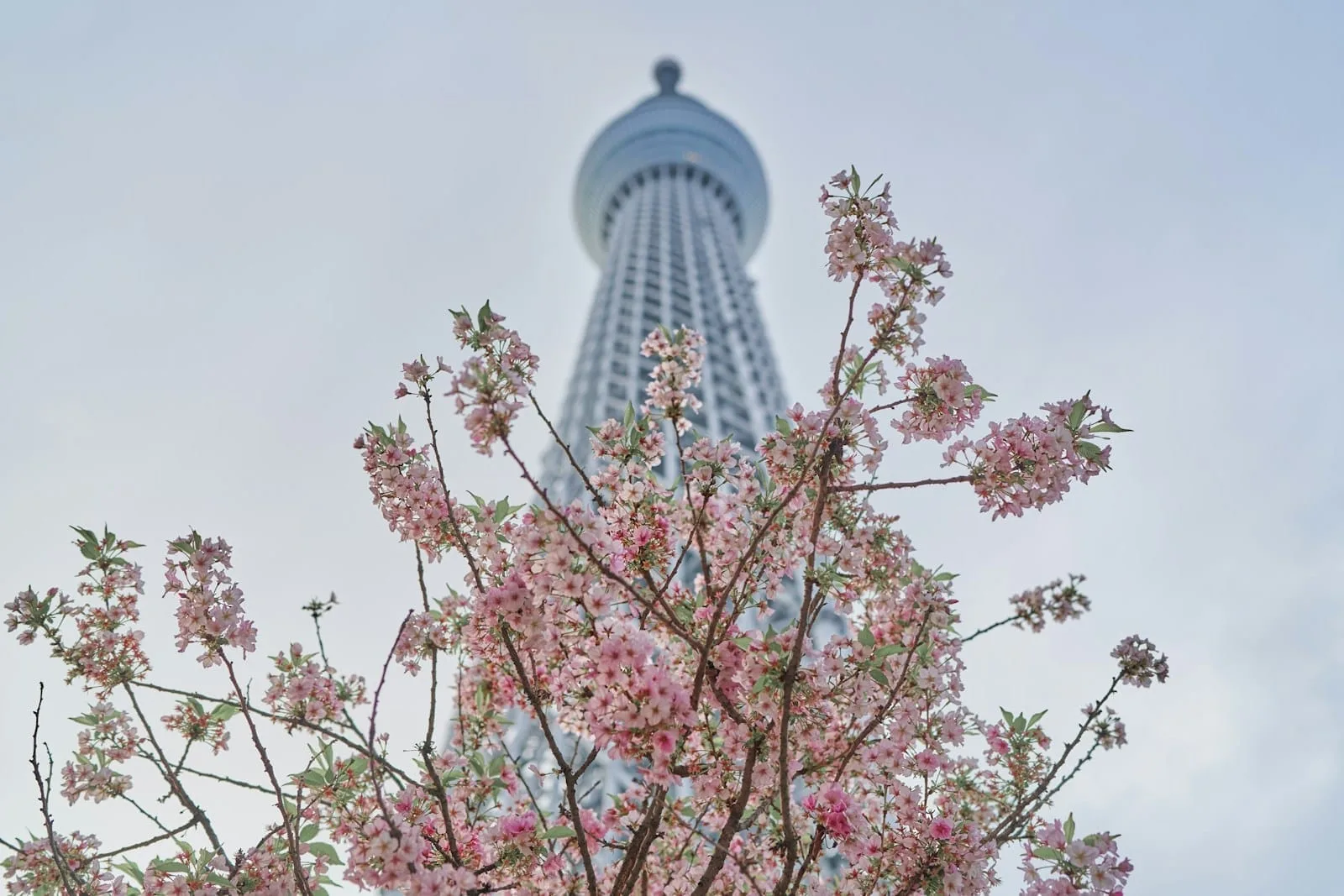
For the familiar pale-pink cherry trees, late March to early April is the usual window in central Tokyo. It is not a guarantee. Warm or cold weather shifts the first flowers, and a forecast of first bloom is not a promise that every tree will be at its fullest on your chosen Tuesday. Treat forecasts as a useful adjustment to your plans, not an invitation to book a single-night dash across the city.
If your dates are flexible, give Tokyo several days rather than trying to hit one predicted peak. If they are fixed, keep a shortlist of places with different varieties of cherry tree. Shinjuku Gyoen is particularly useful: its early and later-flowering trees extend the chances of seeing something, though they cannot conjure the classic display on demand. Check its official visitor information before setting off; busy spring entry arrangements can change from one season to the next.
Spring is popular for good reason, which also means popular blossom paths get crowded. Go early on a weekday if you want room to look upwards rather than at the back of somebody else’s phone. And take a light layer: standing about admiring trees is considerably less energetic than it sounds.
Where can you see blossom without making a day of queuing?
Start at Chidorigafuchi, the moat beside the Imperial Palace. Cherry branches lean over the water, and the walk has something a photograph cannot quite explain: Tokyo traffic and office blocks are close by, yet the scene briefly seems to run at a different speed. It is well known, not a secret; an early-morning visit makes more sense than hoping to discover it empty at sunset.
Shinjuku Gyoen offers a change of temperament. Pay the modest admission, wander its lawns and ponds, and let the trees be a reason to slow down between busy districts. Adult admission is listed at ¥500, roughly £2.40 at the exchange rate used for the estimates below. Alcohol is not allowed, so save the celebratory beer for later. Check the garden’s hours and any spring reservation requirements before you go.
For hanami as a social occasion, try Ueno Park. Families and friends gather beneath the trees, and the crowds are part of the point. If you would rather keep walking, the Meguro River at Nakameguro offers a long waterside route, though its most photographed stretches can be busy too. Neither is an undiscovered local gem. A better plan is to enjoy a stretch of blossom, then carry on into the surrounding streets instead of pursuing the supposedly perfect viewpoint.
The flowers are the invitation; Tokyo is the reason to stay.
What is worth doing between the blossoms?
Give the city room to contradict the postcard. In Asakusa, make time for Sensō-ji and the nearby streets rather than treating the temple as a quick photographic stop. Then cross Tokyo for a completely different evening: Shibuya’s crossings, screens and station exits provide the modern-city spectacle without requiring a ticket or a carefully staged ‘futuristic’ experience. You needn’t love the noise to find it fascinating.
For a gentler afternoon, try Jimbocho’s bookshops and cafés after Chidorigafuchi, or spend time around Kichijoji and Inokashira Park. The latter has cherry trees by its pond, but it also works as a neighbourhood outing when flowering dates refuse to co-operate. Tokyo rewards that sort of loose planning. One district, a good walk and an unhurried meal generally make a better day than six attractions connected by increasingly frantic train changes.
Eat close to where you finish, not wherever a list tells you Tokyo’s ‘essential’ dinner is. An izakaya — a casual Japanese pub serving small dishes — is an agreeable way to end a walking day. Look around the station streets for a place with a menu and prices you understand; ask about any seating charge before settling in. A bowl of noodles or a simple set meal makes a useful cheaper alternative. Save the elaborate dinner for a night when you are neither jet-lagged nor trying to decipher a map in the rain.
In blossom season, a central hotel near useful rail connections is worth more than a room with a vague claim to a blossom view. Consider Ueno for the park and access to other parts of the city, or the Tokyo Station area if straightforward arrivals and departures matter most. Compare the full room price before booking, and leave space in the budget for the flight: Tokyo’s everyday meals can be good value, but crossing half the world to eat them is not an economy measure.
How do you plan the trip from the UK?
There are direct flights between London and Tokyo Haneda, including ANA services; compare those with one-stop options from your nearest UK airport. Check the airport on any Tokyo fare carefully: Haneda and Narita are different arrivals, with different onward journeys. If you are coming from outside London, compare the total journey — including the UK connection and time waiting — rather than judging a ticket by its headline price.
For a full British citizen passport, current GOV.UK advice says visitors can obtain permission on arrival for tourism for up to 90 days without applying for a visa in advance. It also says the passport must be valid for the stay and have a blank page for the entry stamp. Check the latest FCDO travel advice and entry requirements when you book and again before departure; do not assume the same rules apply to another type of passport.
Arrange travel insurance that covers medical treatment and any existing conditions you declare. A UK GHIC is for eligible healthcare in participating European countries, not Japan; it is no substitute for insurance here. Check any medicines against Japan’s restrictions before packing them, particularly if you rely on prescription or over-the-counter remedies.
For a working everyday budget, allow roughly ¥500–¥900 (£2.40–£4.30) for a large beer, and around ¥3,000–¥5,000 (£14–£24) per person for a casual restaurant dinner; simpler meals cost less. A daytime taxi ride of about 5 km might be roughly ¥2,000–¥2,500 (£10–£12), depending on traffic. These are planning figures, not fixed fares or menu prices. The pound equivalents use roughly ¥210 to £1, close to the European Central Bank reference rates on 22 October 2026; check the rate before you travel. Use the trains for most cross-city journeys and keep taxis for tired feet, heavy bags or an address that proves harder to find than it looked on your phone.
In short
Tokyo is worth visiting for cherry blossom, usually around late March to early April, but the exact display cannot be booked. Stay several days, see a mixture of gardens and neighbourhoods, and make a satisfying trip even if the trees are early or late. Check current blossom reports, garden arrangements and UK travel advice before you leave.
Sources

Midcent Travel
Archie Inglis writes about travel for men 45 and over: city breaks, winter sun, road trips, rail journeys, walking holidays and the longer trips you've been putting off. Where's worth going, how to get there without the hassle, and how to make the money go further.
One of Midcent's writers. Spotted something? Write to archie@midcent.uk.