Bins, boilers and booking the dentist: when a long marriage turns into a small business. Why the passion fades, why it matters after 50, and what actually brings it back.
Reviewed, edited and approved by Editor-in-chief Daniel Sköld · Updated 23 October 2026
Contents
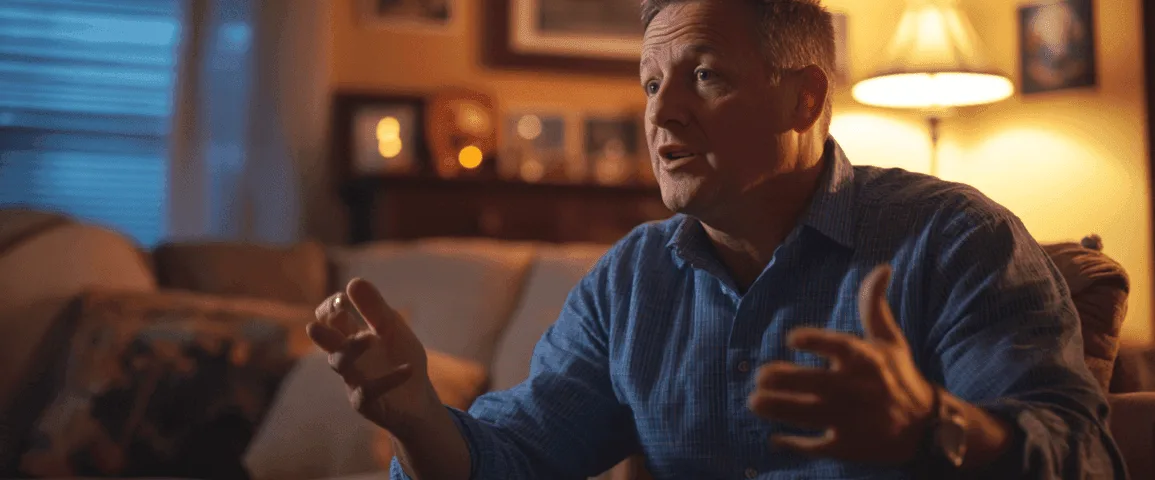
It’s 9.40pm on a Tuesday. You’re at one end of the sofa, she’s at the other, and your most intimate exchange of the day happened on WhatsApp at lunchtime: “Did you ring the boiler man?” “Yes. Need milk.” Nobody’s unhappy, exactly. Nobody’s throwing crockery. But it has quietly crossed your mind that you and the person you once couldn’t keep your hands off now run something closer to a small business. Two directors, a shared calendar, a recurring item on the agenda called “your mother”.
If that sounds familiar, you’re not failing at marriage. You’re doing what nearly every long-term couple does. The real question is whether you notice before the business gets wound up.
AD
Is it normal for passion to fade in a long marriage?
Short answer: yes, and pretending otherwise does nobody any favours. The giddy early stage, when you’d happily drive 200 miles for a takeaway and a fumble, was never going to last. It’s biology, not a character flaw. Nobody stays at Ibiza 1991 levels of euphoria while also renewing the car insurance.
The data backs this up. Britain’s National Surveys of Sexual Attitudes and Lifestyles (Natsal), among the biggest studies of sexual behaviour anywhere, found that how often people have sex fell between the surveys of 1990, 2000 and 2010. A 2019 analysis in the BMJ found the steepest drop was among people who were married or living together. Natsal also shows sexual activity falling off markedly after 55, for men and women alike.
But frequency is a bad way to keep score. Most couples who say the passion has gone don’t mainly miss the sex. They miss being noticed: the feeling that the other person finds you interesting, rather than just finding you useful for getting the recycling out on the right week.
How a relationship turns into a job
It rarely happens in one go. It builds up over years, through school runs, mortgages, redundancies, teenagers who speak only in grunts and then, just as they leave, parents who need lifts to the hospital. Every one of those jobs is legitimate. Put together, they push out everything else. You become an excellent team and slightly distant lovers.
Money makes it worse. Relate’s report It takes two, based on a survey of more than 5,000 people, found money was the biggest strain on UK couples. When people were asked what they look for in a partner, trust (67%) and communication (52%) came well ahead of everything else. Look at what’s missing near the top of that list: fireworks. What people value is the ordinary stuff that holds a relationship up, and that’s exactly what gets neglected when life turns into one long to-do list.
The Open University’s Enduring Love? study, which surveyed thousands of British adults in couples, adds a sobering detail for anyone who raised children: parents reported lower relationship satisfaction than couples without kids. It also found that small everyday gestures counted for more than grand romantic set pieces. A cup of tea brought without being asked. A thank you. Being told you’re appreciated. None of it costs anything, and in a lot of houses it stopped happening years ago.
AD
Why do couples split up after 50?
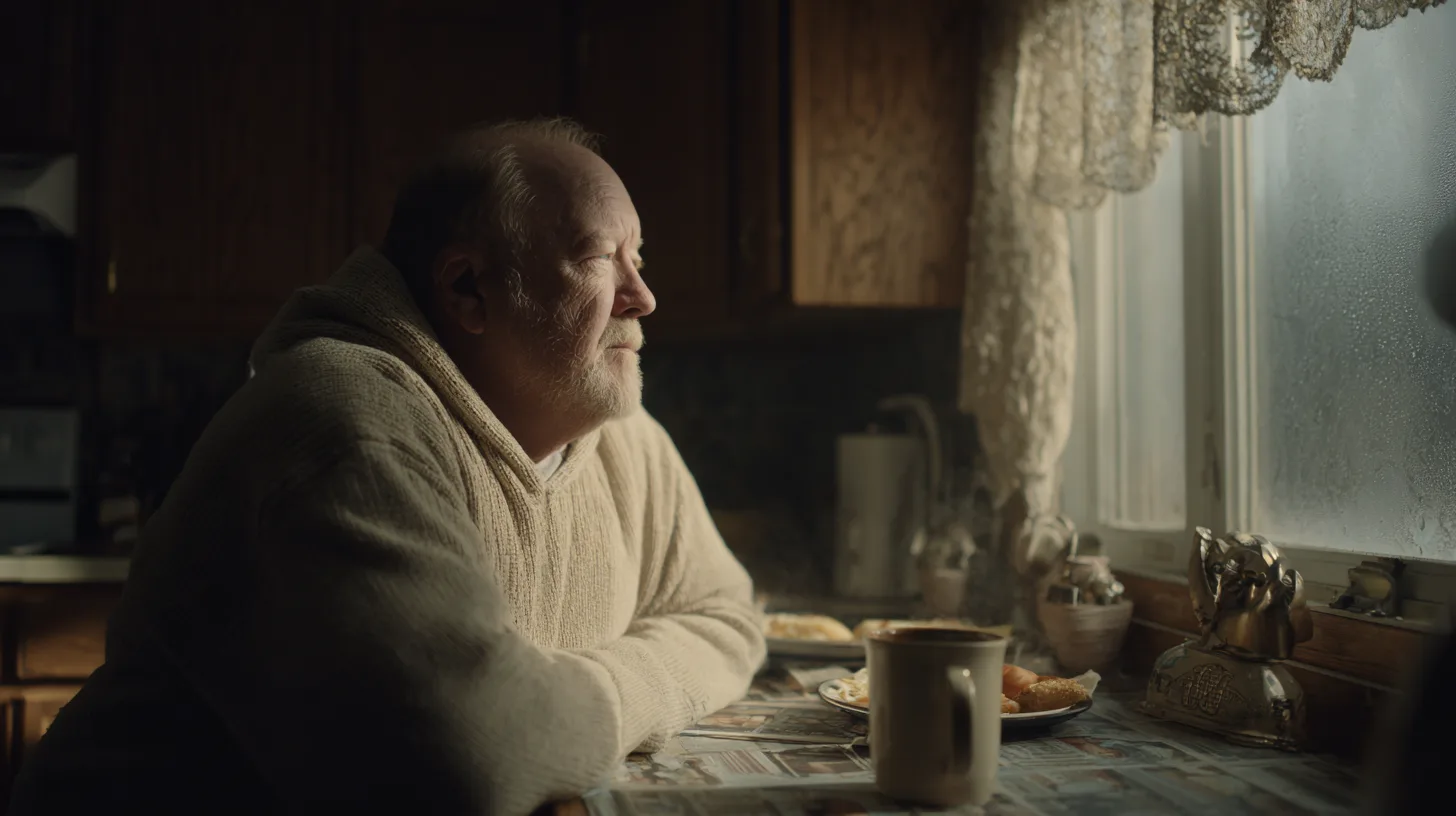
This is where the job metaphor gets uncomfortable. When the job ends, the business can turn out to have nothing else to offer. The children move out, retirement appears on the horizon, and two people who managed a household brilliantly find themselves facing each other across a quiet kitchen with 25 years still to fill.
Figures from the Office for National Statistics show 102,678 divorces in England and Wales in 2023. That’s well below the peak of the early 1990s, but marriages that end are ending later. The median length of a marriage at divorce is now around 12 years and close to a record high. Since April 2022, couples in England and Wales have been able to divorce without blaming each other, and around three-quarters of divorces in 2023 went through the new no-fault route. In other words, “we’ve drifted apart” is now enough. Scotland and Northern Ireland have their own divorce laws and publish their own figures, so the numbers above don’t cover them.
A marriage rarely dies in one big row. It dies of a thousand admin messages and nobody saying thank you.
For men in midlife there’s a particular trap here. Plenty of us were brought up to believe that providing is the same as loving: you turn up, pay the bills, fix the shelf. All good things. But they’re the job description, not the relationship. If that’s all you’re bringing, don’t be too surprised when the other director starts looking at the exit.
Can you get the spark back after 20 years?
Often, yes, though probably not in the way the Valentine’s Day adverts would have you think. A weekend in a spa hotel won’t fix a decade of not talking. What tends to work sounds frustratingly dull.
First, split logistics from conversation. If every chat is about who’s collecting whom, set aside a 15-minute “board meeting” for the admin and ban it from dinner. Second, bring back some novelty. Part of what made the early days exciting was that everything was new, so do something together that neither of you has done before. A class, a walk somewhere you’ve never been, a city you’ve both been meaning to visit for years. Third, go back to the small stuff Enduring Love? picked out: the tea, the thanks, the touch on the shoulder in passing. It feels faintly ridiculous at 55, and it works anyway.
Fourth, and this is the one men put off longest: if you’re stuck, get help. Relate offers counselling for couples across England, Wales and Northern Ireland, in person, by phone and online. Scotland has its own services. Going isn’t an admission of defeat. Couples who go before things turn toxic usually get a lot more out of it than those who wait until one of them has already got a solicitor. You’d see a physio for a bad knee before it gave way completely. A marriage deserves the same.
One last thing. Talk about it plainly. Saying “I miss us” is more honest and much less frightening than months of passive-aggressive silence over the dishwasher. Chances are she’s been thinking the same thing.
In short
Passion fading in a long marriage is normal. UK research shows sex and novelty fall away with time, especially for couples juggling children, money and caring for parents. The danger isn’t the fade itself but letting the relationship shrink into pure logistics, which is part of why marriages that end are now ending later. Small daily gestures, deliberate novelty, honest conversation and, if needed, counselling from organisations like Relate can turn a business partnership back into a relationship. So when did you last have a conversation that wasn’t about the bins?
Andy Irwin writes about the way we live now for men 45 and over: work, relationships, mental health, getting older, and the trends and debates that land on men in the middle of life. With the facts, a dry sense of humour, and no lectures.
One of Midcent's writers. Spotted something? Write to andy@midcent.uk.
No rows, no slammed doors, just two flatmates sharing a mortgage. Why so many marriages end quietly, why men stay, what leaving actually costs and when settling is fine.
The kids leave, the mortgage shrinks and the silence gets louder. Why divorce clusters in the mid-forties and fifties, and what men facing it need to know.
You share a house, a fridge and a Netflix login, but you stopped being a couple some time ago. How to spot a silent divorce, and what you can do about it.
The children leave, parents need care, retirement looms and you both change. Here is why couples in midlife drift, what helps, and why some drifting is fine.