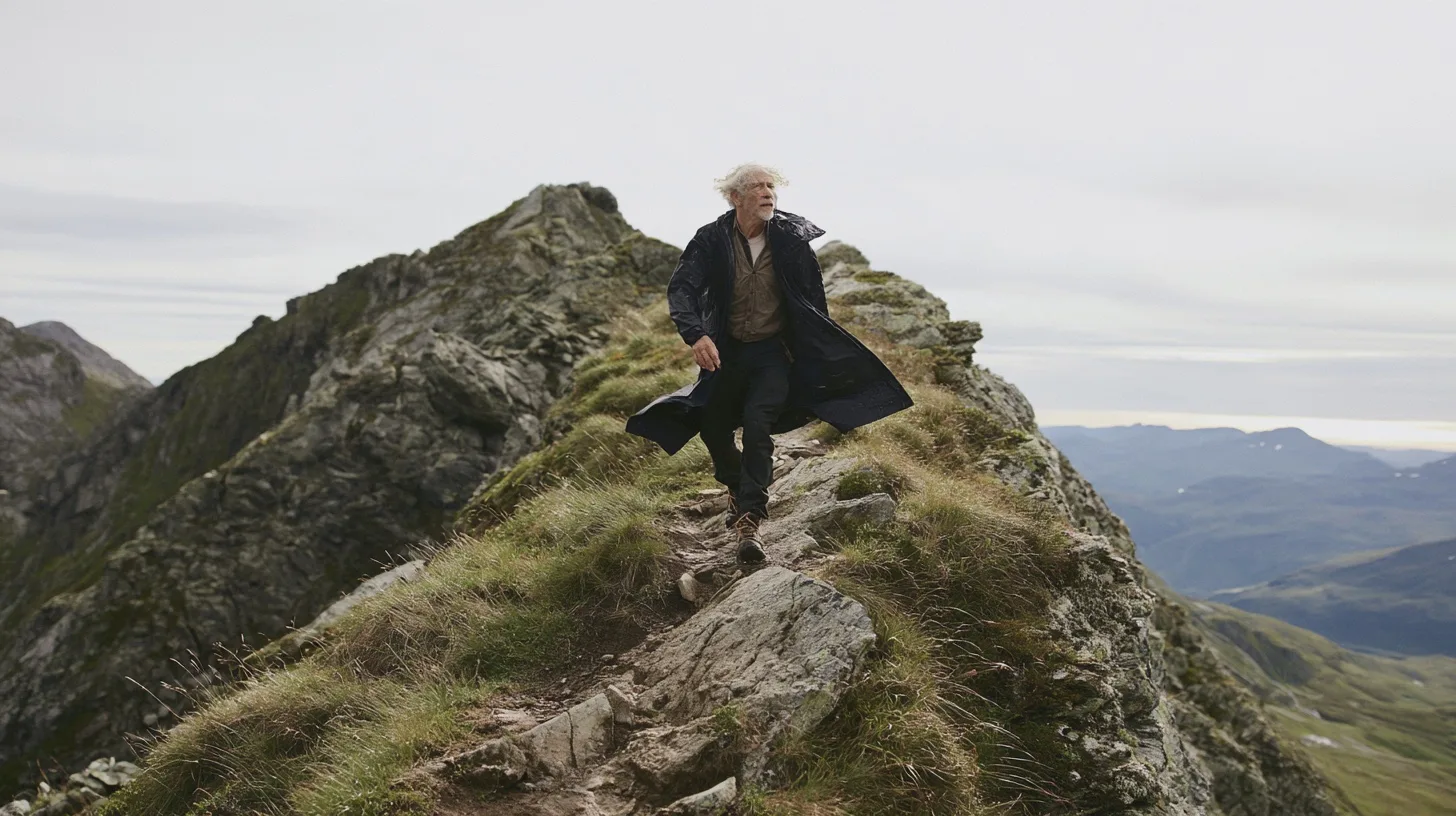
You know the moment. You’ve ground your way up the last steep pull onto the ridge, hot and pleased with yourself, and then the wind comes over the top. Within about two minutes the damp shirt on your back feels like a cold flannel, and the summit sandwich turns into a fight with your own shivering.
That isn’t bad luck. It comes down to what your bottom layer is made of. Merino, synthetic, bamboo and cotton all deal with sweat in very different ways, and on a British hill, where wind and rain are close to guaranteed, those differences matter much more than the logo on the chest.

Why do you get so cold after sweating on a hill?
The physics is simple and unforgiving. Water carries heat away from the body far faster than air does. So a wet fabric held against your skin keeps pulling warmth out of you, and wind blowing across it speeds things up as the moisture evaporates. Sweat is meant to cool you down. It just has no idea you’ve stopped climbing.
Britain’s hills make it worse. On Helvellyn, the Glyders or a Munro above Glen Coe, the wind is usually much stronger at the top than in the car park, and the temperature drops as you climb. Add drizzle and you can go from overheated to properly cold in the time it takes to find your map. The Mountain Weather Information Service forecasts wind chill at height for good reason. A mild day in the valley can feel close to freezing on an exposed summit.
Once you understand that, the job of a base layer is obvious. It isn’t there to keep you warm. It’s there to move sweat off your skin, and to stay as warm as possible when it hasn’t managed to.
Cotton: comfy in the pub, miserable on the ridge
Mountain rescue teams have been saying “cotton kills” for decades. It sounds dramatic, but the reasoning holds up. Cotton soaks up a lot of water, holds onto it, lies flat and clammy against the skin and takes ages to dry. Once wet, it gives you almost no insulation.
The appeal is easy to see. You already own a drawer full of cotton T-shirts, and they cost a few quid. For a flat stroll round Tarn Hows on a dry summer afternoon, one won’t hurt you. For anything with real climbing, height or a long walk out, leave it in the car and change into it for the drive home. That’s exactly where it belongs.
Synthetic: the fast-drying workhorse
Polyester and polypropylene base layers barely absorb water at all. Sweat spreads across the fabric and evaporates quickly, so on a hard climb a good synthetic top feels drier than anything else and dries out fastest once you stop. They’re also tough, cope with being thrown in the washing machine and are cheap. You can get a basic synthetic top from Decathlon or Go Outdoors for not much more than a takeaway, while the big outdoor brands charge more for better fit and finish.
The downside is well known to anyone who has shared a bothy. Synthetics hang on to smell, so after a long day or two you can become a slight social problem. Some fabrics are treated to reduce this, with mixed results. And while a damp synthetic layer is far better than damp cotton, it still feels cold against the skin when the wind gets up, because there’s very little to it.
A base layer isn’t there to make you warm. Its job is to stop your own sweat making you cold.
Is merino wool worth the money for hillwalking?
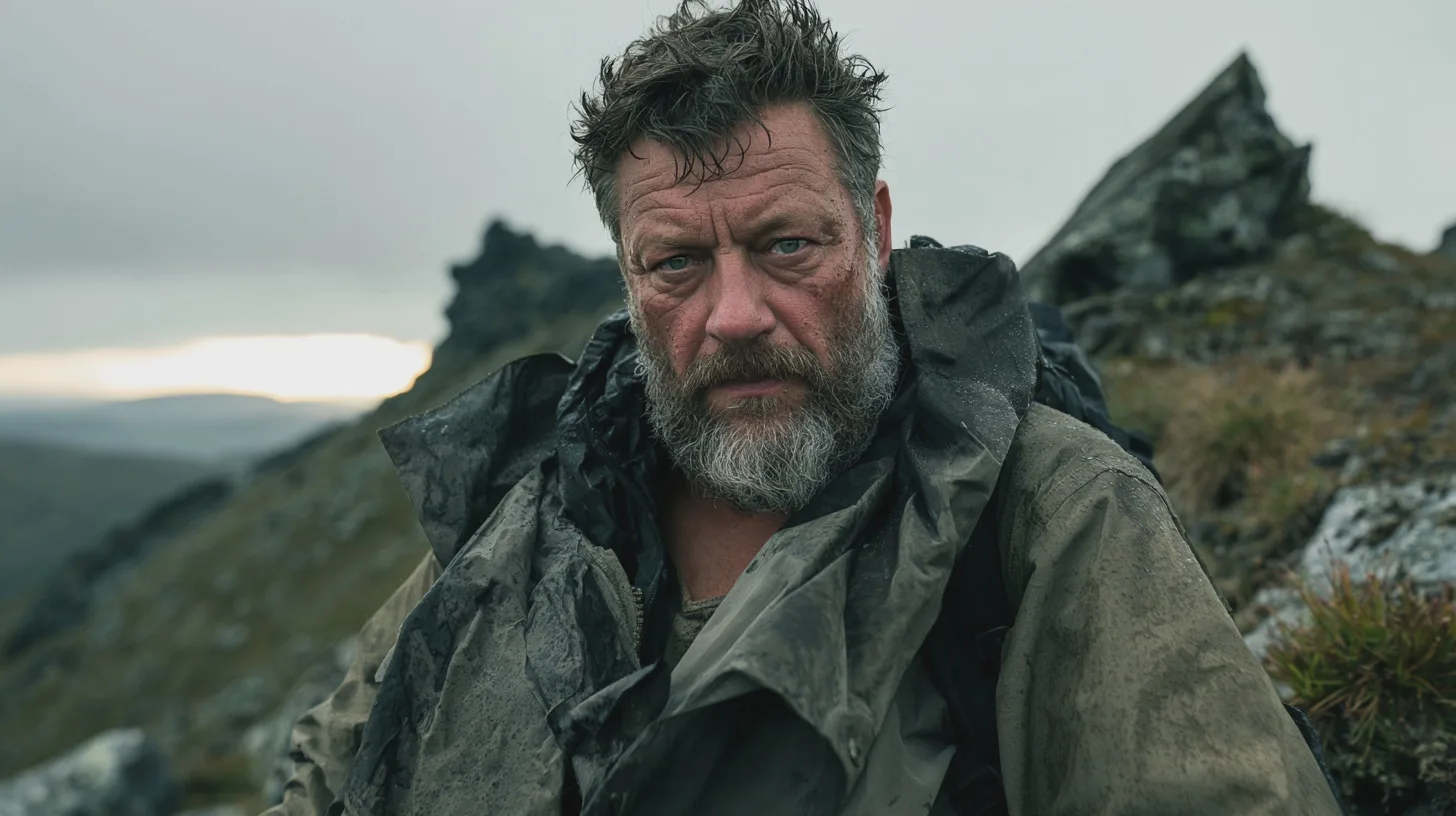
Merino is the one people argue about, mostly because of the price. A merino top from Icebreaker, Smartwool or Rab will usually cost several times as much as a basic synthetic one, although Decathlon and some retailers’ own brands have brought cheaper versions to the high street.
What you get for that money is a fabric that behaves differently when wet. Wool fibres can take up a fair amount of moisture inside the fibre while the surface still feels relatively dry, and wool keeps more of its warmth when damp than cotton or a thin synthetic. In practice, that cold-flannel shock at the summit is noticeably softer. Merino is fine enough not to itch the way your school jumper did, and it resists odour remarkably well. You can wear it for several days on a multi-day route such as the West Highland Way, and the people around you won’t complain.
The catches: it dries more slowly than synthetic, so on a very sweaty climb it can feel damp for longer. Thin merino also wears through, especially under rucksack straps, and moths like it nearly as much as hillwalkers do. Wash it cool, skip the fabric conditioner and dry it flat. Blends, usually merino wrapped round a nylon core or mixed with polyester, aim to give you most of the comfort with better durability and faster drying. For many walkers they’re the sensible middle ground.
What about bamboo base layers?
Bamboo clothing is sold on softness and green credentials, and it is lovely to wear. But nearly all of it is bamboo viscose, a regenerated cellulose fibre made by chemically processing the plant. In the hills it behaves more like cotton than like wool: it absorbs plenty of water and is slow to dry. The environmental claims depend heavily on how the viscose is produced. Bamboo socks and casual tops are fine for low-level walking and lounging at the campsite. For a wet, windy day on Scafell Pike, it’s the wrong tool.
How to stay warm when the base layer can’t
No fabric works miracles, so how you use it matters as much as what you buy. Start cool. If you’re comfortable standing in the car park, you’ll be sweating within ten minutes. Open zips and roll up sleeves before you overheat, not after. On a long climb, ease off a little so you sweat less.
Then deal with the top before it deals with you. Put your windproof or waterproof shell on just before you reach the exposed ground, not after you’ve stood around for five minutes. Keep a dry warm layer, such as a fleece or a light insulated jacket, in a dry bag in your rucksack, and put it on as soon as you stop. On long days, a spare base layer weighs very little and can change your whole mood when you swap it in at lunch.
Take the cold seriously. Shivering that won’t stop, clumsy fingers and muddled thinking are early signs of hypothermia, and those are signs to get off the hill. Check the mountain forecast before you set off, tell someone your route, carry a map and compass as well as your phone, and in an emergency call 999 and ask for the police, then mountain rescue. The same advice applies whether you’re in the Lakes, Snowdonia (Eryri) or the Cairngorms. In Scotland, the Scottish Outdoor Access Code gives you wide access rights, so plenty of walks are open to you, but that doesn’t make the weather any kinder.
If you’re only buying one thing, a mid-weight merino or merino-blend top is the most forgiving choice for British conditions. A couple of cheap synthetics are a perfectly good way to start. And if your knees have been resting since the Nineties, see your GP before you tackle the bigger hills.
In short
On windy, wet British hills, the fabric next to your skin decides whether sweat leaves you chilled. Cotton and bamboo viscose soak it up and stay cold. Synthetics dry fastest and cost least but start to smell. Merino, or a merino blend, costs more but stays warmer when damp and copes with several days’ wear. Whatever you choose, start cool, add your shell before the summit and always carry a dry warm layer.
Sources

Midcent Home & Leisure
Alistair Ives writes about the home and the weekend for men 45 and over: DIY, renovation, the garden, the outdoors and the hobbies worth the time. What a job really costs, what you can do yourself, and when it's worth paying someone who knows.
One of Midcent's writers. Spotted something? Write to alistair@midcent.uk.