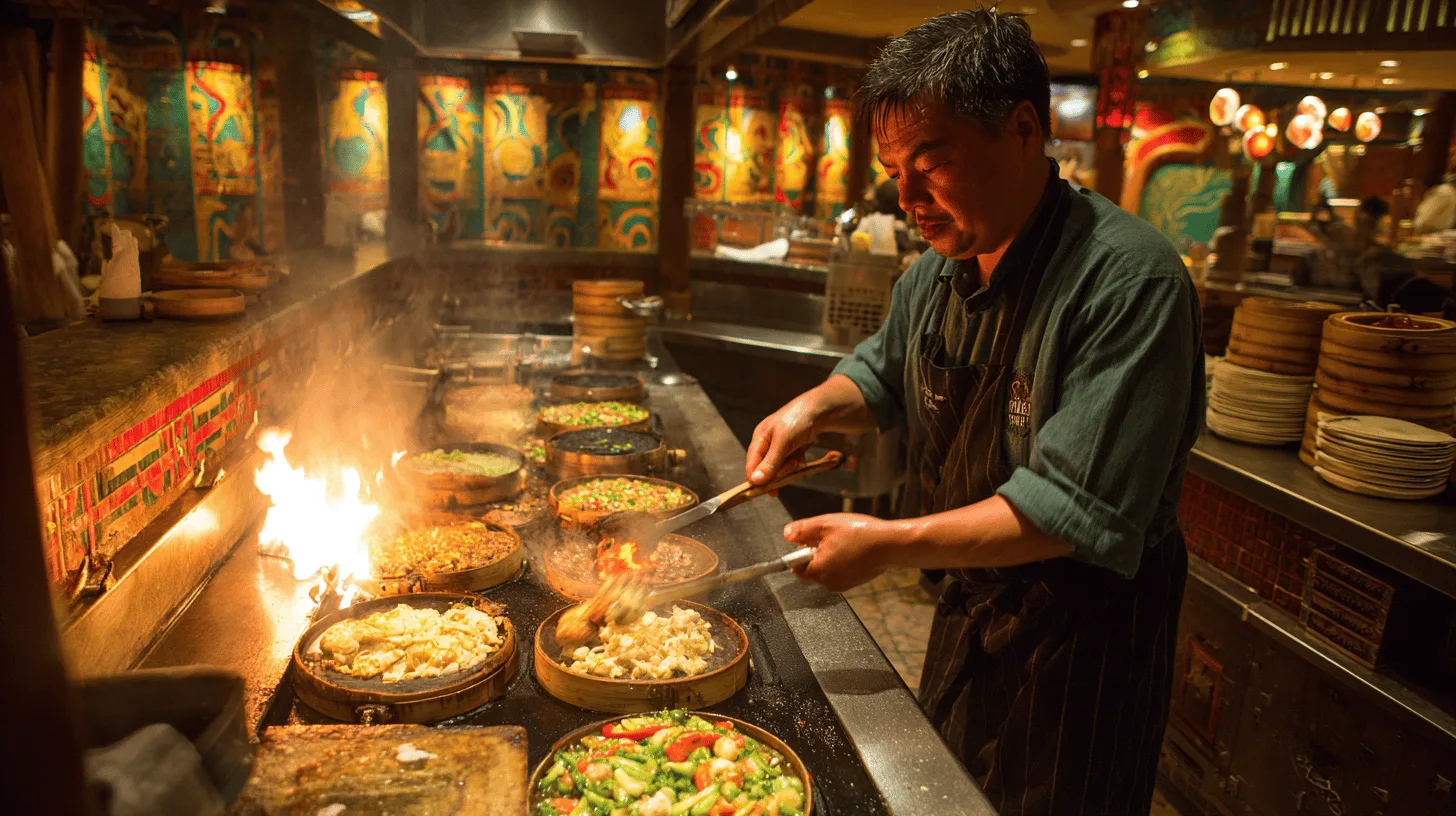
Be honest. Your last stir-fry was a pile of limp peppers swimming in a puddle of soy sauce, and it tasted mainly of disappointment. Don’t worry, you’re not alone. Most of us cook stir-fries the way we’d cook a stew, and then wonder why the result tastes nothing like the stuff from the good Cantonese place on the high street.
The good news is that the gap is smaller than you think. You don’t need a restaurant burner putting out a jet engine’s worth of heat. You need the right pan, a bit of discipline before you switch the hob on, and the nerve to cook in small batches. Here’s how.
What is the best wok to buy for home cooking?
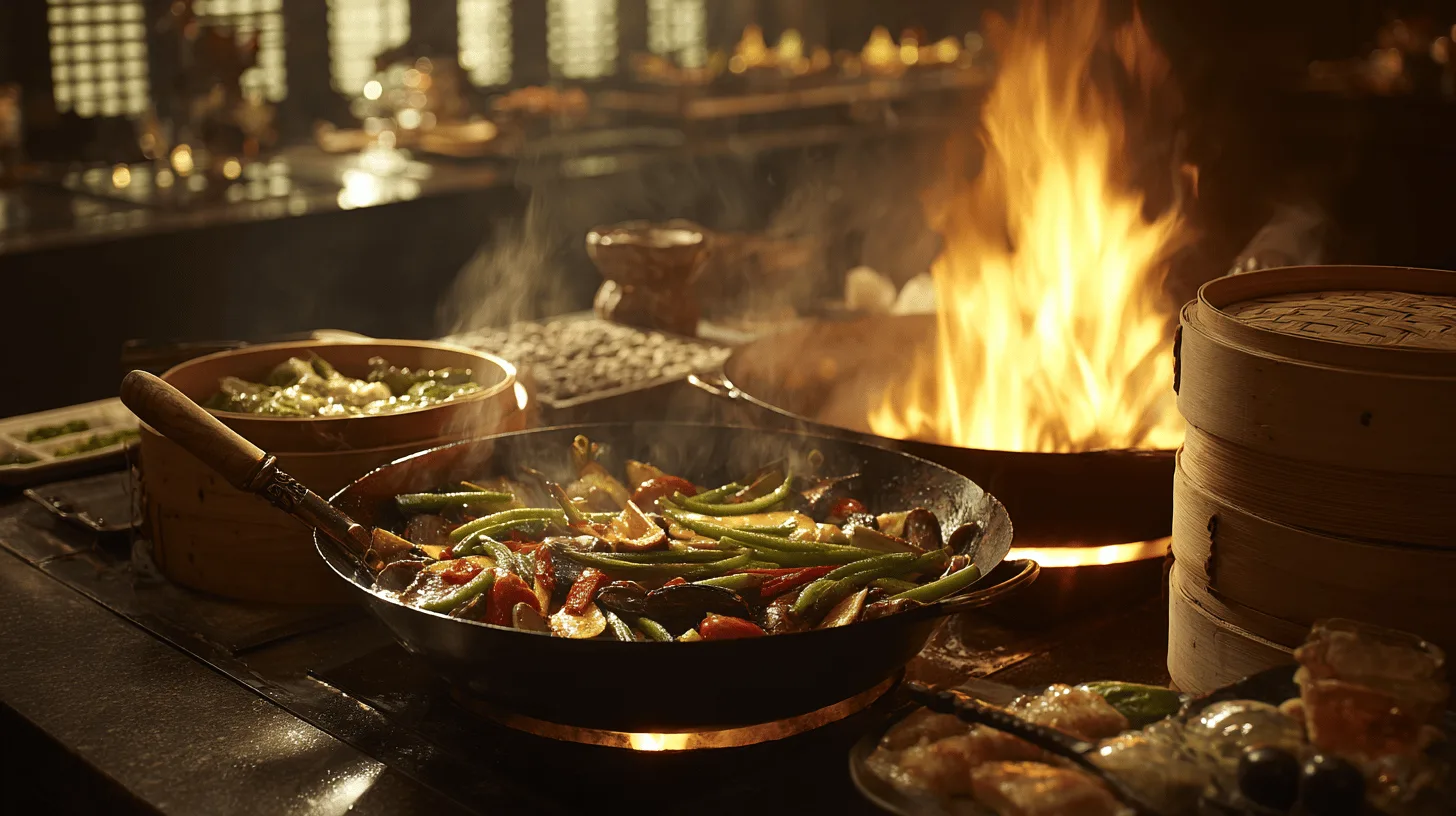
Carbon steel. Every time. It’s thin, light, heats up fast and, once seasoned, builds a slick, dark patina that gets better the more you use it. It’s also cheap. Head to a Chinese or pan-Asian supermarket such as Wing Yip, See Woo or your local independent and you’ll find perfectly good spun or hand-hammered carbon steel woks for less than a decent bottle of wine.
Size matters. Go for something around 30–36cm across. Smaller and you’ll be scattering bean sprouts across the kitchen; bigger and a domestic hob won’t heat the sides properly.
Then there’s the bottom. A round-bottomed wok is the traditional choice and works brilliantly over a gas flame with a wok ring. On electric or induction, though, buy a flat-bottomed one. It needs proper contact with the hob, and a rounded base will rock about and barely warm up.
What about non-stick? Fine for a gentle Tuesday-night noodle dish, but most non-stick coatings shouldn’t be blasted on maximum heat with nothing in the pan. And maximum heat, with nothing in the pan, is exactly where good wok cooking starts.
How do you season a carbon steel wok?
A new carbon steel wok usually comes with a protective factory coating. Scrub it off with hot soapy water and a scourer, then dry the wok over the hob until every drop of water has gone.
Now open a window and switch on the extractor. Heat the empty wok on high until the metal turns from silver to a bluish, bronzed colour, tilting it so the heat reaches the sides. Turn the heat down, add a tablespoon of a high smoke point oil such as groundnut, rapeseed or sunflower, and wipe it all over the inside with a wad of kitchen paper held in tongs. Heat until it smokes, let it cool a little, then repeat two or three times. You’re baking on a thin, hard layer that stops food sticking.
Plenty of cooks finish the job by stir-frying a handful of sliced spring onions and ginger in the oil for a few minutes, then binning them. It helps the seasoning and the kitchen smells great.
Aftercare is simple. Rinse with hot water and a soft brush, skip the dishwasher, dry over the heat and wipe with a smear of oil. If it gets rusty, scrub it back and season again. These things are almost impossible to kill.
Heat, batches and the art of not crowding the pan
Here’s the truth about domestic hobs: they’re not powerful enough to cook a whole family’s stir-fry in one go. Pile in 600g of chicken and vegetables and the temperature crashes. Instead of searing, everything stews in its own juices. That’s where the grey, soggy stir-fry comes from.
A stir-fry is won or lost before the hob goes on, and burnt in the time it takes to look for the soy sauce.
So cook in batches. Get the wok smoking hot, add a little oil, and cook no more than about 200–250g of meat at a time. Spread it out, leave it alone for 30–60 seconds to take on colour, then toss. Tip it out into a bowl, wipe the wok if needed, and go again. Vegetables go in by toughness: carrot, broccoli and green beans first; courgette, peppers and mangetout next; bean sprouts and pak choi leaves at the very end. Everything comes back together for the last minute along with the sauce.
All of this is why prep matters. The French call it mise en place; anyone who’s ever stir-fried calls it essential. Chop everything into similar-sized pieces before you start, mix your sauce in a jug, and line it all up by the hob. Once the wok is hot, the whole cook takes five to eight minutes and there is no time to peel garlic.
What makes a takeaway stir-fry taste better than mine?
Partly heat, which we’ve covered. But there are three other tricks worth stealing.
First, velveting. It’s how Chinese restaurants get chicken and pork so silky. Slice 300g of chicken breast thinly, then toss it with 1 tbsp soy sauce, 1 tbsp Shaoxing rice wine, 1 tsp cornflour and 1 tsp oil. Leave it for 15–20 minutes. The cornflour coating protects the meat in the fierce heat and helps the sauce cling.
Second, the store cupboard. A good light soy sauce, a dark soy for colour, oyster sauce, toasted sesame oil, Shaoxing wine, rice vinegar and a jar of chilli crisp will cover most dishes. The big supermarkets stock most of these now, though an Asian grocer or online specialist will be cheaper and have better choice. Add the sesame oil at the end, not the start; it burns easily and is there for its aroma.
Third, rice. Cold, cooked rice makes far better egg fried rice than freshly cooked rice, which turns to mush. But treat it with respect. The Food Standards Agency and NHS advise cooling leftover rice quickly, getting it into the fridge, eating it within a day and reheating it only once, until it’s steaming hot all the way through. Rice can carry spores that survive cooking, and lukewarm rice left on the side is how they cause trouble.
A simple stir-fry to start with
For two: velvet 300g sliced chicken thigh or breast as above. Mix a sauce of 2 tbsp light soy, 1 tbsp oyster sauce, 1 tbsp Shaoxing wine, 1 tsp sugar, 1 tsp cornflour and 4 tbsp water. Prep 2 crushed garlic cloves, a thumb of grated ginger, 4 spring onions cut into lengths, 1 red pepper and 1 courgette in strips, and a head of pak choi.
Sear the chicken in two batches and set aside. Fry the pepper and courgette for 2 minutes, add the garlic, ginger and white parts of the spring onions for 30 seconds, then the pak choi. Return the chicken, pour in the sauce and toss for a minute until glossy. Finish with the green spring onion, a few drops of sesame oil and a handful of coriander. Serve with rice or noodles.
To drink? Something cold and crisp. An off-dry German Riesling handles soy, ginger and a bit of chilli beautifully, as does a good cold lager. Keep it to a glass or two, mind: the UK Chief Medical Officers advise no more than 14 units a week, spread over several days. Alcohol-free lagers have become genuinely good, and jasmine tea is the traditional partner for a reason.

In short
To cook a proper stir-fry at home, buy a carbon steel wok (flat-bottomed for electric or induction), season it well and get it smoking hot before you start. Prep everything first, velvet your meat with cornflour, and cook in small batches so the food sears rather than stews. Use cold leftover rice for fried rice, but cool and store it safely and reheat it only once.
Sources

Midcent Food & Drink
Angus Irvine writes about food and drink for men 45 and over who like to eat well but don't want a performance. Recipes that work on a weeknight, dinners worth the effort at the weekend, what to pour with them – wine, beer and the good alternatives – and the restaurants and pubs worth the trip. Without the fuss.
One of Midcent's writers. Spotted something? Write to angus@midcent.uk.