Reviewed, edited and approved by Editor-in-chief Daniel Sköld · Updated 25 October 2026
Contents
Christmas ran into January, January ran into the Six Nations, and by now your liver has done a winter of overtime without complaint. That is the trouble with livers. They don’t complain. They just get on with it until they can’t.
Spring is when the wellness industry tries to sell you juice cleanses, milk thistle and turmeric shots at £3 a go. Your liver needs none of them. What it does need is cheaper, duller and backed by much better evidence. Here is what that looks like.
AD
Does my liver actually need a detox?
No. Your liver is the detox. It clears alcohol, breaks down old medicines, deals with hormones and handles fat and sugar after every meal. It does this all day without any help from a celery smoothie.
No juice, tea or supplement has been shown to clean out a healthy liver. What you can do is stop giving it so much to deal with, and the good news is that the liver repairs itself better than almost any other organ. Early damage, especially fat build-up, can often be reversed. Later damage, the scarring called cirrhosis, generally can’t.
So the point of a spring clean isn’t to flush anything out. It’s to catch the reversible stage while it’s still reversible.
Fat is the problem nobody mentions at the bar
Most people link liver trouble with heavy drinking, and alcohol is a big part of it. But the most common liver condition in the UK now has little to do with drink. It’s fatty liver disease linked to excess weight, type 2 diabetes and high blood pressure. Doctors used to call it non-alcoholic fatty liver disease (NAFLD) and have recently started calling it metabolic dysfunction-associated steatotic liver disease, or MASLD. Catchy.
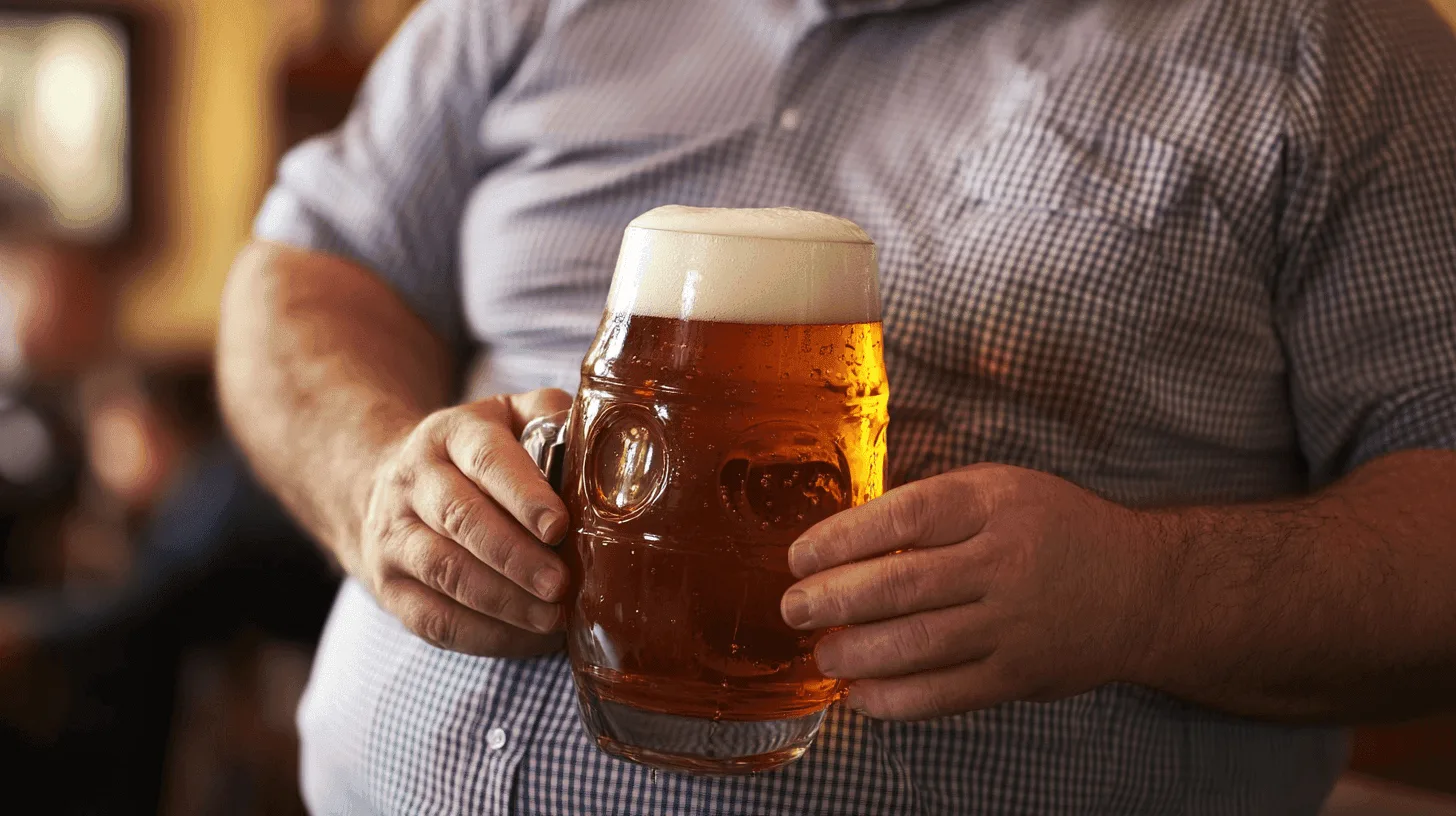
Men in midlife are prime candidates, particularly if the weight has settled around the middle. Fat stored around your belly and fat stored in your liver tend to go together. Add a winter of pints and you have both causes working at once.
The catch is that fatty liver usually causes no symptoms at all. You can feel fine for years. By the time you notice anything, like yellowing skin or eyes, a swollen tummy, itching or unexplained tiredness, the disease is often well advanced. If you have any of those, see your GP. Vomiting blood or passing black, tarry poo is an emergency, so call 999.
How much alcohol is safe for your liver?
The UK Chief Medical Officers’ guideline is the same for men and women: to keep risks low, don’t regularly drink more than 14 units a week. Spread them over three or more days rather than saving them for the weekend, and have several drink-free days each week.
Fourteen units is about six pints of average-strength beer or six 175ml glasses of wine. That’s a week, not a Friday. Stronger craft beers and big wine glasses push the totals up faster than you’d think.
The NHS points out that drinking a lot, even for just a few days, can lead to fat building up in the liver. This early stage is usually reversible if you cut back or stop. Keep drinking heavily, though, and it can progress to inflammation and then scarring.
Your liver doesn’t need cleansing. It needs fewer things to clean up after, and a few months to get on with it.
A practical spring plan: count your units honestly for a fortnight, then make three or four nights a week alcohol-free as standard. If you find that harder than expected, that tells you something useful too. Your GP can help, and so can free NHS services for cutting down.
AD
The weight and exercise bit
For fatty liver, losing weight is the best-supported treatment there is. You don’t need to get back into your wedding suit. Research keeps finding that losing a modest proportion of your body weight cuts liver fat, and that losing around 10% can reduce inflammation and in some people even scarring. For a man of 16 stone (about 102kg), 10% is roughly a stone and a half (about 10kg).
Do it steadily. Crash diets aren’t the answer, and very rapid weight loss can sometimes make liver problems worse. Cutting back on sugary drinks, refined carbs, takeaways and late-night snacks will do far more than any supplement.
Exercise helps on its own as well. Studies show regular activity reduces liver fat even before the scales move much. The UK guideline for adults is at least 150 minutes of moderate activity a week, such as brisk walking or cycling, plus strength work on at least two days. Spring evenings make the walking bit easier to stick to.
Coffee also gets a mention. Observational studies have linked regular coffee drinking with a lower risk of liver disease. That’s an association, not proof, but if you already enjoy a couple of cups a day, the evidence suggests you can carry on.
What about turmeric, milk thistle and liver supplements?
This is where it gets awkward for the shelf in the health food shop. Milk thistle is the classic liver supplement, and the evidence that it helps is weak and mixed. Turmeric is worse news. There are documented cases of liver injury linked to concentrated turmeric supplements, especially high-strength ones designed to be better absorbed. Turmeric in a curry is fine. Turmeric in capsule form, taken daily, isn’t automatically harmless.
The same goes for herbal and bodybuilding supplements in general. Several are known to cause liver damage, which is the irony of buying a pill to protect your liver. If you take anything regularly, including over-the-counter painkillers, tell your GP or pharmacist. Paracetamol is safe at the correct dose, but taking more than the recommended amount can seriously harm the liver.
How do I find out if my liver is OK?
Routine liver function blood tests are a start, but they can come back normal even when there is fat or scarring in the liver. That’s why NICE guidance recommends that people found to have fatty liver are checked for advanced scarring, using a specialist blood test called the enhanced liver fibrosis (ELF) test or a scan, depending on what’s available locally.
In England, if you are 40 to 74 and haven’t been diagnosed with heart disease, diabetes, kidney disease or a few other conditions, you should be invited for a free NHS Health Check every five years. It covers blood pressure, cholesterol, weight and your drinking, all of which point to your liver risk. If you haven’t had an invitation, ask your GP practice.
Scotland, Wales and Northern Ireland don’t run the same national check, so if you live there and are worried, book a GP appointment and ask directly. In all four nations, it’s worth raising if you’re overweight, have type 2 diabetes, drink more than 14 units a week or have a family history of liver disease.
In short
Your liver doesn’t need juices, turmeric shots or detox teas, and some supplements can actually harm it. What helps is drinking within 14 units a week with several drink-free days, losing some weight steadily if you’re carrying extra, and moving more. Fatty liver rarely causes symptoms, so if you’re overweight, diabetic or a regular drinker, have a word with your GP or take up your NHS Health Check if you’re in England.
Adrian Irving writes about health for men 45 and over who would rather do something than worry. Training, weight loss, sleep, cholesterol and blood tests, heart health, testosterone, the prostate, mental health and your sex life – what the evidence says, what's worth trying, and when it's time to see your GP.
One of Midcent's writers. Spotted something? Write to adrian@midcent.uk.
A beer belly isn’t a myth, but beer isn’t the only culprit either. What a pint really costs you in calories, why it settles on your middle, and what to do.
Weight-loss injections can reduce more than body fat. Here is what the evidence says about muscle loss, and how to protect your strength without living in a gym.
Vitamin D in winter and creatine for your muscles have decent evidence behind them. Plenty of what’s on the pharmacy shelf doesn’t. Here’s how to spend your money sensibly.