Your gut and your brain: what the dementia link means
Scientists are finding links between gut bacteria and dementia. Here’s what the research actually shows, what’s still guesswork, and the simple changes worth making from midlife.
Reviewed, edited and approved by Editor-in-chief Daniel Sköld · Updated 31 October 2026
Contents
Your gut is home to trillions of bacteria, and for most of your life you’ve probably thought about them only after a dodgy kebab. Researchers now think they may be doing a lot more than digesting dinner. That could include affecting how well your brain ages.
Headlines love this sort of thing: change your gut, save your memory. The truth is less tidy but still worth knowing. Some of what keeps your gut bacteria happy also lines up with things that are already known to lower your dementia risk.
AD
How can gut bacteria affect the brain?
Scientists call it the gut-brain axis. It’s a two-way line of communication between your digestive system and your head, and it works in a few ways.
The first is the vagus nerve, a long nerve that runs from the brainstem down to the abdomen and passes signals in both directions. The second is the immune system. A large share of your immune cells sit around the gut, and when the bacterial balance goes wrong, the result can be low-level inflammation that affects the whole body. Long-term inflammation is one of the processes researchers are looking at in dementia.
The third is chemistry. When gut bacteria break down fibre they make substances, including short-chain fatty acids, that get into the bloodstream. Some of these appear to calm inflammation and help protect the barriers that keep unwanted molecules out of the gut wall and, possibly, the brain.
In short, the bacteria in your gut aren’t just passengers. They’re in constant contact with the rest of your body.
Is there a proven link between gut health and dementia?
Here comes the honest bit. Studies keep finding that people with Alzheimer’s disease and other dementias tend to have different mixes of gut bacteria from people without them. That’s an interesting pattern, but it doesn’t tell us which came first.
Dementia changes how people eat, how much they move and which medicines they take. All of those change the gut. So a different microbiome could be partly a result of the disease rather than a cause.
Animal studies go a bit further. In experiments where gut bacteria from people with Alzheimer’s were transferred into rodents, the animals did worse on memory tests. That points to the bacteria playing an active part. But a rat in a lab isn’t a 58-year-old man in Swindon, and results like these often fade or get more complicated once they’re tested in people.
So the verdict for now is that the link is real enough for serious scientists to spend years on it. It is not proven to cause dementia, and nobody can yet tell you that a particular gut profile will protect your memory.
You don’t need to wait for the science to settle. What feeds good gut bacteria is mostly what protects your heart and brain anyway.
Should you take probiotics to protect your brain?
Probiotic drinks and capsules aren’t hard to find in any chemist or supermarket, and some now come with brain-friendly marketing. Be sceptical. There’s currently no good evidence that taking a probiotic supplement prevents dementia or slows memory loss.
Part of the problem is that probiotics aren’t one thing. Products contain different strains in different amounts, and most of those bacteria don’t settle in your gut for good. Small trials have tested probiotics on memory and thinking, but the results are mixed and the studies are mostly short and small.
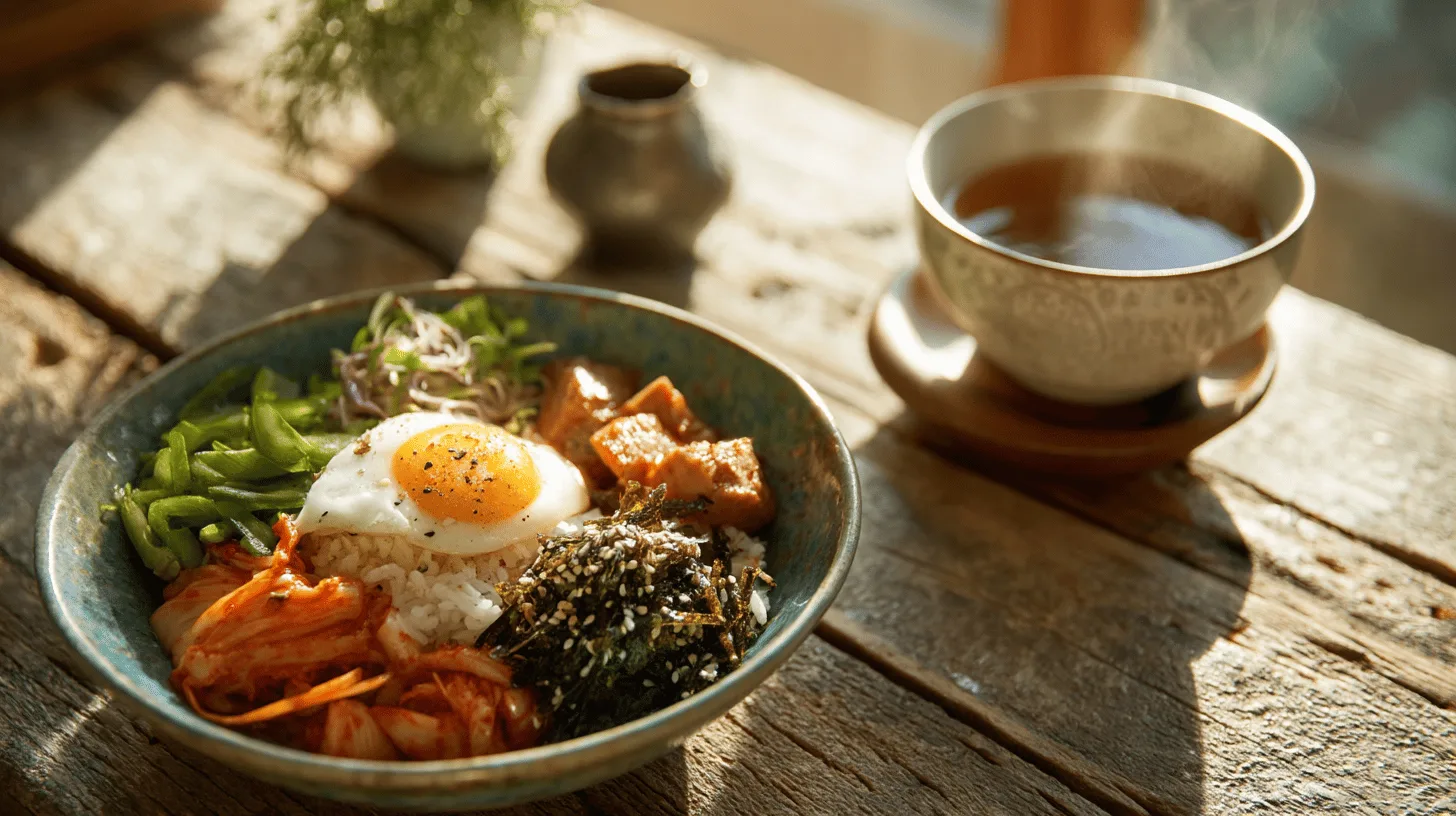
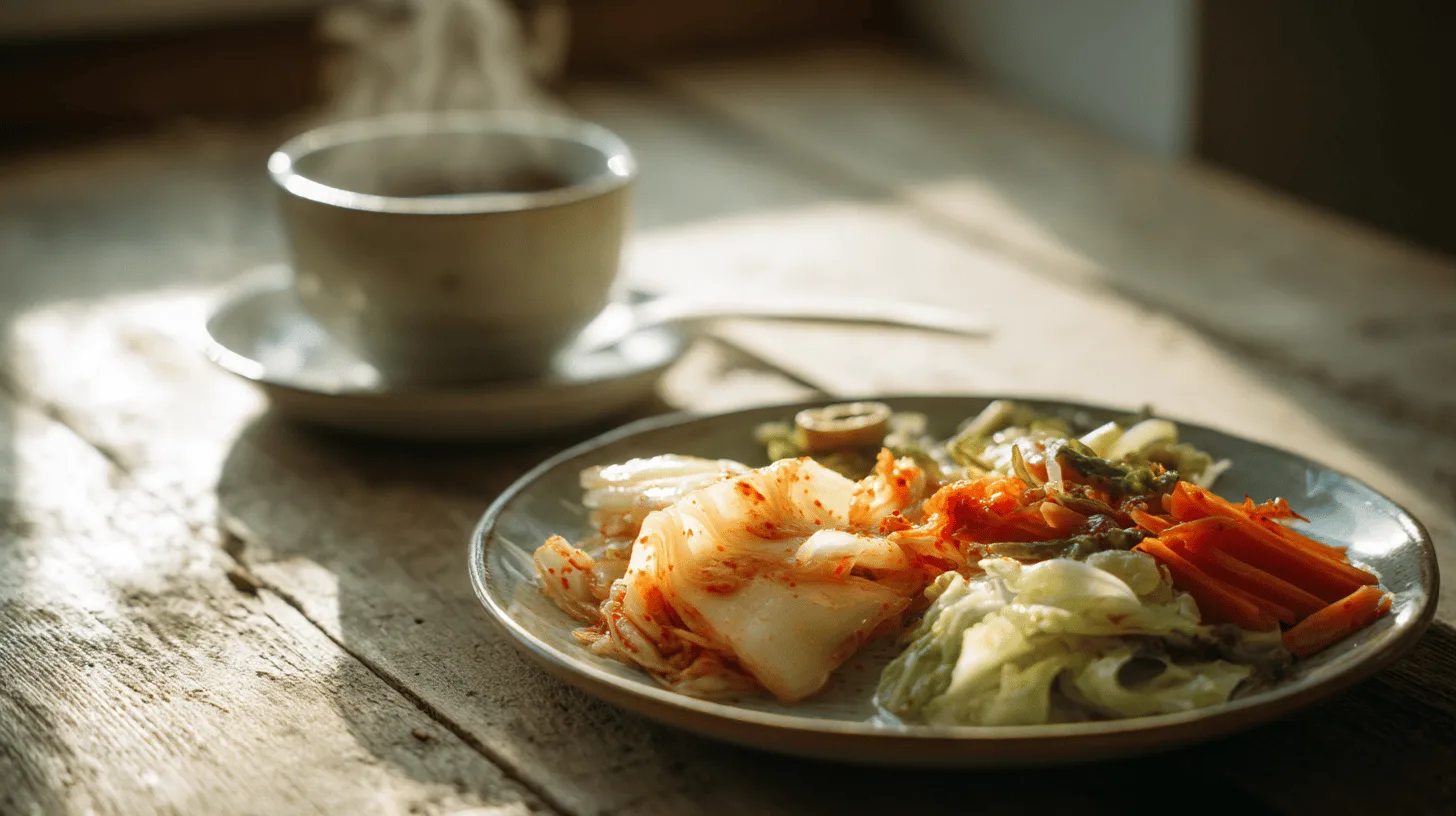
If you enjoy kefir, live yoghurt, sauerkraut or kimchi, carry on. They’re decent foods. Just don’t pay extra for a capsule on the promise that it’ll keep you sharp. If you’re thinking about a supplement and you take other medicines or have a long-term condition, ask your pharmacist first.
AD
What to eat to keep your gut, and your brain, in good shape
Gut bacteria live mainly on fibre, which is the part of plant food you can’t digest yourself. Government guidelines say adults should eat at least 30g a day. The NHS says most adults manage only about 20g, so most of us are well short.
Fibre is only found in plant foods. Meat, fish and dairy have none. The easy wins are oats or a wholegrain cereal for breakfast, wholemeal bread and pasta, brown rice, potatoes with the skins on, beans, lentils and chickpeas, and plenty of fruit and veg. Variety matters too. Researchers generally link a wider range of plant foods with a more varied gut population, and a more varied population is usually a good sign.
Check the label when you shop. Under UK labelling rules, a food counts as high fibre if it has 6g or more per 100g. Increase your intake gradually and drink plenty of fluids, unless you want your colleagues to find out just how busy your gut bacteria are.
This style of eating, with lots of plants and wholegrains, oily fish and olive oil, and not much processed food or red meat, looks a lot like the Mediterranean-type diet. Observational studies have linked that diet with better brain ageing. It’s also known to help your heart and lower your risk of type 2 diabetes, bowel cancer and stroke, so it’s hardly a gamble.
The dementia risks you can already do something about
Gut science is the new kid on the block, and the evidence on the established risk factors is a lot stronger. According to Alzheimer’s Research UK and the major international reviews it draws on, a large share of dementia cases is linked to things you can change. The list includes high blood pressure, high cholesterol, diabetes, smoking, drinking too much, physical inactivity, hearing loss, loneliness, obesity, depression and air pollution.
The phrase to remember is that what’s good for your heart is good for your head. Your brain relies on healthy blood vessels, and many of these risks cause damage by harming them. That’s why exercise, a high-fibre diet and keeping alcohol within the UK guideline of no more than 14 units a week do double duty.
If you’re in England and aged 40 to 74 with no existing heart, kidney or diabetes diagnosis, you should be invited for a free NHS Health Check every five years. It covers blood pressure, cholesterol and your overall risk, and if you’re 65 to 74 it also includes information about dementia. Some areas of Scotland offer similar checks, but there’s no identical national scheme in Scotland, Wales or Northern Ireland, so ask your GP practice what’s available locally.
And a practical note while we’re on the subject of your gut. See your GP if your bowel habits change and stay changed for a few weeks, if you see blood in your poo, or if you’re losing weight without trying. Call NHS 111 if you need advice urgently.
In short
There’s growing evidence that gut bacteria and the brain are connected, and people with dementia often have different gut bacteria, but nobody has shown that changing your gut prevents dementia, and probiotic supplements aren’t proven to help. The sensible approach is to aim for 30g of fibre a day from a wide range of plant foods, which feeds your gut bacteria and also protects your heart. Pair that with the proven steps: control your blood pressure, keep active, don’t smoke, drink moderately and go for your NHS Health Check when you’re invited.
Adrian Irving writes about health for men 45 and over who would rather do something than worry. Training, weight loss, sleep, cholesterol and blood tests, heart health, testosterone, the prostate, mental health and your sex life – what the evidence says, what's worth trying, and when it's time to see your GP.
One of Midcent's writers. Spotted something? Write to adrian@midcent.uk.
Oily fish, berries and greens get called brain food. Here is what the evidence really says about diet, memory and dementia risk in midlife, and what is worth doing.
Foggy, forgetful and running on four hours? How poor sleep affects memory and dementia risk in midlife, what the evidence says, and what to do about it.
Puzzles are fine, but learning a language, an instrument or a practical skill gives your midlife brain a much harder workout. Here’s what the evidence says, and how to start.